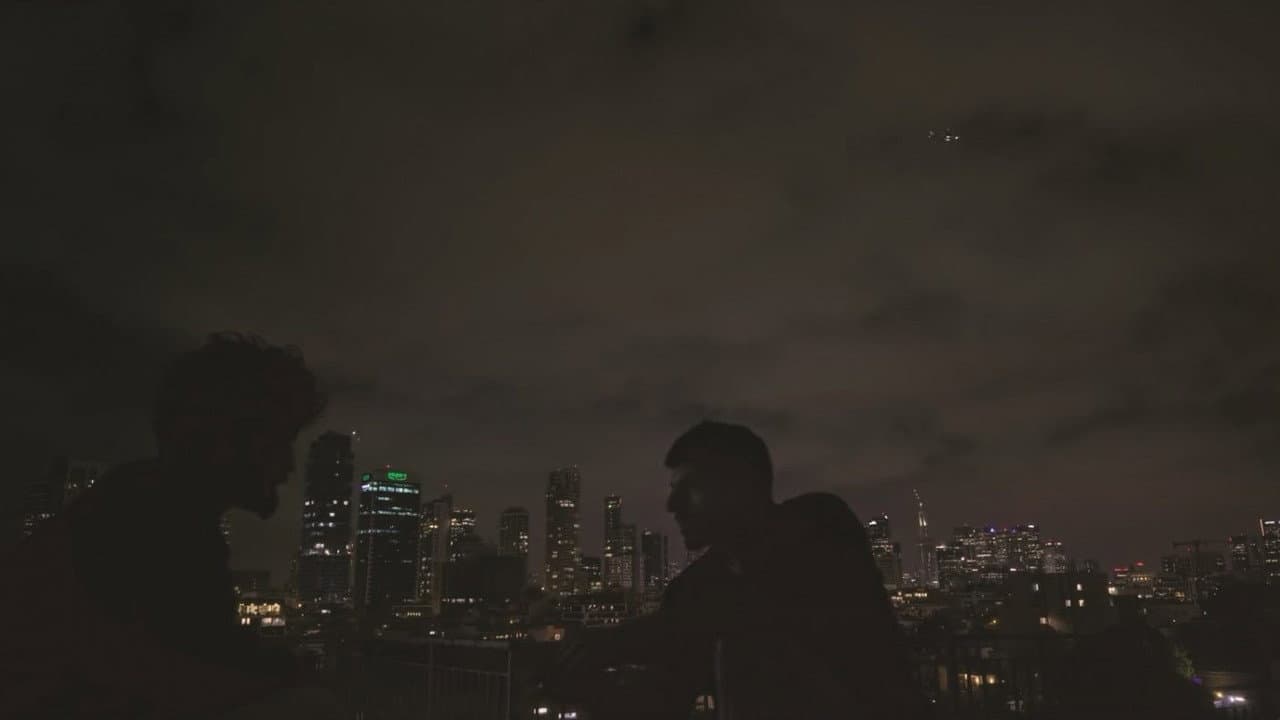
The Venice Film Festival has made a late but significant addition to its main competition slate, announcing that the documentary Naza will now vie for the Golden Lion alongside the previously revealed lineup. The move, confirmed by festival organizers on Monday, injects a powerful real-world narrative into a competition that had so far leaned heavily on fiction features.
Few details about the film have been released, and the festival has remained tight-lipped about its content beyond the bare essentials. What is known is that Naza is a documentary centered on the Gaza Strip, and its inclusion marks a rare competitive slot for a non-fiction work in Venice's top tier. The film currently holds no public rating, and its director, cast, and runtime have not been disclosed. This aura of mystery, combined with the politically charged subject matter, has already generated considerable buzz among industry insiders and critics ahead of the festival's opening.
A Politically Charged Addition
The announcement arrives at a time when the Venice Biennale, which oversees the film festival, has faced mounting scrutiny over its programming choices in the wake of ongoing international conflicts. By placing Naza in the main competition rather than a sidebar documentary section, artistic director Alberto Barbera is making a deliberate statement about the film's artistic merit and its relevance to contemporary global issues. The decision is likely to be welcomed by those who have called for major festivals to give more prominent platforms to voices from conflict zones, while also drawing criticism from those who argue that festivals should remain apolitical.
In a brief statement released alongside the lineup update, organizers described Naza only as "a urgent and intimate portrait of life under siege," declining to elaborate further. The lack of detail is unusual for a competition entry, but it has fueled speculation that the film may have been completed under difficult or even dangerous circumstances, with filmmakers potentially operating under significant restrictions. Some reports suggest that the project was developed quietly over the past year, with post-production finalized only recently in time for the festival.
Venice's History With Documentaries
While documentaries are a staple of Venice's out-of-competition and "Out of Competition" sections, their presence in the main competition has historically been rare. The last nonfiction work to compete for the Golden Lion was Sacro GRA, which won the top prize in 2013. That film, a portrait of Rome's ring road, was celebrated for its unconventional storytelling, but it remains an outlier in a festival that prizes narrative cinema. By adding Naza, Barbera signals a willingness to broaden the definition of what can contend for the festival's highest honor.
The move also aligns with a broader trend across European festivals. Cannes and Berlin have increasingly included documentaries in their main competitions, with works like Flee and Four Daughters earning critical acclaim and awards attention. Venice, however, has been more conservative, making Naza a potentially landmark inclusion. If the film resonates with juries and audiences, it could open the door for more nonfiction entries in future editions.
Festival Context and Competition
Naza now joins a competition slate that was already crowded with high-profile titles from established auteurs. The festival has not announced whether the film's addition will displace any previously scheduled entries, and the full competition lineup remains at 21 films. The documentary will premiere later in the festival's run, a common slot for late additions, allowing organizers to maximize attention around its screening.
The film's screening schedule and press conference details have yet to be released, but festival passholders are already speculating about potential Q&A formats and whether any of the filmmakers will be able to attend given travel and safety concerns. The inclusion of a Gaza-set documentary in a major European competition also raises practical questions about distribution, with international buyers likely to circle the project during the festival's market.
Broader Implications
For the Venice Film Festival, the addition of Naza is a calculated risk. It injects a volatile geopolitical topic into an event that typically prioritizes cinematic artistry over political messaging. But it also positions Venice as a festival unafraid to engage with the most pressing issues of the day, a reputation that has become increasingly valuable in an era when film festivals are seen as platforms for global dialogue.
The response from the wider film community has been swift. Several prominent critics and festival programmers have already praised the decision on social media, describing it as a "courageous" and "necessary" choice. Others have expressed cautious optimism, noting that the film's quality will ultimately determine whether the inclusion feels like a gimmick or a genuine artistic achievement.
As the festival prepares to open its doors, Naza remains an enigma. With no footage released, no director publicly attached, and no plot synopsis beyond its geographic focus, the documentary is poised to be one of the most talked-about and closely watched entries of the year. Whether it lives up to the expectations generated by its mere presence in the competition remains to be seen, but its addition has already made waves. The 2026 Venice Film Festival is set to run from late August through early September, and Naza is now firmly on the radar of every serious observer of international cinema.
Source: The Hollywood Reporter