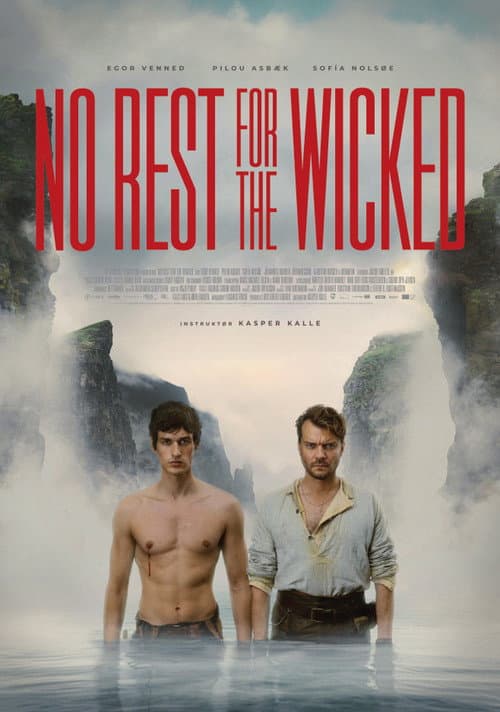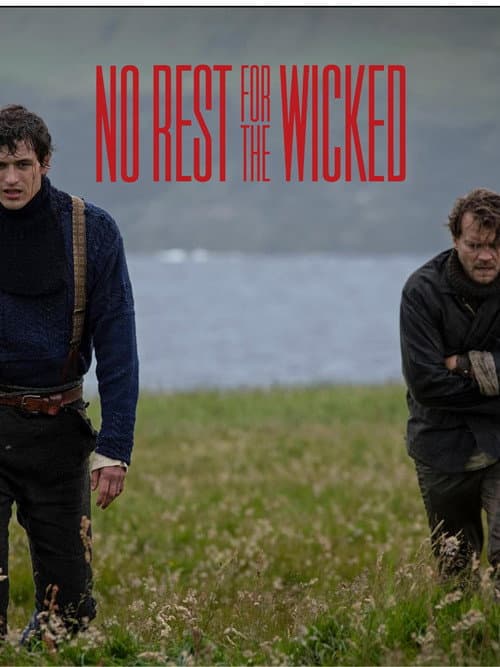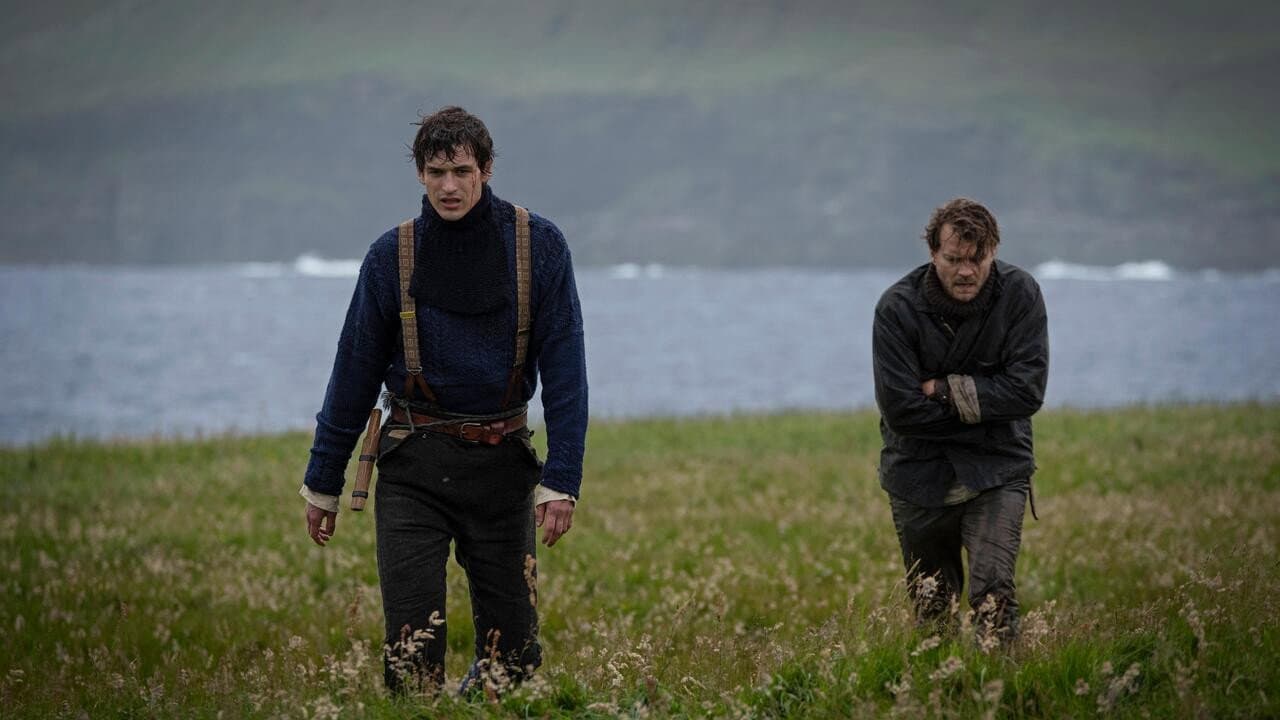
The supernatural romance “No Rest for the Wicked,” which landed in theaters July 22, is already stirring conversation for its audacious blend of period drama, gay love story, and horror-fantasy elements set against the stark beauty of the 19th-century Faroe Islands. Directed by Kasper “Kalle” Skovsbøl, the film follows a forbidden attraction between a lonely fisherman and a rugged whaler - a passion that unleashes terrifying natural forces and forces a remote village to confront evil. With a runtime of 103 minutes, the movie is being pitched as a genre-defying tale that refuses to let its lovers be buried, literally or figuratively.
Plot and Setting
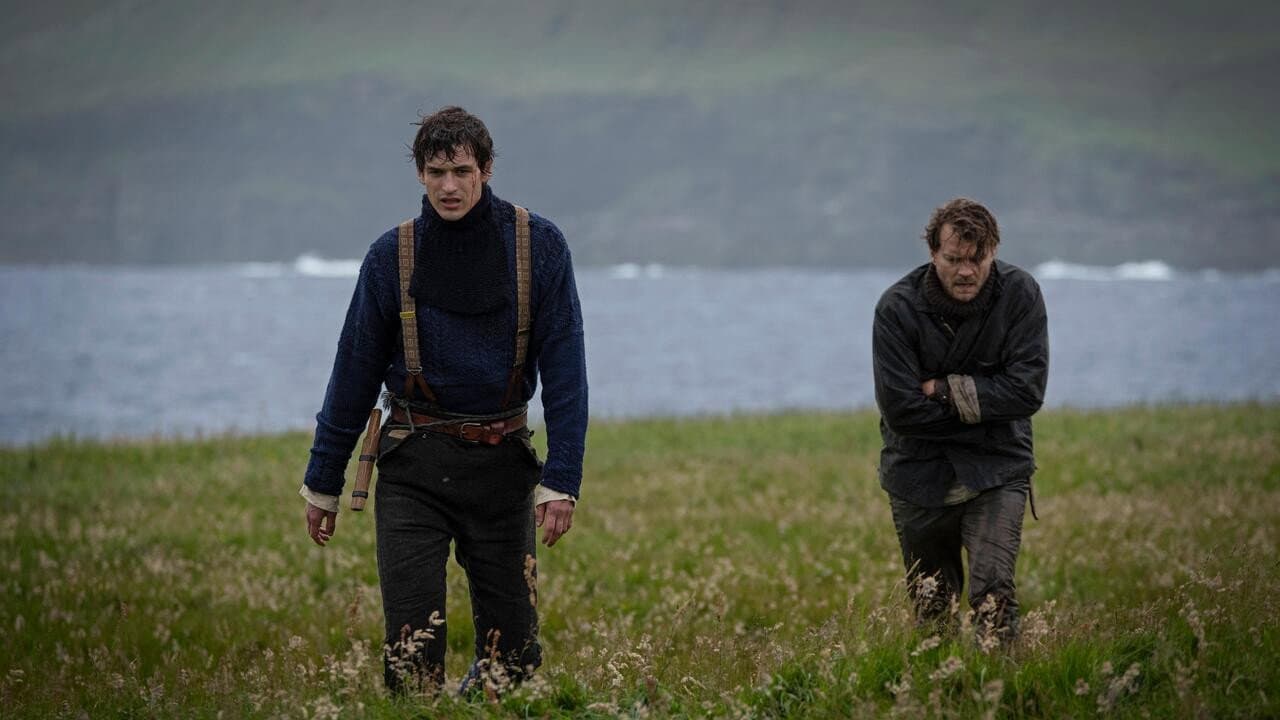
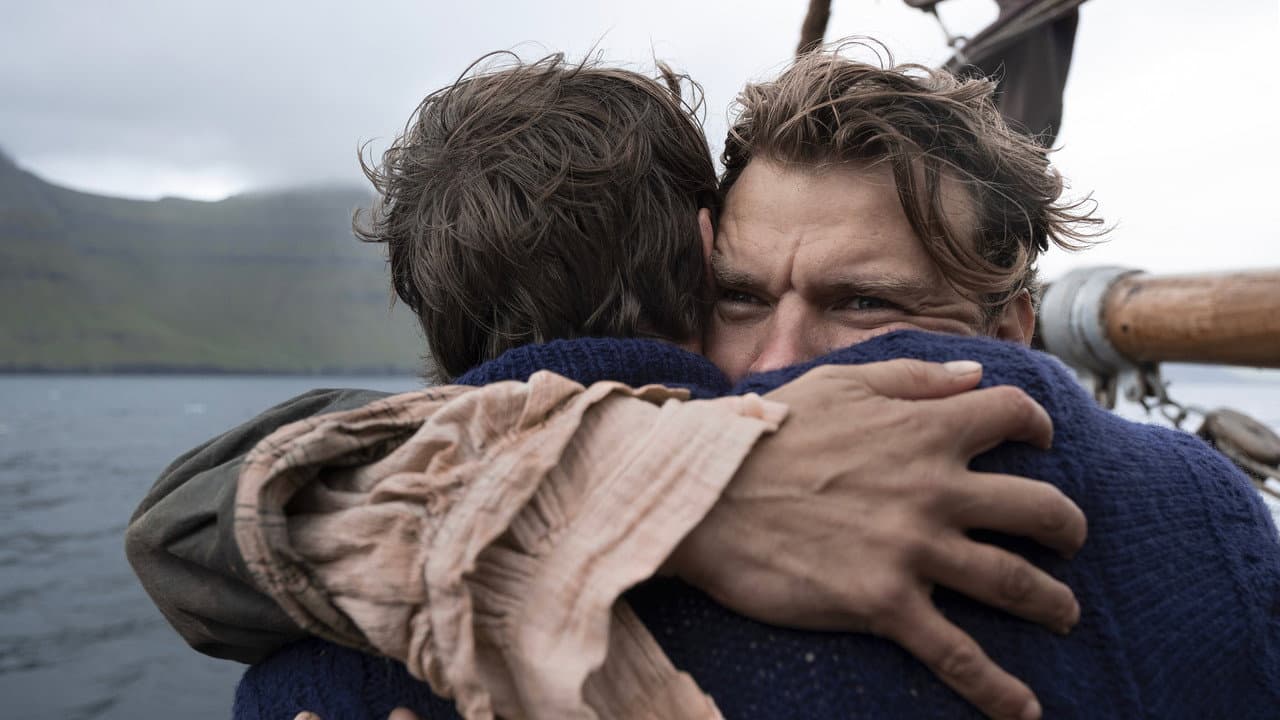
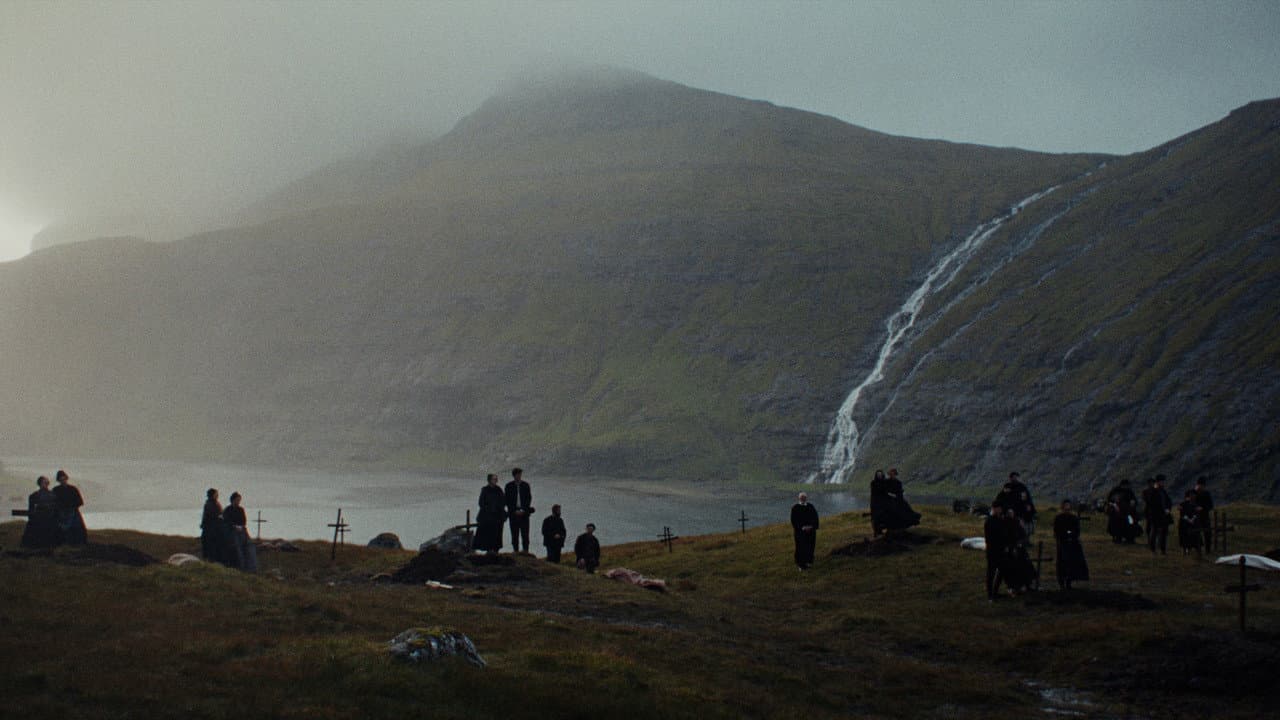
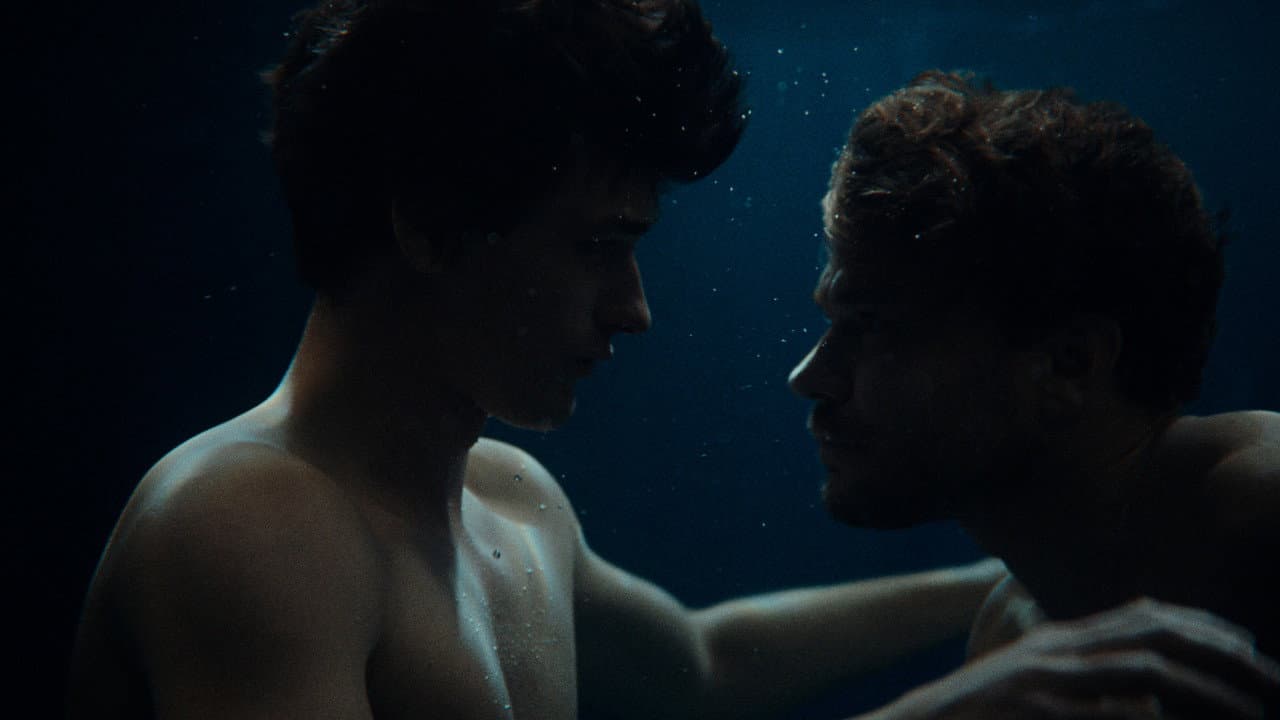
The year is 1862. Baldur, played by Egor Venned, leads a quiet, grueling existence as a fisherman on the isolated Faroe Islands, a cluster of jagged rocks in the North Atlantic. His world is upended when Helge, a whaler played by Pilou Asbæk, arrives with a rough-hewn magnetism that awakens feelings Baldur has never dared acknowledge. The two men begin a mutual attraction that grows in secret, but when tragedy strikes, their forbidden passion seems to trigger supernatural disturbances so disturbing that the local villagers rally together in an attempt to keep evil at bay. According to the film’s synopsis, Baldur and Helge refuse to let their love die, fighting “till the end - and after.”
Skovsbøl, a Danish director known for his visually striking work in Scandinavian cinema, shot the film on location in the Faroe Islands, using the dramatic fjords and fog-shrouded cliffs as both backdrop and active participant in the story’s ominous mood. The setting isn’t merely picturesque; it becomes a character in itself - a backwater where nature is raw, the community is tight-knit, and any deviation from the norm invites suspicion and, in this case, supernatural retribution.
Cast and Performances
Venned and Asbæk anchor the film with a chemistry that reportedly balances tenderness with simmering tension. Venned’s Baldur is portrayed as a man of few words whose internal world is cracked open by Helge’s arrival. Asbæk, a well-known Danish actor from “Borgen” and “Game of Thrones,” brings a weathered intensity to the whaler - a drifter whose own vulnerabilities are slowly revealed. Supporting performances come from Sofia Nolsøe Mikkelsen as Ásla, Jóhannes Haukur Jóhannesson as Jákup, Kjartan Hansen as Súni, Búi Dam, and Nicolaj Falck as Todi, rounding out the ensemble of villagers who must decide whether to embrace the outsiders or expel them.
Early audience reactions on platforms like TMDb remain sparse, with the film currently holding a 0/10 rating - likely a placeholder rather than a meaningful critical consensus. The film’s limited release on July 22 means most reviews are still forthcoming, but the combination of LGBTQ+ romance and supernatural horror is already drawing comparisons to works like “The Lighthouse” and “God’s Own Country,” though with a distinctly fantastical and folk-horror twist.
Genre-Bending Romance
One of the most discussed aspects of “No Rest for the Wicked” is how it weaves multiple genres into a unified narrative. It is, at its core, a love story, but the horror and fantasy elements are not merely decorative. Skovsbøl uses the supernatural to externalize the internal conflict of a society that cannot accept same-sex desire - and the natural world responds with storms, disruptions, and darker forces. The film’s title suggests an afterlife that refuses peace, and early descriptions hint at a climax that blurs the line between life and death.
For a film that tackles themes of forbidden love in a historical setting, Skovsbøl avoids romanticizing the period’s homophobia. Instead, the horror arises from the clash between individual authenticity and collective fear. The villagers’ attempt to “keep evil at bay” becomes a metaphor for repression, while Baldur and Helge’s determination to fight back gives the story a defiant, almost revolutionary undertone.
Looking Ahead
With a release date just days ago, “No Rest for the Wicked” is poised to become a word-of-mouth title among fans of arthouse horror and period queer cinema. Its marketing has emphasized the stunning location and the emotional stakes, but the most compelling hook may be its refusal to compromise: a film that lets its lovers fight for their bond, even if the world - and the afterlife - conspires against them. As more critics weigh in and audiences discover the film, it could cement Skovsbøl’s reputation as a director willing to take risks on stories that traditional genre labels struggle to contain. For now, “No Rest for the Wicked” offers a haunting, beautiful, and unsettling vision of love that refuses to be buried.
Source: Variety