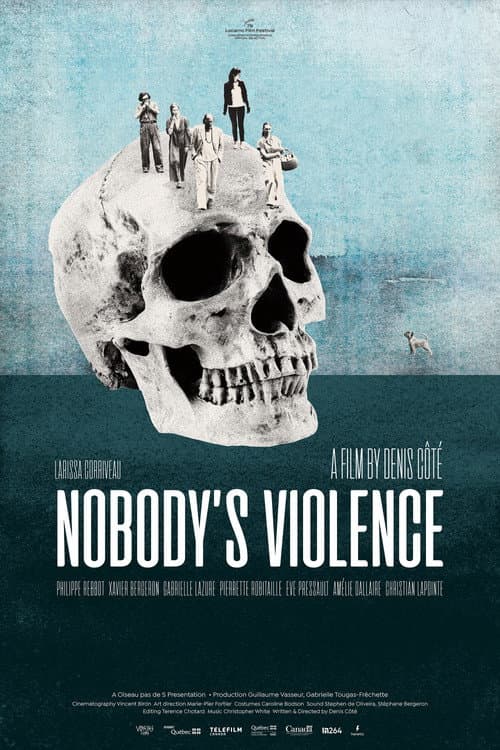
Canadian filmmaker Denis Côté has built a career on quiet, unclassifiable cinema, but his latest project arrives with a weight unlike anything he has tackled before. “Nobody’s Violence,” a drama set to open in limited release this Friday, was completed while Côté was actively undergoing treatment for a serious illness - a reality that informs the film’s meditation on death, companionship, and the strange contracts we make with each other.
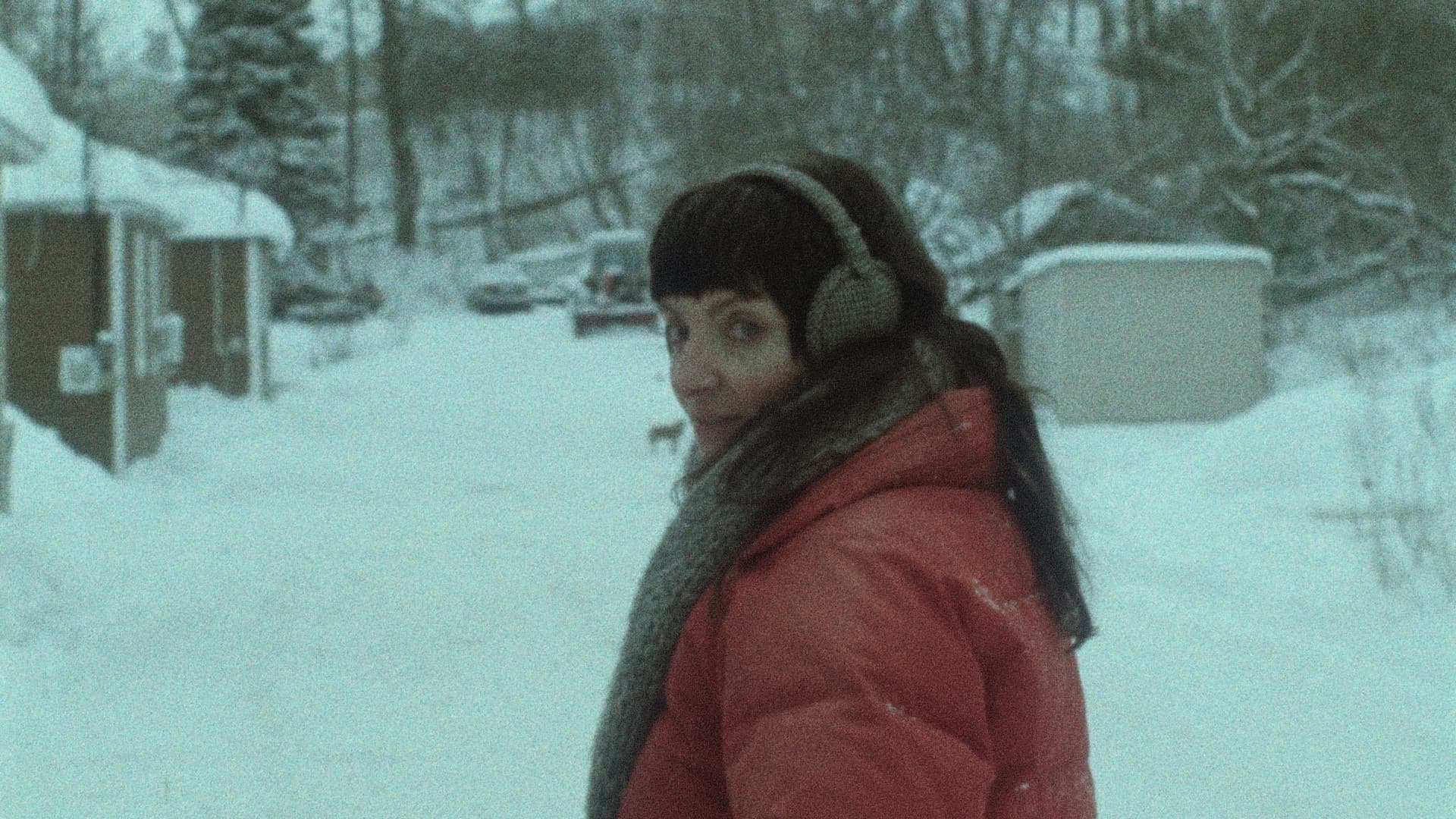
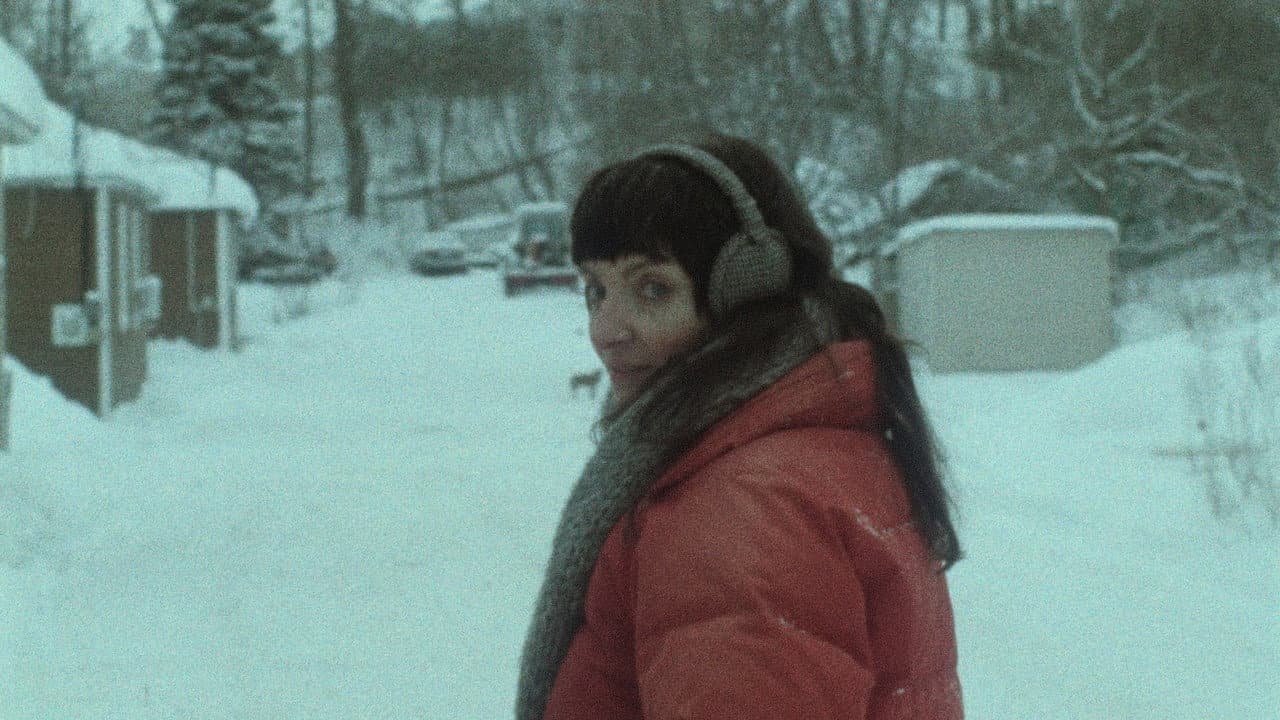
The film, which clocks in at 118 minutes, follows Mira (Larissa Corriveau), a solitary woman who drifts through the world meeting desperate individuals with whom she appears to have formed unsettling agreements - death pacts, though the details remain deliberately murky. With no fixed destination, she encounters Madeleine (Amélie Dallaire) and Ludo (Philippe Rebbot), two free-spirited hedonists living deep in the forest. What unfolds is less a conventional narrative than a tonal study of how people approach the end of life when the conventional rules no longer apply.
For Côté, the genesis of “Nobody’s Violence” was personal before it was professional. The director, known for experimentally minded works like “Boris Without Béatrice” and “Vic+Flo Saw a Bear,” was diagnosed with cancer - a development he has spoken about candidly in recent months. Rather than pause his career, he channeled the experience directly into the script, writing a story that refuses easy sentimentality. The result is a film that grapples with assisted death not as a political talking point but as a lived, intimate reality for people who have made a conscious choice to step outside society’s expectations.
Côté has said in interviews that making the film was a way of “fighting for his own life,” not merely documenting his condition but transforming it into something generative. The production itself was reportedly taxing - a lean shoot with a small crew, largely in natural settings - but the urgency behind it is palpable in every frame. The director has described the process as both a distraction and a confrontation, a way to keep moving forward when the future felt uncertain.
The cast is anchored by Corriveau, a Quebec stage and screen actor who brings a weary, wordless intensity to Mira. Her performance carries the film’s emotional core: a woman who listens more than she speaks, who has become a kind of shepherd for people who have chosen their own ending. Corriveau’s work here is already drawing early attention at festival screenings, even as the film’s TMDb rating sits at a neutral 0/10 - a placeholder until wider audiences weigh in.
Supporting turns come from a roster of Canadian and French talent deeply familiar with Côté’s mode of working. Philippe Rebbot, who plays Ludo, brings a loose, improvisational energy that contrasts with Mira’s stillness. Amélie Dallaire matches him as Madeleine, the pair embodying a hedonism that seems less about denial than about embracing whatever time remains. Xavier Bergeron, Gabrielle Lazure, Pierrette Robitaille, Christian Lapointe, and Ève Pressault fill out the ensemble, each appearing in scenes that feel more like encounters than plot points.
Thematically, “Nobody’s Violence” resists simple categorization. It is not an advocacy film, nor is it a grim document of suffering. Instead, Côté seems interested in the absurdity and tenderness of the arrangements people make when they have decided to die on their own terms. The title itself suggests a certain refusal - a statement that violence, when chosen freely, may not be violence at all, but something closer to autonomy.
Côté’s own condition adds a layer of biographical resonance that is hard to separate from the fiction. He has acknowledged that some scenes were shot during periods of intense fatigue, and that the physical demands of directing were compounded by treatment side effects. Yet he has also insisted that the film is not a self-portrait, but rather an exploration of a broader human question: what do we owe each other when we are facing the end?
The release timing, with the film arriving in theaters on August 8, 2026, feels pointed. It follows a summer of major studio fare, offering a contemplative counter-programming option for audiences seeking something more ruminative. Distribution plans appear modest, in keeping with Côté’s standing as a beloved but niche figure in world cinema. Still, for those who have followed his career, “Nobody’s Violence” represents a potential high-water mark - a work made under extraordinary pressure that channels that pressure into art rather than letting it become the subject.
Early critical responses, where available, have noted the film’s restraint and its refusal to grandstand. Côté has never been a director to spell things out, and this latest effort continues that tradition. The pacing is deliberate, the dialogue sparse, the imagery often stark. It is a film that asks for patience and rewards it with moments of unexpected grace.
For Côté, the project stands as both a personal testament and a reminder that cinema can still operate as a space for genuine inquiry. Whether “Nobody’s Violence” finds a wide audience remains to be seen, but its existence - and the circumstances under which it was made - already marks it as one of the more notable releases in the year’s arthouse calendar.
Source: The Hollywood Reporter