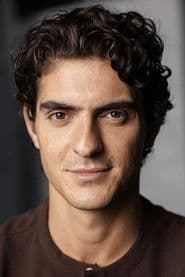
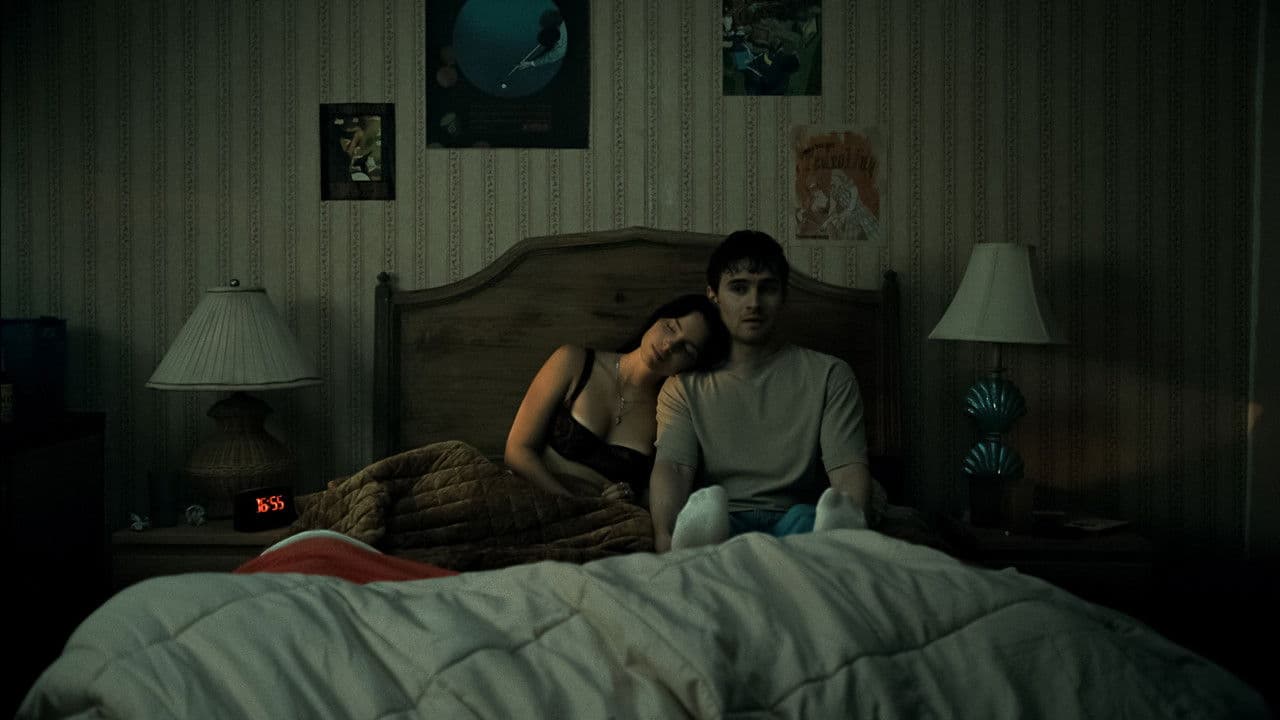
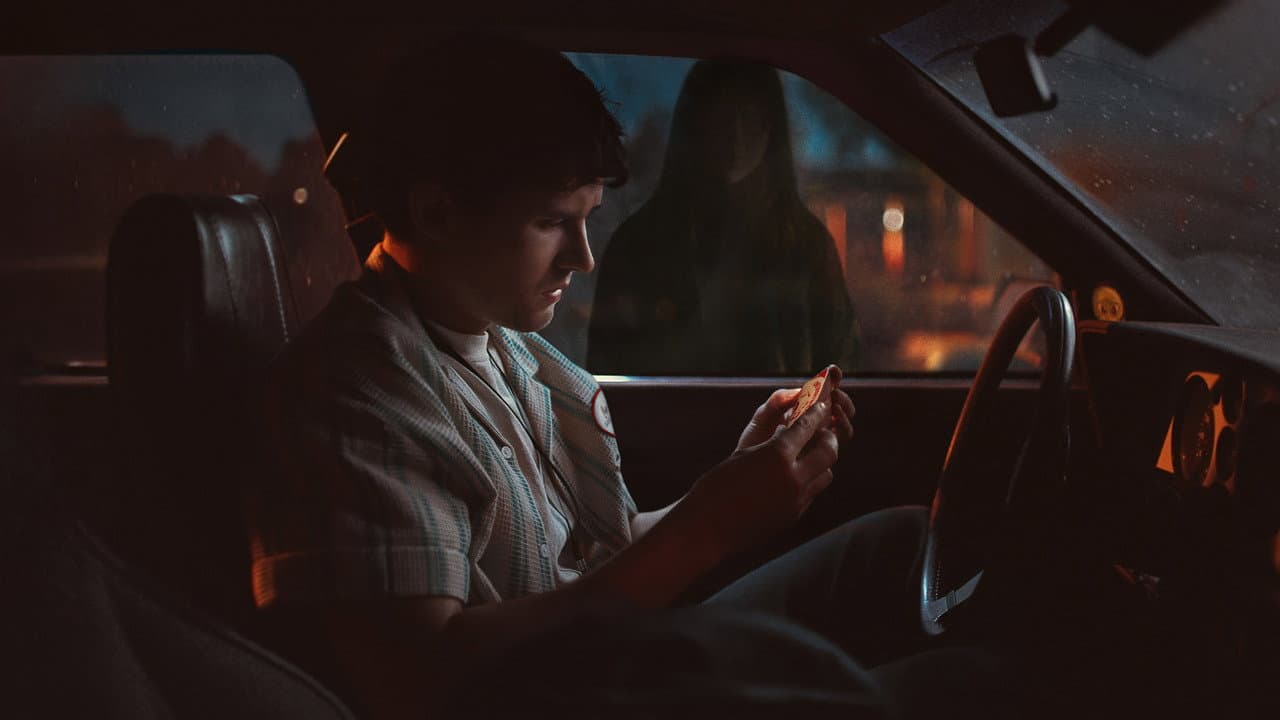
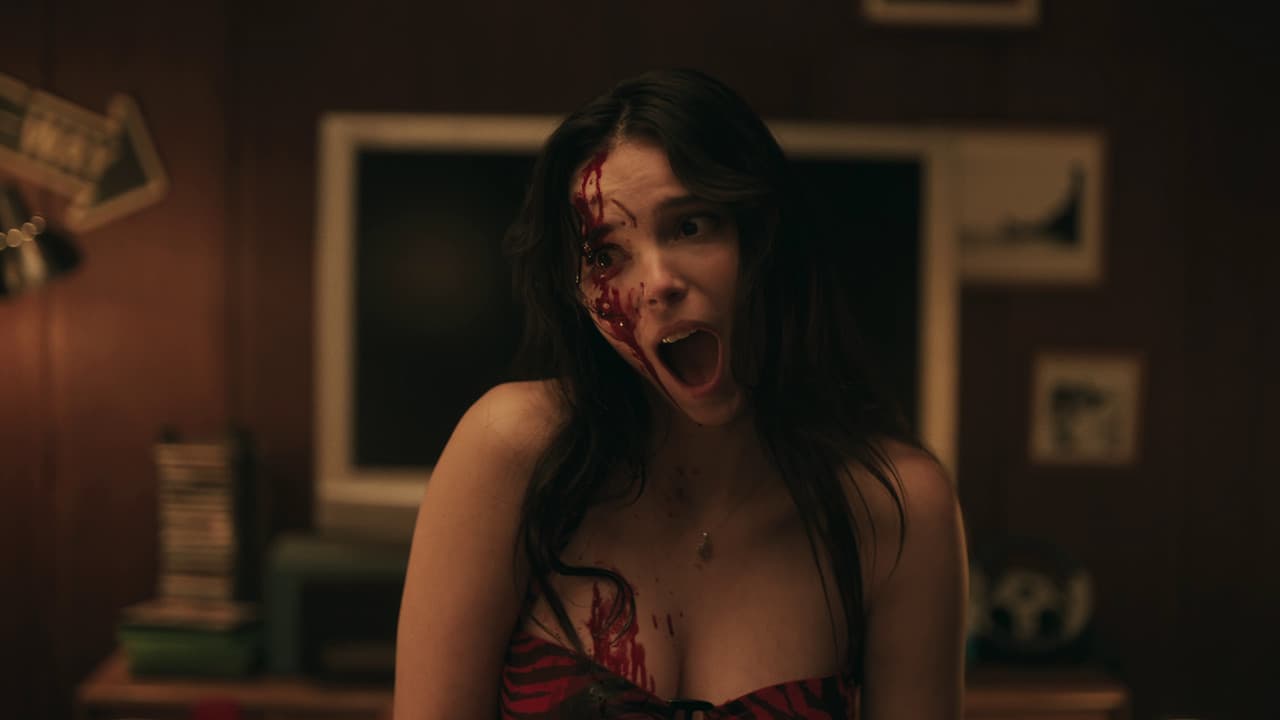
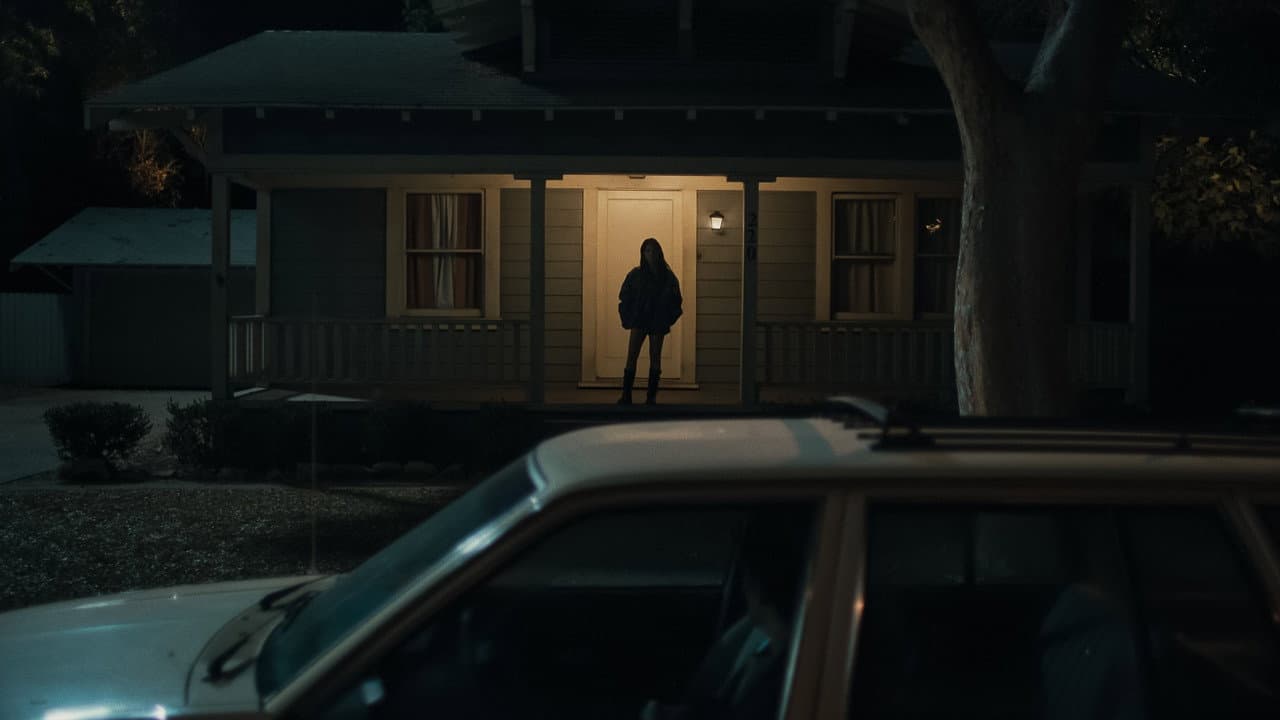
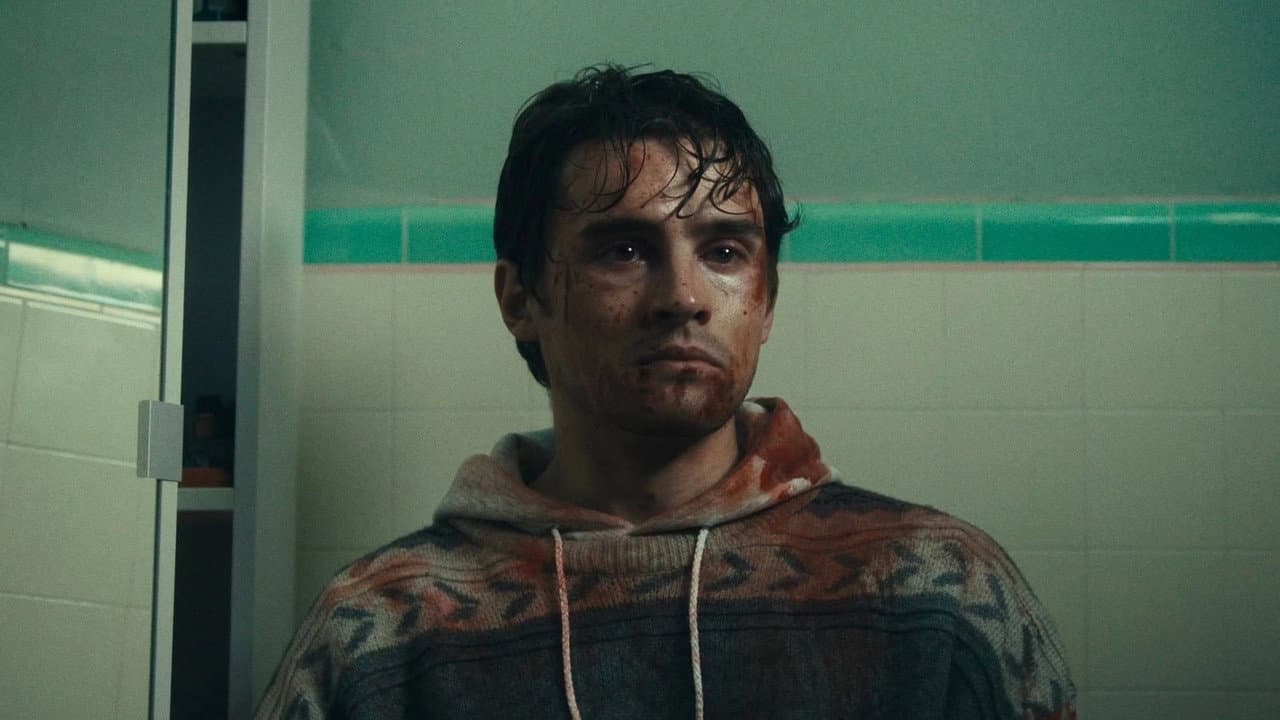
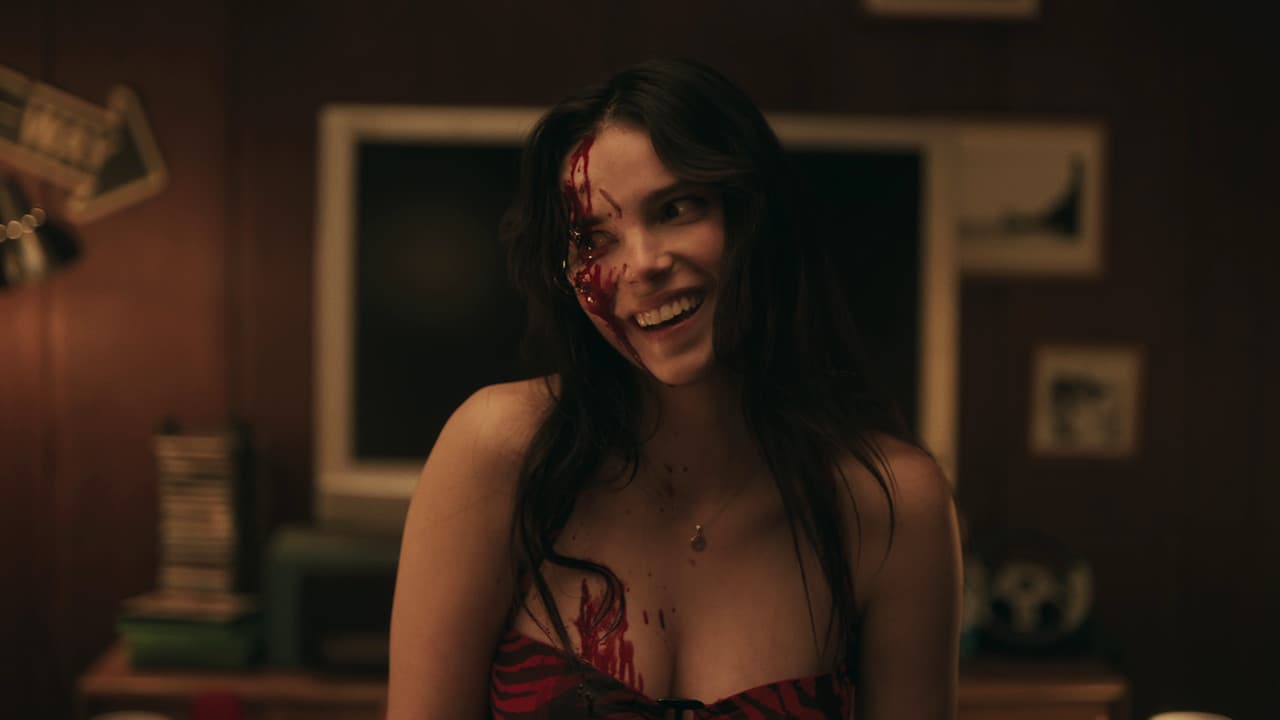
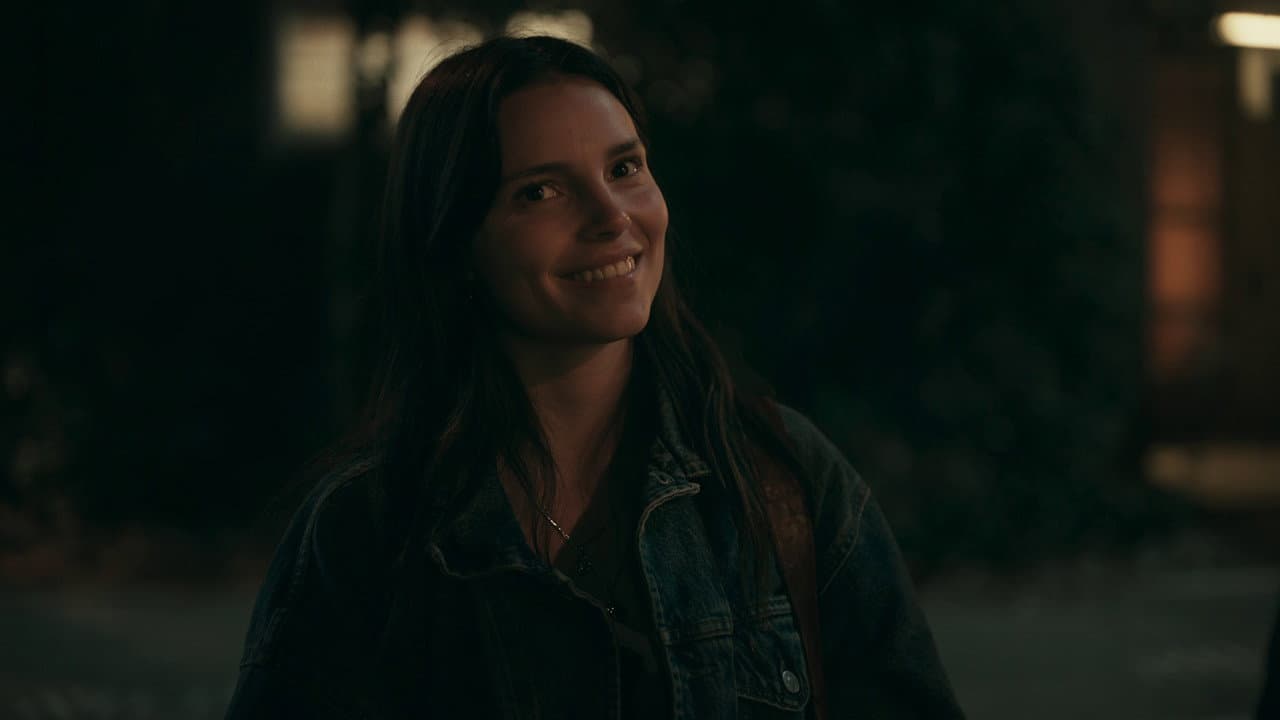
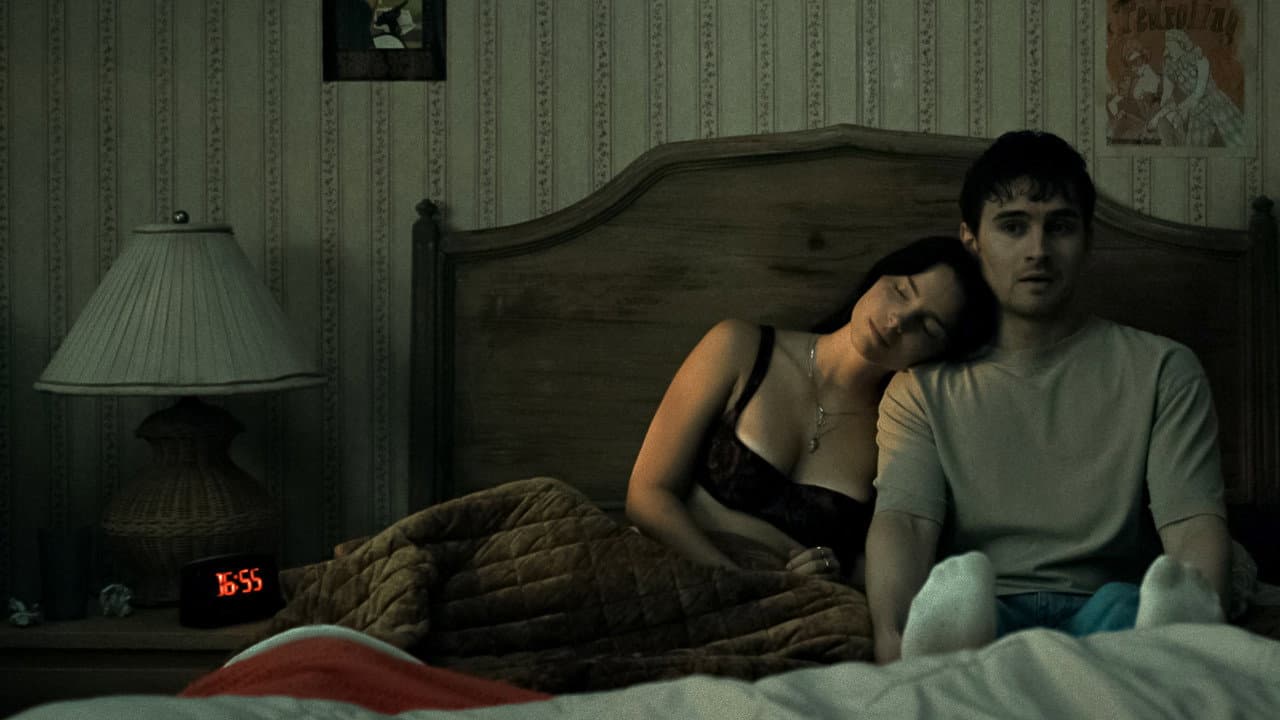
Curry Barker, best known for his work in short-form horror, makes a confident feature debut here. He understands that the most effective horror in a story like this is not the monster in the woods but the monster in the mirror. “Obsession” is a film about the toxicity of idealization. Bear doesn’t want Nikki as she is; he wants the version of her that exists only in his head. The tragedy is that the willow gives him exactly that, and the horror is that he likes it - at first.
Michael Johnston carries the film on his shoulders, and it’s a demanding role. Bear has to be sympathetic enough that we root for him, yet flawed enough that his eventual unraveling feels earned. Johnston navigates this tightrope with subtlety; you can see the flicker of unease behind his happy eyes long before he admits something is wrong. Inde Navarrette is equally impressive, tasked with playing a woman who is gradually emptied of personality. Her Nikki starts warm and alive, then becomes a doll with a cracked porcelain smile. There’s a scene where she stares at Bear while he sleeps - not with menace, but with a vacant, adoring stillness - that is more chilling than any gore.
Barker’s visual language favors quiet dread over spectacle. The willow tree is shot with looming, almost cathedral-like reverence, its branches curling like grasping fingers. The sound design is meticulous: the crunch of leaves, the subtle hum of magic, the dead silence that follows when Nikki stops speaking. The runtime of 109 minutes is perhaps a touch generous. The middle act, where Bear researches the willow’s history, loses some momentum. And while Andy Richter adds a welcome dose of offbeat humor as a cynical folklore expert named Carter, Megan Lawless’s Sarah (Bear’s concerned friend) feels like a plot device rather than a person - someone who exists solely to say, “Bear, this is weird. You should stop.”
But when “Obsession” hits its stride, it hits hard. The third act trades suburban dread for a descent into pagan nightmare, complete with a sequence involving the willow’s roots that is both beautiful and skin-crawling. Barker doesn’t flinch from the darkness of his concept. The ending - quiet, inevitable, and deeply sad - rewards patient viewers. It asks: what’s worse, losing someone you love, or realizing you never loved the real them at all?