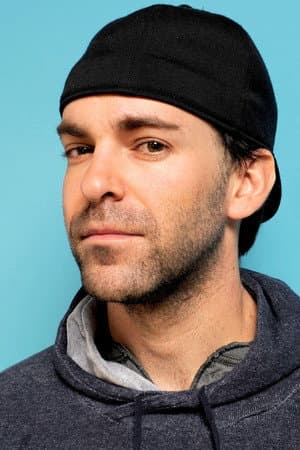
Veteran American independent filmmaker Vincent Grashaw has become a familiar presence at the Oldenburg International Film Festival, the German event that has spent three decades carving out a reputation as a haven for maverick cinema. For Grashaw, whose credits include the 2017 drama What Doesn't Kill You and the 2021 thriller Holler, the festival represents something increasingly rare in the global circuit: a place where a director's voice matters more than a marketing budget.
Grashaw's relationship with Oldenburg stretches back several years, and he has spoken publicly about the festival's founder, Torsten Neumann, as a genuine champion of filmmakers who work outside the studio system. That sense of kinship is central to how Grashaw describes the event - less a marketplace than a gathering of like-minded artists.
A Festival That Puts Filmmakers First
What sets Oldenburg apart, in Grashaw's telling, is its refusal to treat premieres as transactional. The festival has long positioned itself as an alternative to the bigger European markets, favoring provocative and formally adventurous work over star-driven prestige projects. For a director accustomed to scraping together financing for character-driven dramas, that philosophy translates into something practical as well as symbolic.
"Torsten built this thing for the filmmakers, and you feel it the moment you arrive," Grashaw has said of the festival's atmosphere. "Nobody is chasing you for a red-carpet photo. They actually want to talk about the work."
That emphasis on conversation over commerce shapes the daily rhythm of the event. Screenings are followed by long, unhurried discussions; panels tend to wander into craft rather than deals. Grashaw has described arriving at Oldenburg without the usual promotional obligations that accompany a festival slot elsewhere, which allows him to watch films as an audience member rather than as a salesman.
The German Connection
Oldenburg's location in northern Germany, a small city with a strong independent cinema culture, contributes to its distinct character. The festival has historically drawn a mix of European art-house devotees and American independents, creating an audience that Grashaw characterizes as unusually open to difficult material.
That cross-pollination matters to him. American independent film often struggles to find theatrical footing in Europe, and festivals like Oldenburg function as a bridge - not through aggressive acquisition deals, but through word of mouth among programmers and critics who attend year after year. Grashaw has noted that the relationships he built at Oldenburg have outlasted individual projects, turning into a network of collaborators and supporters.
He has also been candid about the economics of the trip. Flying to Germany for a festival is not free, and for a director without studio backing, the decision to attend involves real trade-offs. Grashaw's willingness to keep returning speaks to what he gets out of it: feedback from viewers who have no stake in his career, and the chance to see how his work lands with an audience that did not grow up on the same cultural references.
Why It Still Matters
The broader context is a festival landscape under pressure. Streamers have reshaped the acquisition market, and mid-sized events have struggled to hold onto premieres that once anchored their lineups. Oldenburg has survived by leaning into its identity rather than chasing scale, and Grashaw's account suggests that strategy has paid off for the filmmakers it serves.
For Grashaw, the value is not measured in awards or press coverage. It is measured in the quality of attention his films receive - the sense that a room full of strangers in a German city has genuinely engaged with the choices he made on set. That, he has suggested, is the reason a director keeps coming back to a festival that has never tried to be Cannes.
As Oldenburg continues to champion the kind of cinema that struggles elsewhere, Grashaw's perspective offers a useful counterpoint to the industry's obsession with metrics. Some festivals exist to launch careers. Others, like this one, exist to sustain them.
Source: The Hollywood Reporter