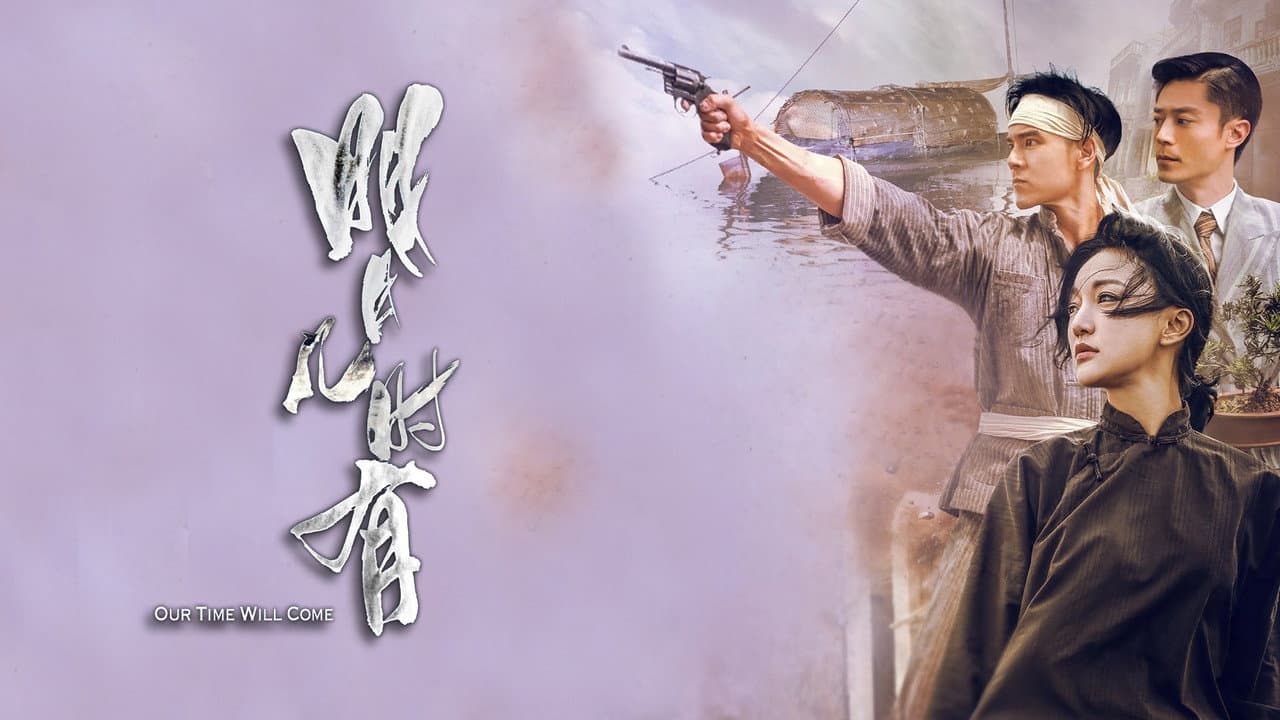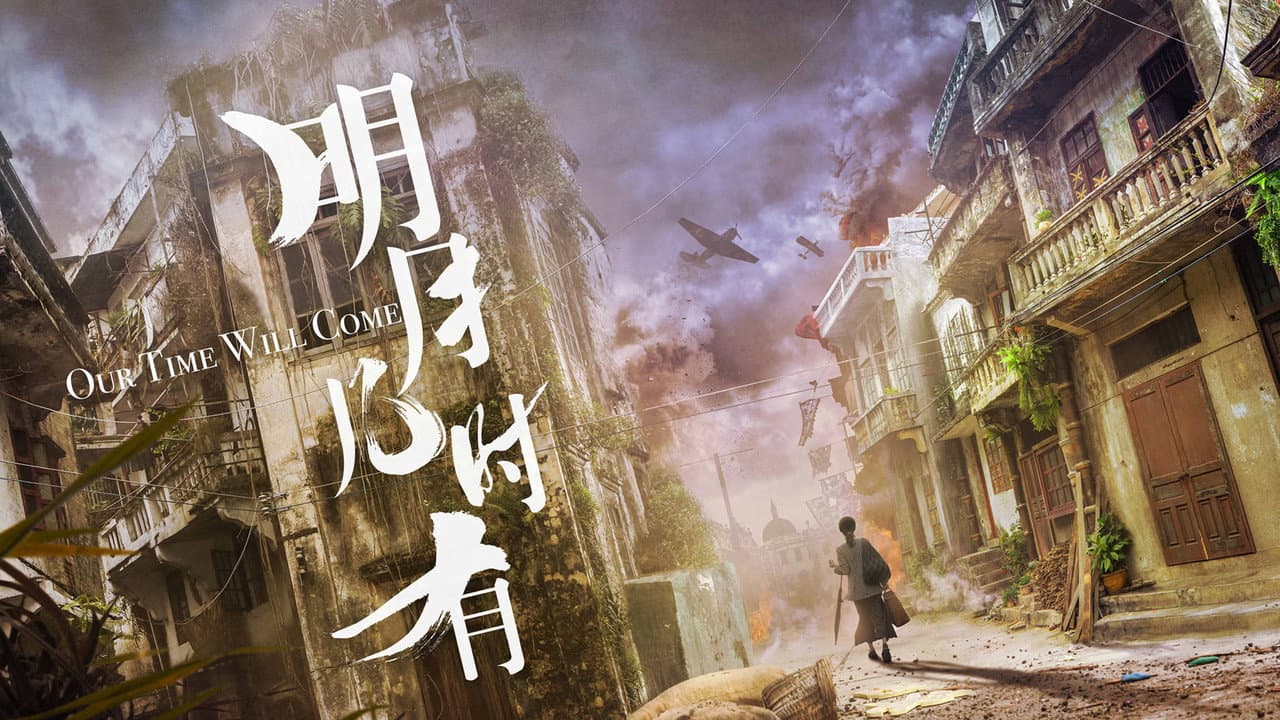
The 2017 Hong Kong drama Our Time Will Come, directed by the acclaimed Ann Hui, is receiving renewed attention as a deeply human war-time story that defies typical genre expectations. Set against the brutal backdrop of Japanese-occupied Hong Kong, the film follows a school teacher and her would-be fiancé who become entangled with Chinese guerrilla fighters, ultimately forging their own path to freedom. Although it carries the weight of historical tragedy, a fresh look at the movie reveals that its true power lies not in large-scale battle sequences, but in the quiet, emotionally absorbing journey of its central characters.
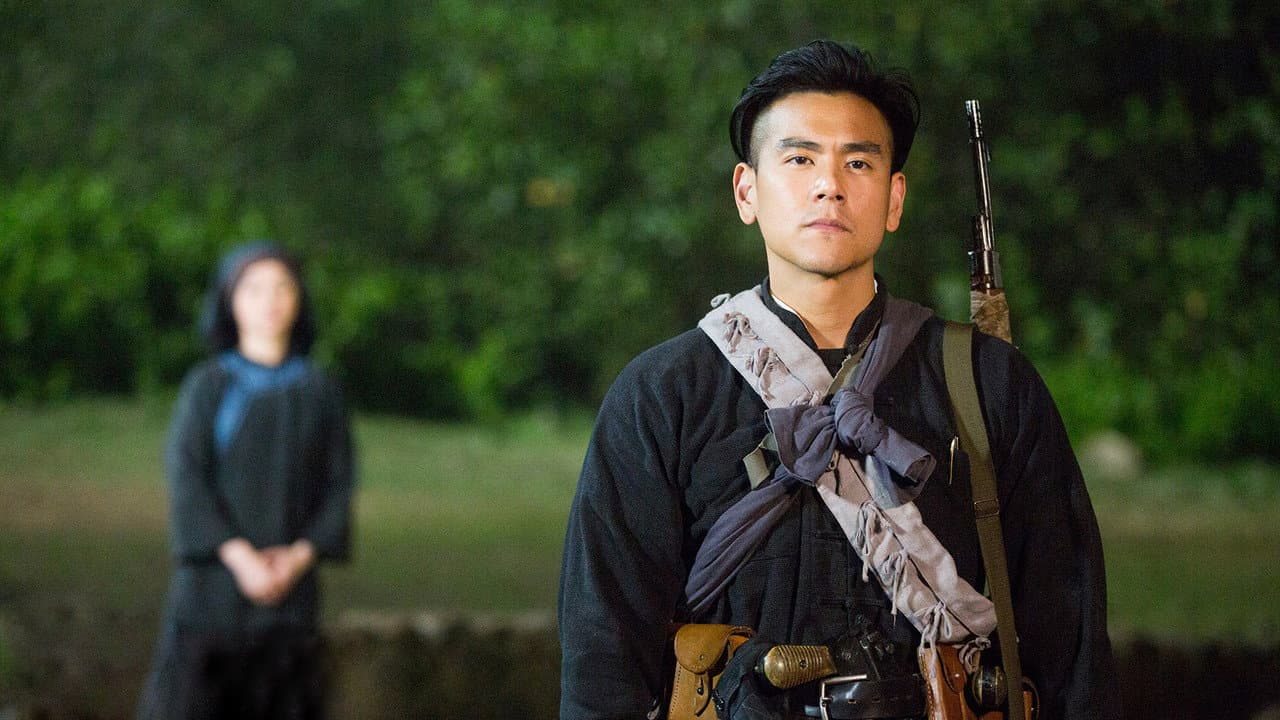
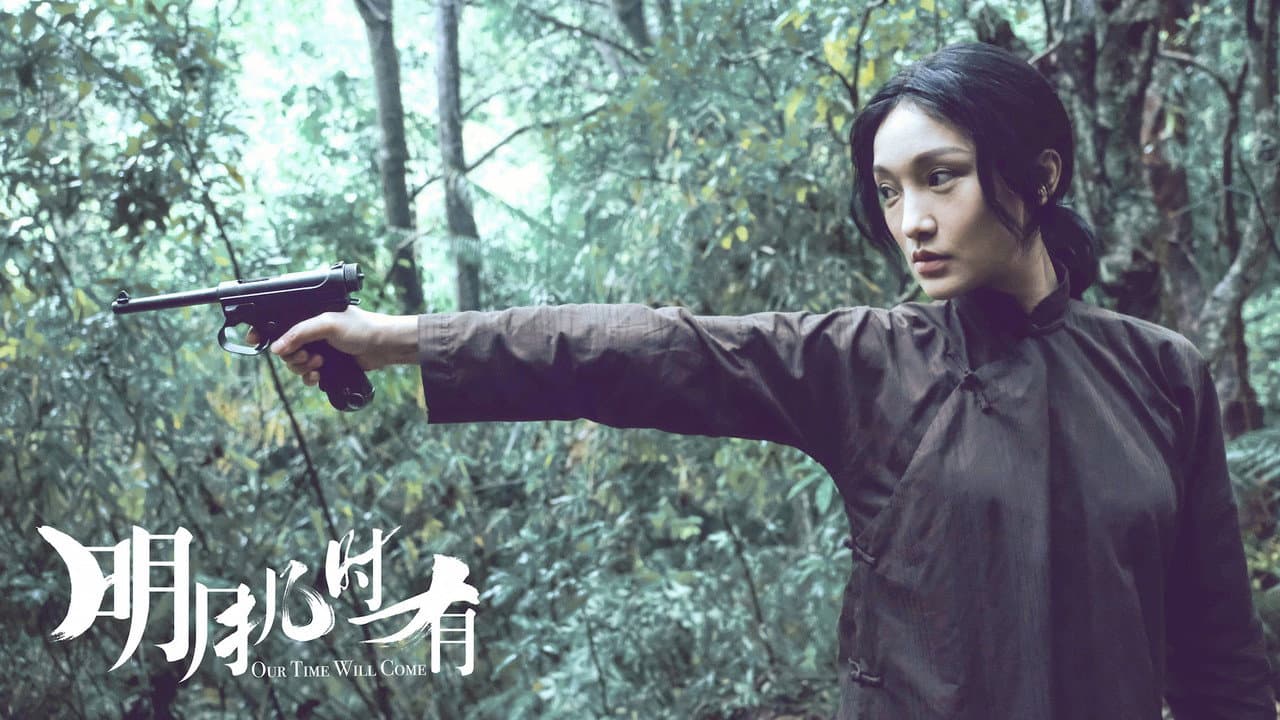
The film’s plot centers on Fang Lan, portrayed with restrained grace by Zhou Xun, a school teacher whose ordinary life is upended by the occupation. Alongside her is Liu Heizai, played by Eddie Peng Yu-Yan, a young man who initially seems more streetwise than politically committed. Their relationship, evolving from hesitant acquaintance to shared purpose, anchors the film. As they link up with resistance fighters, the narrative focuses less on the mechanics of warfare and more on the moral and emotional transformations they undergo. The decision to join the guerrillas is not a rousing call to arms but a slow, pragmatic shift driven by necessity and, ultimately, a desperate hope for something better.
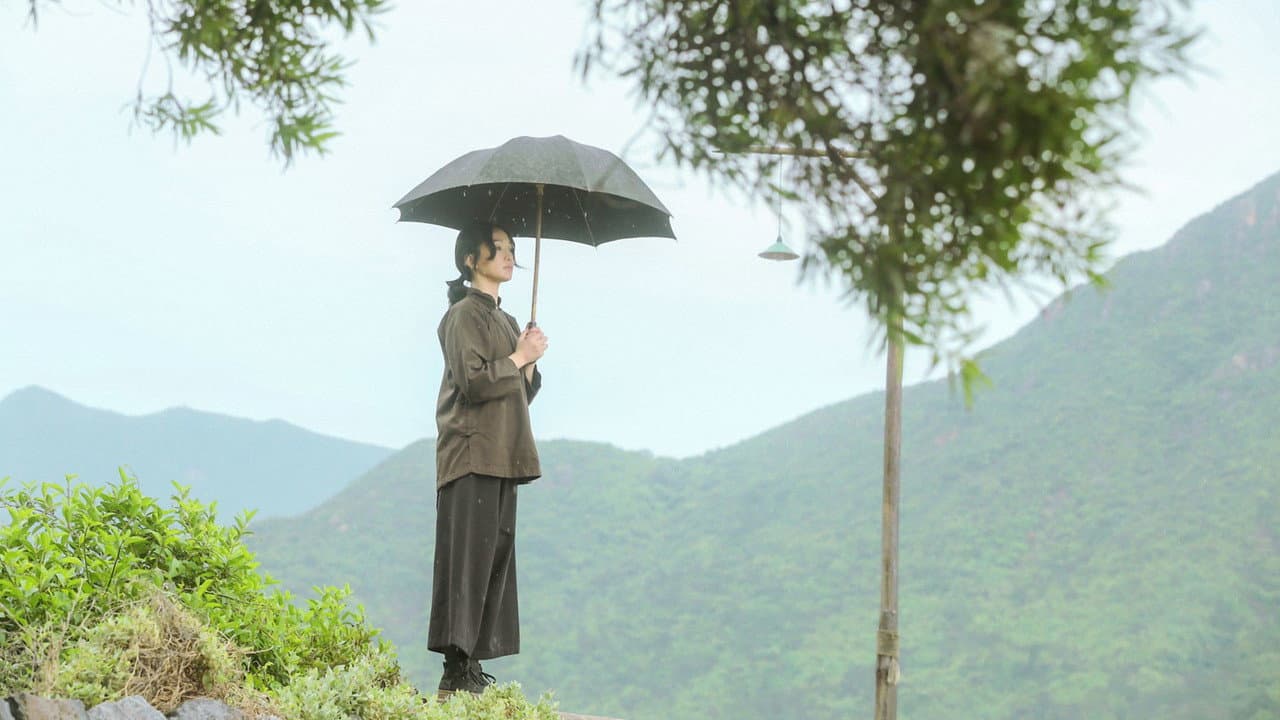
Director Ann Hui, known for her humanistic touch in films like A Simple Life, avoids melodrama here. Instead, she uses a deliberately measured pace to build tension and intimacy. The 130-minute runtime allows for the world to breathe, giving viewers time to understand the fear, the small daily compromises, and the unexpected kindnesses that emerge under occupation. The cinematography captures a Hong Kong that is both familiar and alien - its streets rendered grey and tense, with the ever-present threat of violence lurking just outside the frame. The historical setting is vividly realized, but it never overwhelms the personal stakes.
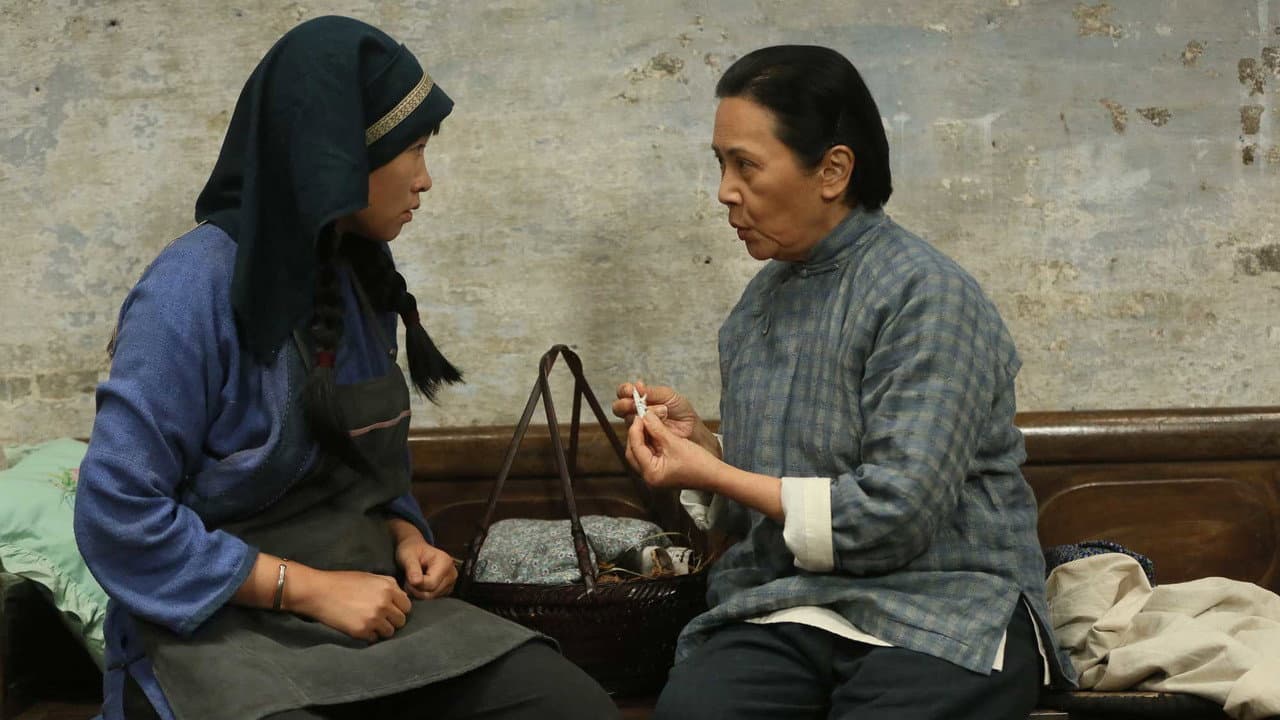
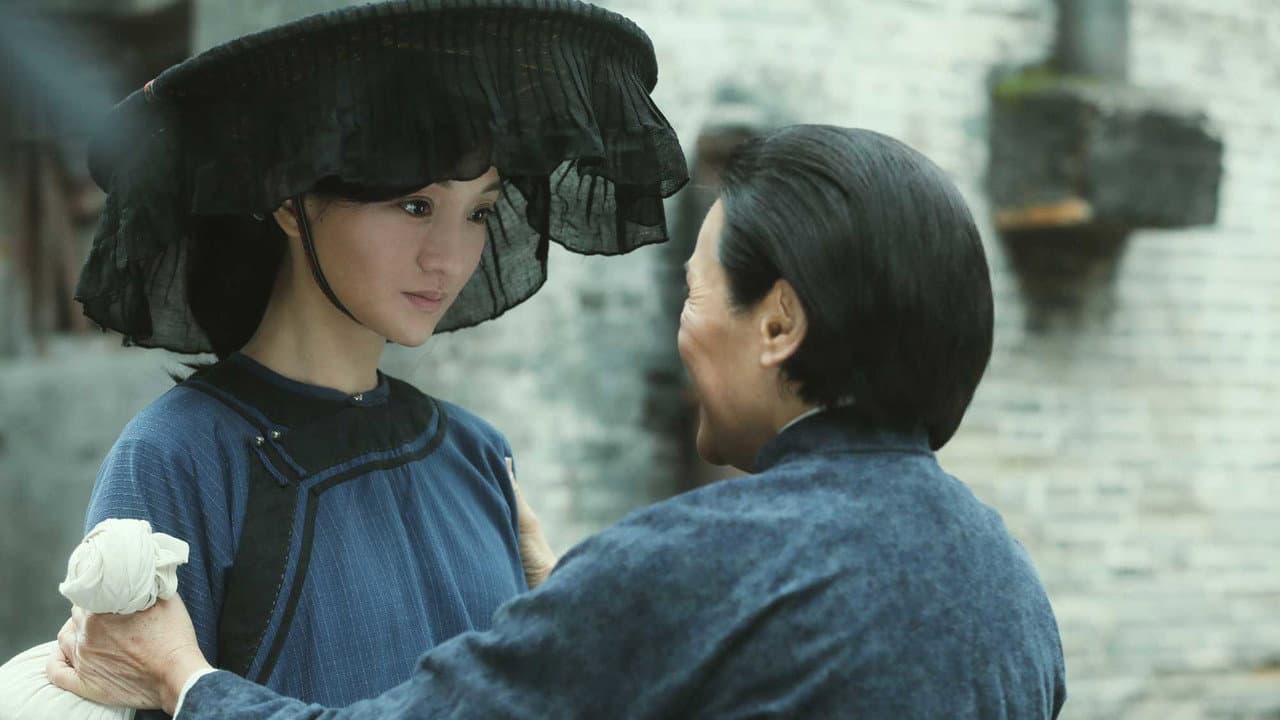
The supporting cast adds considerable depth to the narrative. Wallace Huo appears as Li Jinrong, also known as Wing, another key figure in their orbit, while veteran actress Deanie Ip delivers a poignant performance as Mrs. Fong, a woman whose resilience speaks to the enduring spirit of the local population. Tony Leung Ka-fai takes on the role of Ben, a guerrilla leader whose quiet authority gives the resistance effort a sense of grounded reality. The film also benefits from the presence of Masatoshi Nagase as Colonel Yamaguchi, a Japanese officer portrayed with unexpected complexity, avoiding a one-dimensional villainy. This nuance extends to the writing, which ensures that even the antagonists are acknowledged as human, making the tragedy of the conflict even more profound.
Based on verified film data, the movie’s overall tone has been met with a mixed but respectable critical reception, holding a TMDb rating of 6.027/10. This score reflects a work that is arguably more acclaimed for its craft and performances than for conventional crowd-pleasing appeal. Indeed, Our Time Will Come is a film that rewards patient viewers. It does not offer easy catharsis or a neatly resolved narrative. Instead, it presents a series of hard choices and their lingering consequences, leaving the audience with a sense of melancholy that lingers long after the credits roll.
The film’s release in 2017 came at a time when many international audiences were familiar with World War II narratives set in Europe, but stories from the Asian theater were less frequently told with such intimacy. Hui’s film serves as a vital historical corrective, offering a perspective that is often missing from mainstream war cinema. The Japanese occupation of Hong Kong is a chapter that carries deep scars, and the film approaches it with a respectful, unflinching gaze.
For viewers expecting a conventional action-war epic, Our Time Will Come may feel subdued. Guns are fired, and there are moments of genuine peril, but the film’s most intense sequences are often internal. The look in Zhou Xun’s eyes as she confronts a moral compromise, the silent resignation in Deanie Ip’s posture - these are the moments that generate the film’s emotional voltage. The relationship between Fang Lan and Liu Heizai is the beating heart of the story, and the actors’ chemistry feels natural and unforced, making their shared struggle all the more compelling.
In the end, Our Time Will Come stands as a testament to Ann Hui’s skill as a storyteller. It is a film about the cost of resistance and the price of freedom, but it is also a character study about two people finding their own definition of courage in a world that has lost its way. While it may not have been a box office juggernaut upon release, its quiet power and historical importance ensure it remains a significant work in the canon of Hong Kong cinema. For those seeking a thoughtful, emotionally rich drama that examines a lesser-known corner of global history, this film offers a profoundly rewarding experience.
Source: Variety