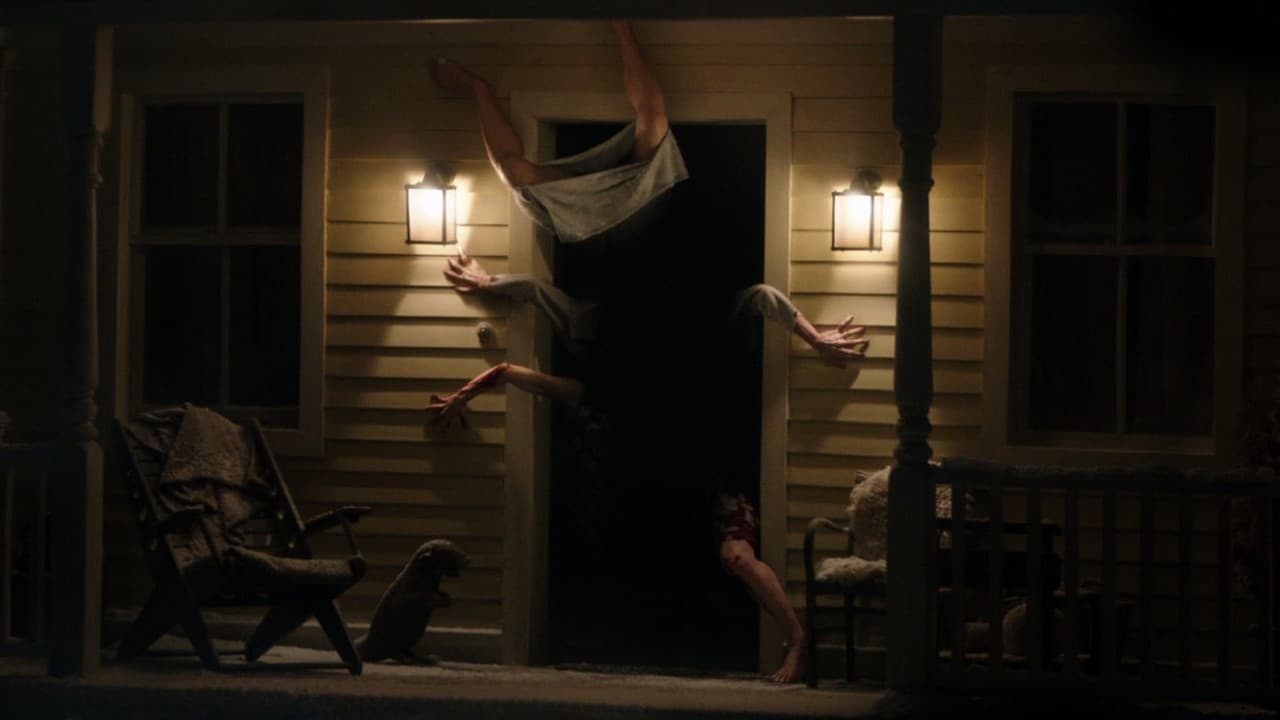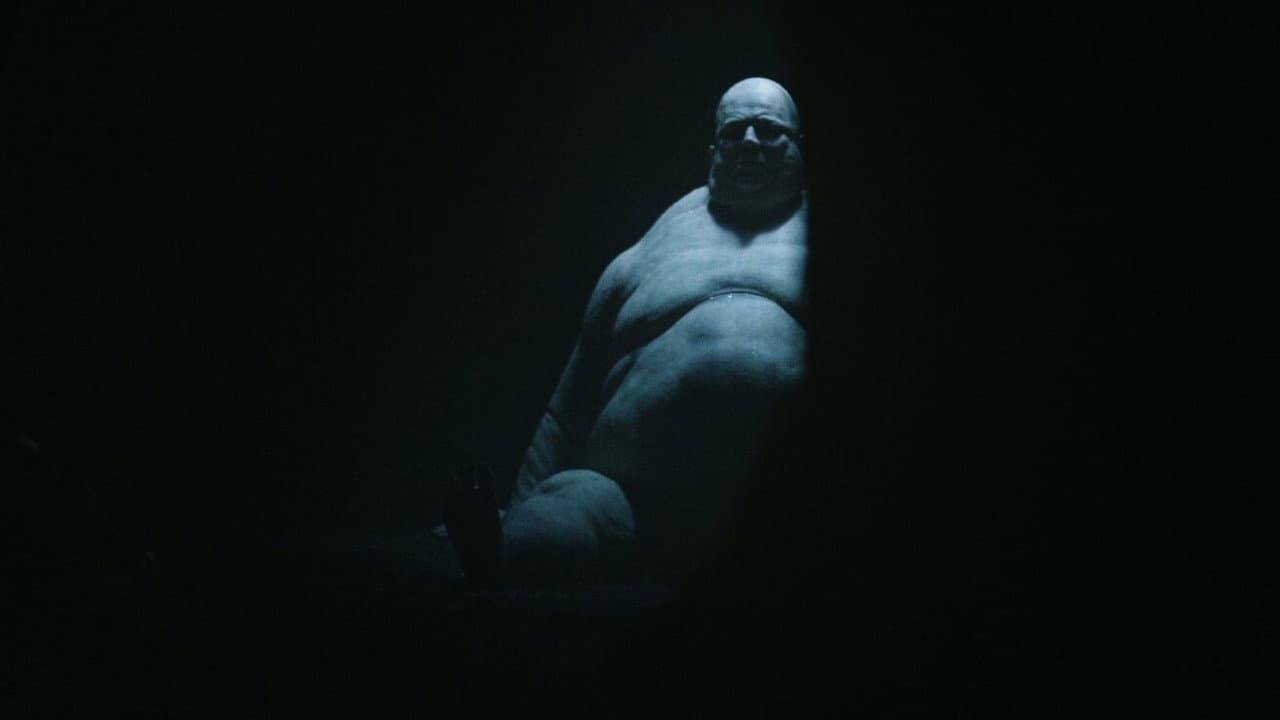
Zach Cregger's Resident Evil arrived in theaters on September 16, 2026, and the early critical consensus suggests the director has pulled off something the long-running franchise has rarely attempted: genuine, nerve-shredding horror. The film, which runs a tight 95 minutes, currently holds a 7.806/10 rating on TMDb, a strong showing for a genre entry in its opening week.
A Lean, Claustrophobic Reimagining
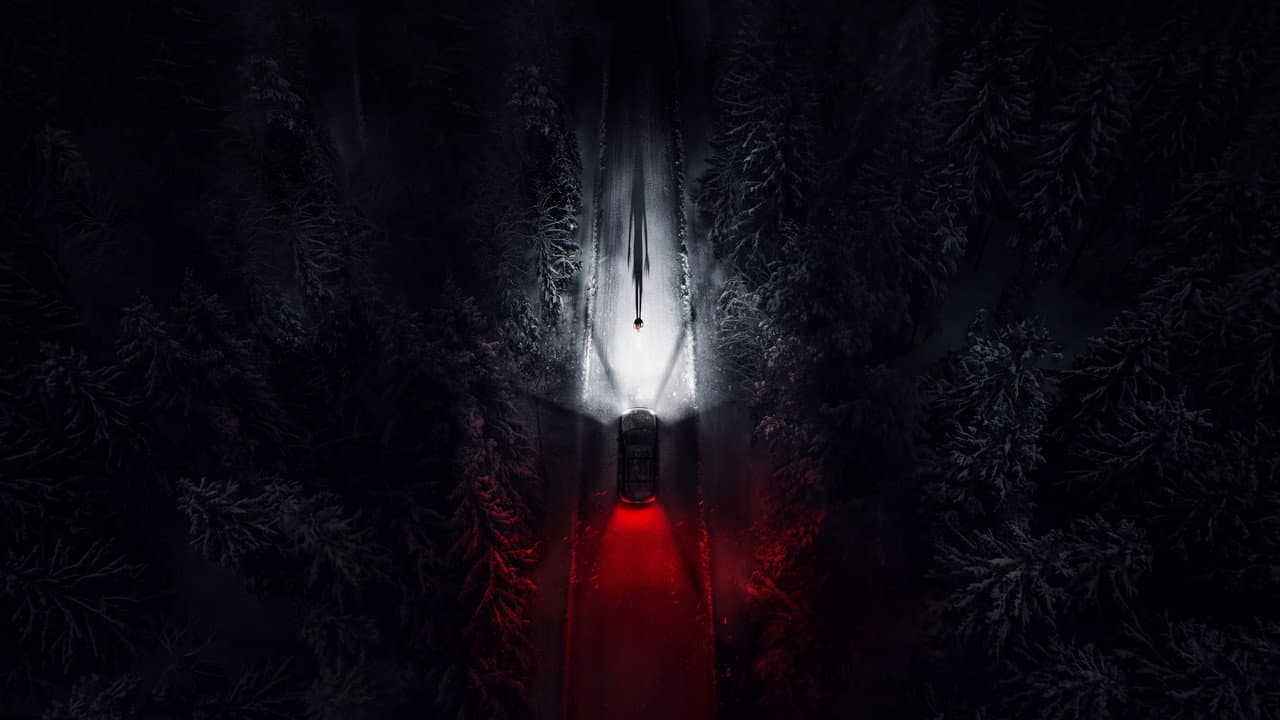
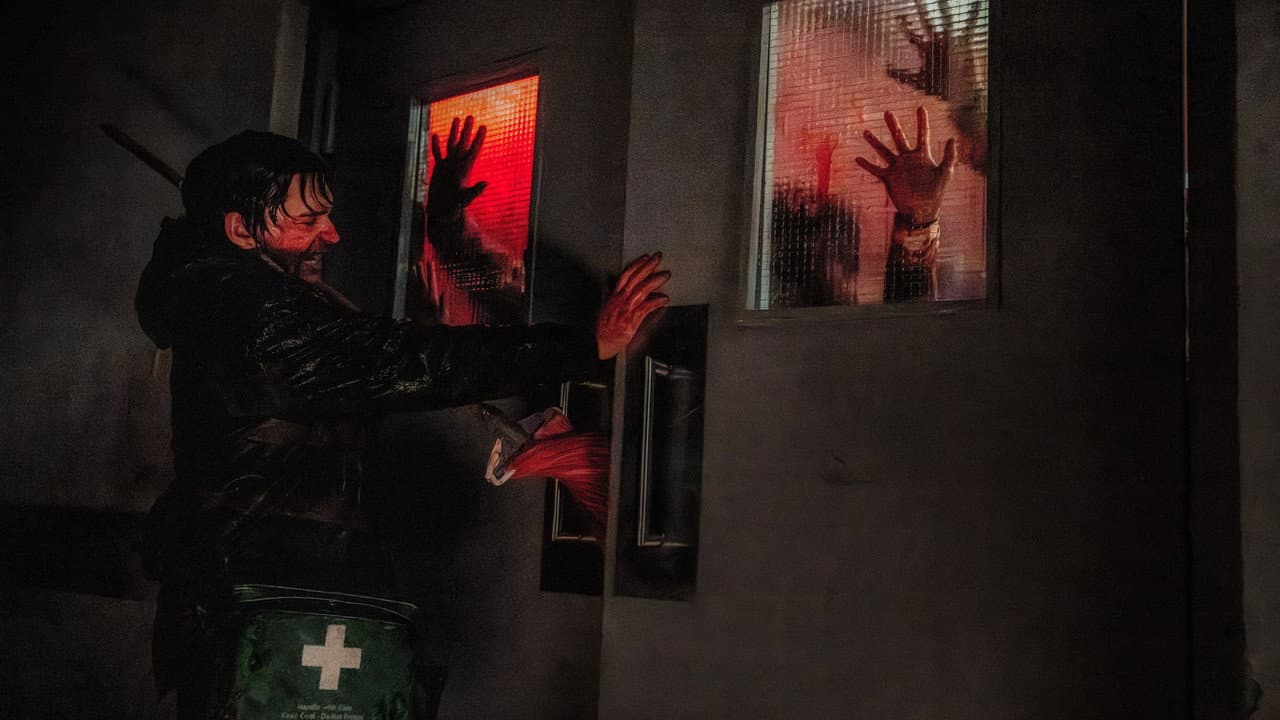
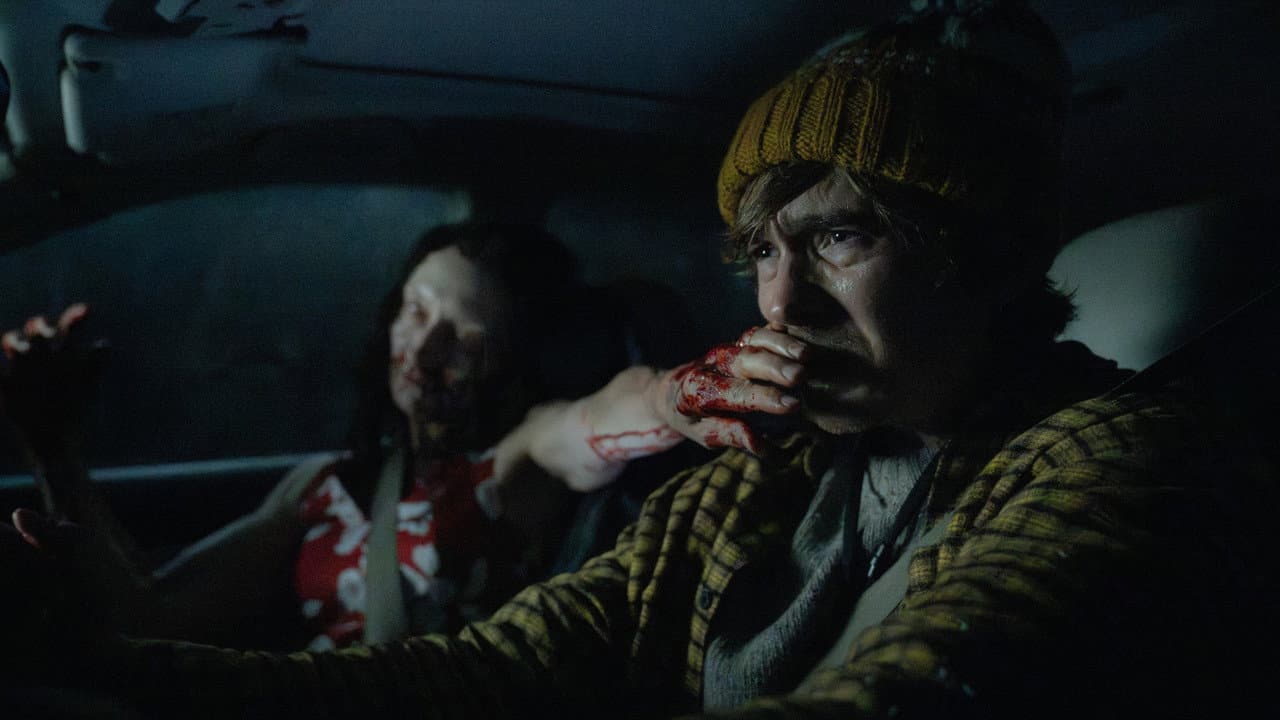
Cregger, who broke out with Barbarian and returns here as both director and a voice performer, has reportedly stripped the property down to a single night of escalating terror. The overview is deceptively simple: medical courier Bryan, played by Austin Abrams, finds himself fighting for survival as one horrifying night collapses around him in chaos. Critics have latched onto that premise, praising the film for refusing to sprawl. At 95 minutes, it's one of the shortest entries in the franchise's history, and reviewers seem to view that brevity as a feature rather than a limitation.
The emphasis on Bryan as an ordinary working man rather than a trained operative has been a recurring note in early reactions. Abrams, best known for his work in Euphoria and Wolfs, carries much of the film on his shoulders, and critics have highlighted his ability to sell mounting panic without tipping into melodrama. Cregger's decision to cast against type has been widely read as a signal that this Resident Evil intends to operate by different rules than the Milla Jovovich-led era that defined the series for two decades.
A Supporting Cast That Refuses to Blend In
The ensemble around Abrams has drawn its own share of attention. Kali Reis, fresh off True Detective: Night Country, appears as Pauline, and critics have singled out her screen presence as a grounding force. Paul Walter Hauser, as Carl, brings his trademark uneasy energy to a film that seems designed to exploit it. Zach Cherry, Johnno Wilson, and Shaun W. Loeser, the latter credited as Puker - a character name that has already generated its own darkly amused chatter online - round out a cast that reviewers describe as memorable even in small doses.
Cregger himself is credited with a voice role, a detail that has delighted fans of his previous work and suggests the filmmaker remains hands-on in ways beyond directing. Devon Deshaun Stewart also features in the supporting lineup.
Genre Blending and the Science Fiction Question
While the film is firmly positioned as horror, its listed genres also include science fiction and adventure, and reviewers have noted that Cregger doesn't shy away from the franchise's sci-fi underpinnings. The tension, according to early write-ups, comes less from explaining the biology of any outbreak and more from the disorientation of a protagonist who never signed up for any of it. That approach appears to have resonated with critics who had grown weary of franchise entries that prioritize lore dumps over sustained dread.
The adventure element shows up in the film's forward momentum - a night that keeps collapsing, as the official synopsis puts it, rather than settling into a single location. Reviewers have compared the pacing favorably to Cregger's earlier work, noting that he maintains a similar willingness to upend audience expectations mid-scene.
Where the Conversation Stands
Not every reaction has been uniform praise. Some critics have suggested that the film's lean runtime leaves certain supporting characters underdeveloped, and a few have questioned whether the Resident Evil name is doing much beyond lending brand recognition to what is essentially a Cregger original. That tension - between franchise obligation and auteur instinct - has become one of the more interesting threads in the critical discourse surrounding the release.
Still, the dominant takeaway from early reviews is that Resident Evil has been reclaimed as a horror property first and foremost. The 7.806/10 TMDb rating, while not a perfect measure, indicates that audiences and critics are largely aligned in their initial response. For a series that has cycled through multiple reboots and creative directions, that alignment is notable.
What Comes Next
With a September 16 release date and a brisk runtime, Resident Evil is positioned to generate steady word-of-mouth heading into the fall. Cregger's involvement will likely draw in viewers who might otherwise skip a franchise installment, while the cast - particularly Abrams and Reis - gives the film a fresh face for a property long associated with a single star. Whether this becomes a one-off experiment or the template for future entries remains an open question, but for now, critics seem content to agree on one point: this is a Resident Evil that actually wants to scare you.
Source: The Hollywood Reporter