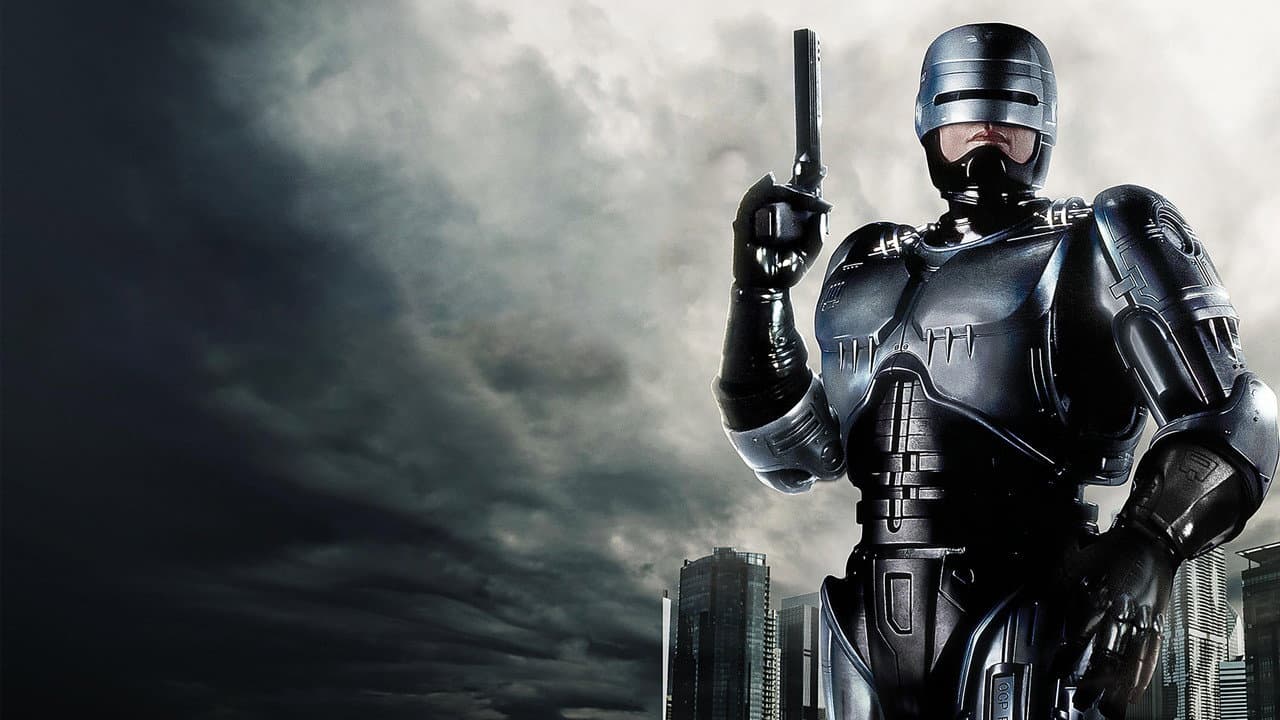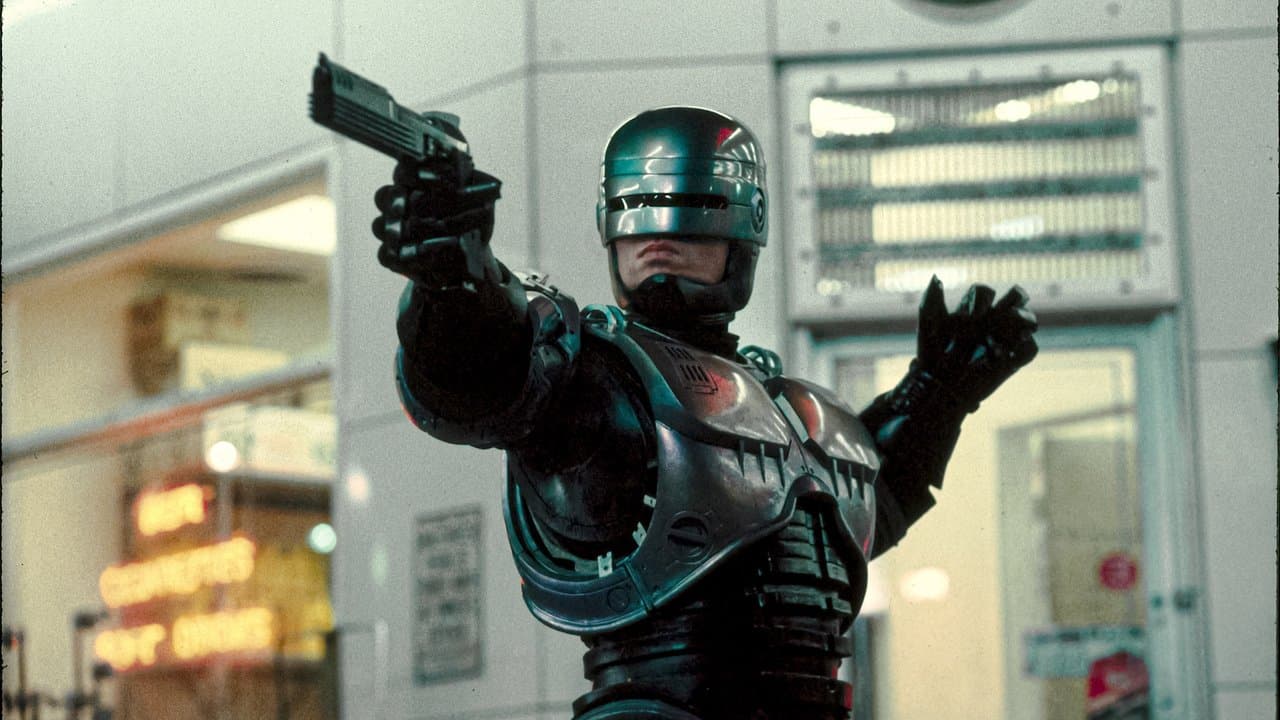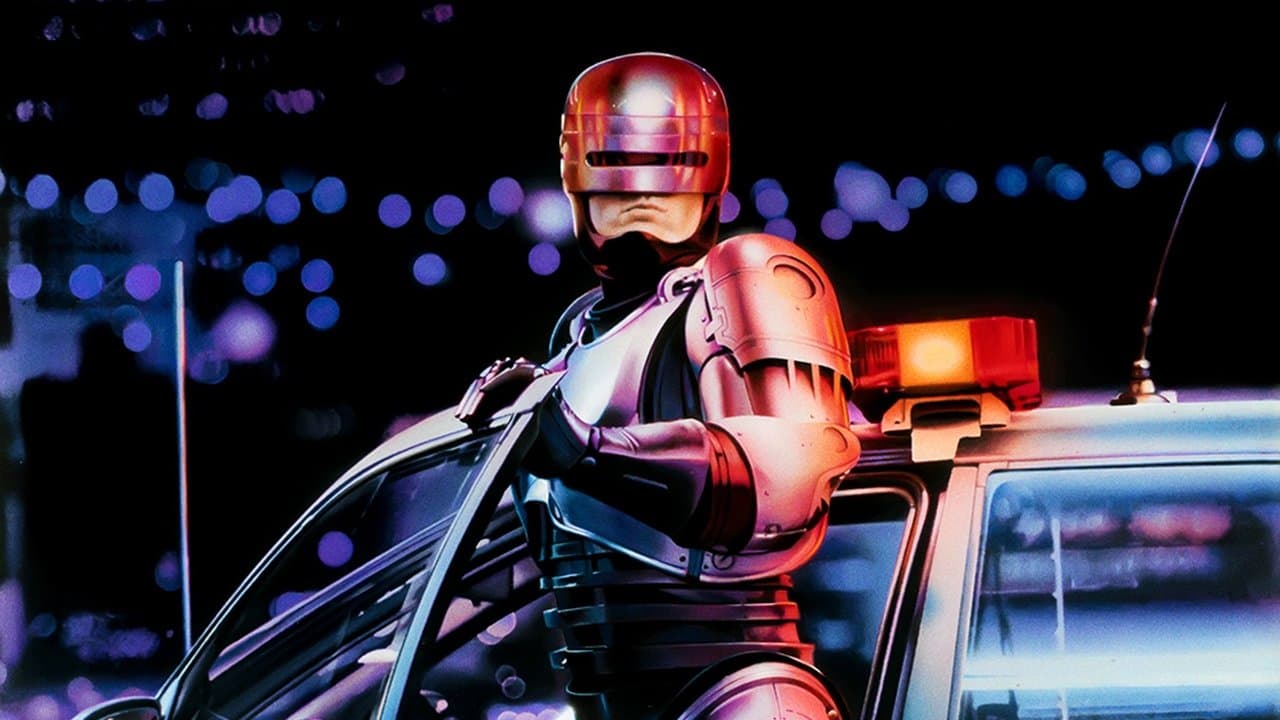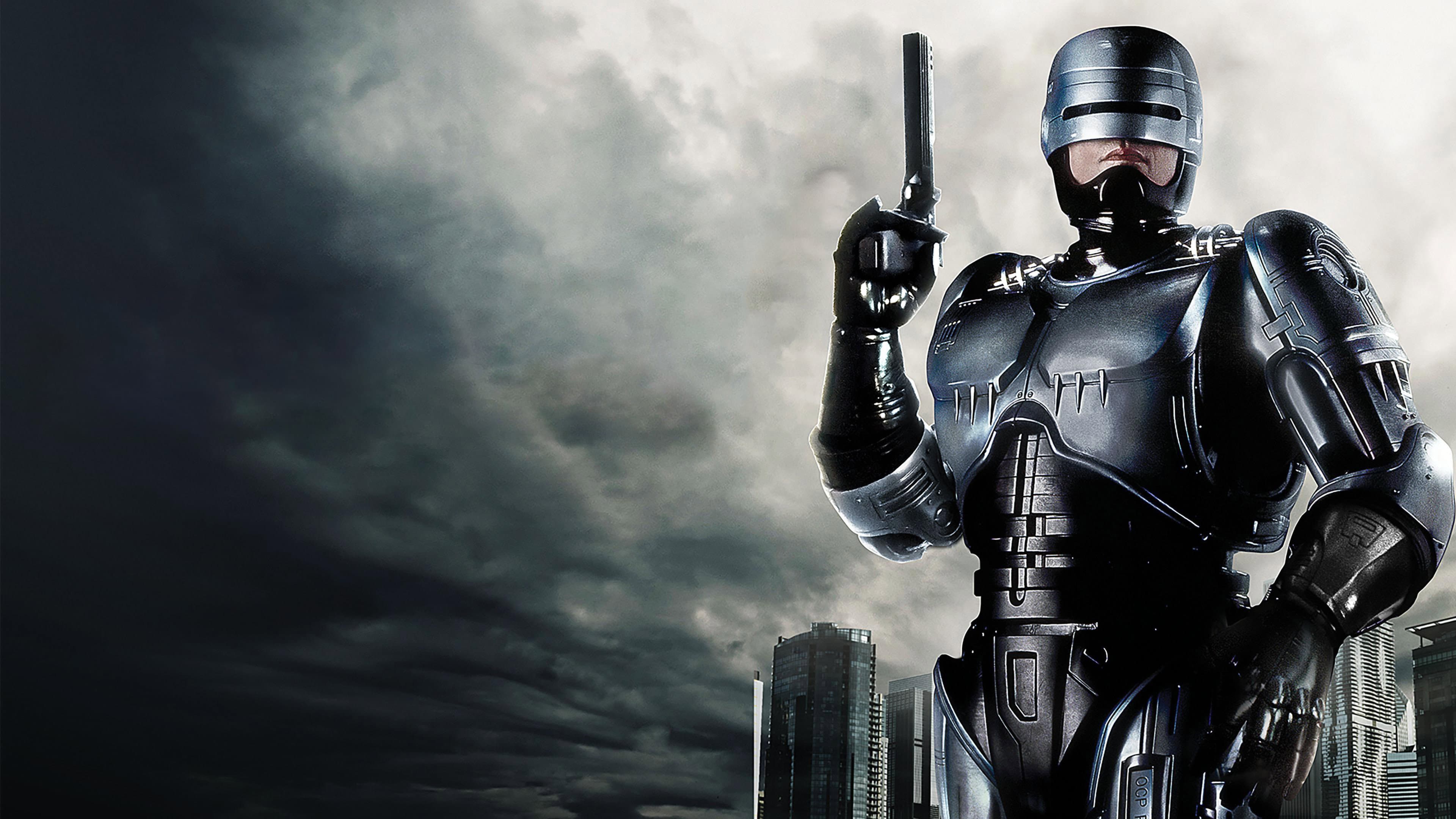
The original 1987 RoboCop remains a landmark of science fiction cinema, a film that balanced its visceral, over-the-top action with a razor-sharp critique of corporate greed and media sensationalism. As Prime Video develops a new television series based on the property, star Dan Stevens is signaling his hope that the upcoming show will not shy away from the brutal edge that made the original so iconic.
In a recent interview, Stevens - who is set to lead the new series - expressed a desire for the show to maintain the delicate balancing act crafted by director Paul Verhoeven. The actor emphasized that the success of the original film hinged on its ability to pair its graphic, unflinching violence with a satirical commentary on society and consumerism. "There is a certain alchemy to it," Stevens said, referring to the blend of extreme violence and satire that defined Verhoeven's work. He noted that removing either element would fundamentally change the story's impact, and he hopes the new production honors that legacy.
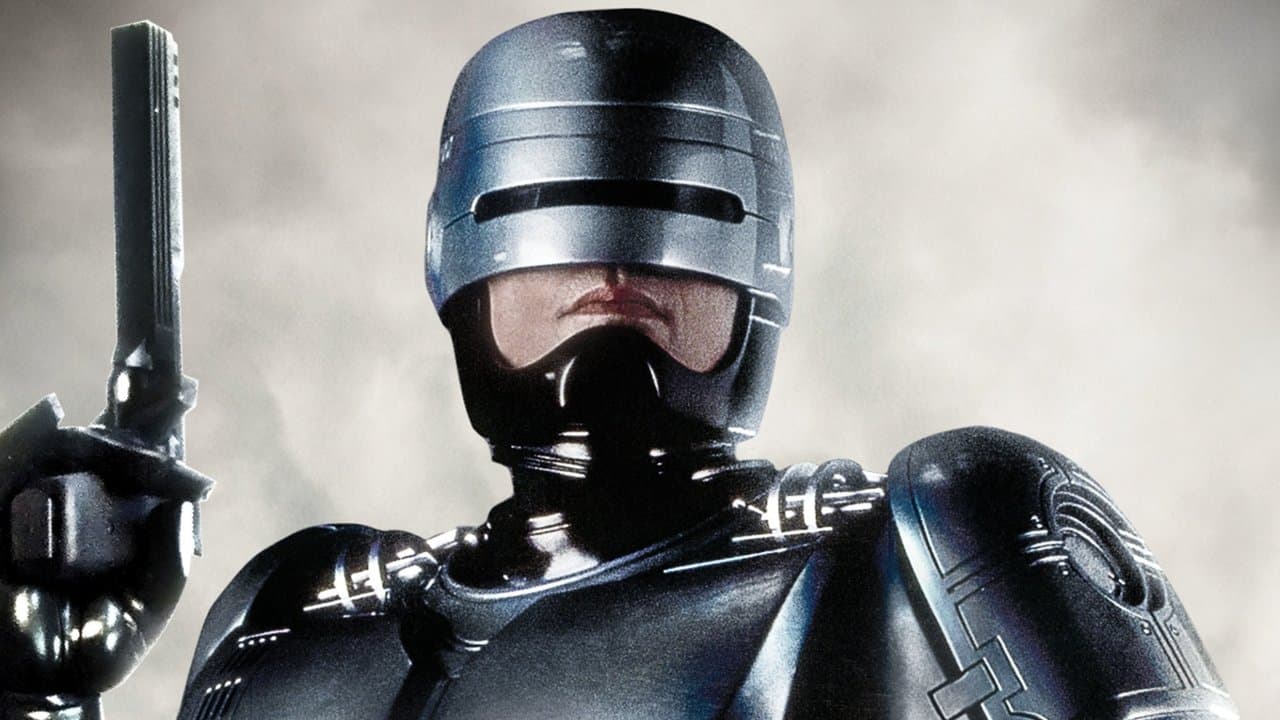
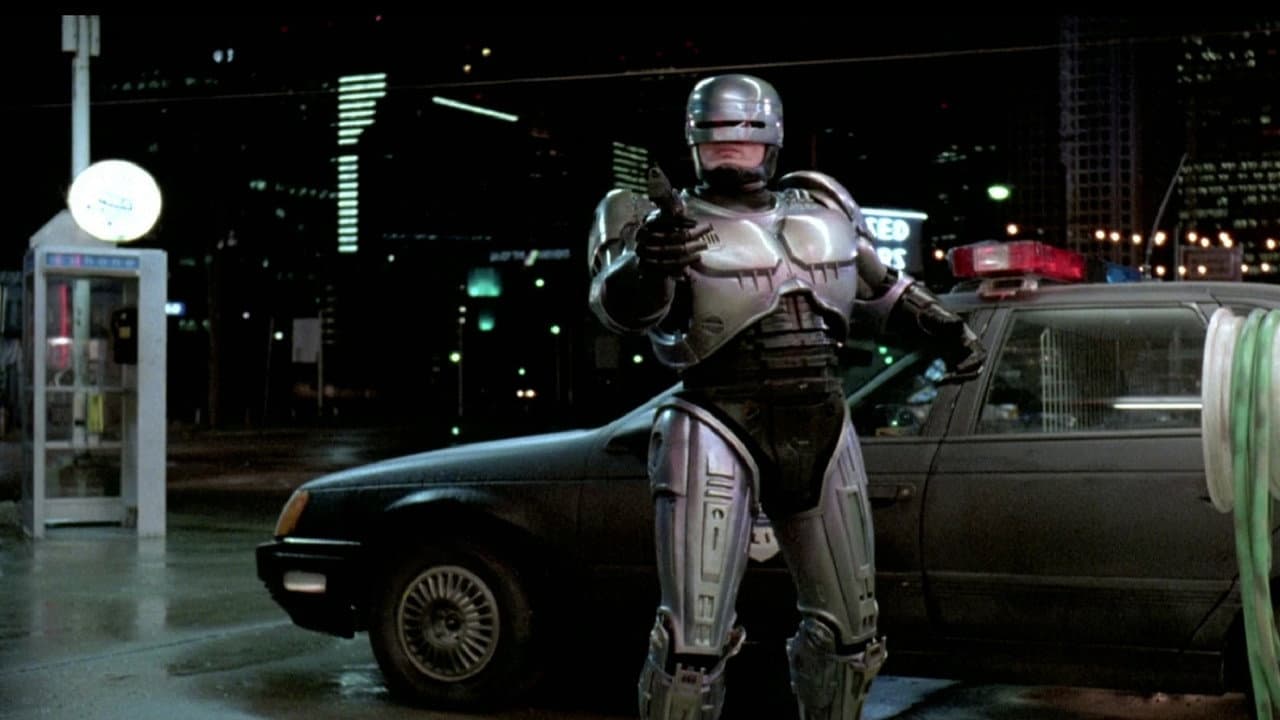
Stevens’s remarks offer the clearest signal yet about the creative direction of the Prime Video project, which has been in development for some time. The series is expected to expand upon the world established in the 1987 film, which depicted a near-apocalyptic Detroit where a privatized police force becomes the testing ground for a cybernetic enforcer. In that story, the Omni Consumer Products corporation leads street cop Alex Murphy into a fatal confrontation with a crime lord, using his body as the basis for their RoboCop prototype - only for the cyborg to turn on his corporate masters when he uncovers their nefarious plans.
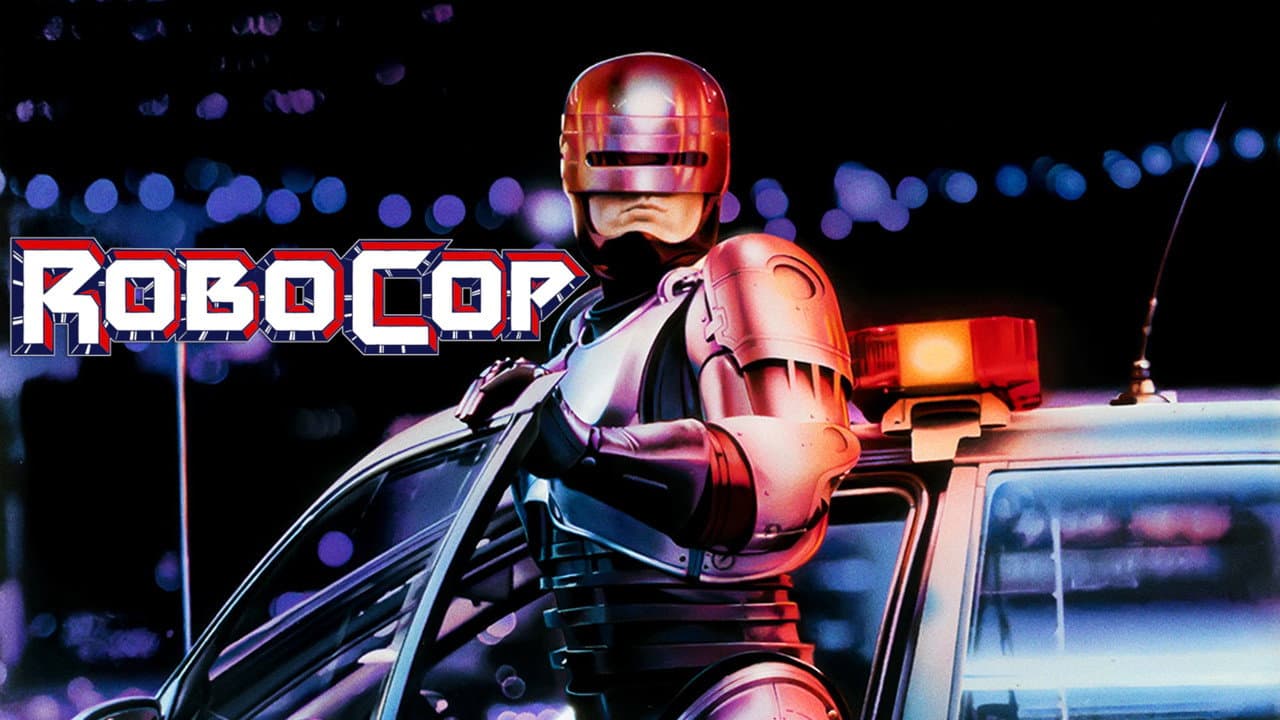
The original film, which debuted on July 17, 1987, became a touchstone for the genre, earning a strong critical reputation and a 7.365/10 rating on TMDb. Directed by Paul Verhoeven, the movie starred Peter Weller as Officer Alex J. Murphy, alongside a cast that included Nancy Allen as Officer Anne Lewis, Ronny Cox as the villainous Dick Jones, and Kurtwood Smith as the brutal Clarence Boddicker. With a runtime of 102 minutes, the production was celebrated for its gritty, unapologetic execution, a quality that fans have long worried might be softened in a modern adaptation.
Such concerns are not unfounded, as contemporary reimaginings of genre classics often temper the harsher aspects of their source material to appeal to broader audiences. For RoboCop, the violence was never gratuitous for its own sake; rather, it served as a visceral representation of the dehumanizing nature of corporate and institutional power. The satire, meanwhile, took aim at everything from advertising to police militarization, using exaggerated, almost cartoonish excess to make its points. Stevens’s public acknowledgment of these elements suggests he is aware of the tightrope the new series must walk.
The actor’s comments also hint at the tone he hopes to bring to his role. By explicitly referencing the "extreme violence" and the satirical edge, Stevens is reassuring longtime fans that the project will not be a sanitized version of the beloved film. While he stopped short of detailing specific storylines or plot points, his phrasing indicates a deep respect for the source material and a desire to preserve its thematic core.
For Prime Video, the RoboCop series represents a significant investment in a high-profile intellectual property. The streaming service has increasingly turned to established franchises to anchor its original programming, and this project is poised to continue that trend. Stevens, known for his versatile performances in projects ranging from The Guest to Legion, brings a certain intensity that could align well with the material’s darker tones. His casting was initially seen as a bold choice, but his latest comments suggest he is fully committed to upholding the film’s uncompromising vision.
The challenge, of course, lies in execution. Translating Verhoeven’s distinctive style - a blend of Dutch filmmaker’s absurdist sensibilities with hard-boiled American pulp - into a serialized format is no small task. A television series offers more room to develop characters and explore the political landscape of a privatized police force, but it also risks diluting the concise, relentless energy of the original 102-minute narrative. Stevens’s remarks indicate that the production team is at least cognizant of this hurdle, and that they are intentionally aiming to preserve the aspects that made RoboCop endure in the public consciousness.
Since its release, the 1987 film has been analyzed extensively as a piece of social commentary, its depiction of a decaying urban environment and its critique of privatization proving prescient. The story’s core conflict - between a man who was once human and the corporation that now owns him - remains fertile ground for exploration. If Stevens and the creative team can successfully maintain that blend of savage action and biting satire, the new series could stand as a worthy successor to a genre-defining classic. For now, fans can take Stevens’s words as a hopeful sign that the project is being approached with the seriousness and respect that the property deserves.
Source: Deadline