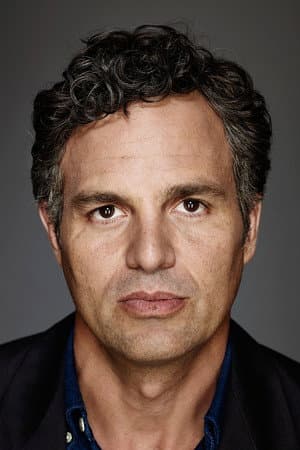
LOS ANGELES - Mark Ruffalo is known for playing characters who wrestle with moral complexity, whether that’s the tortured soul of Shutter Island or the Hulk’s endless internal war. But in a blistering new outburst, the actor has turned his attention to the corporate powers behind Hollywood, and he is not pulling any punches.
On Thursday, Ruffalo took to social media with a lengthy, scorched-earth critique of the proposed Paramount-Warner Bros. merger, singling out the Ellison family - the dynasty behind the deal - and accusing them of complicity in what he called “genocide” in Palestine. The comments instantly ignited a firestorm across the industry, pitting those who see the merger as a necessary survival move against those who view it as a moral capitulation.
“This is not just a business transaction,” Ruffalo wrote in a post that has since been shared thousands of times. “This is a decision to put blood money at the center of American storytelling. The Ellisons are not neutral players here. They are funding and profiting from a campaign of death and displacement, and now they want to own the very culture that is supposed to hold them accountable.”
The actor’s language was uncharacteristically harsh, even for a star who has never shied away from political activism. He called on filmmakers, writers, and actors to publicly oppose the merger, suggesting that silence would be tantamount to endorsement. “If you work in this town and you say nothing, you are part of the problem,” he added.
The merger in question - a sprawling consolidation that would unite two of the industry’s most storied studios - has been in the works for months, with the Ellison family’s media empire positioned as the driving force. Proponents argue the deal is essential to compete with streaming giants like Netflix and Apple, while critics warn it could lead to massive layoffs, reduced creative diversity, and a homogenization of film and television.
Ruffalo’s comments, however, shift the debate sharply away from economics and toward ethics. He referenced the ongoing conflict in Gaza, citing civilian casualties and humanitarian crises, and argued that the Ellison family’s financial interests in the region make them unfit stewards of a major entertainment conglomerate. He did not provide specific evidence linking the family’s investments to military operations, but he insisted that “where the money flows, the responsibility follows.”
The Ellison family has not yet issued a direct response to Ruffalo’s remarks. A spokesperson for Paramount-Warner Bros. declined to comment on the actor’s statements, instead reiterating the merger’s potential benefits for “audiences, employees, and the future of storytelling.” That corporate deflection did little to cool the discourse.
Within hours, a wide range of industry figures weighed in. Some praised Ruffalo for using his platform to address what they see as an urgent moral issue. Others accused him of politicizing a complex business deal and oversimplifying a conflict with deep historical roots. Several anonymous studio executives reportedly expressed frustration, noting that Ruffalo’s words could complicate negotiations already fraught with regulatory hurdles.
“Mark is a brilliant actor and a passionate advocate, but this is a dangerous oversimplification,” one producer told a trade outlet, speaking on condition of anonymity. “Mergers are about survival, not just ideology. You can’t reduce everything to a single cause, no matter how heartfelt.”
Ruffalo, for his part, appears undeterred. In a follow-up post, he doubled down, writing that “the entertainment industry has a choice: be a force for illumination or a tool for erasure.” He also encouraged his followers to research the Ellison family’s holdings and to pressure other celebrities to take a stand.
This is not the first time Ruffalo has waded into contentious territory. The actor has long been vocal on environmental issues, corporate greed, and international human rights. But the ferocity of this latest attack - aimed not at a political opponent but at a family with deep Hollywood ties - marks a notable escalation. It also raises questions about how far stars can or should go in shaping corporate policy, especially when their own livelihoods depend on the industry they are criticizing.
The Paramount-Warner Bros. merger still faces review from federal regulators, and no final vote has been scheduled. But Ruffalo’s intervention has added a volatile new variable to an already uncertain process. Whether it changes any minds in boardrooms, it has certainly changed the conversation.
For now, the industry is watching - some with admiration, others with alarm - as one of its most visible stars goes to war not against a villain on screen, but against the people who finance the show.
Source: Variety