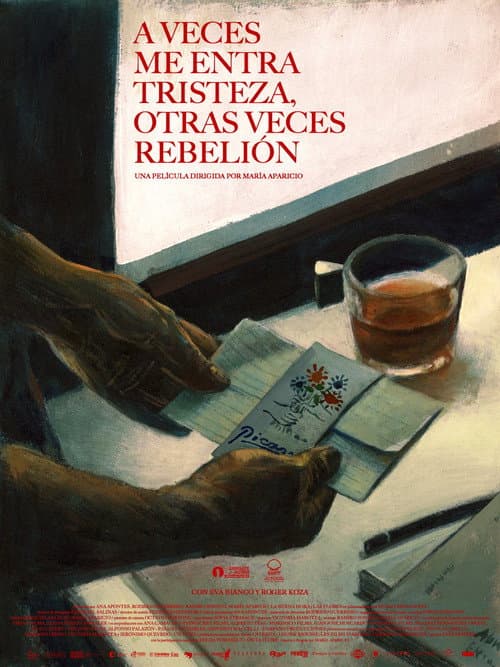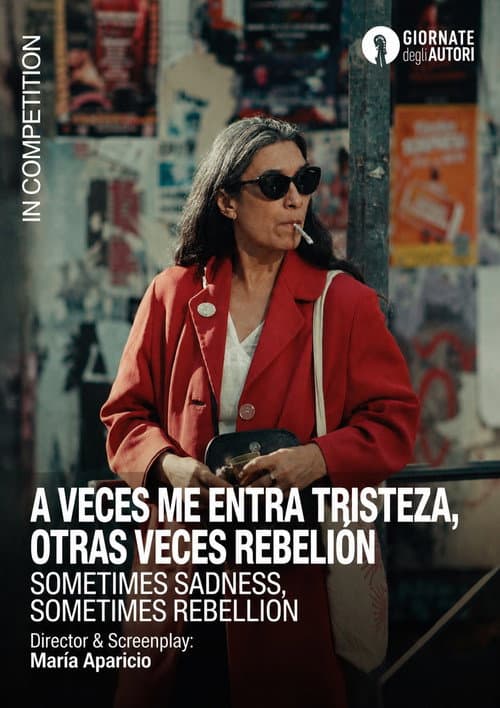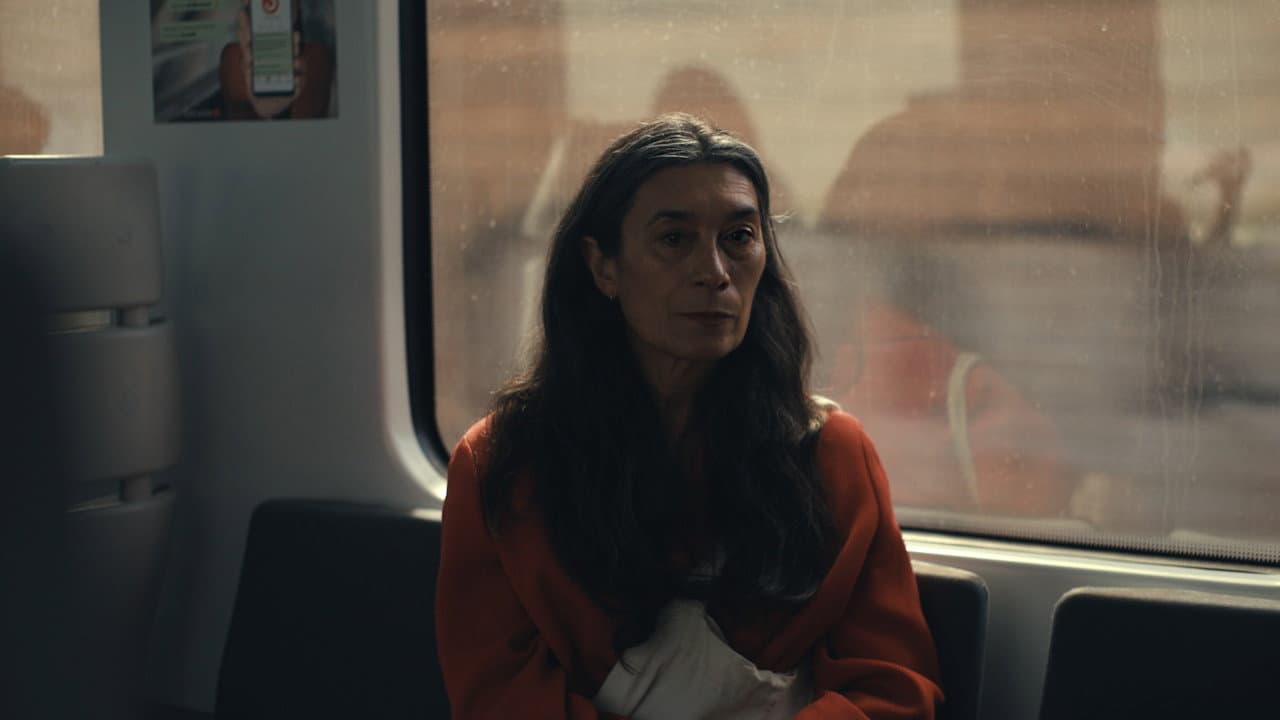
Argentine director María Aparicio has picked up the GdA Director's Award at Venice Days for her sophomore feature, "Sometimes Sadness, Sometimes Rebellion," the independent sidebar of the Venice Film Festival confirmed. The prize, handed out by the Giornate degli Autori section, adds another festival laurel to a drama that has quietly become one of the most talked-about titles on the Lido this year.
The film, which runs 96 minutes, had its release on September 7, 2026, just days before the award was announced. It is performed entirely in Spanish and was produced within the Hollywood industry pipeline, a detail that may surprise viewers who associate Aparicio's spare, observational style with European art cinema. The director's previous work established her as a patient chronicler of solitary lives, and this latest effort extends that preoccupation into new emotional territory.
A Story of Drift and Accidental Encounter
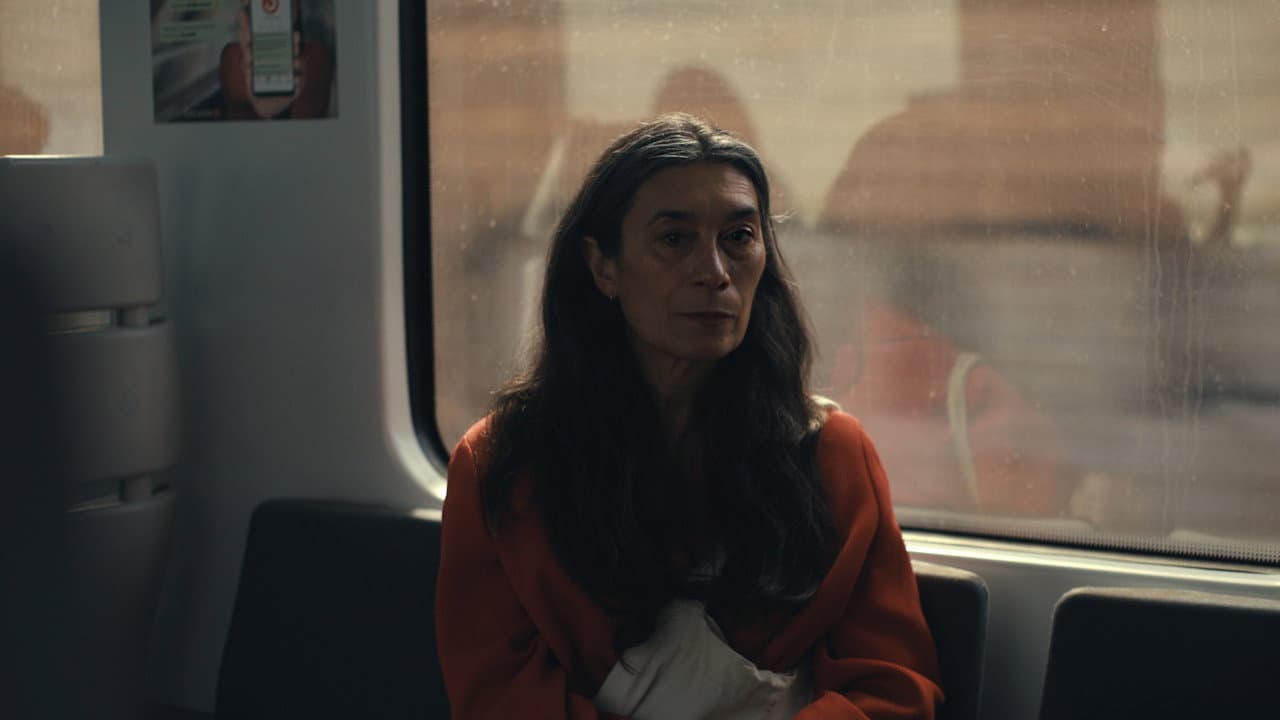
"Sometimes Sadness, Sometimes Rebellion" follows Eva, played by Eva Bianco, a woman who is only passing through Madrid. She spends her days in the city alone, unfamiliar with her surroundings and largely uninterested in changing that fact. She doesn't know anyone there, and she isn't especially keen to meet new people. Madrid functions less as a destination than as a backdrop for aimless wandering, with Eva's curiosity dampened by something the film leaves deliberately vague.
That changes one afternoon at the Reina Sofía Museum. A man approaches her. His name is Dante, and he is an Argentine historian in Madrid to research labor struggles back home as well as the career of Juan Bialet Massé, a figure whose work on working conditions in Argentina made him a significant, if contested, figure in the country's social history. Dante is played by Roger Koza.
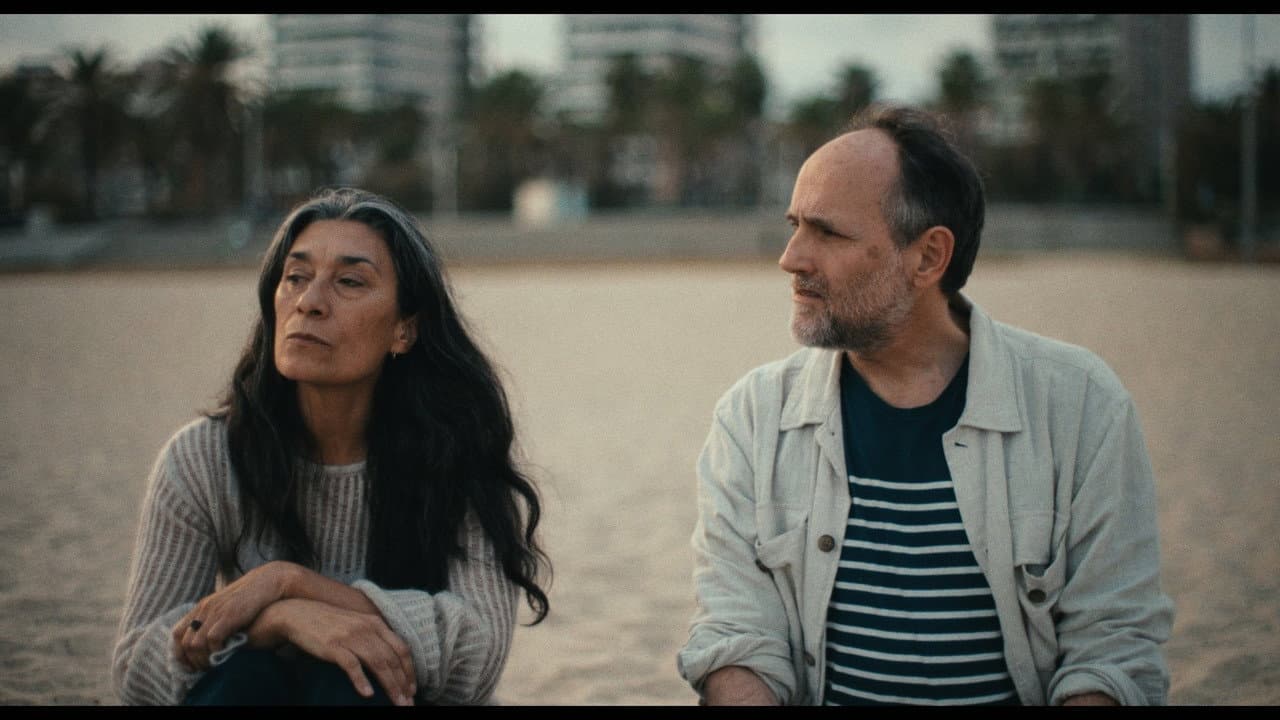
The setup places two Argentines in a Spanish city, bound by a shared nationality but divided by temperament and intent. Eva is in transit. Dante is on a research mission. What begins as a museum encounter between strangers carries the film into the dual genres of drama and romance, though Aparicio's approach is reportedly more restrained than that combination might suggest.
A Festival Path Built on Restraint
The GdA Director's Award is decided by a jury of filmmakers and critics and is one of the principal honors available to features screening in the Venice Days lineup. It is distinct from the sidebar's audience award and from the main Venice competition prizes, and it tends to recognize directors whose work shows a strong authorial signature. For Aparicio, the win places her alongside a growing group of Latin American filmmakers who have used Venice's independent sections as a launching pad toward wider international distribution.
The award also gives "Sometimes Sadness, Sometimes Rebellion" a clearer commercial identity heading into the fall festival season. A 96-minute Spanish-language drama with two leads and no large-scale action is not an easy sell, but festival prizes of this kind routinely translate into art-house bookings and streaming acquisitions. The film's release date of September 7, 2026, means it was already in theaters, at least in some markets, before the award was handed down, so the prize functions less as a pre-release boost and more as a validation of an existing rollout.
Two Performers at the Center
Bianco carries the film as Eva, a role that requires long stretches of silence and physical presence rather than dialogue. The character's isolation in Madrid is the engine of the story, and early festival reaction has focused on how much of the film's tension comes from Bianco's ability to suggest interiority without exposition. Koza, better known in film circles as a critic and programmer than as an actor, appears opposite her as Dante. Casting a critic in a leading role is an unusual choice, and it lends the museum encounter a layer of self-awareness that Aparicio may or may not intend.
The two-hander structure means the film rises or falls on the chemistry between its leads, and the genre tags of drama and romance suggest that Dante's approach at the Reina Sofía is the hinge on which the narrative turns. What Dante wants from Eva, and what she is willing to give, appears to be the central question.
What Comes Next
Venice Days has historically favored first- and second-time directors working outside established studio channels, and Aparicio fits that profile. Her win arrives at a moment when Spanish-language cinema is enjoying renewed attention on the festival circuit, though "Sometimes Sadness, Sometimes Rebellion" is a Hollywood-industry production rather than a Spanish or Argentine one, a distinction that matters for how it will be positioned with buyers.
The film currently holds a 0/10 rating on TMDb, a figure that reflects an absence of user votes rather than negative reception, and it will likely shift as the title reaches broader audiences following the Venice award. For now, the GdA Director's Award gives Aparicio her most visible platform to date and positions "Sometimes Sadness, Sometimes Rebellion" as one of the fall's more closely watched Spanish-language releases.
Source: The Hollywood Reporter