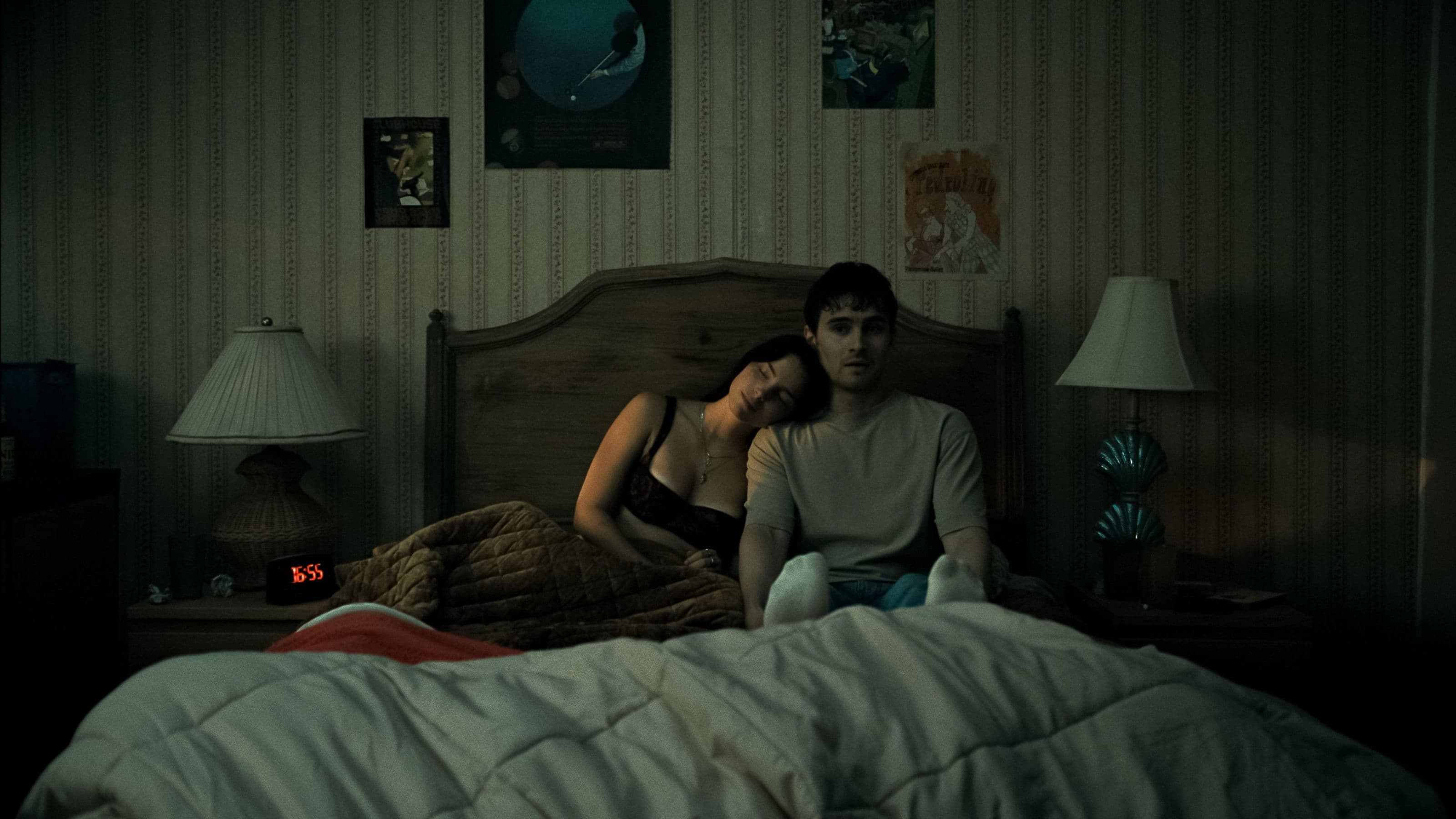
A senior executive at Sony Pictures Classics is drawing a direct line between two recent genre-bending releases and the tectonic shift that reshaped American cinema more than half a century ago. The co-president of the specialty label said the theatrical performances of Obsession and Backrooms suggest audiences are once again hungry for films that sit outside the traditional studio playbook, echoing the jolt Easy Rider delivered to Hollywood at the turn of the 1970s.
Speaking during a wide-ranging conversation about the state of specialty film, the executive argued that the two titles have become reference points for a changing marketplace. "What we're seeing with Obsession and Backrooms feels like the kind of moment that Easy Rider represented in its era," the co-chief said. "It's not simply that these are successful movies. It's that they signal a shift in what audiences are willing to show up for, and that shift tends to ripple through the whole industry."
Two Films, One Signal
Obsession and Backrooms arrive from very different corners of the film landscape. Backrooms draws on the sprawling internet-born mythology that has circulated online for years, while Obsession trades in a more intimate, character-driven register. What unites them, according to the Sony Pictures Classics co-chief, is a willingness to operate on their own terms rather than chase pre-sold intellectual property or franchise formulas.
That independence, the executive said, is precisely what made Easy Rider such a disruptive force. Dennis Hopper's 1969 road movie, made for a modest sum and powered by a countercultural sensibility, proved to studios that younger audiences would embrace stories that felt raw and untethered from the old studio system. Its commercial success helped open the door to a wave of auteur-driven filmmaking that dominated the following decade.
The co-chief stopped short of predicting a full repeat of that history, but suggested the parallels are difficult to ignore. "Every generation gets its own version of this," the executive said. "The tools change, the platforms change, but the underlying appetite is the same. People want to feel like they're discovering something rather than being sold something they've already seen."
Specialty Labels as Incubators
For Sony Pictures Classics, the comparison carries a particular weight. The label has spent decades championing director-driven work, foreign-language cinema, and documentaries that might otherwise struggle for wide exposure. If Obsession and Backrooms genuinely represent the leading edge of a new wave, specialty distributors stand to play an outsized role in shaping which voices break through.
The co-chief noted that the current environment rewards agility. Smaller labels can move quickly on projects that larger studios might view as too risky, and they can build campaigns around critical response and word of mouth rather than blanket marketing spend. "That's always been our lane," the executive said. "The difference now is that the audience seems to be actively looking for what's in that lane, not just stumbling onto it."
Distribution executives have long debated whether the theatrical business is contracting or simply reorganizing. The Sony Pictures Classics co-chief leaned toward the latter view, describing the recent crop of boundary-pushing titles as evidence that the market is re-sorting itself around distinct audience segments rather than collapsing outright.
A Familiar Argument, Renewed
Film historians often point to the late 1960s and early 1970s as a period when the studio system lost its grip on public taste and a younger, film-literate audience pushed executives toward riskier material. Easy Rider is frequently cited as the flashpoint, though it was one of several films that collectively signaled the change.
Whether Obsession and Backrooms will occupy a similar place in the retrospective accounts written decades from now is, of course, impossible to know. The Sony Pictures Classics co-chief acknowledged as much, but said the comparison is useful precisely because it reframes the conversation. Instead of asking whether individual films are hits or misses, the executive suggested, the industry should ask what those films reveal about where audience attention is heading next.
"What matters isn't whether any single movie is the new Easy Rider," the co-chief said. "What matters is whether the business is paying attention to the signal. I think with these two films, the signal is getting louder."
For now, the executive's remarks add another voice to a long-running industry debate about the future of theatrical film and the kinds of stories that can still draw crowds. If the comparison holds, the next few years could bring a fresh wave of unconventional projects - and specialty labels positioned to champion them.
Source: Variety