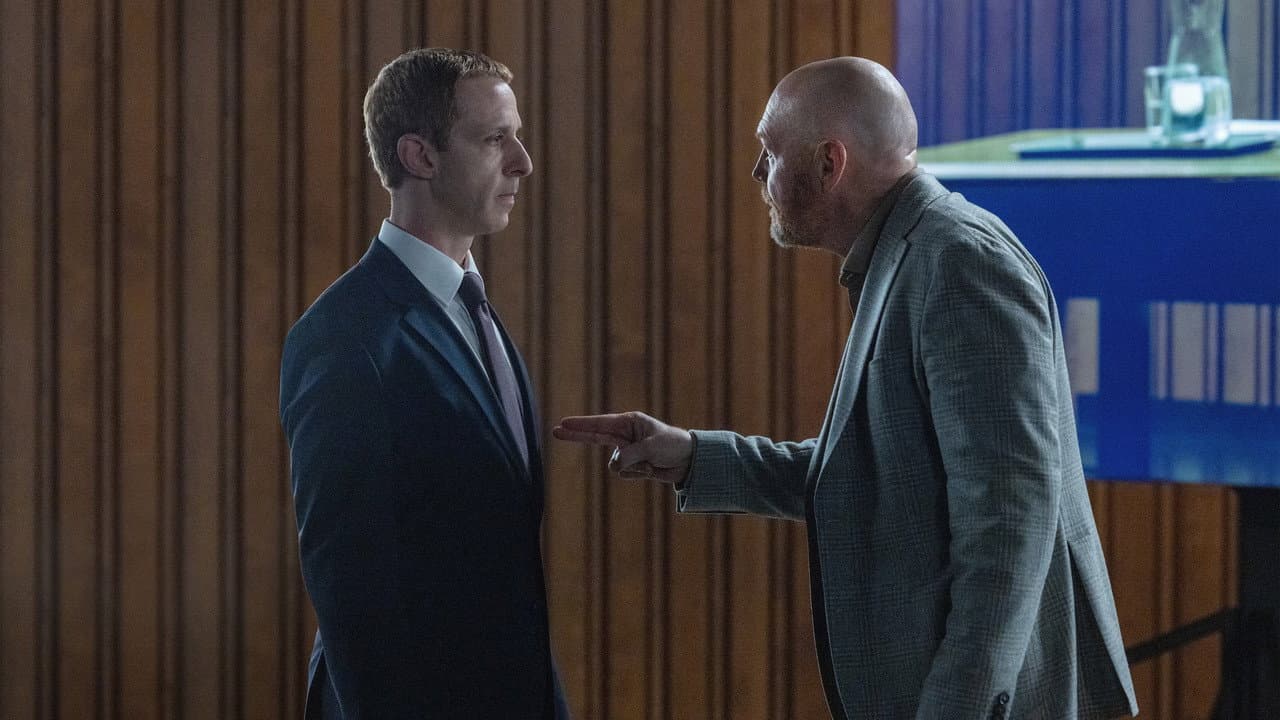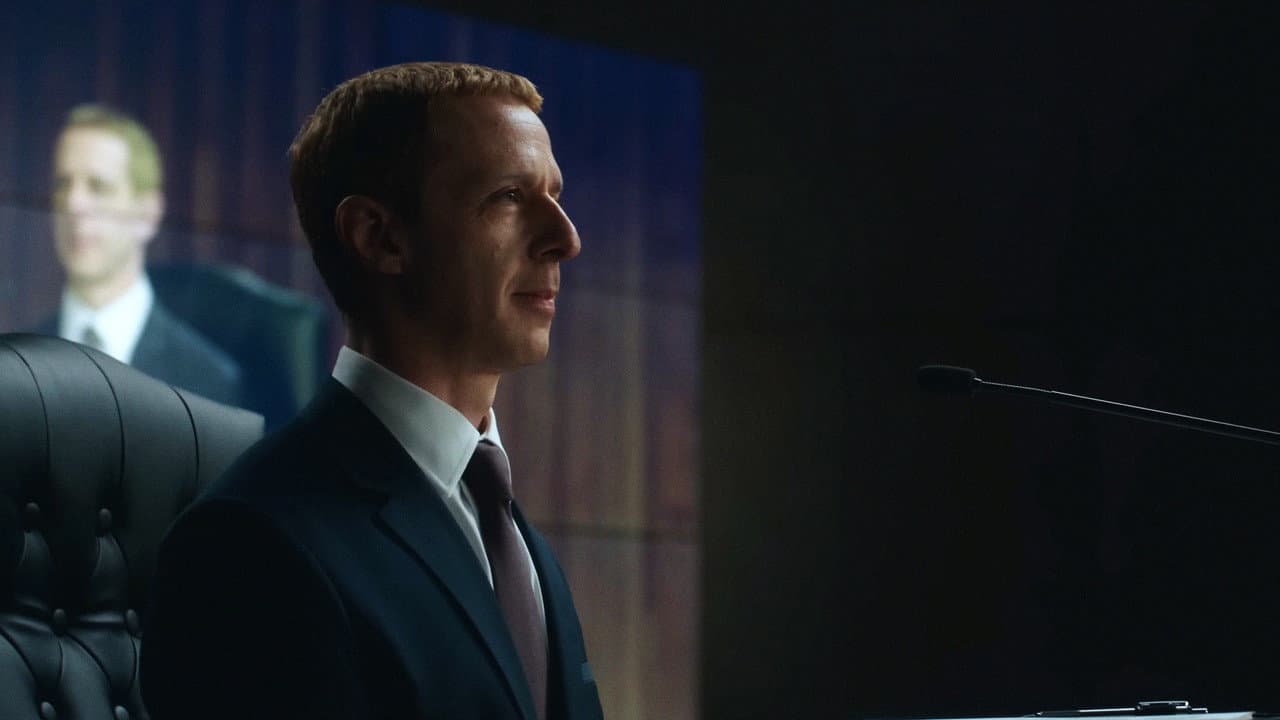
Aaron Sorkin has offered a blunt assessment of how Jeremy Strong approached his co-stars on the set of Social Reckoning, comparing the actor's on-set demeanor to the mindset of the man he plays. Strong portrays Meta chief executive Mark Zuckerberg in the forthcoming drama about Facebook whistleblower Frances Haugen, and according to his director, he carried a certain executive detachment into his scenes with the rest of the ensemble.
Sorkin's remarks, which circulated widely on Sunday, framed Strong's behavior as a deliberate extension of the character rather than simple method acting. The director said the actor dealt with his fellow cast members the way he imagines Zuckerberg deals with people - a description that lands with particular weight given the film's subject matter.
A Character Study of Power, Not Popularity
The observation fits the architecture of Social Reckoning, which traces how a young Facebook engineer teamed with a Wall Street Journal reporter to expose the social network's most closely guarded secrets. Zuckerberg, in that telling, is less a villain than an executive insulated by layers of privilege and data. Strong is known for immersive, often intense preparation, and Sorkin's characterization suggests the actor treated the space between takes as part of the performance.
That approach can be isolating for a supporting cast, particularly one as crowded as this. Mikey Madison plays Haugen, the engineer whose disclosures set the story in motion. Jeremy Allen White appears as Jeff Horwitz, the journalist who helps her navigate a dangerous path to publication. Around them, Wunmi Mosaku, Betty Gilpin, Billy Magnussen, Bill Burr and Gbenga Akinnagbe fill out a roster of colleagues, confidants and adversaries.
Sorkin, who wrote and directed the film, has spent much of his career dramatizing institutions - newsrooms, courtrooms, the early internet - and the people who bend them to their will. His comment about Strong reads less as a complaint than as a piece of directing lore, the kind of anecdote that tends to follow actors who never fully clock out.
The Real-World Backdrop
The film arrives with an unusually loaded real-world context. Haugen's disclosures in 2021, made through a series of internal documents provided to regulators and journalists, prompted congressional hearings and intensified public scrutiny of how the platform handled its own research. Social Reckoning dramatizes that chain of events, positioning the story as a thriller about information moving through a system built to contain it.
Sorkin's decision to cast Strong as Zuckerberg places two of the industry's more cerebral performers in the same frame, one playing the whistleblower and one the executive at the center of her allegations. The director's framing of Strong's methods suggests he wanted the imbalance of power to register not just in the script but in the temperature of the room.
Release and Expectations
Social Reckoning is set to reach theaters on October 7, 2026, under the Hollywood studio system and in English. Its genre blend of drama and thriller positions it for an awards-season corridor, though no festival premiere or campaign details have been confirmed. The film's runtime remains unannounced, and its TMDb rating sits at 0/10, reflecting the absence of audience votes rather than any early reception - a placeholder typical of a title still months from release.
For Sorkin, the project continues a run of stories about power and the people who document it. For Strong, it offers another role built on interiority and control, qualities that appear to have shaped how he related to everyone standing opposite him. Whether that translates into a performance that reads as chilling or merely cold will be settled when audiences finally see the film.
Until then, the most revealing material may be the director's own account of what happened between takes - a small window into how one actor decided to inhabit a figure whose company, in the world of the film, treats people as variables to be managed.
Source: The Hollywood Reporter