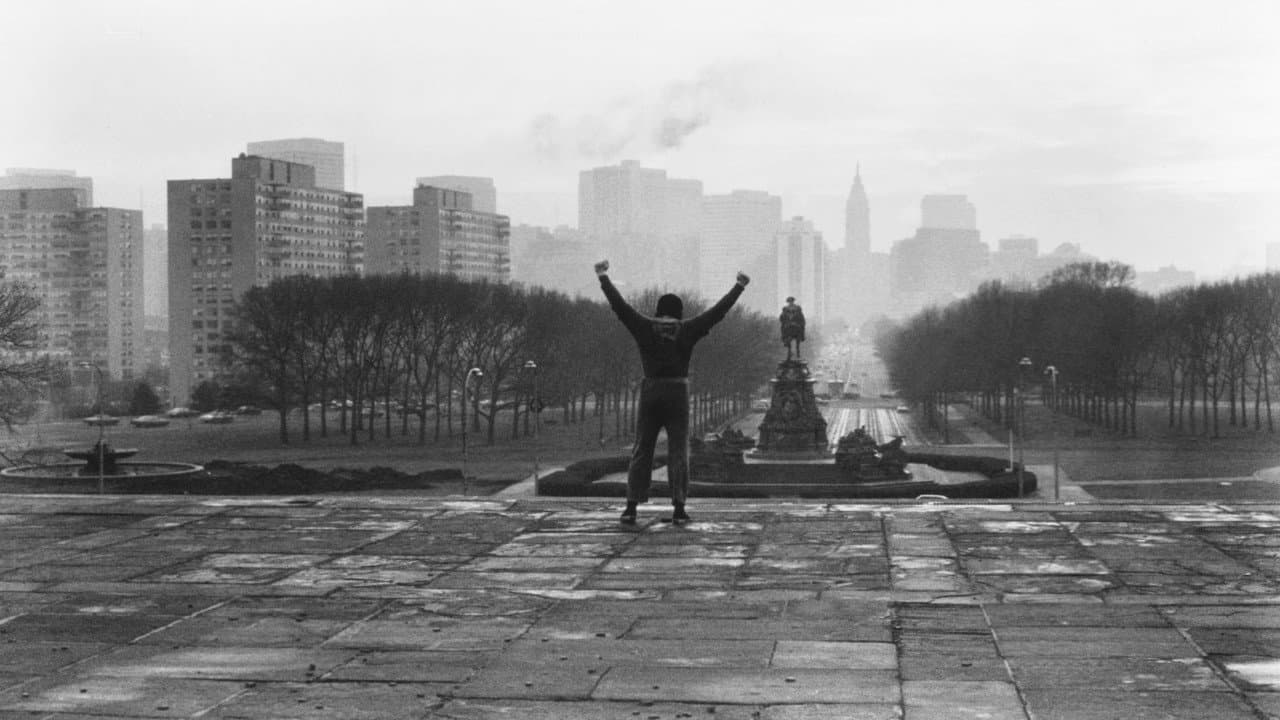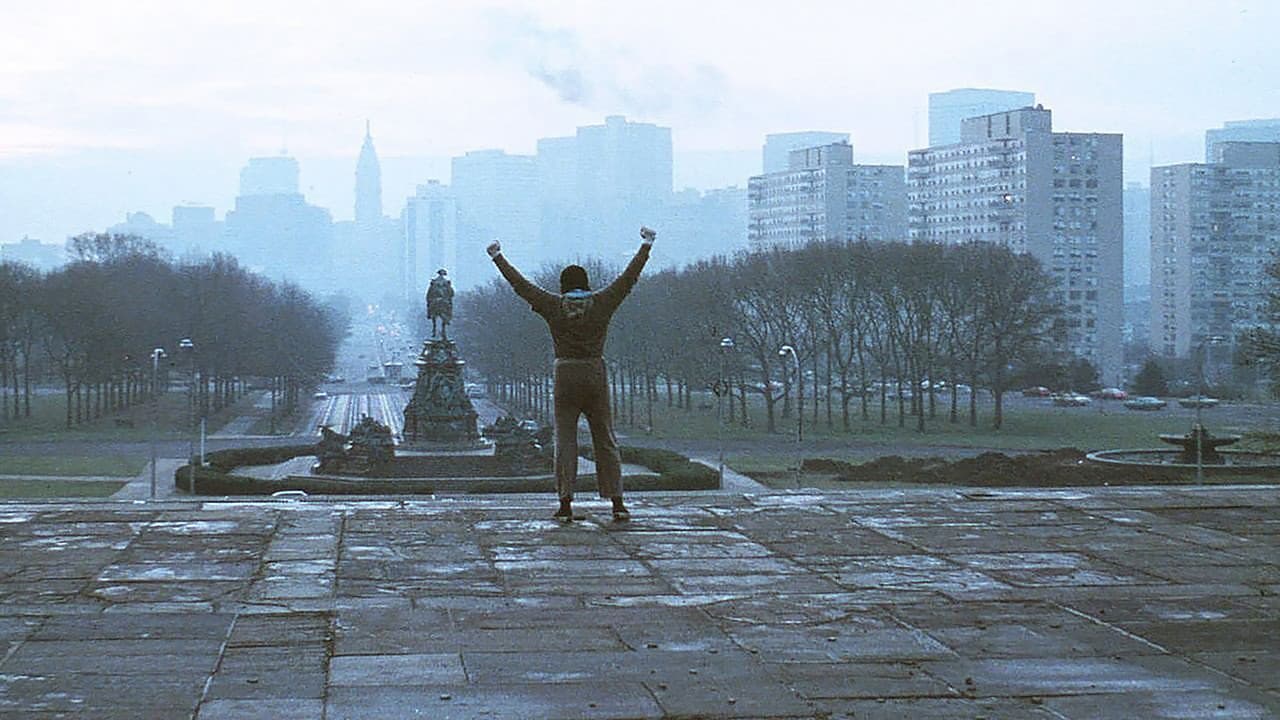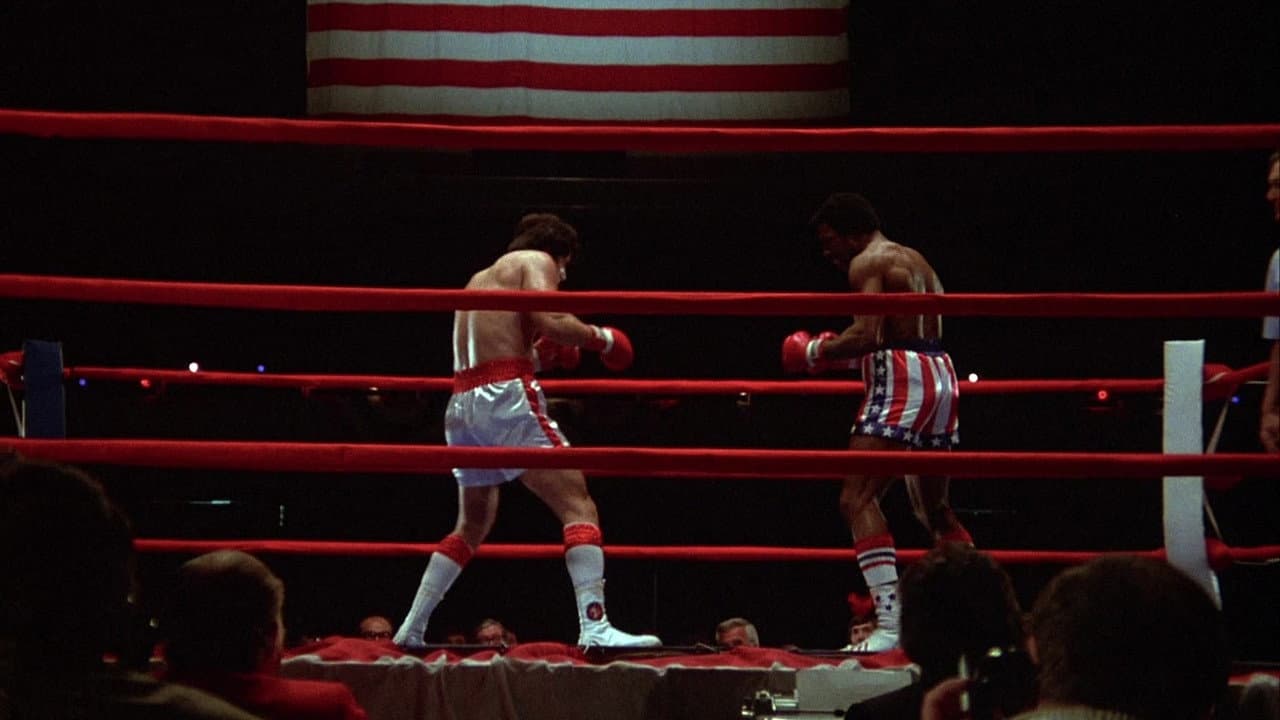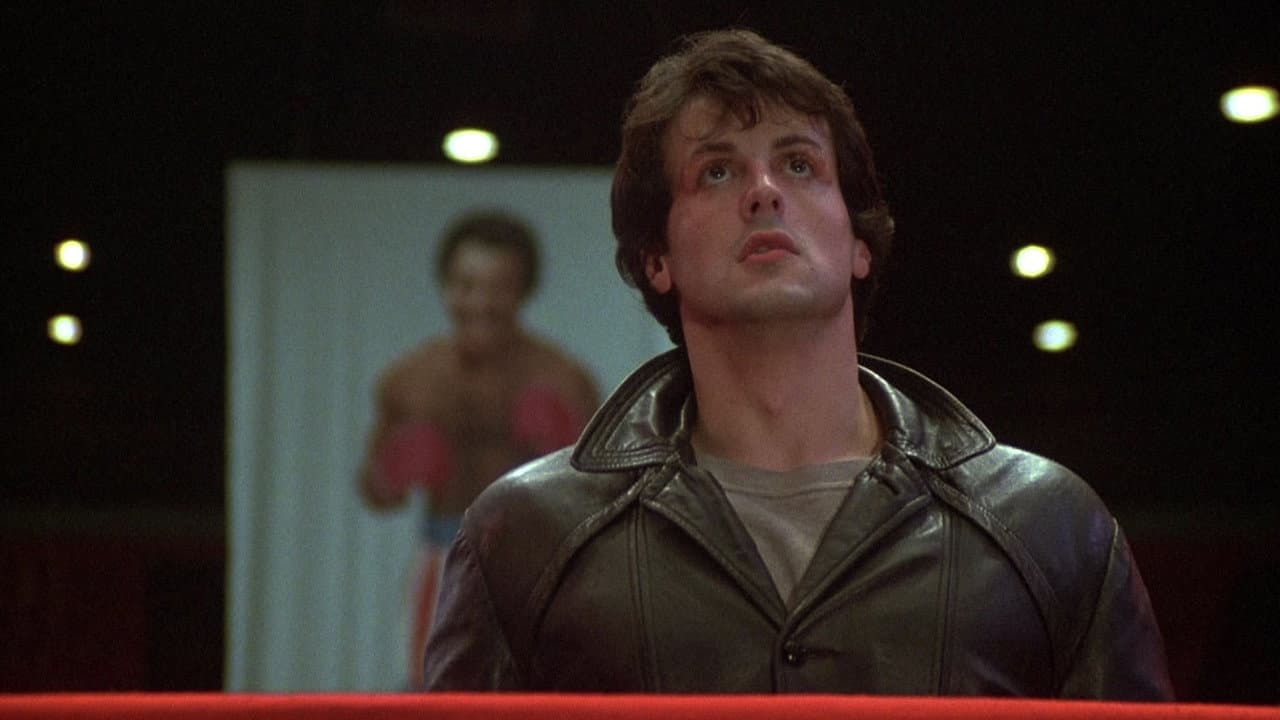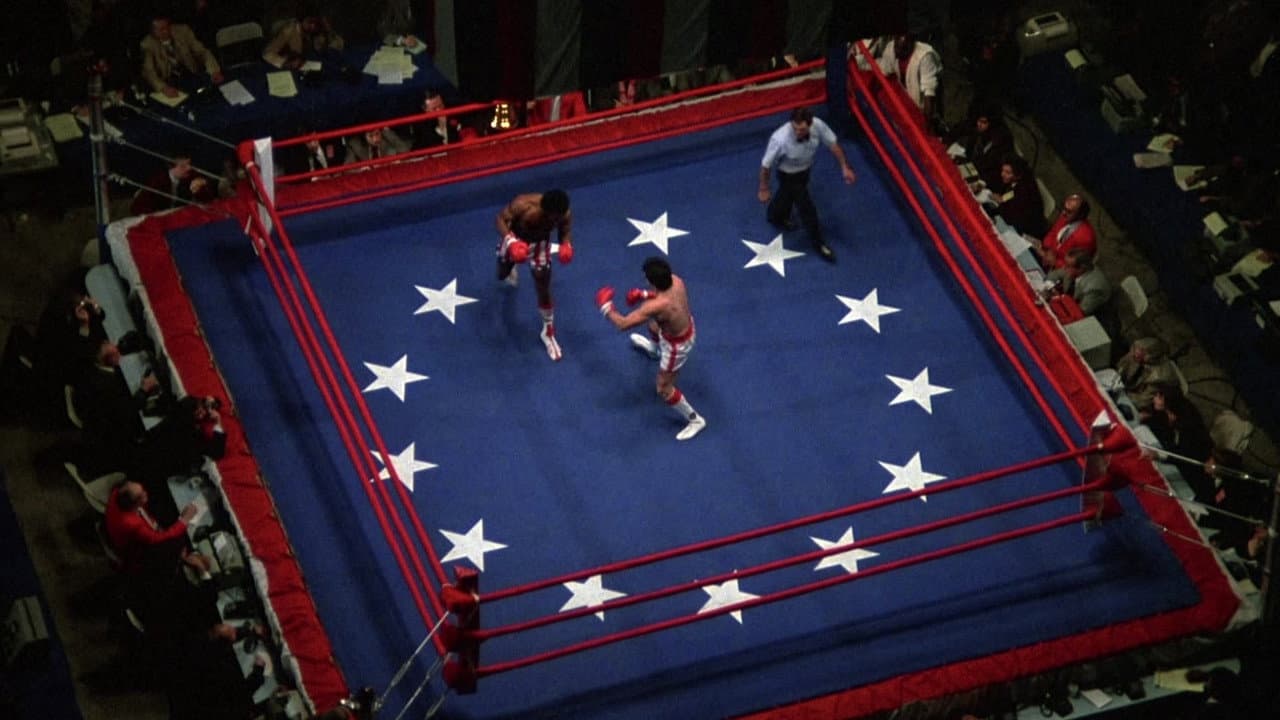
Sylvester Stallone has revealed that the physical transformation demanded by the Rocky franchise came at a severe personal cost, disclosing that he developed bulimia during production and relied on anabolic steroids to build the physique audiences first saw in 1976. The actor, who was in his late twenties when the original film was made, described a cycle of extreme dieting and purging that he now links to lasting health consequences.
Stallone's portrayal of Rocky Balboa, a Philadelphia club fighter granted an unlikely title shot against heavyweight champion Apollo Creed, became one of the defining screen performances of the 1970s. The film, released on December 3, 1976, runs 120 minutes and was directed by John G. Avildsen. It carries a TMDb rating of 7.799 out of 10. The cast includes Talia Shire as Adrian Pennino, Burt Young as her brother Paulie, Carl Weathers as Apollo Creed, Burgess Meredith as trainer Mickey Goldmill, Thayer David as promoter George "Miles" Jergens, Joe Spinell as loan shark Tony Gazzo, and Jimmy Gambina as Mike.
A physique built on dangerous methods
According to Stallone, the pressure to look like a credible heavyweight contender led him toward drug use that he would not recommend to anyone. He said he took steroids during the period when he was preparing for and shooting the Rocky films, a choice he attributes to the era's lax oversight and his own inexperience. The actor also said his eating habits spiraled into bulimia, a disorder he kept hidden while working.
"It was a very dark time," Stallone said, describing the toll the regimen took on his body and his mental state. He added that the methods he used have continued to affect his health decades later.
The admissions place Stallone alongside a number of performers from the 1970s and 1980s who have since spoken about the informal and often unregulated culture of bodybuilding in Hollywood at the time. Steroid use was not subject to the same public scrutiny it would later receive, and actors chasing superhero or action-hero roles frequently received little guidance about the risks. Stallone's case is notable because the Rocky series presented its star as an everyman rather than a genetically gifted athlete, making the contrast between the character's blue-collar authenticity and the extreme measures behind the camera especially stark.
From underdog story to enduring franchise
The original Rocky was a drama in the truest sense, following a club fighter who seems to be going nowhere until a stroke of fate puts him in the ring with the world heavyweight champion. For Balboa, the fight represents a once-in-a-lifetime opportunity to go the distance and come out a winner. The film's English-language production under the Hollywood studio system turned a modest budget into a cultural phenomenon and launched a series that would span decades.
Stallone wrote the screenplay as well as starring in the lead role, a detail that has long been central to the film's mythology. Yet the new disclosure complicates the familiar narrative of overnight success. What audiences read as grit and naturalism on screen was, by the actor's own account, partly the product of a punishing and medically risky routine.
Health consequences and a cautionary note
Stallone did not offer a precise timeline for when the steroid use began or ended, nor did he specify which of the Rocky installments coincided with the bulimia. He framed the revelation less as a confession than as a warning, suggesting that younger performers should not view his results as achievable or worth pursuing. He also noted that attitudes toward body image in the industry have shifted, though he argued that pressure on actors to transform physically has not disappeared.
The disclosure arrives at a moment when conversations about performers' health, body standards and the legacy of steroid use in entertainment have become more open. Stallone's willingness to discuss his own experience adds a prominent voice to that discussion, even as it casts a new light on one of the most beloved underdog stories in American cinema.
For a film whose central message is about enduring hardship and proving oneself against the odds, the backstory now carries an additional, more troubling layer. Rocky remains a landmark of 1970s Hollywood, but its star's account of how he prepared for it serves as a reminder that the cost of transformation is not always visible on screen.
Source: The Hollywood Reporter