The Oldenburg International Film Festival has selected the world premiere of Mi Steinbach’s documentary Strange Neighbors as its opening-night film, organizers confirmed this week. The 80-minute feature, which contains no dialogue, will kick off the German festival’s upcoming edition, setting a contemplative tone for an event known for championing unconventional cinema.
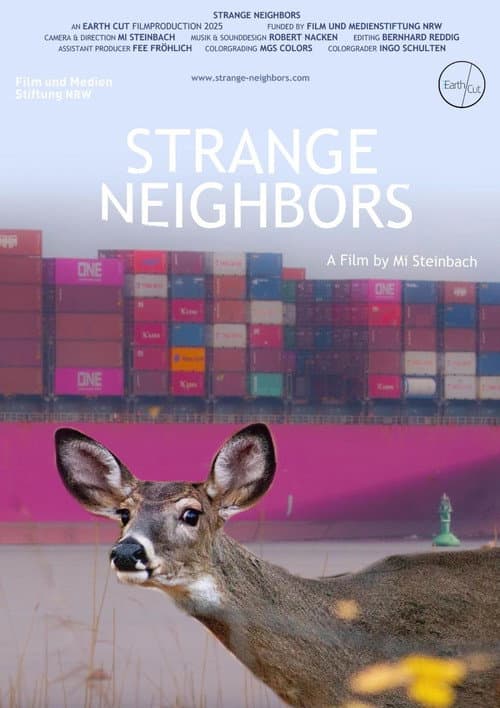
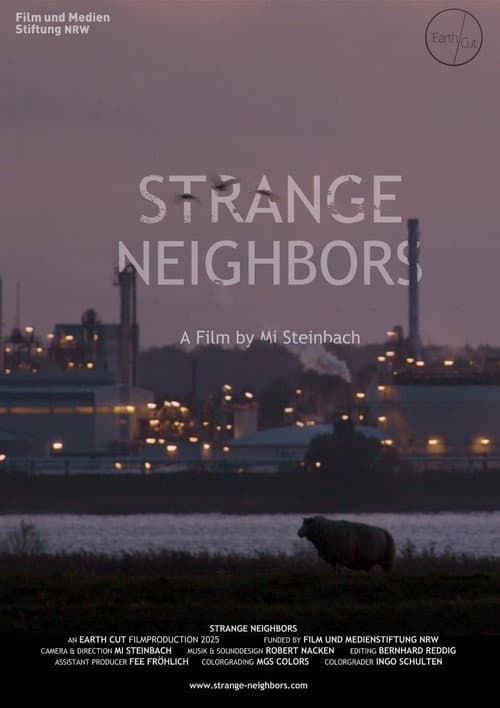
Steinbach’s latest work is described as a wordless cinematic journey that navigates the tension between sprawling industrial zones and pockets of pristine, untouched nature. The film’s official synopsis points to a “silent, profound connection” binding these two seemingly opposing realms, suggesting a meditation on coexistence rather than a simple portrait of environmental conflict. With no spoken language on its track, the documentary relies entirely on visual storytelling and ambient sound to make its case, a formal choice that aligns with the festival’s reputation for embracing experimental and atmospheric filmmaking.
The announcement places Strange Neighbors in a prominent slot for Oldenburg, which has historically used its opening night to signal the thematic and aesthetic priorities of its program. For a festival that prides itself on independent spirit and offbeat discoveries, selecting a dialogue-free documentary about the relationship between human industry and wild landscapes is a deliberate statement of intent. Steinbach, whose prior work has often explored the intersection of people and their environments, appears to be continuing that thread with a more abstract approach.
Details on the production remain sparse. The film’s original language is listed as unknown, which in this case is less an oversight and more a reflection of its silent design. No cast has been announced, and distribution plans have not yet been made public. The TMDb rating sits at a neutral 0/10, a placeholder typical for a title that has yet to screen for critics or general audiences. Despite the lack of conventional marketing hooks, the film’s inclusion at a festival like Oldenburg suggests it will find a receptive audience among viewers who favor mood and texture over narrative exposition.
Oldenburg’s decision to open with a documentary is noteworthy in itself, as the festival’s slate often skews heavily toward narrative features. By leading with Strange Neighbors, the programmers are making a case for the documentary form as a vehicle for lyrical, cinematic expression rather than straightforward reportage. The absence of narration or interviews further distances the film from typical nonfiction conventions, positioning it closer to the work of visual essayists who treat the camera as a primary storyteller.
The thematic core of the film - examining how massive industrial infrastructure and fragile natural landscapes can exist in the same frame, sometimes only meters apart - is a subject with broad resonance. Steinbach’s approach appears to avoid didacticism, instead letting the images generate meaning through juxtaposition and pacing. The phrase “strange neighbors” in the title carries a dual meaning: on one level, it refers to the literal proximity of factories and forests; on another, it hints at the uneasy, often overlooked relationship between humans and the natural world they have reshaped.
For audiences attending the premiere in Oldenburg, the screening will serve as an opportunity to gauge whether Steinbach’s silent method successfully bridges the gap between these two worlds. The festival’s opening night is typically a high-visibility slot, and the choice of a meditative, non-verbal documentary suggests that attendees should arrive prepared for a slower, more reflective experience than the typical festival opener. That gamble could pay off if the film’s imagery proves as evocative as its premise suggests.
As of now, Strange Neighbors has no confirmed release date beyond its festival premiere, and no sales or distribution announcements have been attached to the project. The film’s future trajectory will likely depend on its reception in Oldenburg, where critics and industry insiders will get their first look at Steinbach’s latest vision. Should the documentary gain traction on the festival circuit, it could ride a wave of interest in environmentally themed nonfiction art films, though the lack of a traditional language track may limit its commercial reach in some markets.
For the time being, the focus remains on the premiere itself. Oldenburg has built its identity on risk-taking selections, and Strange Neighbors fits that mold. Whether it emerges as a breakout hit or a niche curio will be determined in the coming weeks, but its placement at the front of the festival ensures it will receive careful attention. The film’s quiet ambition - unfolding a story without words, about the silence between industrial progress and natural persistence - makes it a fitting conversation starter for a festival that values the unexpected.
Source: The Hollywood Reporter