The Tokyo International Film Festival has announced that Shiro Maeda’s drama “Sukiyaki” will serve as the opening selection for its upcoming edition, a choice that signals a deliberate turn toward intimate, character-driven storytelling on the global stage. The film, which quietly premiered in Japan in late 2013, is now being positioned as a centerpiece for the festival’s programming, drawing renewed attention to a work that has lingered in relative obscurity despite its accomplished cast and bittersweet premise.
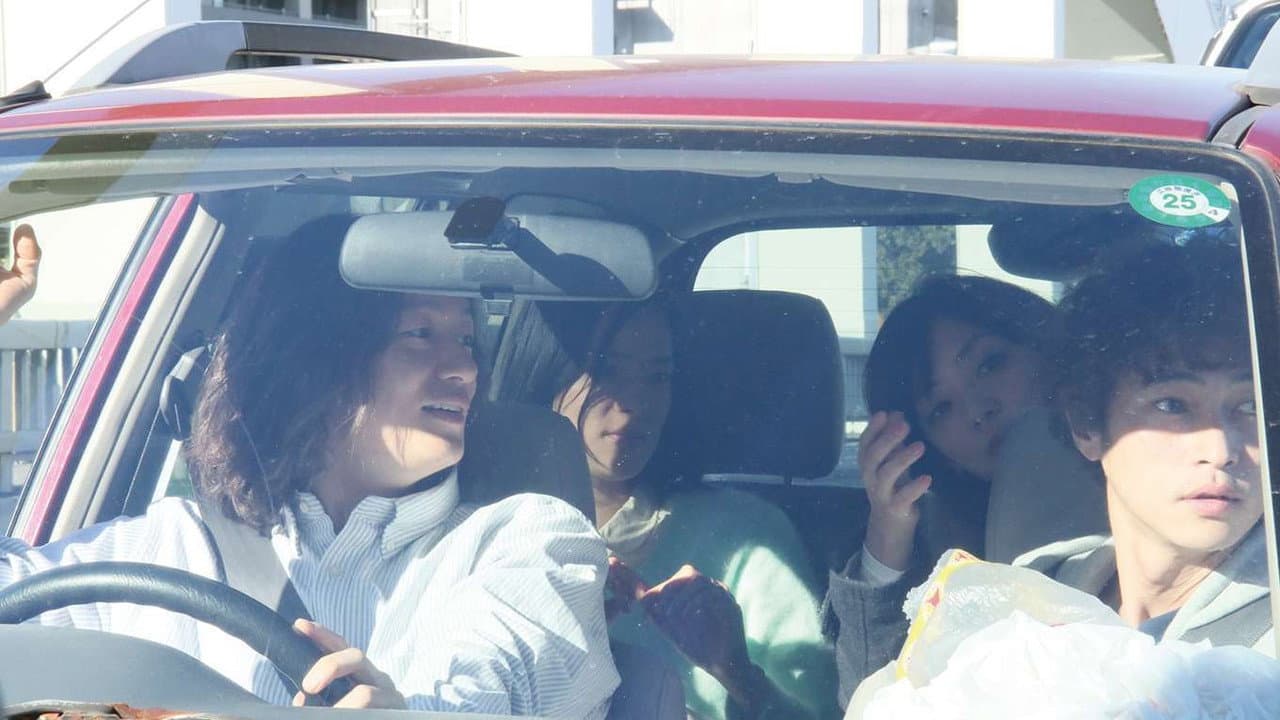
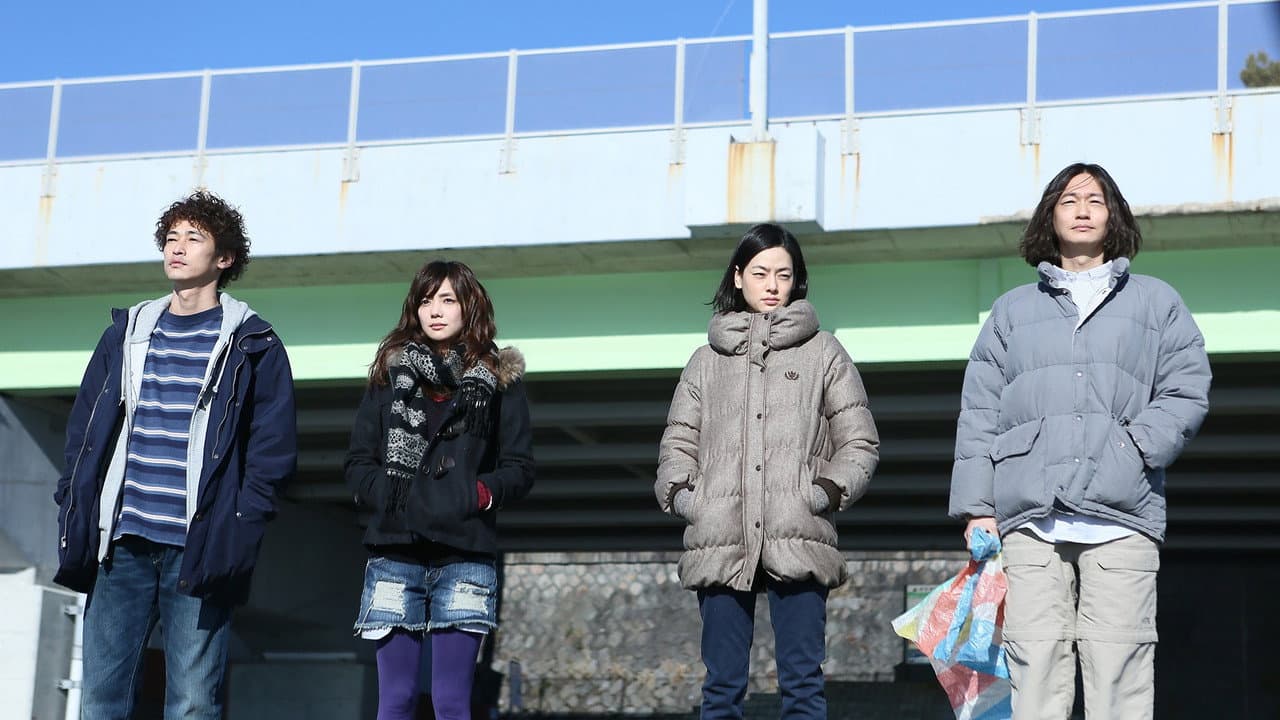
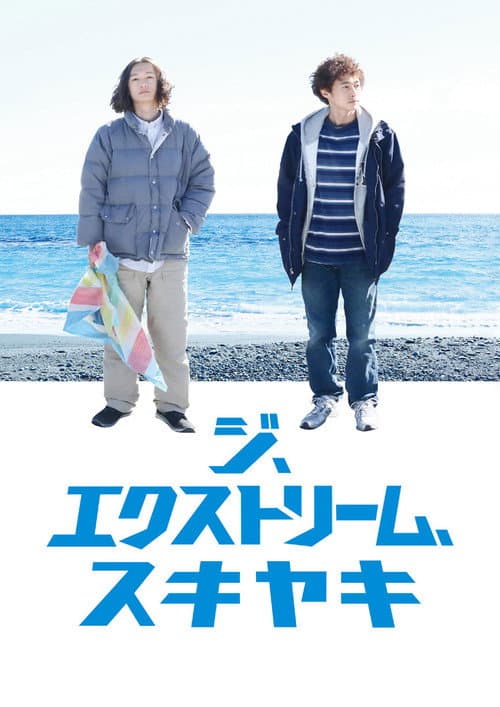
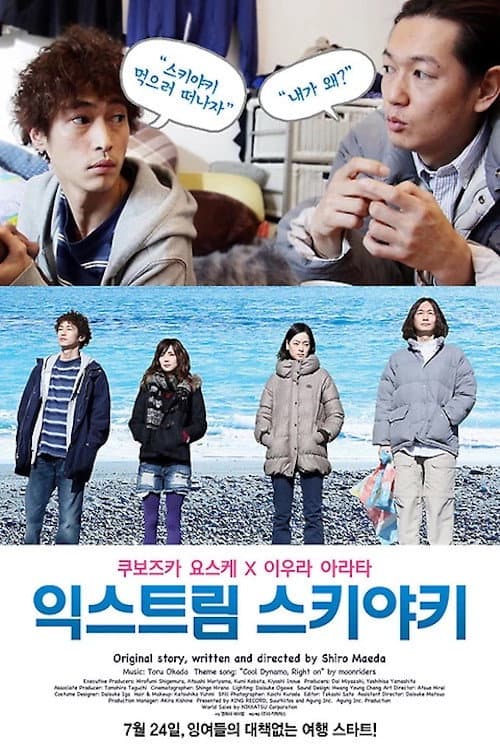
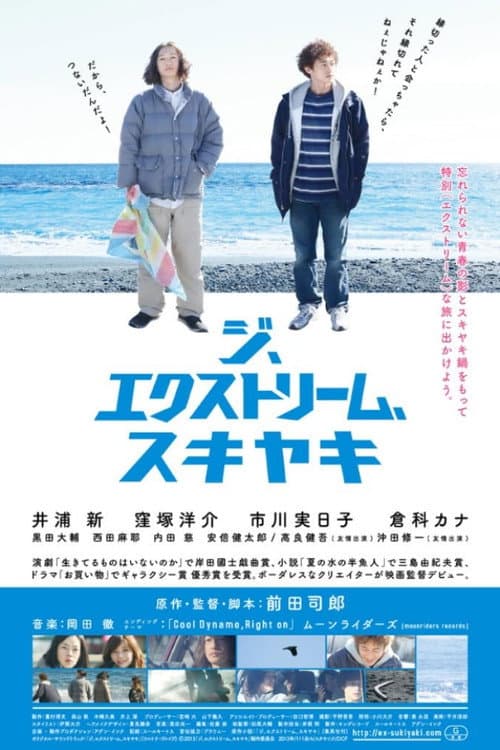
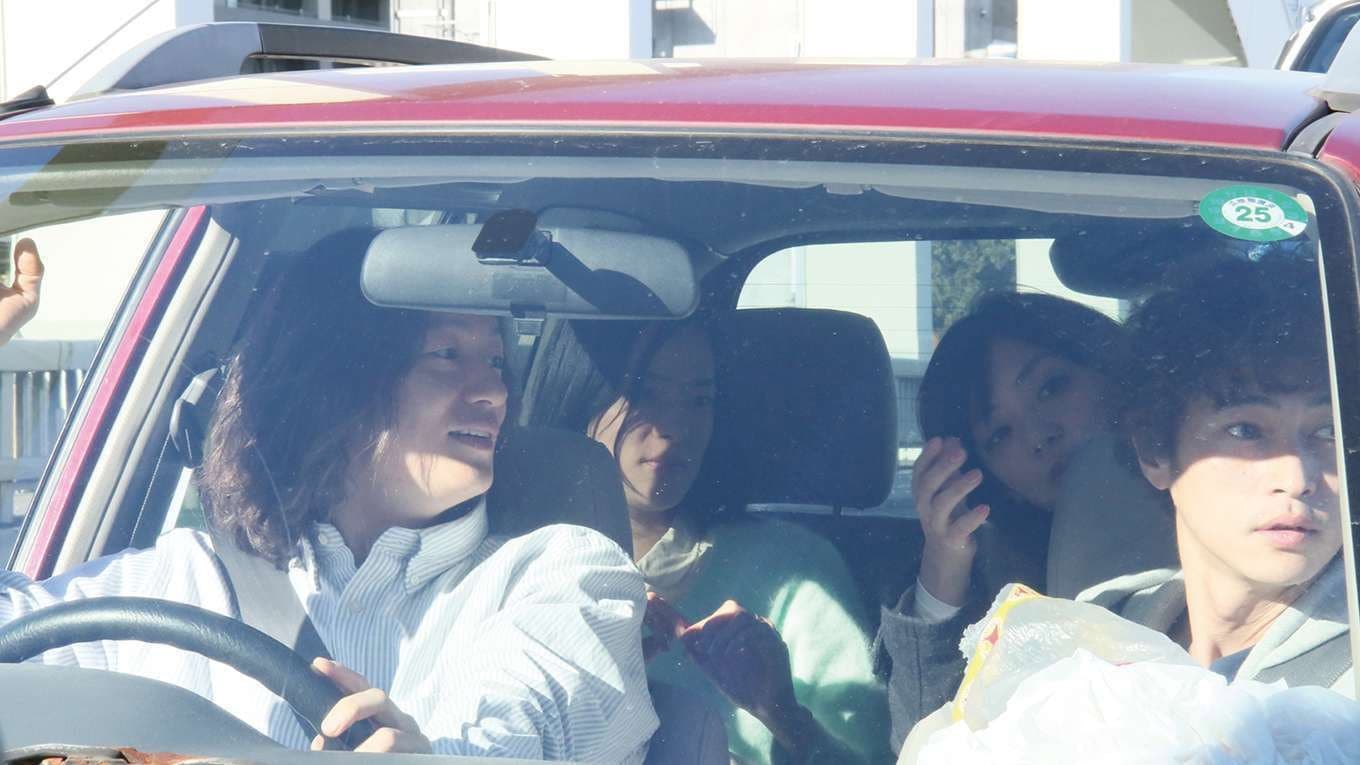
Scheduled to unspool at the festival’s opening night gala, “Sukiyaki” centers on a chance reunion between former college friends Horaguchi and Okawa, who have spent 15 years apart before a sudden whim brings them back into each other’s orbit. Their tentative attempt to rekindle an old bond by planning a trip together quickly expands in unexpected directions, as Okawa’s live-in girlfriend Kaede and the pair’s longtime friend Kyoko are drawn into the fold. What follows is a four-person journey to the seaside, anchored by the modest, almost ritualistic goal of sharing a pot of sukiyaki by the water - a deceptively simple objective that becomes a vehicle for exploring the weight of deferred dreams, the awkwardness of middle-aged friendship, and the quiet compromises that define adult life.
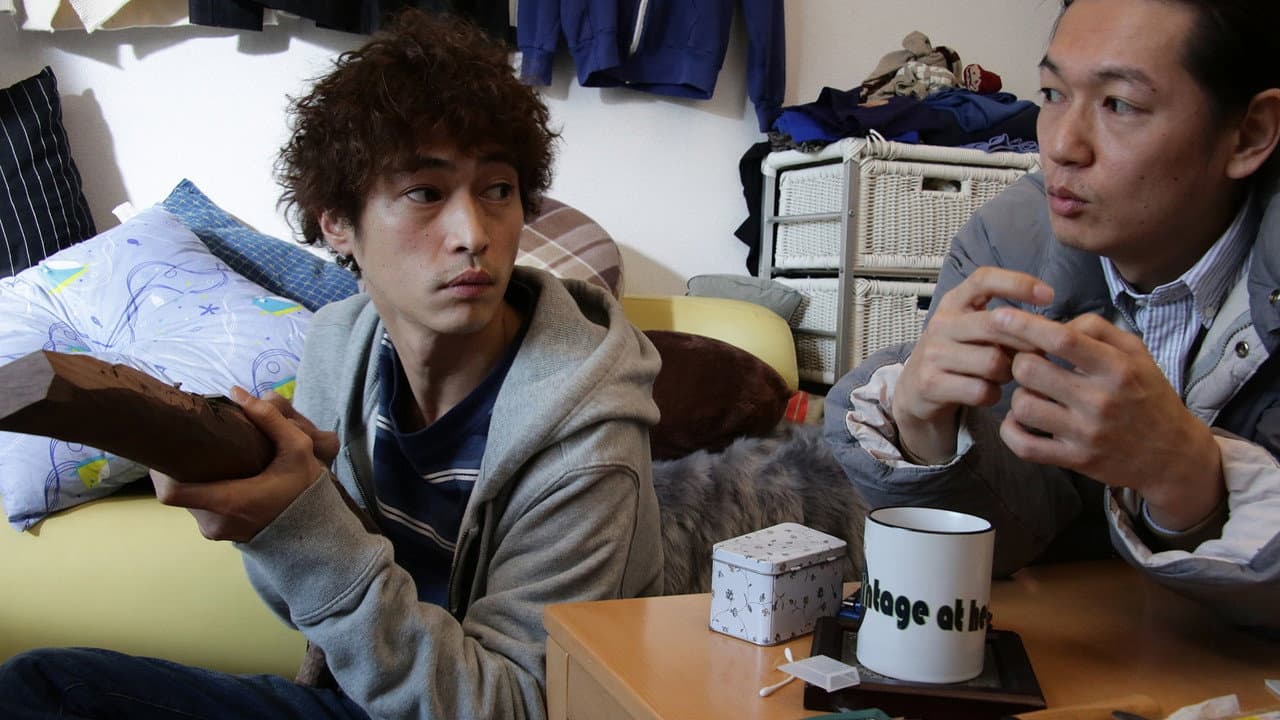
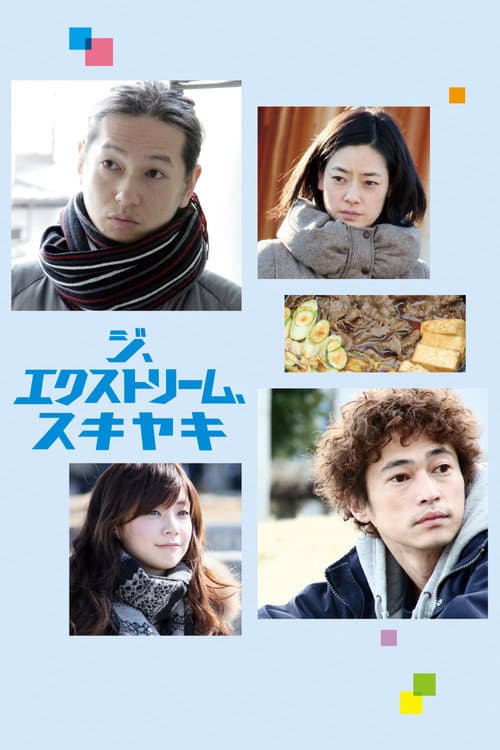
Maeda, a director better known for his work in television and for crafting nuanced ensembles, brings a restrained, observational style to the material. The film’s 111-minute runtime unfolds at a contemplative pace, favoring lingering glances and unfinished sentences over dramatic confrontation. The cast is anchored by Arata Iura as Horaguchi, whose understated performance captures the melancholy of a man measuring his life against the expectations of his youth, while Yosuke Kubozuka brings a restless, slightly chaotic energy to Okawa, the friend who has perhaps changed less - and more troublingly - than he realizes. Mikako Ichikawa and Kana Kurashina round out the central quartet as Kyoko and Kaede, respectively, each woman navigating her own complicated relationship to the men’s shared history. Kengo Kora, Shuichi Okita, and Toru Okada appear in supporting roles, adding texture to a world where every encounter seems freighted with unspoken history.
The film’s festival berth represents a notable curatorial decision. Tokyo’s opening slot has historically been reserved for high-profile premieres or works with significant commercial backing, but organizing programmers appear to be pivoting toward quieter, more emotionally resonant fare this year. “Sukiyaki” fits that bill precisely: it is a work less concerned with plot mechanics than with the slow, sometimes uncomfortable process of rediscovering a person you once knew intimately. The seaside setting - with its salt air, cold light, and the comforting steam of a shared meal - serves as a visual metaphor for the film’s central tensions: proximity and distance, warmth and isolation, the hope of renewal and the stubborn persistence of old patterns.
Although “Sukiyaki” originally saw a theatrical release in Japan in late 2013, its international festival trajectory has been modest until now. The Tokyo selection offers a fresh platform for the film, and festival insiders suggest that the choice reflects a deliberate interest in programming works that examine the subtle social codes of Japanese relationships - particularly among men of a certain age who find themselves adrift in the shifts of modern life. Maeda, who also wrote the screenplay, has a clear affinity for these themes, and the script’s dialogue is notable for what remains unsaid as much as for what is spoken aloud.
For the cast, the festival announcement has generated renewed buzz around performances that originally arrived with little fanfare outside Japan. Iura, in particular, has built a reputation for playing introspective, emotionally guarded men, and his work here is no exception; Horaguchi’s quiet bewilderment as he confronts the gap between who he was and who he has become forms the emotional core of the piece. Kubozuka, meanwhile, offers a more volatile counterweight, and the chemistry between the two actors - old friends who must negotiate the distance that time has carved between them - carries the film’s most affecting moments.
The presence of the two women in the story complicates the dynamic in productive ways. Kaede, as Okawa’s partner, and Kyoko, as the group’s longtime friend, are not simply supporting players; their own histories with the men and with each other deepen the narrative’s exploration of how friendships evolve - or fail to evolve - when life intervenes. The shared meal that gives the film its title becomes a quiet test of whether the group can still find common ground, or whether the bonds that once held them together have soured beyond repair.
Organizers have yet to reveal the full festival lineup, but the choice of “Sukiyaki” as the opening night attraction sets a distinct tone for the proceedings. It is a film that rewards patience, that trusts its audience to read between the lines, and that finds its drama not in grand gestures but in the small, telling moments of hesitation and compromise. At a time when the global festival circuit often gravitates toward spectacle, Tokyo’s decision to lead with a work of such gentle, human scale feels like a statement of intent - one that suggests the festival is looking inward, toward the complexities of everyday life, rather than outward, toward the bombast of the international marketplace.
The Tokyo International Film Festival is expected to draw industry professionals and cinephiles from around the world, and “Sukiyaki” will now carry the weight of opening that gathering. Whether the film’s quiet virtues will resonate with the festival audience remains to be seen, but for Maeda and his cast, the selection offers a significant moment of recognition for a work that has, until now, quietly simmered on the edges of the international conversation. The festival’s embrace suggests that sometimes the most compelling stories are the ones that unfold over a shared meal, a long car ride, or a walk along a cold beach - the ones that ask not for applause, but for attention.
Source: The Hollywood Reporter