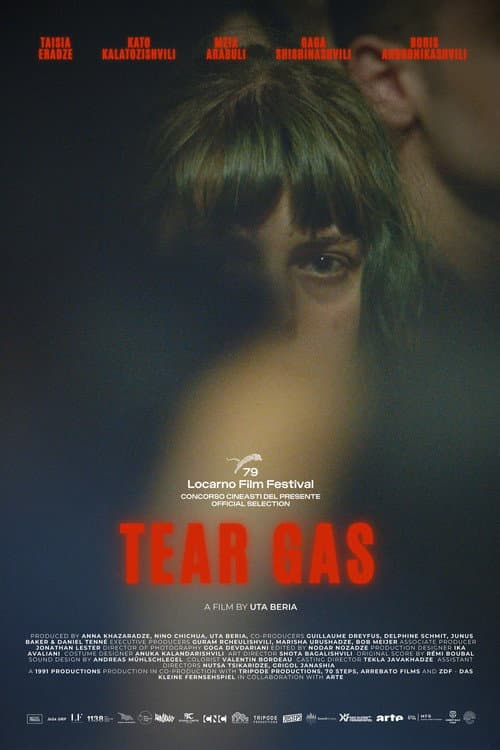
The raw, choking reality of protest is about to hit American theaters in a way that blurs every line between fiction and frontline journalism. Tear Gas, a new drama-thriller from Georgian director Uta Beria, was shot inside the very anti-government demonstrations it depicts, and Beria is calling the finished film “an act of resistance” against both political oppression and the sanitized conventions of modern cinema.
Set for release on August 12, 2026, the 96-minute feature centers on 16-year-old Elene and her family, already fractured by the invisible wounds of war. When a mass protest erupts in Tbilisi, they are pulled into the chaos, and the streets become a battleground not just for national freedom, but for the survival of their own collapsing household. The official synopsis describes a story where the external fight for liberty forces the family to confront the internal divisions that were already threatening to tear them apart.
Shot on the Frontline
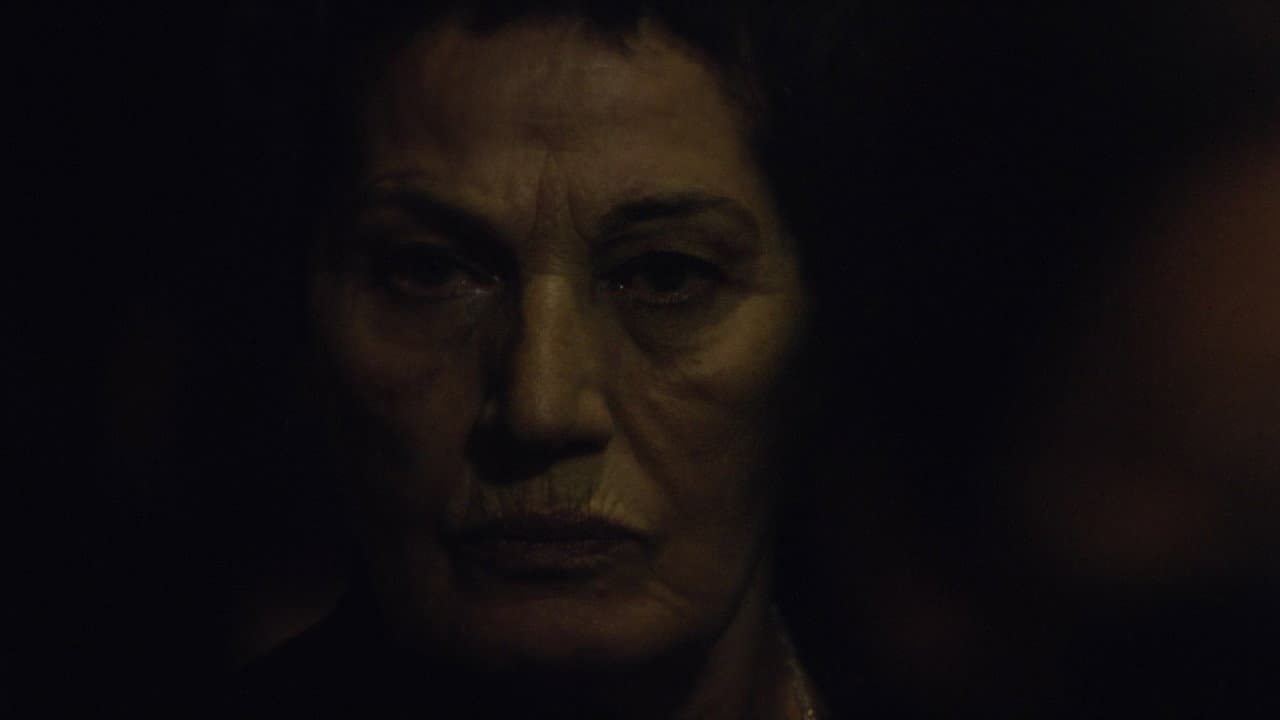
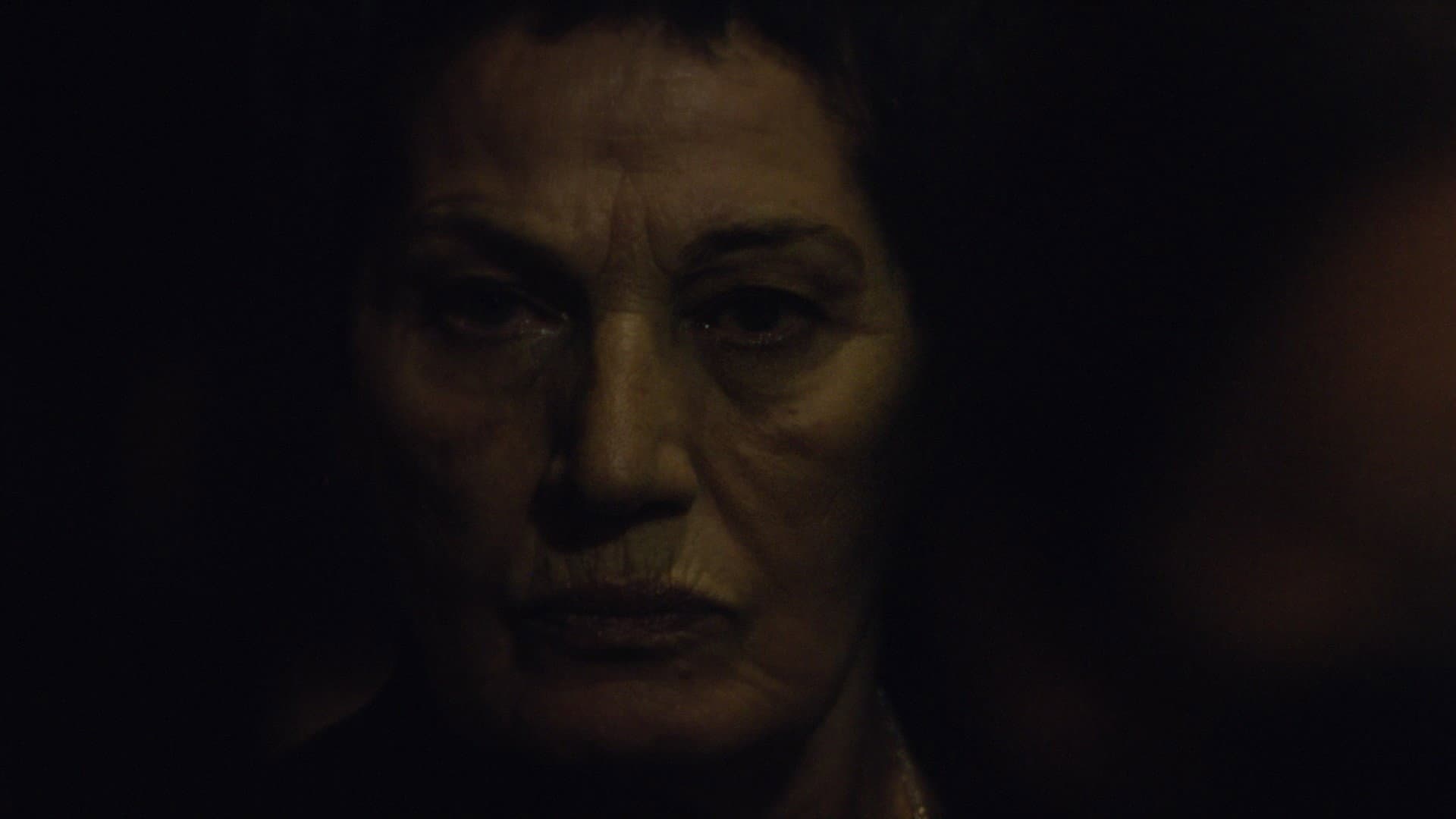
What separates Tear Gas from a standard political thriller is its production DNA. Rather than reconstructing protest scenes on a controlled set, Beria’s crew embedded themselves within real, live demonstrations in Georgia’s capital. The film captures authentic chaos - the flash of stun grenades, the acrid burn of chemical agents, the desperate scramble of crowds - using the actual event as its primary set piece. This isn’t a metaphor; it’s a documentary-grade capture of a moment in history, repurposed as narrative fiction.
The director’s framing of the project as resistive cuts both ways. On one level, it’s a direct challenge to the Georgian government’s handling of the protests, which have drawn international scrutiny. On another, it’s a rebuke of the film industry’s tendency to sanitize political upheaval, replacing real danger with choreographed stunt work. By placing actors - including 16-year-old lead Taisia Eradze - directly in harm’s way, Beria aims to deliver a level of authenticity that no soundstage could replicate.
A Family Drama at the Core
While the protest provides the explosive backdrop, the film’s emotional engine is the family’s internal struggle. The cast is anchored by Mzia Arabuli and Gaga Shishinashvili as the parents, with Kato Kalatozishvili and Boris Andronikashvili rounding out the ensemble. The characters are described as “war-scarred,” suggesting a family already carrying trauma from previous conflicts - likely a reference to the 2008 Russo-Georgian War and the ongoing volatility in the region.
This dual focus - the macro-political and the micro-personal - positions Tear Gas less as a straightforward action film and more as a tense, human-scale drama. The question of whether the family can hold together while their country does not is the film’s central anxiety. The genre tags of Drama and Thriller suggest a slow-burn emotional unraveling punctuated by moments of extreme, visceral danger.
A Risky Production with Real Stakes
Producing a narrative film inside a live protest zone carries staggering logistical and ethical risks. Cast and crew would have faced the prospect of arrest, injury, or worse if the demonstration turned violent. Beria’s decision to do so implies a level of commitment that borders on the reckless, but it also ensures that the film’s images have a gravitational pull that CGI and extras simply cannot match. The tear gas in the title isn’t a special effect; it’s a physical presence that the cast had to endure.
The timing of the release is notable. Arriving just two days after the film’s Tbilisi premiere, the US release drops Tear Gas into a global conversation about protest movements, police tactics, and the role of art in documenting state power. For American audiences, the film offers a visceral look at a conflict that receives limited stateside coverage, filtered through a family narrative that makes the political deeply personal.
A Test for the Industry
Tear Gas arrives with a TMDb rating of 0/10, which is less a reflection of quality and more a marker of its status: a film so freshly completed that no critical consensus has yet formed. That blank slate makes it one of the more intriguing releases of the late summer season. Will critics embrace its uncompromising approach as groundbreaking, or will they question the ethics of placing a teenage actress in the middle of a potentially lethal situation?
Beria’s statement suggests he cares little for that debate. For him, the act of filming was inseparable from the act of resisting. The result is a movie that doesn’t just tell a story about a protest - it is a piece of the protest itself, preserved in aspic and shipped abroad. Whether audiences find it heroic or troubling, Tear Gas guarantees one thing: it will leave a mark, much like the chemical agent it is named for.
Source: The Hollywood Reporter