
Queer Cinema Future: Einbinder & Schoenbrun on Camp Miasma
Director
Jane Schoenbrun
Language
EN
Release
2026-08-06
Runtime
112 min
Advertisement
Hannah Einbinder and Jane Schoenbrun discuss 'Teenage Sex and Death at Camp Miasma' and the bold future of queer cinema in this 2026 film interview.
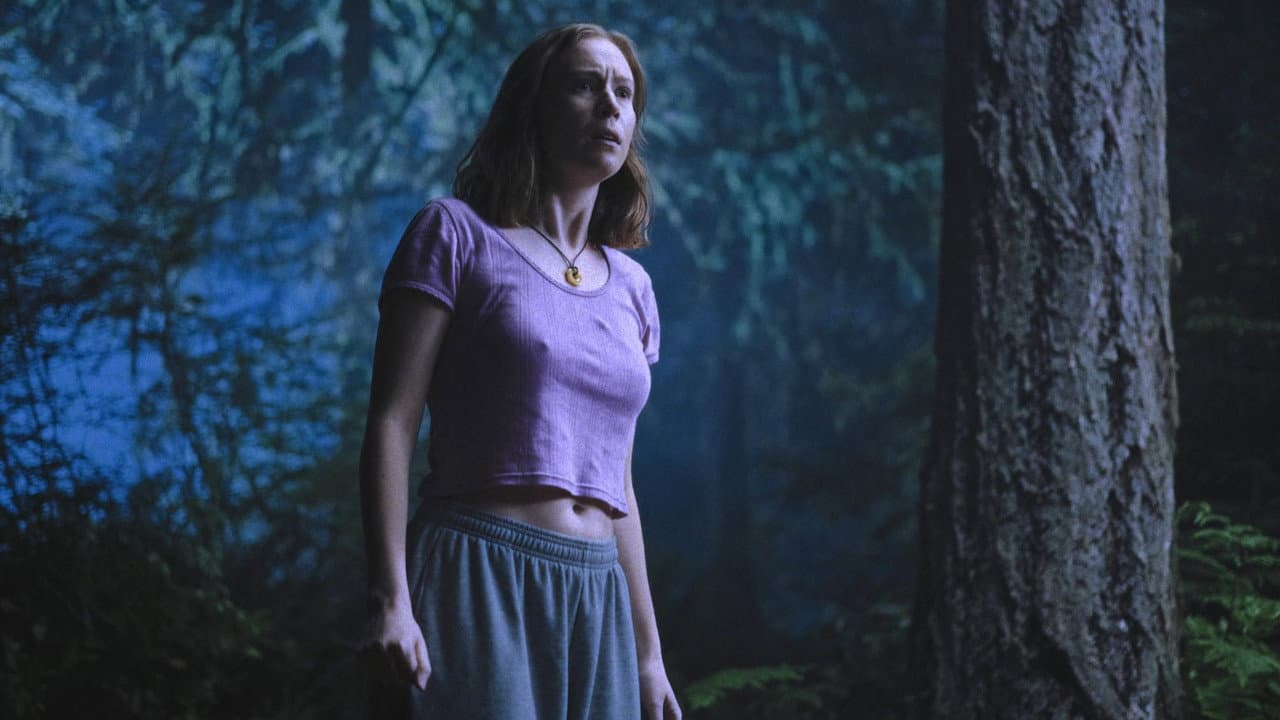
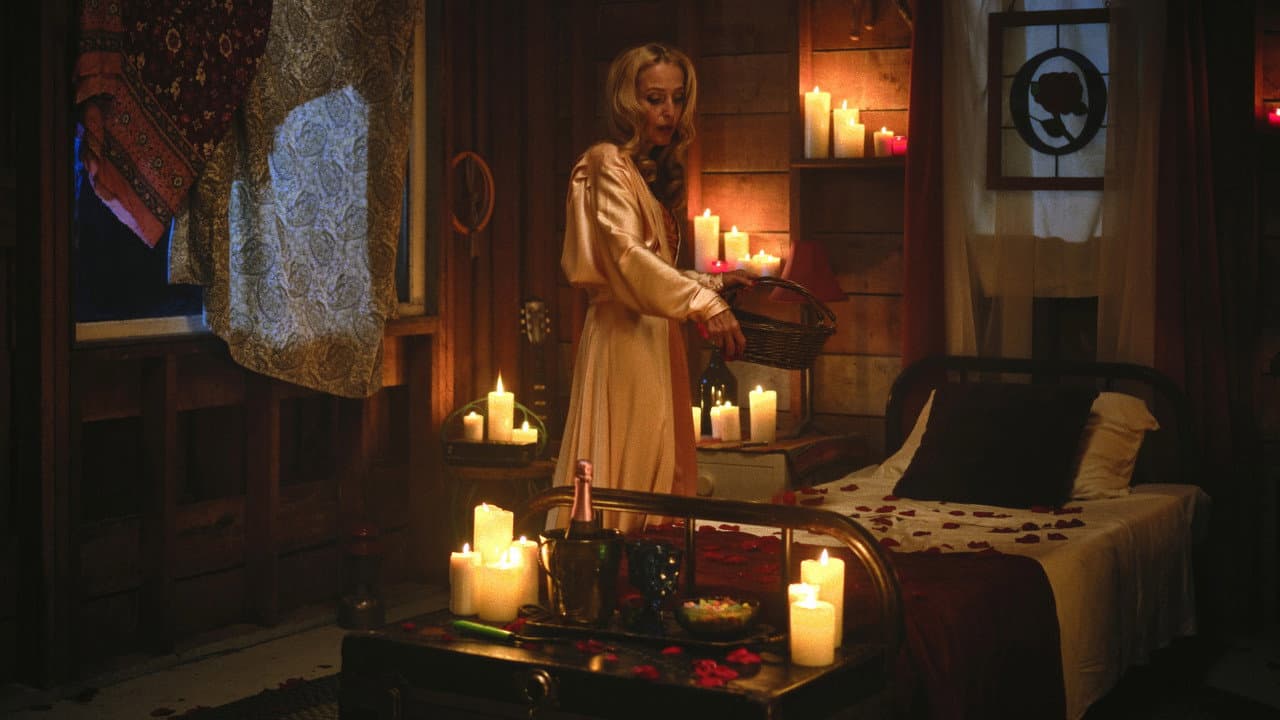
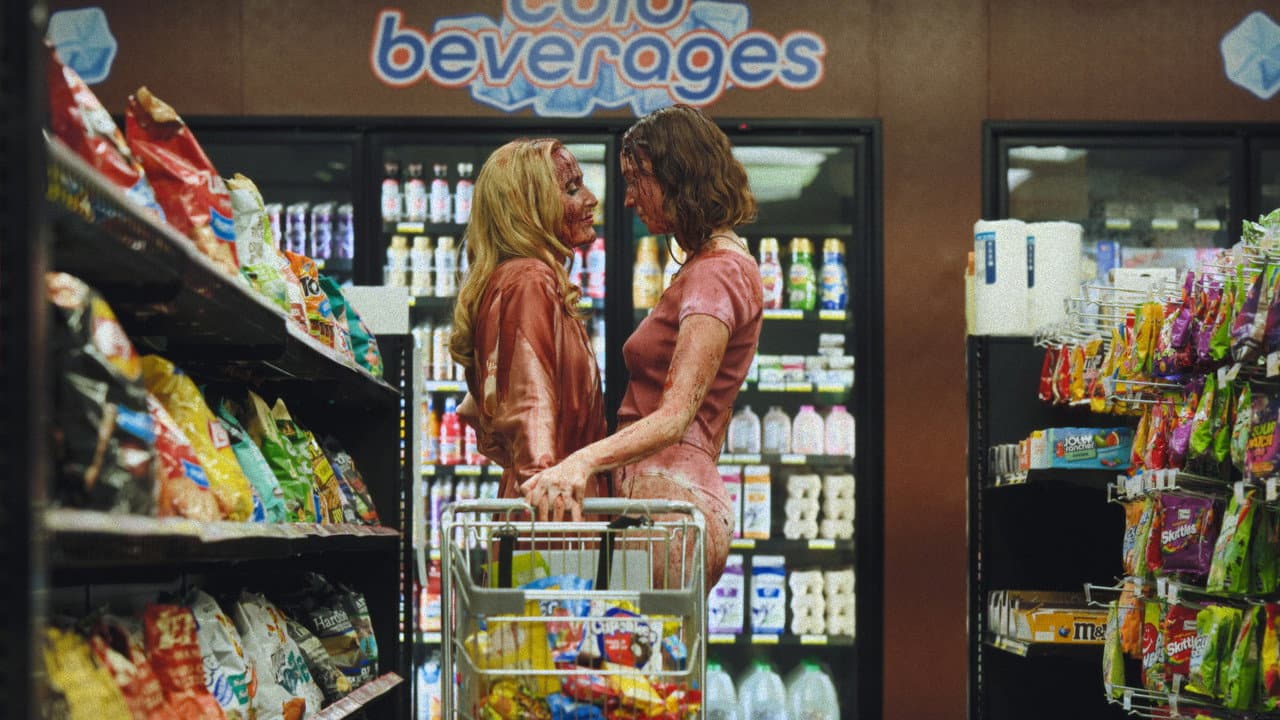
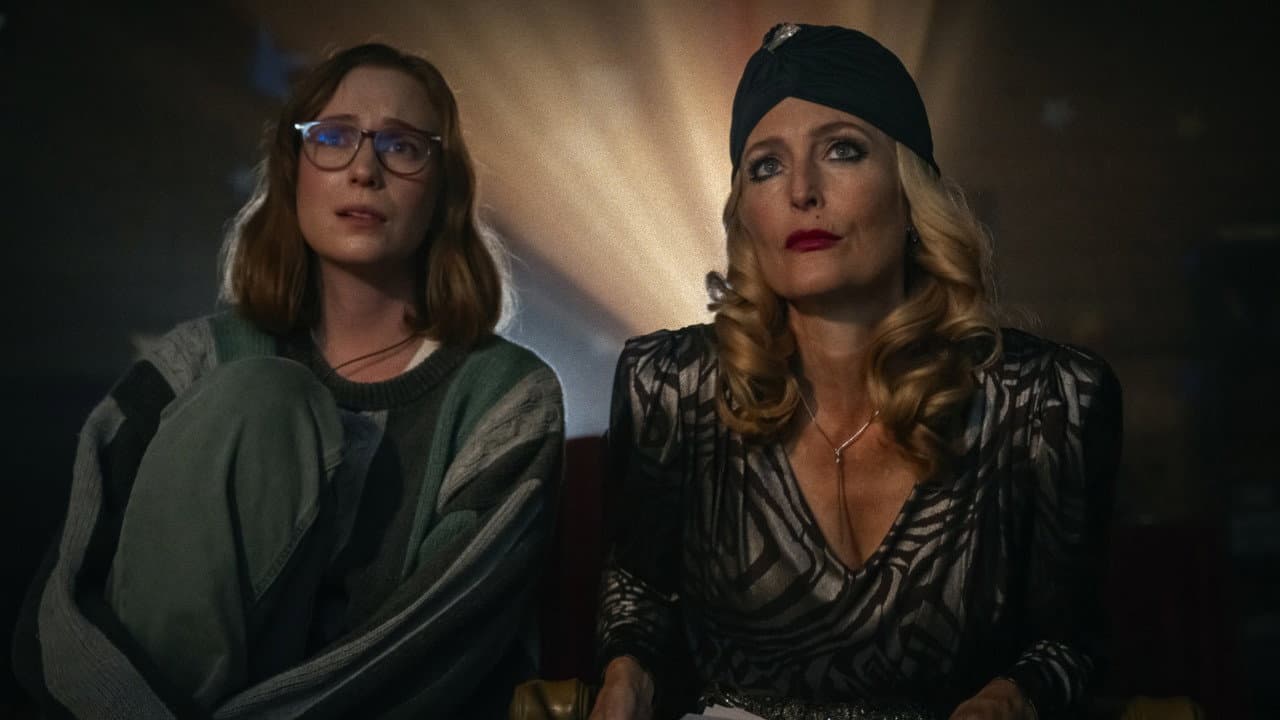
Jane Schoenbrun’s latest feature, Teenage Sex and Death at Camp Miasma, arrived in theaters on August 6, and it’s already sparking conversation about where queer horror and romance can go next. The film, which clocks in at 112 minutes, blends comedy, horror, and romance into a story about a fading slasher franchise handed to a young, enthusiastic director. That director, played by Hannah Einbinder, finds herself pulled into a dangerous and delirious entanglement with the reclusive original star of the series, portrayed by Gillian Anderson.
The premise sounds like a meta-horror joke on paper, but Schoenbrun’s execution has earned a solid 7.2 rating on TMDb, with early audiences praising its tonal tightrope walk between genuine fright and wry humor. For Einbinder, best known for her sharp comedic timing, the role of Kris marks a deliberate stretch into darker territory. “I’ve always loved movies that make you laugh and then immediately make you uncomfortable,” she said during a press event tied to the release. “This script gave me a chance to do both, often in the same scene.”
Schoenbrun, whose previous work has already carved out a distinct space in indie filmmaking, sees the project as a natural evolution of their interest in identity and transformation. The director has spoken before about the importance of creating queer narratives that don’t reduce characters to their trauma or their coming-out stories. Here, Kris and Billy’s relationship unfolds through violence, confusion, and a shared history that neither fully understands. “I wanted to make something that felt like a fever dream you’d actually want to stay inside,” Schoenbrun said. “These characters aren’t fighting to be accepted. They’re fighting to figure out what they even are.”
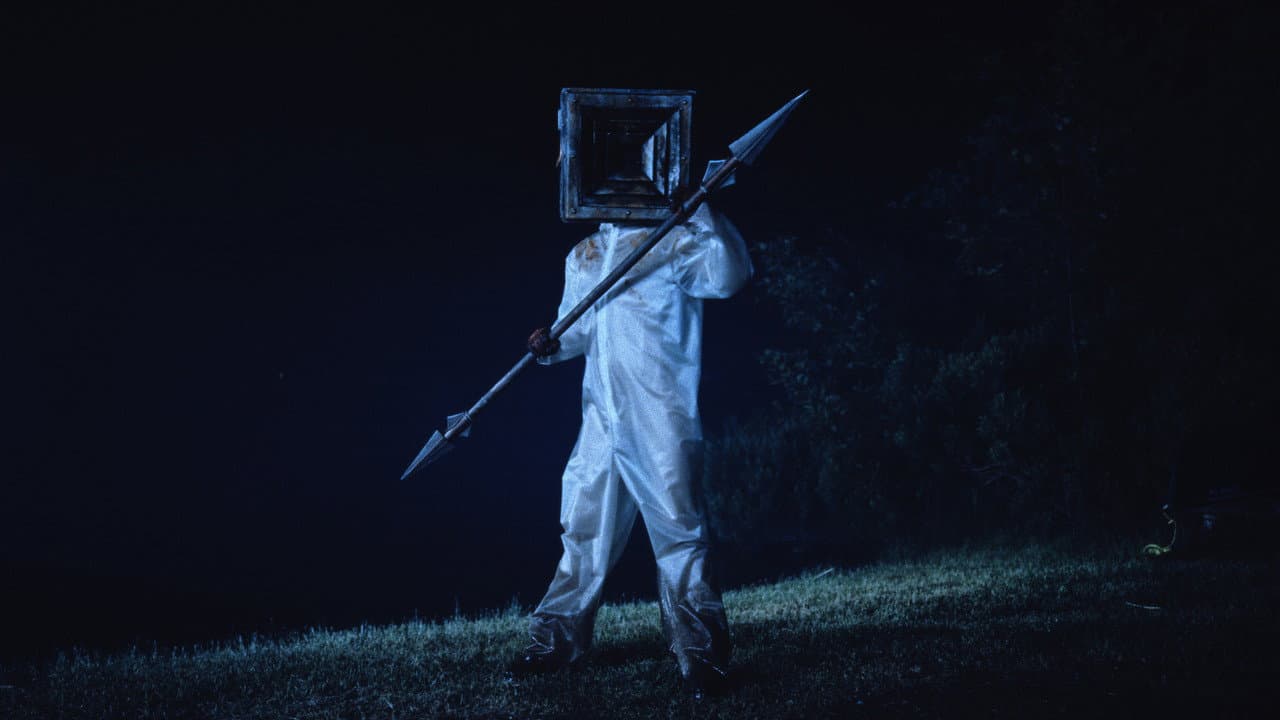
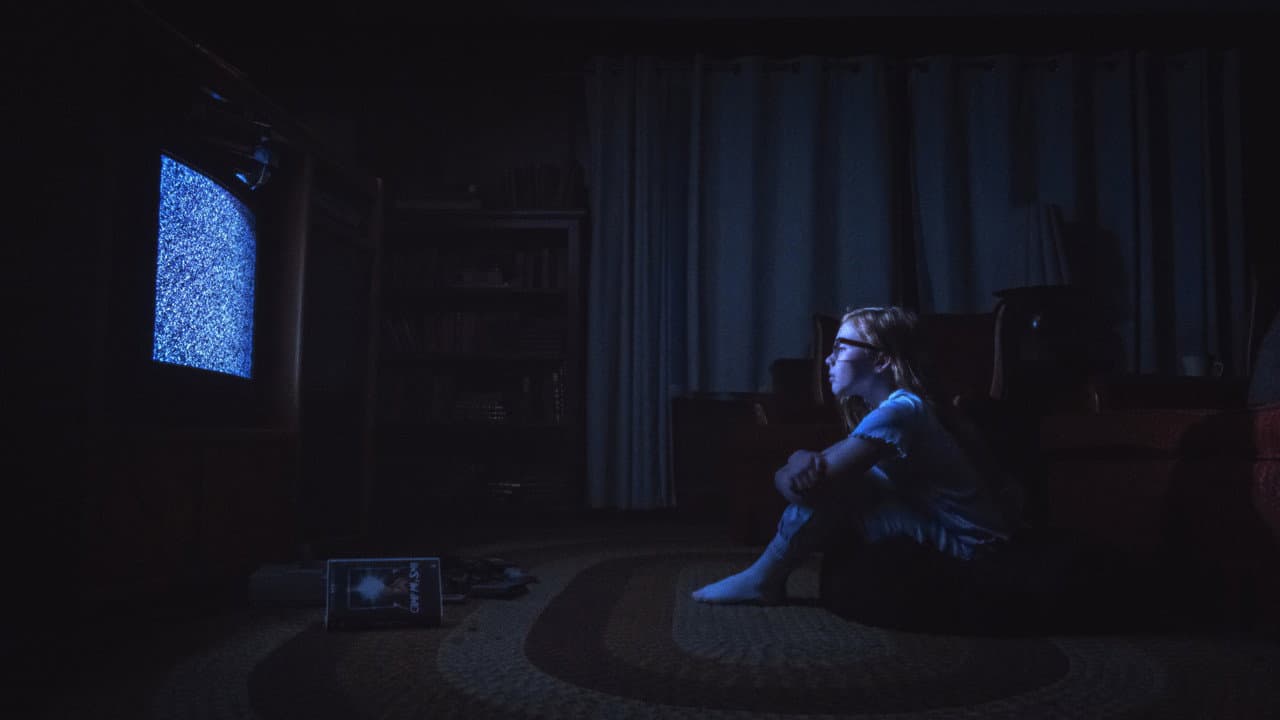
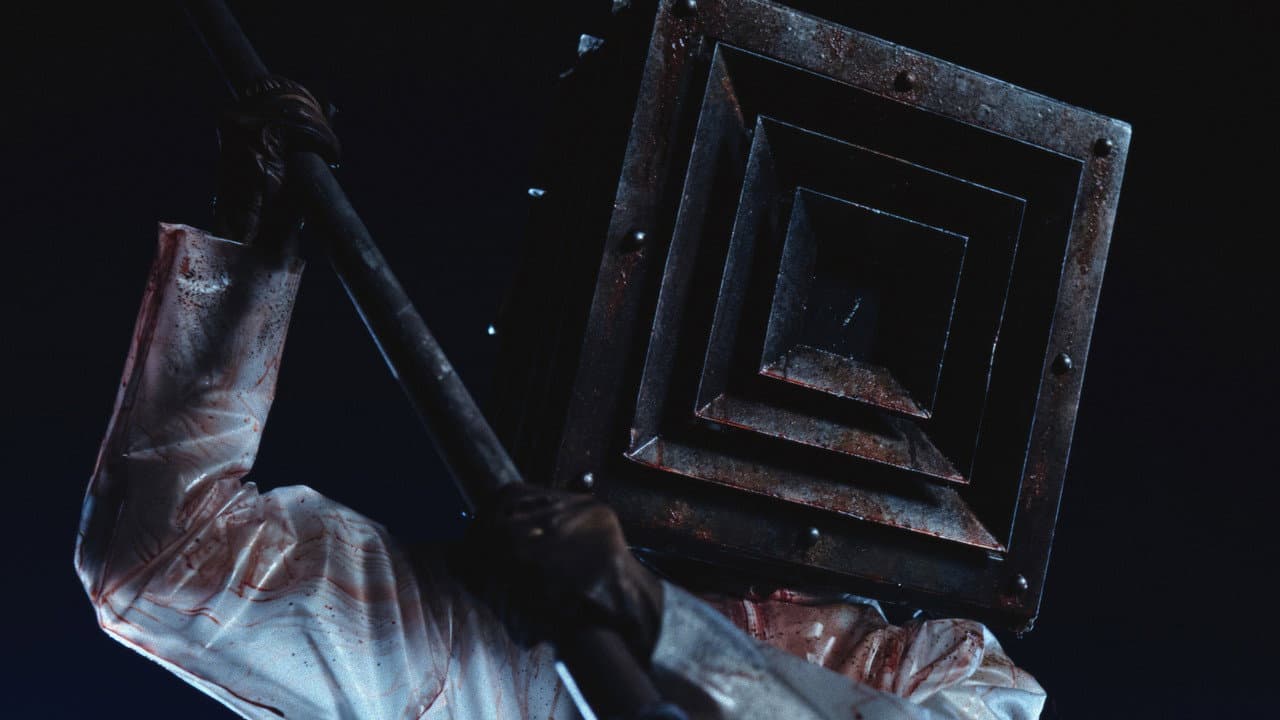
The script toggles between Kris’s present-day visit to Billy’s remote estate and flashbacks to the original Camp Miasma films, with Amanda Fix taking on the role of a young Billy. Those sequences are shot with a deliberately grainy, almost worn texture, evoking the cheap thrills of 1980s slasher B-movies. Arthur Conti plays Alex, a production assistant who gets caught in the chaos, while Eva Victor brings a surreal energy as DJ Ella Giastic, a character who seems to exist just outside the film’s reality. Zach Cherry, Sarah Sherman, and Patrick Fischler round out the cast in key supporting roles, each adding an off-kilter flavor that keeps the tone unpredictable.
Part of the film’s appeal lies in how it refuses to settle into a single genre lane. The horror beats are real, with several set pieces that play for genuine tension, but Schoenbrun never lets the audience forget they’re watching a story about two women trying to connect across a gulf of fame, age, and regret. The romance, when it emerges, feels earned rather than forced. Einbinder and Anderson share a handful of scenes that crackle with unspoken power dynamics, and the younger actress credited her co-star with helping her find the character’s vulnerability. “Gillian has this presence that makes you want to rise to her level,” Einbinder said. “We talked a lot about what it means to idolize someone and then realize they’re just as lost as you are.”
There’s also a thread of satire running through the film, aimed at the machinery of franchise reboots and the way studios mine nostalgia for quick cash. The Camp Miasma series, as portrayed here, has churned through lackluster sequels and dwindling fan interest, and Kris’s assignment to resurrect it feels like a poisoned chalice. That commentary lands with extra weight given Hollywood’s current appetite for legacy sequels and requels, but Schoenbrun keeps the critique sharp rather than preachy. The result is a film that works as both a bloody good time and a pointed commentary on what we ask artists to do with the stories we claim to love.
For Schoenbrun, the future of queer cinema isn’t about carving out a separate category - it’s about letting queer stories breathe within any genre, including ones traditionally dominated by straight, cisgender narratives. “Horror has always been a space for outsiders,” the director said. “It’s where we go to process fears we can’t name in daylight. So it only makes sense that queer filmmakers would eventually claim it as home.” Teenage Sex and Death at Camp Miasma is currently playing in select theaters, and early word suggests it will find a devoted audience among viewers who like their scares with a side of genuine feeling.
Source: Variety
Advertisement
Gallery
Advertisement