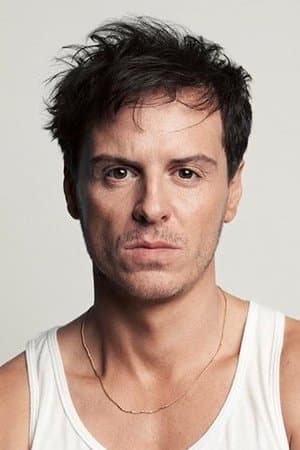
TELLURIDE, CO - The mountains here have a way of reshaping award seasons, and this year’s festival has already delivered its first major jolt. Andrew Scott has emerged from the High Altitude Film Festival as a bona fide front-runner in the Best Actor conversation, with buzz building intensely around his performance in the modern tragedy Elsinore. While the film itself was not part of the official festival lineup that matched early predictions, Scott’s presence in Telluride and the word-of-mouth from packed screenings have shifted the race’s tectonic plates.
Scott, the Irish actor who has long been a critics’ darling for stage work and television roles, is no stranger to complex psychological terrain. But Elsinore appears to have unlocked something new. The project, a retelling that draws heavily from Shakespearean themes without being a strict adaptation, places Scott at the center of a grief-stricken, unraveling narrative. Reports from Telluride attendees describe a performance of extraordinary range - one that moves from quiet, internalized devastation to explosive confrontation with a fluidity that leaves audiences audibly stunned in the dark.
What makes this particularly striking is the timing. The Best Actor field for the 2026 awards cycle was already considered crowded heading into the fall. Veteran heavyweights and buzzy newcomers had claimed early attention through summer festivals at Venice and Toronto. Scott, however, has now leapfrogged much of that competition without the benefit of a major studio marketing push. His trajectory recalls past Telluride launches where a single, powerful performance altered the entire narrative of a race - think of previous years when actors arrived with modest expectations and left as the name to beat.
The Telluride audience is famously discerning, a mix of Academy voters, top-tier critics, and international programmers who have seen everything. Their reaction to Elsinore has been described as rapturous, with multiple standing ovations reported at the festival’s historic Sheridan Opera House screenings. Industry insiders on the ground note that Scott’s work is being discussed not just as a great performance but as a transformative one - the kind that redefines a career. For an actor who has already delivered award-worthy turns in projects like All of Us Strangers and Fleabag, that is saying something considerable.
Part of the conversation centers on how Scott embodies the central figure of Elsinore’s royal heir with a raw, modern physicality. He reportedly performs the role with an almost dancer’s control, using silence as a weapon and making the audience feel every fractured thought. The film’s director, whose identity has been confirmed in festival materials, has structured the narrative to linger on close-ups and extended takes that demand complete commitment. Scott’s willingness to go to dark, uncomfortable places has clearly paid off.
Critics’ reactions are beginning to filter out through social media and early reviews, though formal critical consensus will take days to solidify. What has emerged so far is unanimous praise for Scott’s technical command. He is said to modulate his voice from a whisper to a roar with terrifying precision, shifting between registers of irony, sorrow, and menace in a single scene. Observers note he carries the film with a magnetic presence that makes supporting players feel like satellites around his gravity.
The implications for the Oscar race are immediate. With the Academy’s new diversity and inclusion standards continuing to shape nominations, a performance like Scott’s - rooted in classical text but delivered with fully contemporary emotional stakes - holds obvious appeal across multiple branches. His previous Emmy nomination for Ripley and BAFTA recognition for stage work give him credibility with international voters. The fact that Elsinore appears to be a smaller, more intimate production working against his favor could actually help; Telluride audiences often reward artistry over spectacle.
The conversation now shifts to distribution and release strategy. Festivals can generate heat, but without a wider theatrical rollout timed to keep the buzz alive, momentum can evaporate. Sources familiar with the production indicate that acquisition talks have intensified dramatically since the screening, with several major studios and streamers now in active bidding. A well-timed fall release could cement Scott’s status as the front-runner heading into December. A delayed rollout risks allowing other contenders to catch up.
Comparisons are already being drawn to past Telluride launches. In 2023, a performance that premiered there went on to win the Oscar; in 2019, another did the same. The pattern is clear, and Scott now finds himself in the ideal position that many actors dream of - arriving early enough to define the season, with enough raw material to sustain months of campaign scrutiny.
For now, the actor has kept his public comments measured, thanking festival audiences with humility and deflecting questions about awards. Colleagues on the ground describe him as focused, rehearsing between events and engaging thoughtfully with filmgoers at Q&As. He seems aware that this moment matters, but he appears less interested in the trophy than in the work being seen.
As the festival winds down and the industry jets off to the next stop on the circuit, the question is no longer whether Andrew Scott will be in the Best Actor conversation. It is whether anyone else can catch him. Telluride has issued its verdict, and the race has a new leader.
Source: The Hollywood Reporter