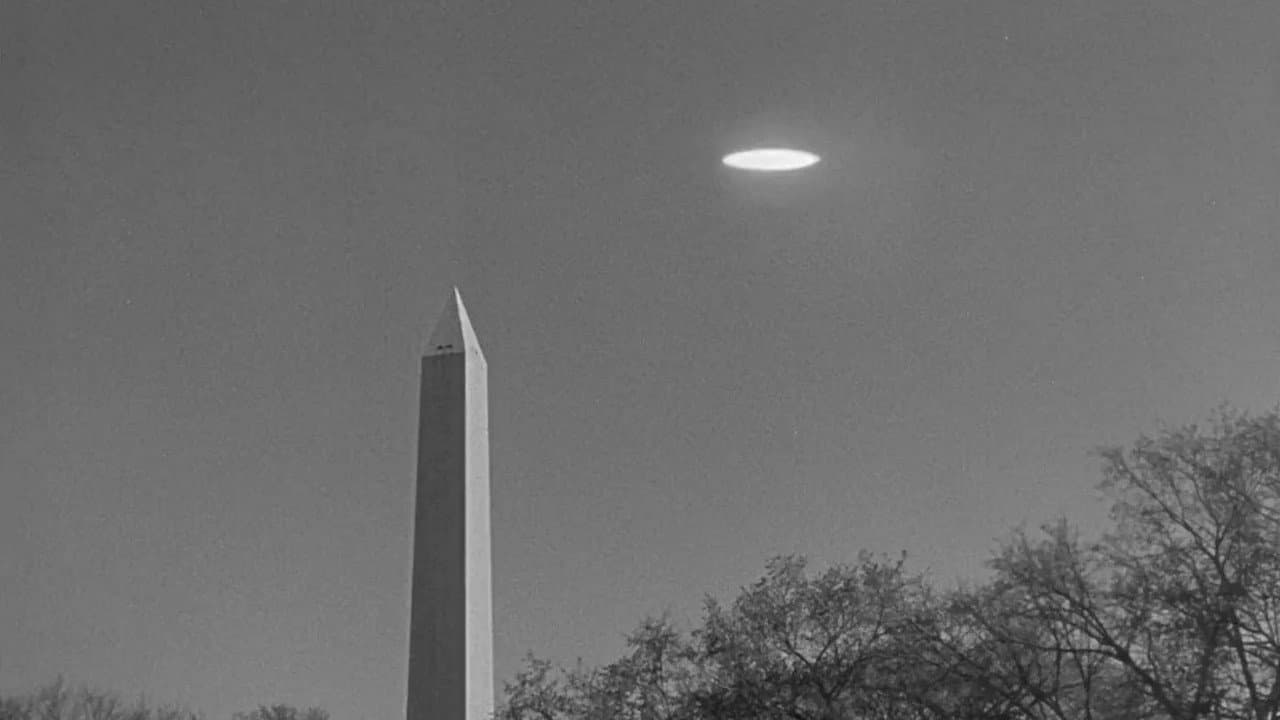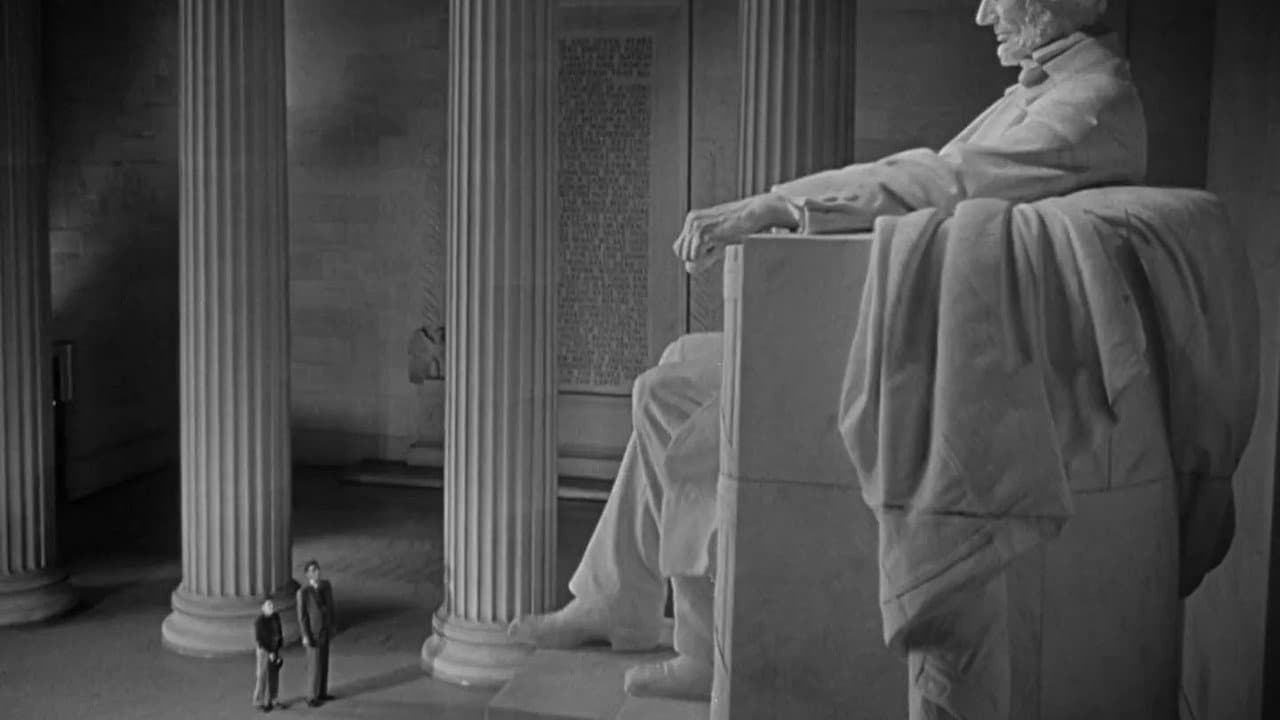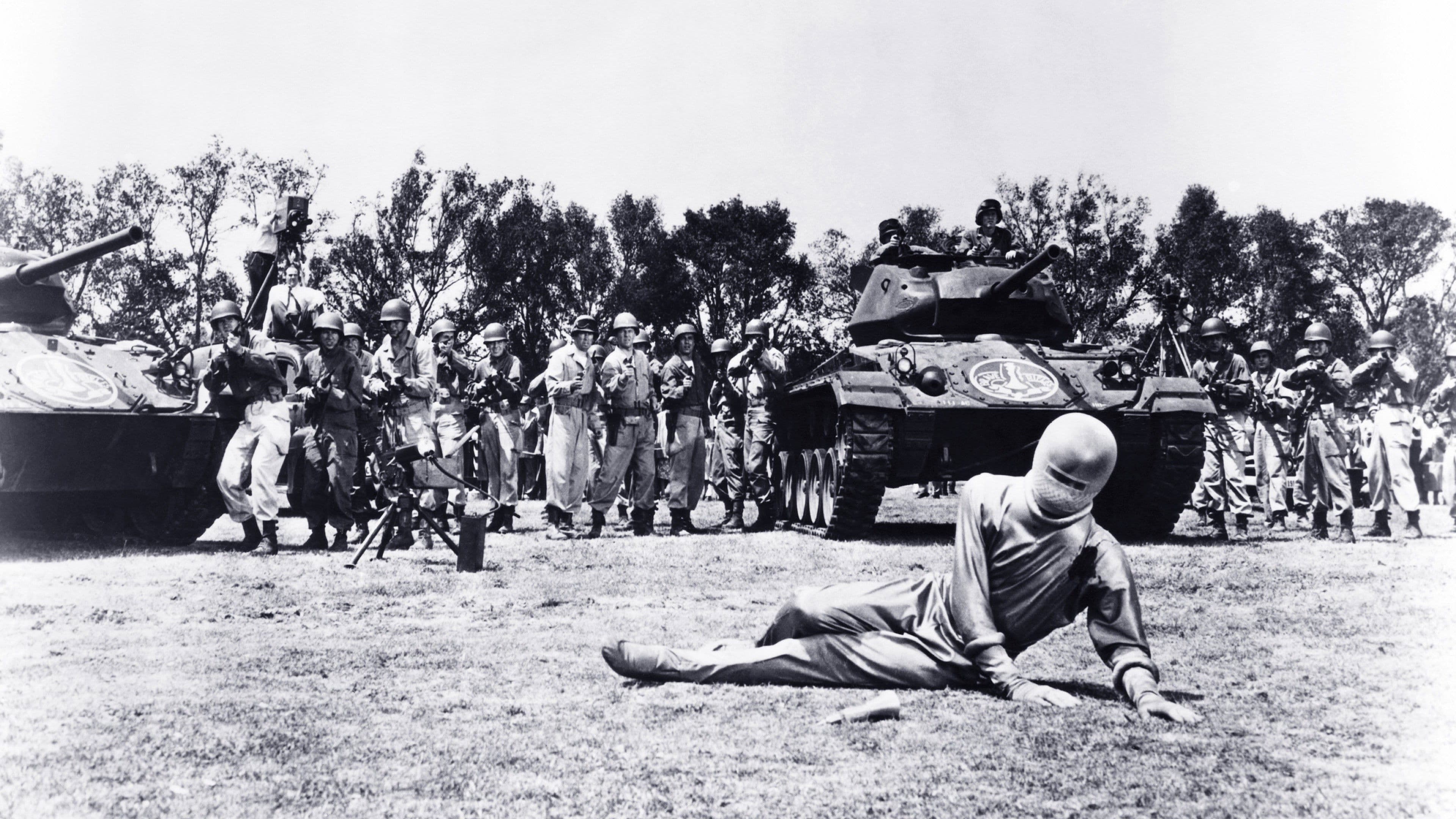
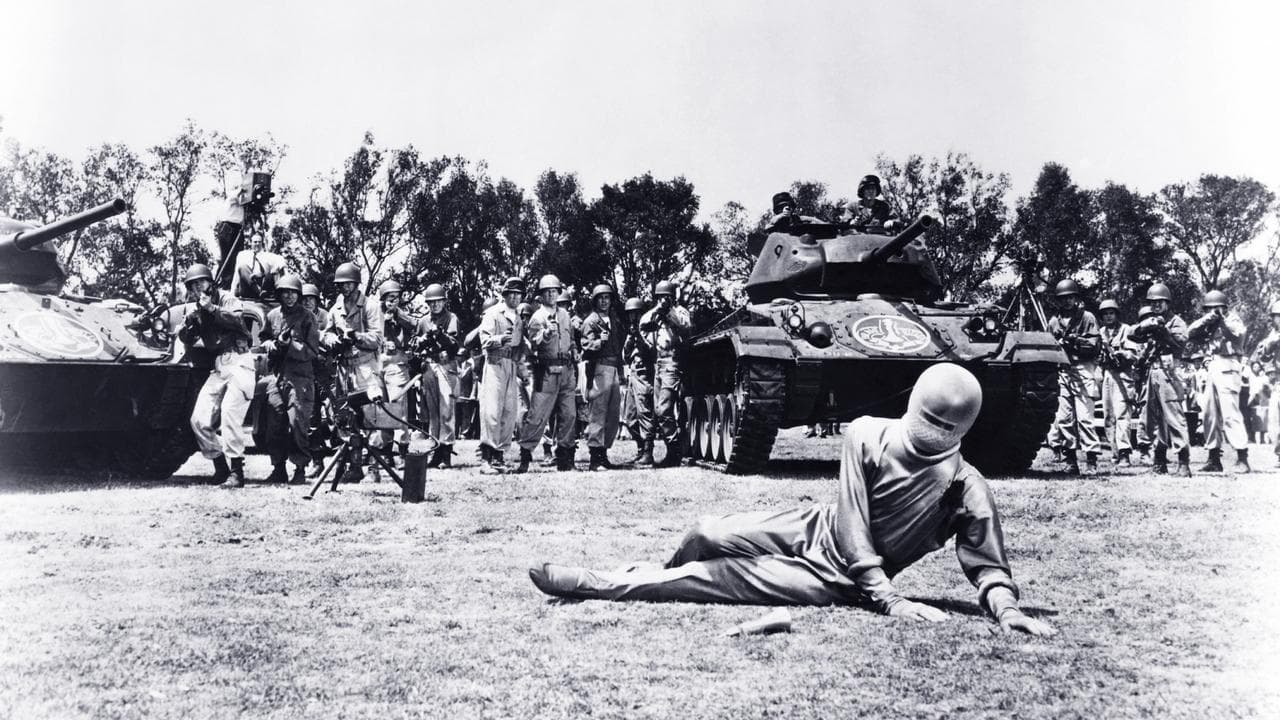
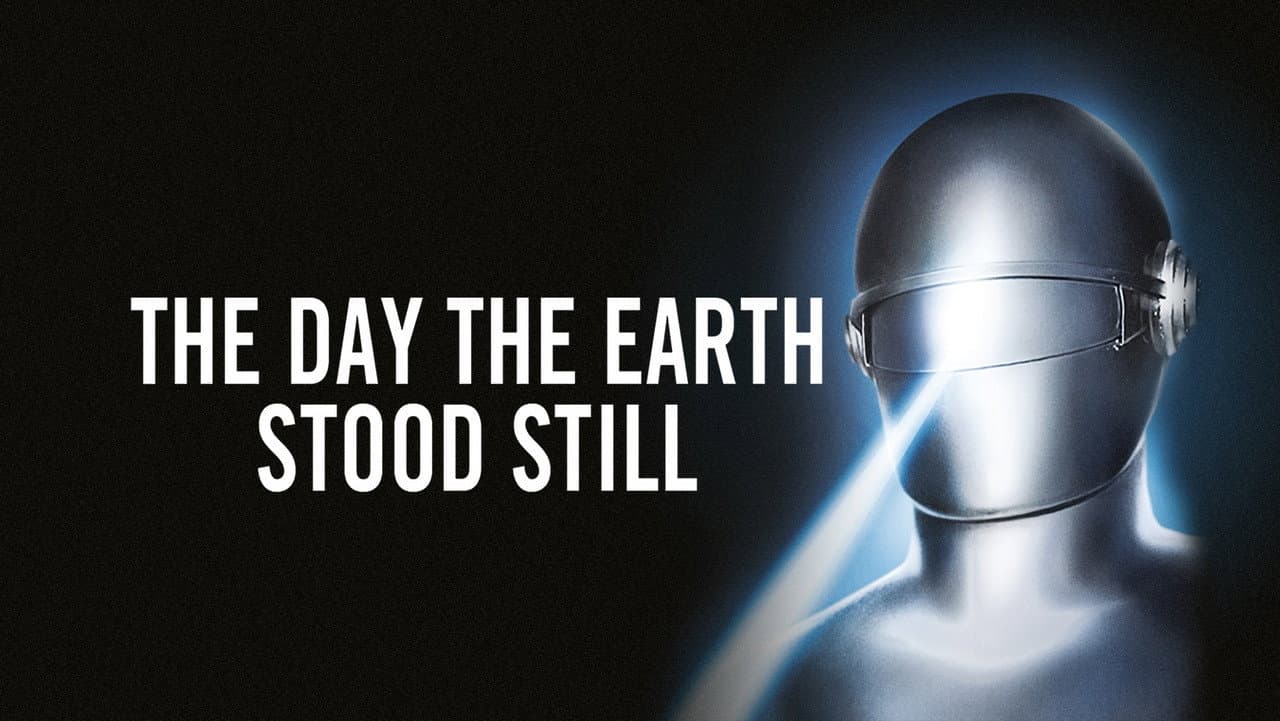
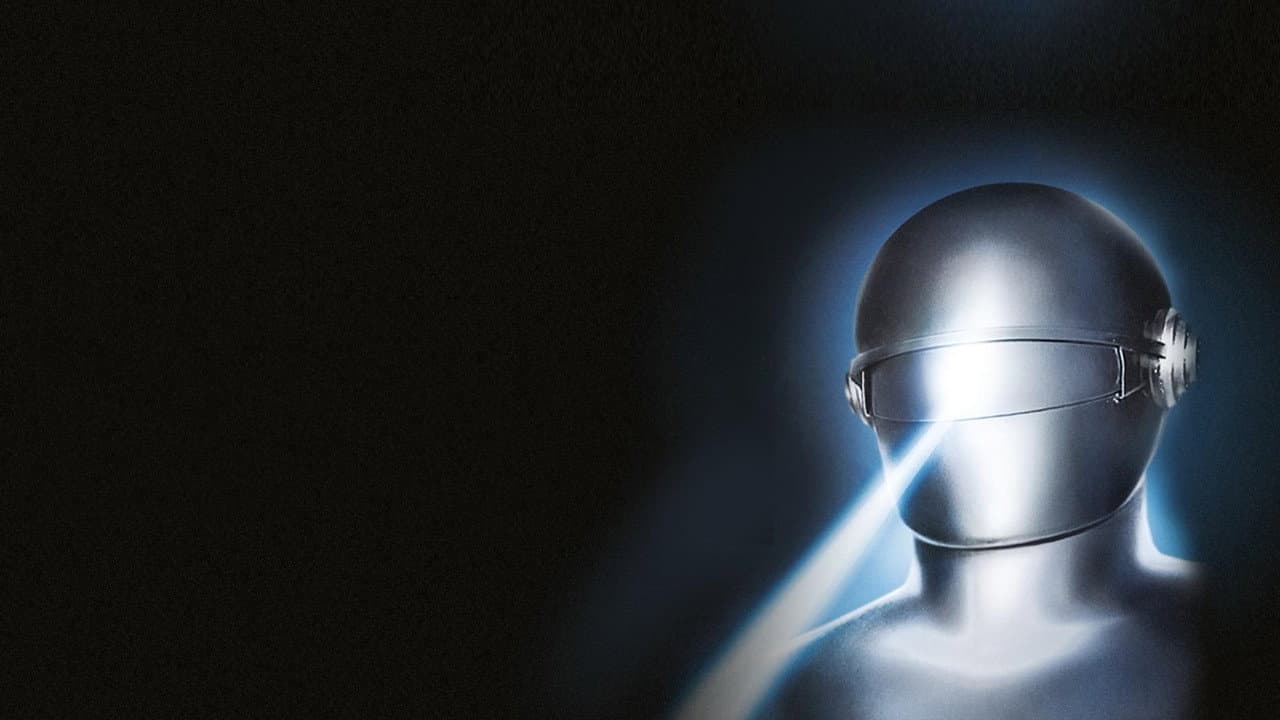
Seventy-five years after Robert Wise's "The Day the Earth Stood Still" first warned audiences that the planet was running out of second chances, the film's central image - a silver saucer settling onto the grass of the National Mall - remains one of science fiction's most durable. The Hollywood picture opened on September 18, 1951, and has since been rediscovered by each generation that inherits its anxieties. In 1951, The Hollywood Reporter's review recognized something unusual in a genre then dominated by bug-eyed monsters and ray-gun serials: a movie that treated the arrival of an extraterrestrial as a moral test rather than a thrill ride.
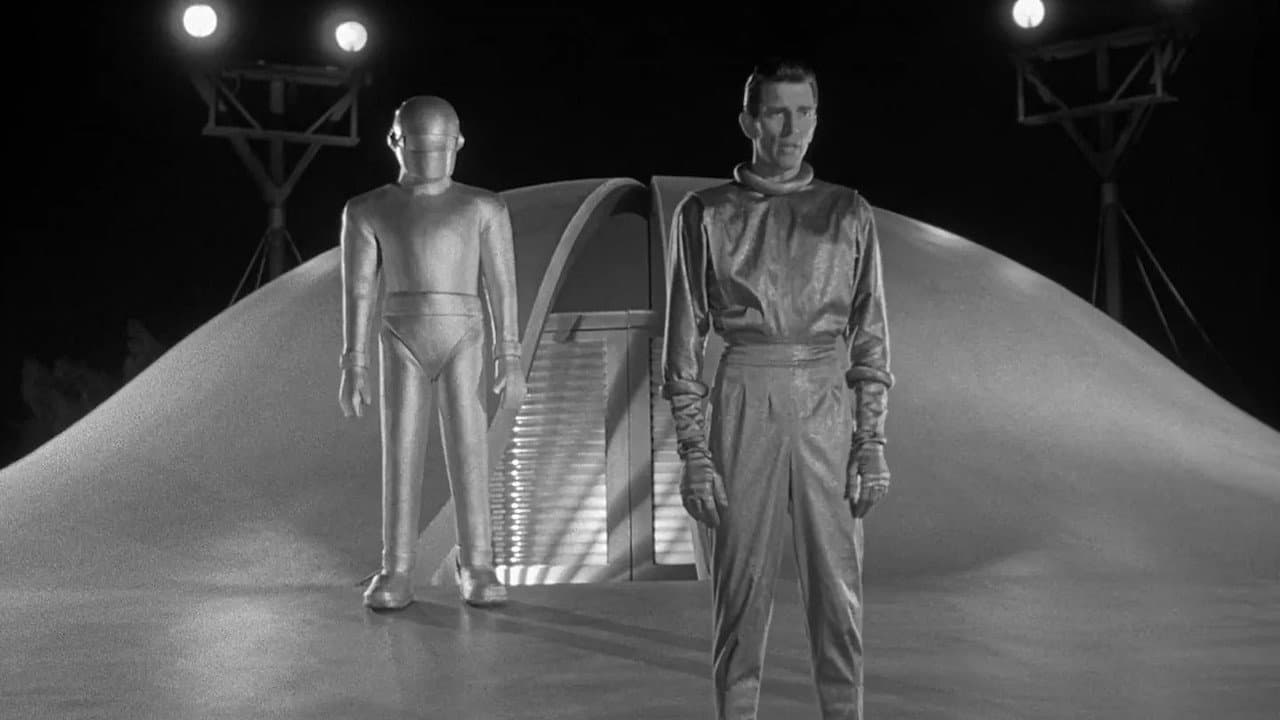
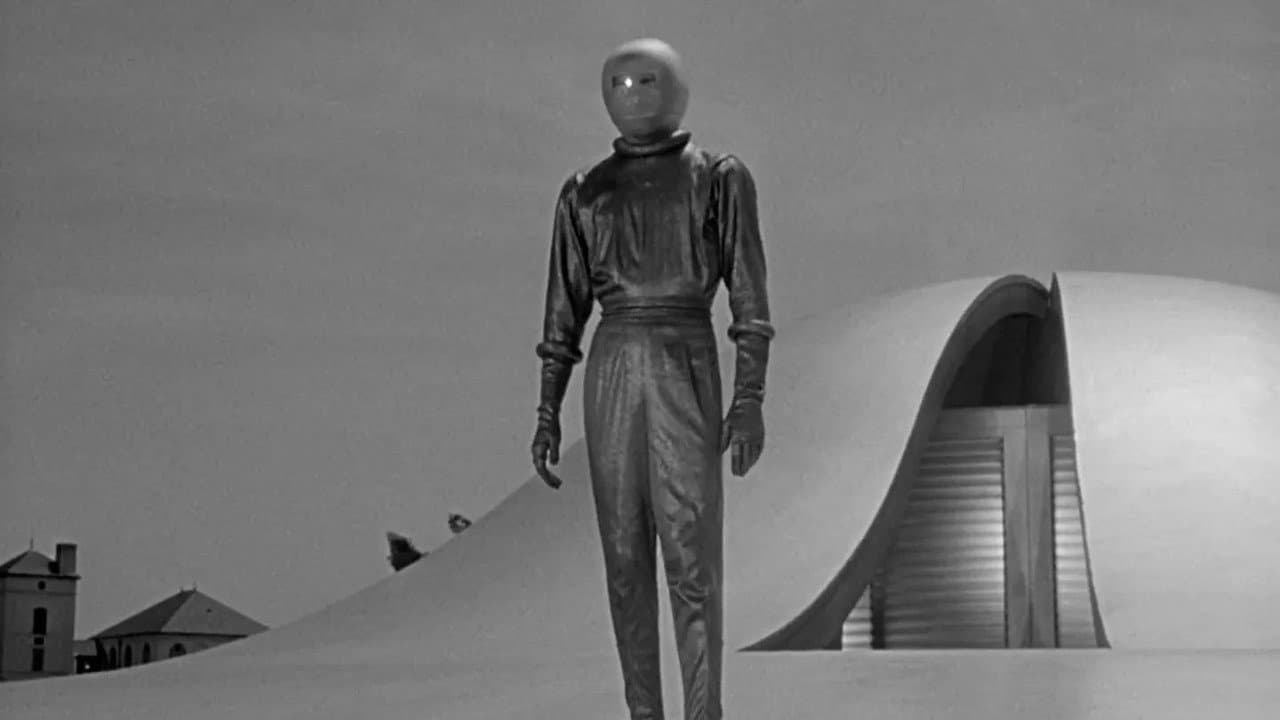
The premise is deceptively simple. A visitor from another world, accompanied by a towering robot, lands on Earth in the years following World War II and delivers a blunt ultimatum: abandon your wars and your weapons, or be destroyed. The visitor is Klaatu, played with cool, otherworldly calm by Michael Rennie, who adopts the alias "Mr. Carpenter" while moving among humans. Patricia Neal portrays Helen Benson, a widow who becomes his unlikely ally; Billy Gray plays her son, Bobby; Sam Jaffe inhabits the physicist Prof. Jacob Barnhardt, who grasps the visitor's purpose more quickly than any general or politician. Hugh Marlowe appears as Tom Stevens, Lock Martin looms as the robot Gort, and Freeman Lusk and Edith Evanson round out the human cast as General Cutler and Mrs. Crockett.
Wise, who would go on to direct "West Side Story" and "The Sound of Music," keeps the 92-minute film tight and largely earthbound. That choice is deliberate. The picture's tension does not come from interstellar spectacle but from the stubborn refusal of governments and ordinary people to listen. The robot Gort, standing silent and immovable outside the saucer, functions less as a monster than as a verdict waiting to be carried out.
The Hollywood Reporter's 1951 notice, like much of the contemporary reception, was struck by how much the film had on its mind. Here was a science fiction release that borrowed the grammar of the Cold War - the standoff, the suspicion, the talk of annihilation - and pushed it to its logical conclusion. The review singled out the production's seriousness of intent, its refusal to let the hardware overwhelm the argument. Gort and the saucer were memorable, but the film's real subject was the human capacity for self-destruction and the possibility, however faint, that a well-placed warning might change the outcome.
That the picture arrived in American theaters less than a decade after the bombings of Hiroshima and Nagasaki, and in the same year that the Soviet Union and the United States were deepening their nuclear rivalry, gave its message an urgency that has not faded. The demand Klaatu carries - live in peace or perish - reads differently in each era that screens it. During the arms race, it sounded like prophecy. In later decades, it was read as an ecological parable, a plea for planetary stewardship. Today, its nuclear warning coexists with a newer anxiety about who, or what, might arrive from above and what terms they might set.
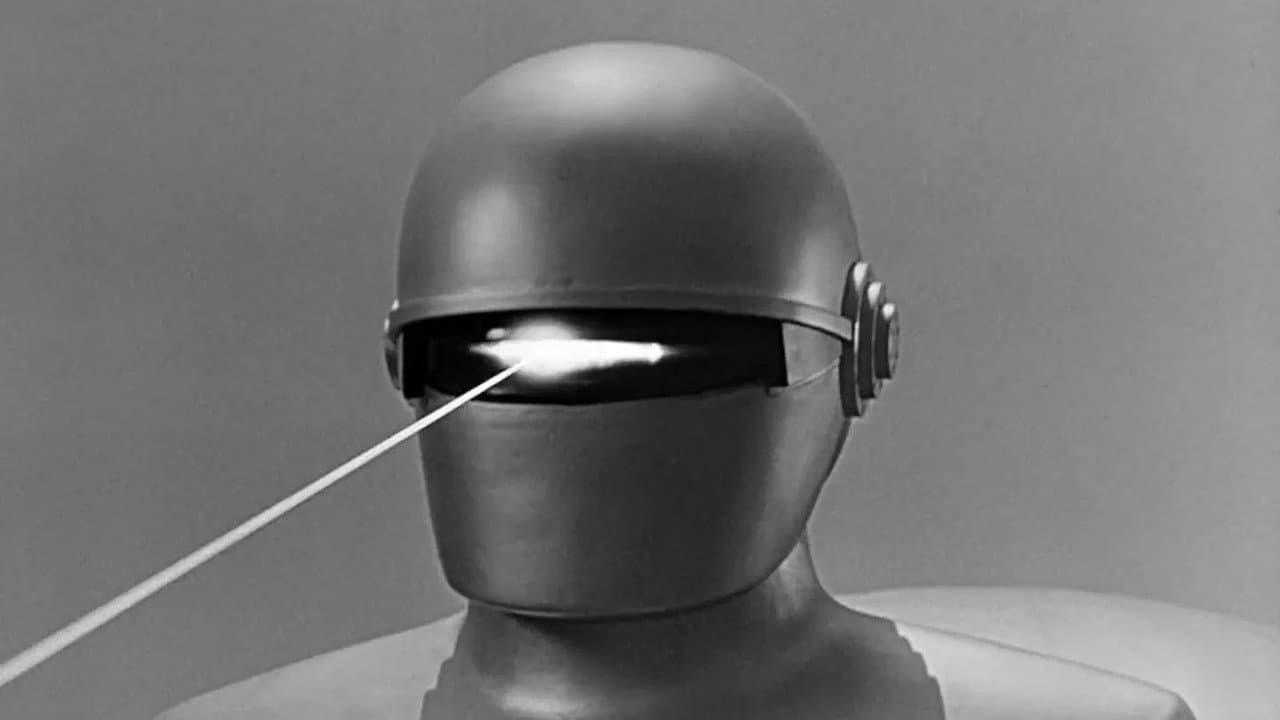
The film's cultural footprint extends well beyond its initial release. Klaatu's command to Gort - a phrase that has become one of the most quoted lines in the genre - and the image of the robot's visor glowing before destruction were absorbed into the wider language of popular culture. A 2008 remake, starring Keanu Reeves, restaged the premise for a new century, though it met with a far cooler reception than Wise's original.
What continues to distinguish the 1951 version is its restraint. Wise stages the arrival, the interrogation, the escape, and the final reckoning without a single flourish that feels obsolete. The film runs 92 minutes and wastes almost none of them. It belongs simultaneously to the science fiction and thriller categories, yet it carries the weight of a drama about conscience - a story in which the aliens are the reasonable ones and the humans are the ones in need of saving from themselves. Its sustained 7.5-out-of-10 rating reflects a consensus that has held steady across decades.
For a Hollywood production released at the dawn of the atomic age, that is no small achievement. "The Day the Earth Stood Still" asked its audience to imagine that the most frightening thing in the universe was not an invader from the stars but the species waiting to greet it. Seventy-five years on, the question has lost none of its force.
Source: The Hollywood Reporter