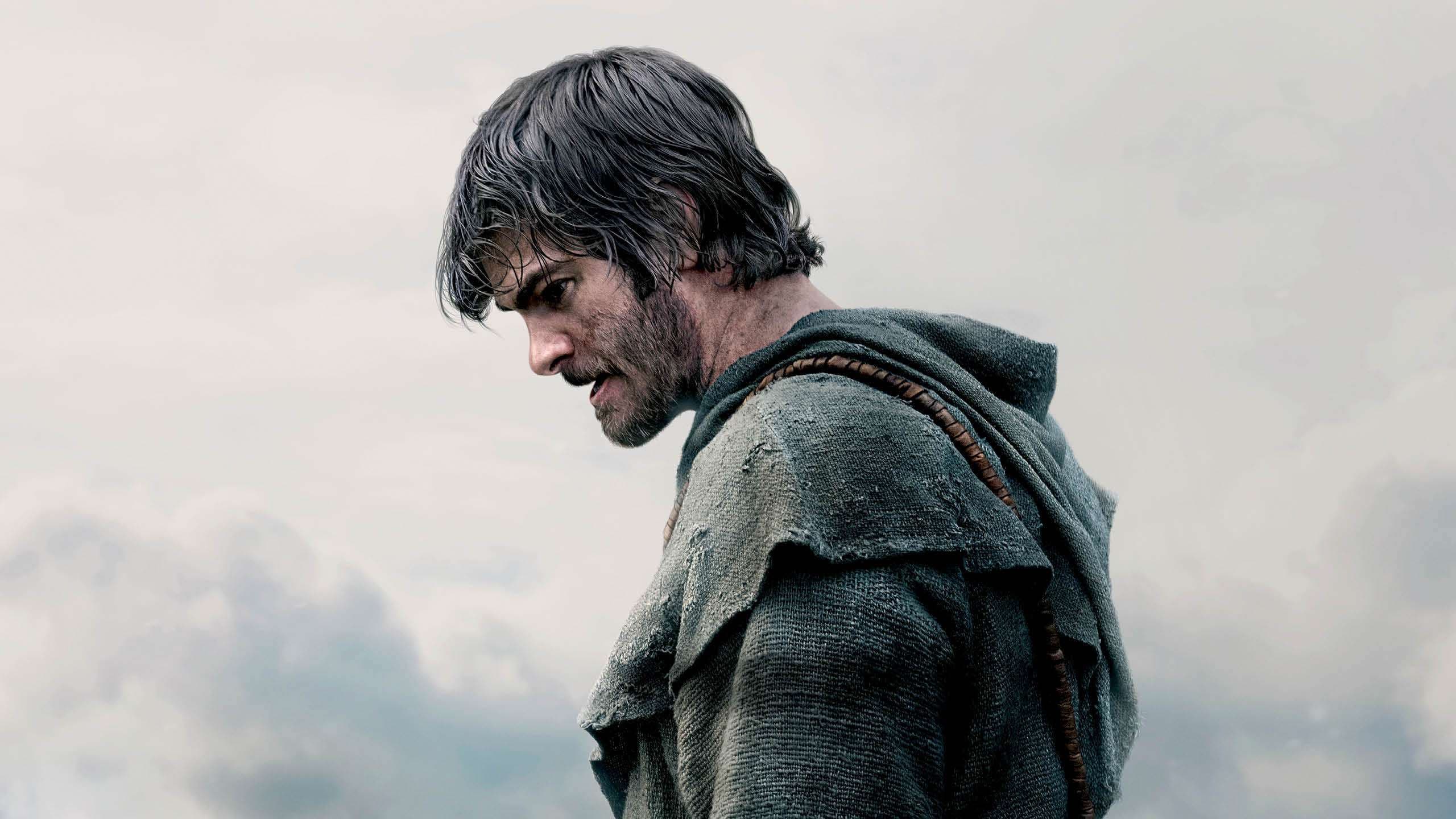
The film opens not with a merry band but with a massacre. Robin Hood (Jackman), now middle-aged and scarred, leads a raid on a Norman garrison that goes sideways. He takes a crossbow bolt to the ribs and a sword slash across the thigh, and he barely escapes into the woods, where he collapses in a creek bed. He is found by Sister Brigid (Jodie Comer), a young nun traveling to a remote leper colony. Brigid is no damsel; she’s pragmatic, sharp-tongued, and harboring her own wounds - spiritual rather than physical. She drags Robin to the colony, where the titular Leper (Murray Bartlett, unsettlingly smooth) rules over a community of the sick and the damned. Robin’s old comrades - Little John (Bill Skarsgård, playing the big man as a hulking, guilt-ridden wreck) and young Arthur (Noah Jupe, in a dual role as both a loyal follower and a ghost from Robin’s past) - track him down, but salvation, as it turns out, is not a reward for good deeds. It is a surgery that might kill you first.
Advertisement
160×600
Left Ad
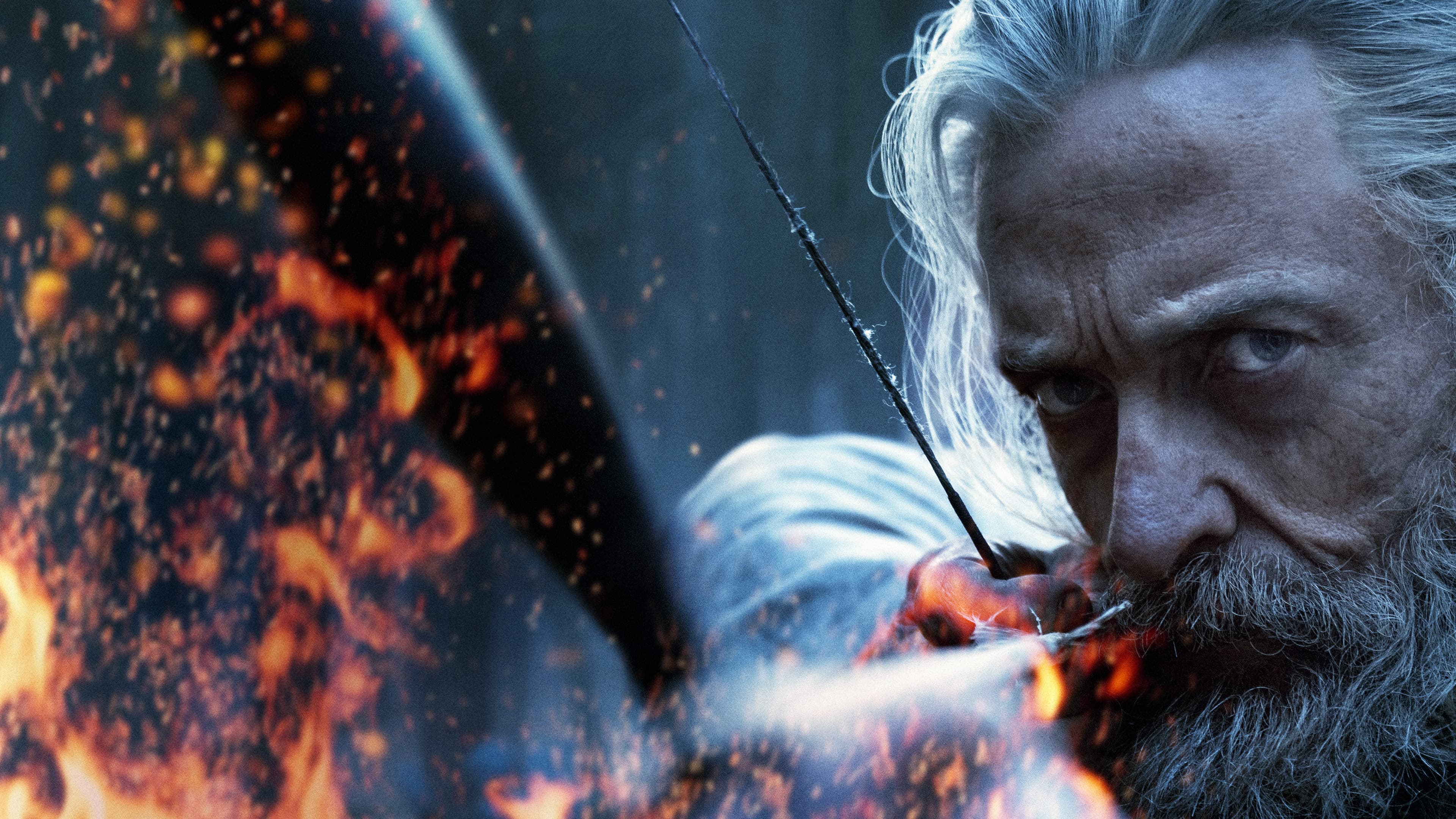
The Death of Robin Hood Review: A Dark, Gritty Retelling
Read our review of 'The Death of Robin Hood'. Does this bold, visceral reimagining of the outlaw legend succeed? Find out.
Director
Michael Sarnoski
Language
EN
Release
2026-06-18
Runtime
123 min
Quick Verdict
The Death of Robin Hood is a bold, unflinching deconstruction of a myth, anchored by a ferocious Hugh Jackman performance and Sarnoski’s signature patience with silence and squalor. It will frustrate anyone expecting galloping adventure, but for those willing to sit in the mud with a dying outlaw, it offers a haunting meditation on violence, faith, and the impossibility of outrunning your past. A challenging but rewarding film.
Story
Review
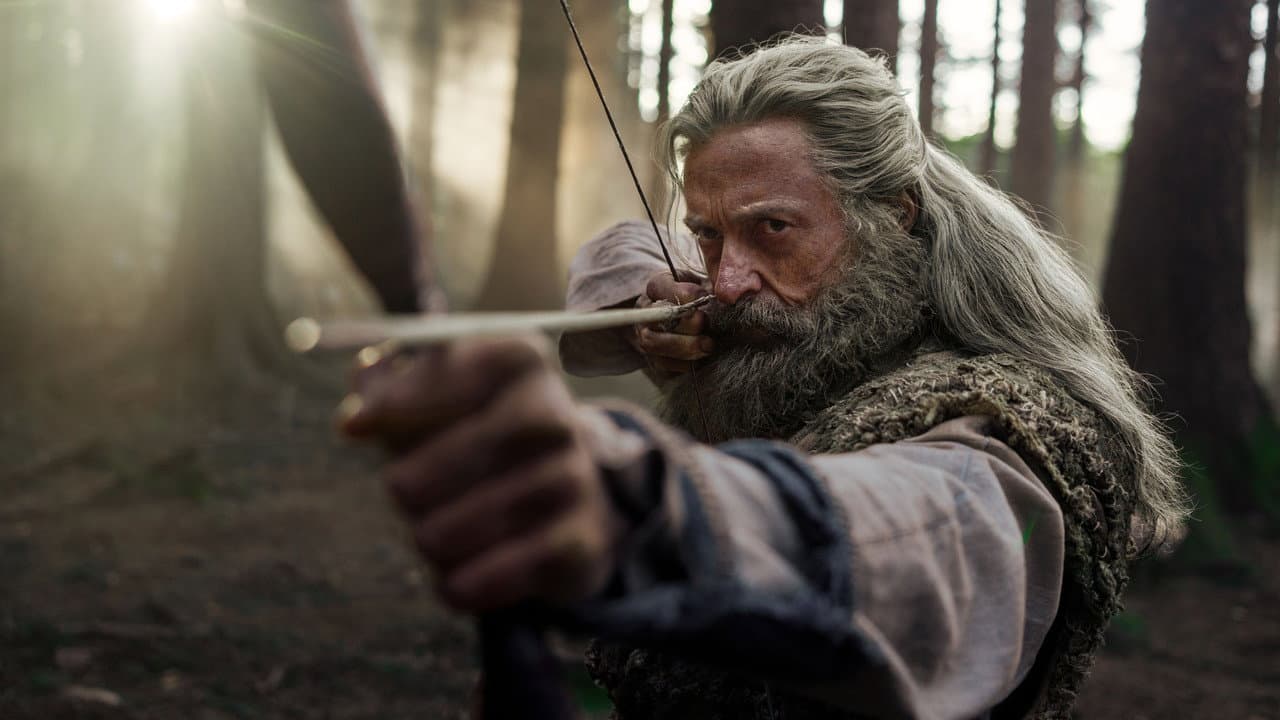
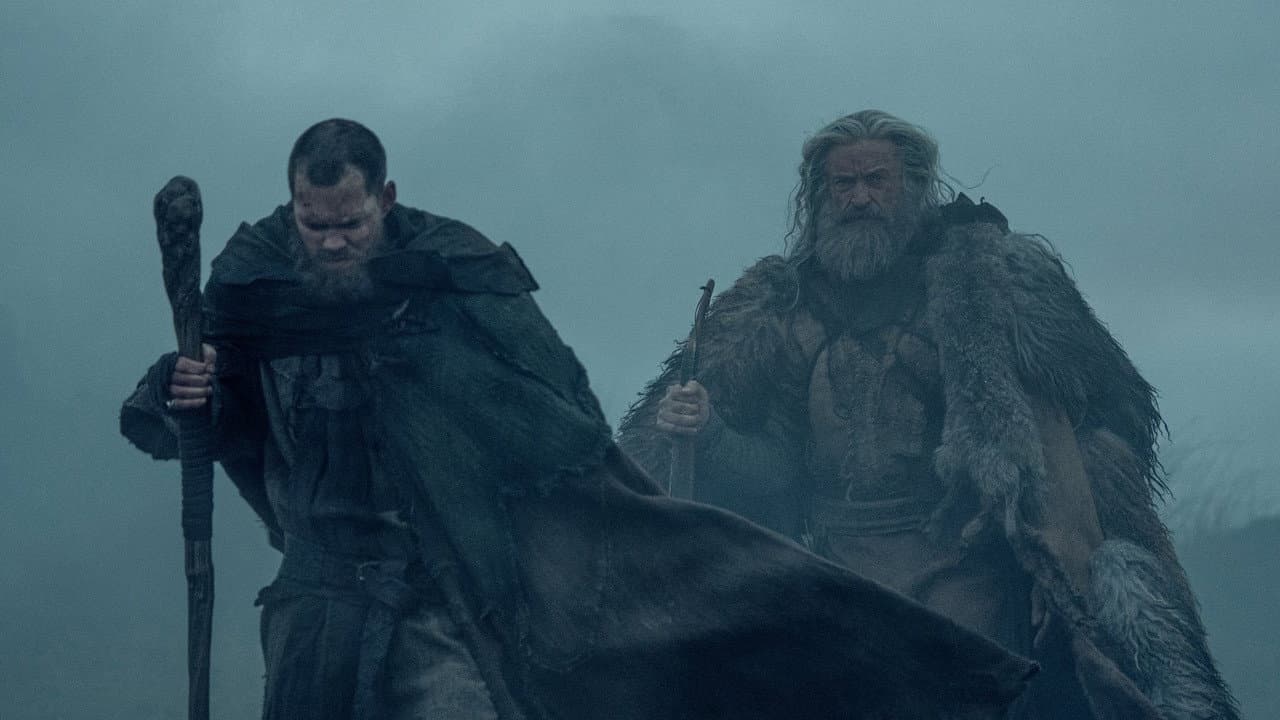
Sarnoski has always been interested in what happens when the violence stops - the silence after the shot, the slow rot of a life lived by the sword. The Death of Robin Hood extends that interest to epic length. The film’s 123 minutes are deliberately paced, almost meditative, with long stretches of dialogue between Robin and Sister Brigid that feel like confessionals. Jackman, his voice a ragged growl and his body a map of old wounds, gives one of his finest performances. He plays Robin not as a folk hero but as a man who has killed so many men he can no longer count them - and the script doesn’t let him off the hook. The Merry Men are not merry here; Skarsgård’s Little John is a wreck of guilt, and the film’s most brutal scene involves Robin’s teenage son Arthur (Jupe, wrenching) confronting his father about a death that echoes the film’s opening.
Jodie Comer’s Sister Brigid is the film’s moral compass, but Comer avoids sanctimony. Brigid is weary, her faith tested by the suffering she sees, and her scenes with Jackman crackle with a tense, unsentimental chemistry. Murray Bartlett, meanwhile, turns the Leper into a quiet antagonist - a man who has made peace with decay and offers Robin a chillingly practical form of grace: “You can’t be forgiven for what you did. But you can stop doing it. That’s the only forgiveness that matters.” The film’s production design is grimly beautiful: fog-shrouded forests, mud-slicked huts, a leper colony that feels both medieval and timeless. The action, when it comes, is brutal and brief - a single, desperate fight that feels less like a climax and more like a mercy killing.
Where the film stumbles is in its third act, which introduces a subplot involving a church inquisition that feels slightly rushed and undercooked. A key character’s turn to villainy lands with a thud, missing the emotional resonance the story needs. And for all its thematic ambition, the movie never quite answers the question it poses: is Robin Hood’s survival a miracle or a punishment? The ambiguity is deliberate, but some viewers may find it frustrating rather than profound. The TMDb rating of 6.742/10 feels about right - a film that earns respect more than adoration.
Pros & Cons
Pros
- Hugh Jackman delivers a career-best performance, raw and unglamorous.
- Jodie Comer and Bill Skarsgård provide excellent, grounded support.
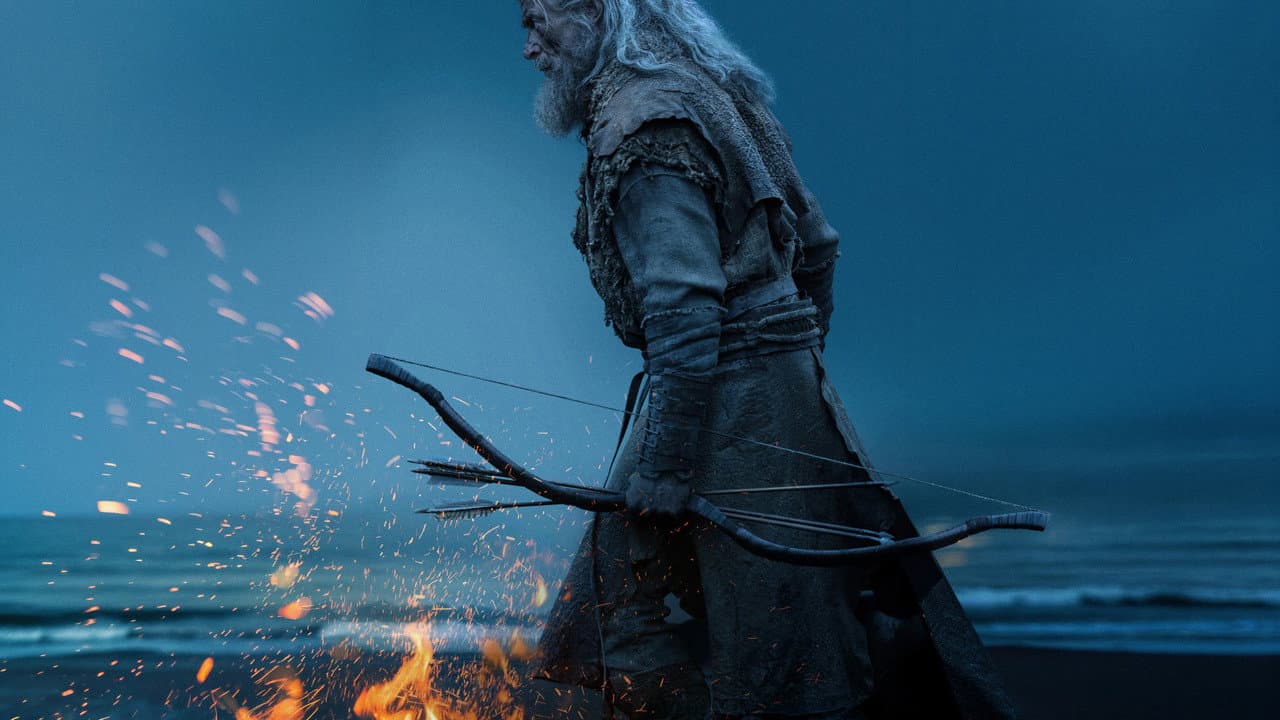
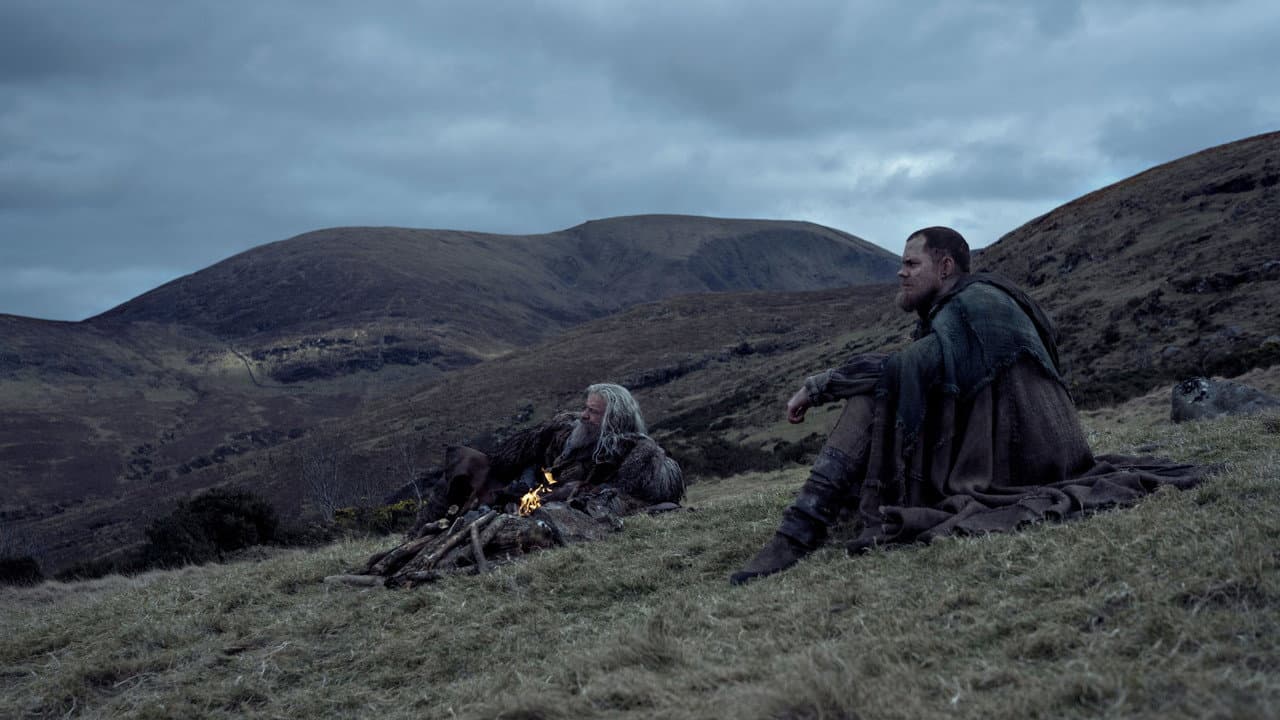
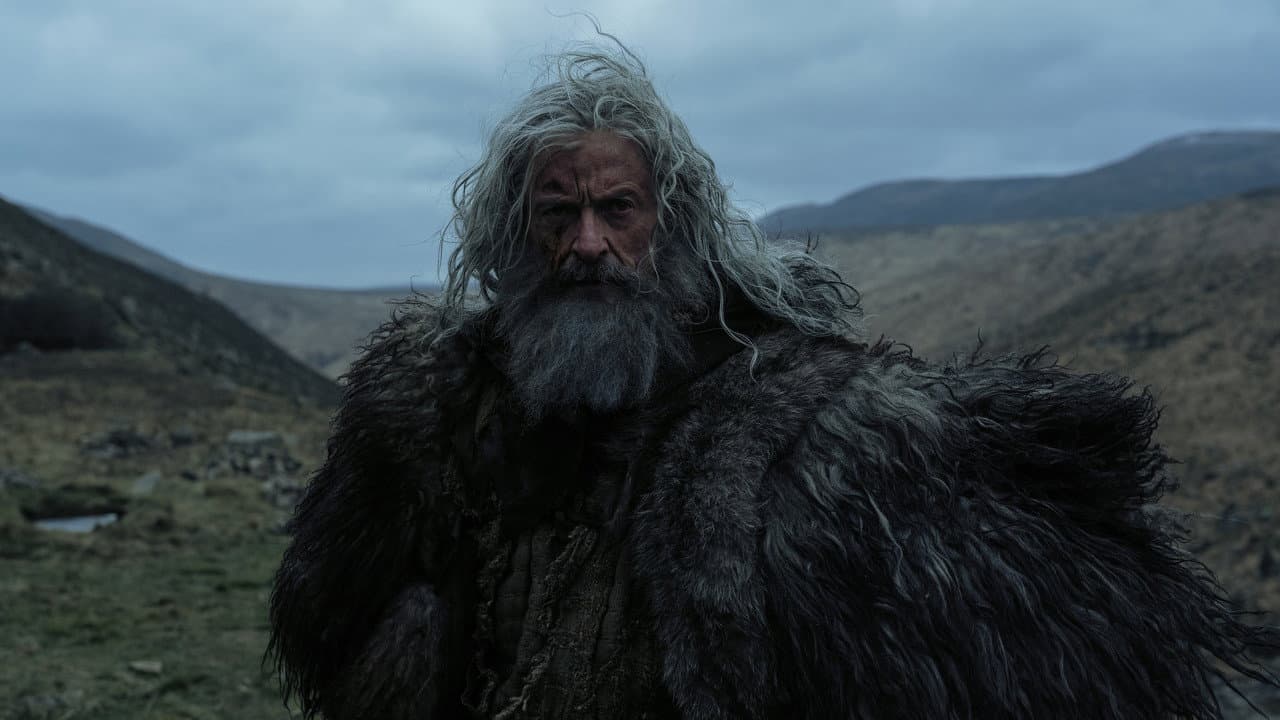
- Michael Sarnoski’s direction is atmospheric and patient, soaking the screen in dread and dirt.
- The film refuses to romanticize its hero; it’s morally complex without being pretentious.
- The sound design - especially the wet crack of an arrow hitting flesh - is visceral and memorable.
Cons
- The pacing will test viewers expecting action; long stretches of dialogue may feel static.
- The third act introduces a rushed antagonist and a muddled religious-political angle.
- Some supporting characters (Faith Delaney’s Little Margaret, Tabitha Smyth’s Sarah) are underserved.
- The ending is intentionally ambiguous, which may feel like a cop-out rather than a provocation.
- Fans of the traditional Robin Hood mythos may feel the film is nihilistic to a fault.
Rating Breakdown
Final Verdict
The Death of Robin Hood is not an easy film. It asks you to sit with a man’s sins, to watch him bleed, to listen to a nun argue theology while a leper whispers parables. It rewards patience with moments of unexpected grace - a hand clasped in the mud, a quiet admission of guilt, the final, wordless glance between a father and his son. But it also frustrates, particularly in its rushed final stretch and its refusal to give the audience a neat narrative catharsis. This is a bold, flawed, and often beautiful meditation on what it means to live long enough to become a monster - and whether redemption is even a word that applies to men like Robin Hood. Recommended for those who like their heroes broken, their forests cold, and their endings earned in blood and silence.
Cast
Hugh Jackman
Robin Hood

Jodie Comer
Sister Brigid

Bill Skarsgård
Little John
Murray Bartlett
The Leper
Noah Jupe
Arthur / Godwyn
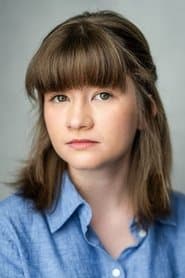
Jade Croot
Wainwright

Faith Delaney
Little Margaret

Tabitha Smyth
Sarah
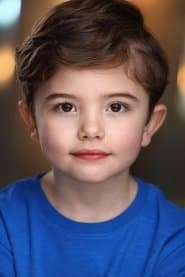
Beau Thompson
Hob
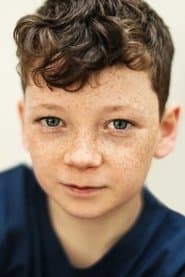
Alfie Lawless
Hendrie
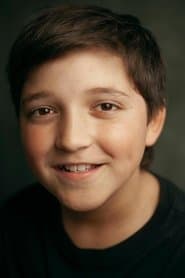
Asher de Silva
Moshe

Elijah Ungvary
Hairy Kinsman
Gallery
Similar Movies

Related Reviews

Advertisement
160×600
Right Ad