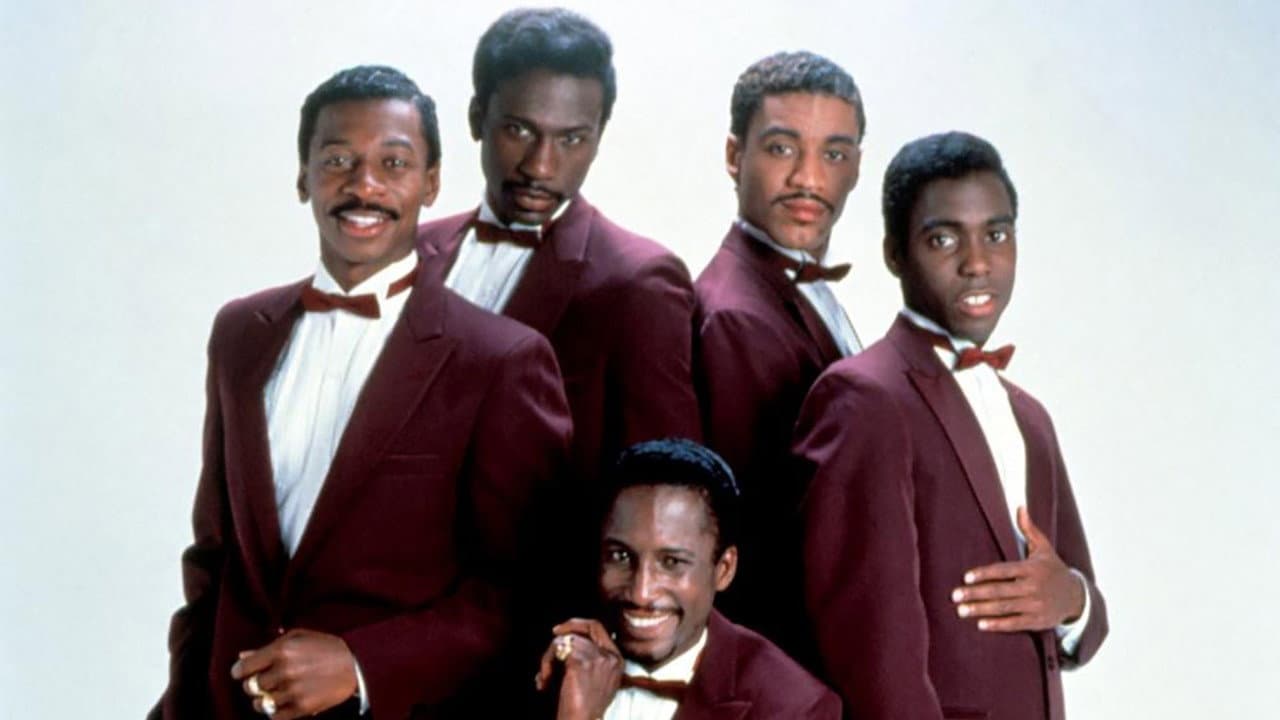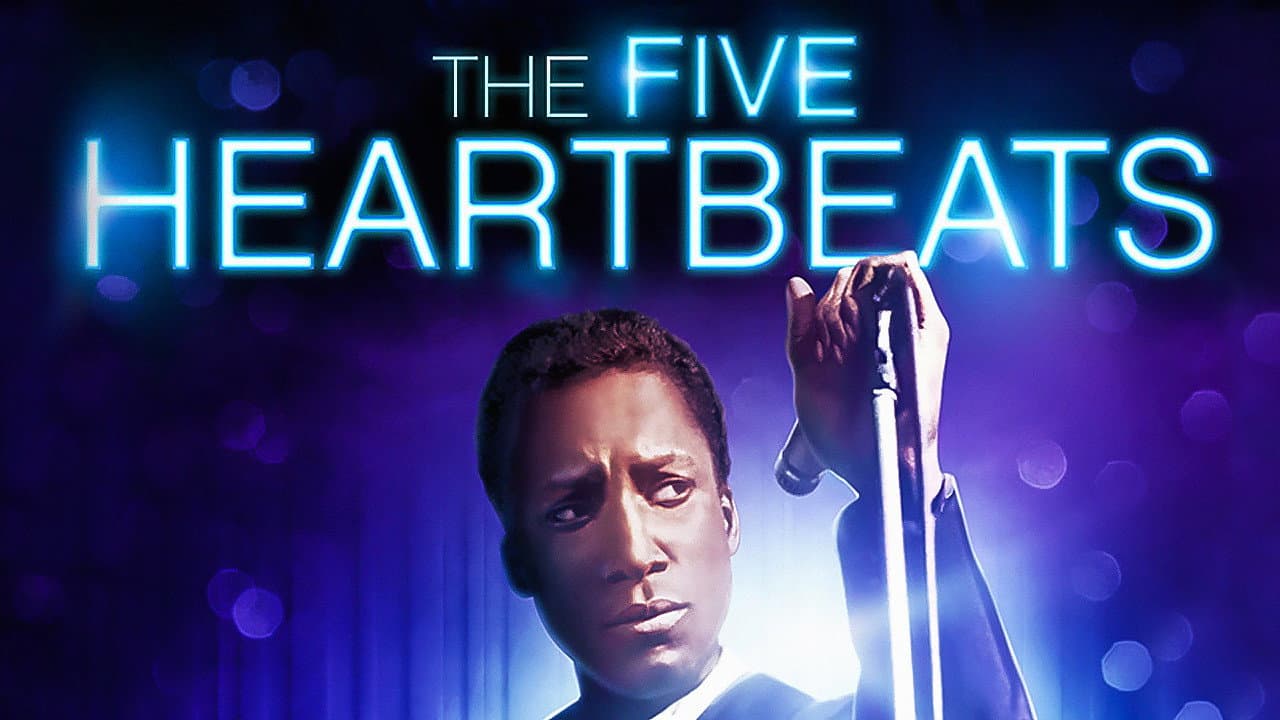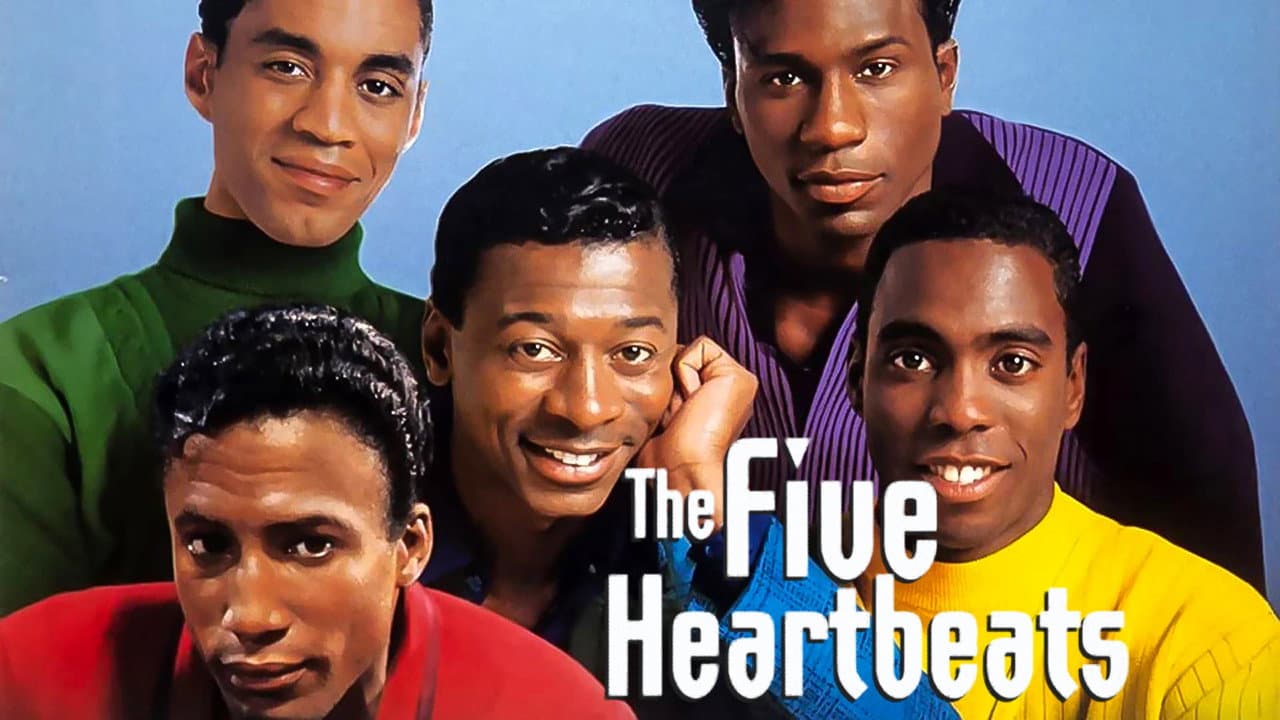
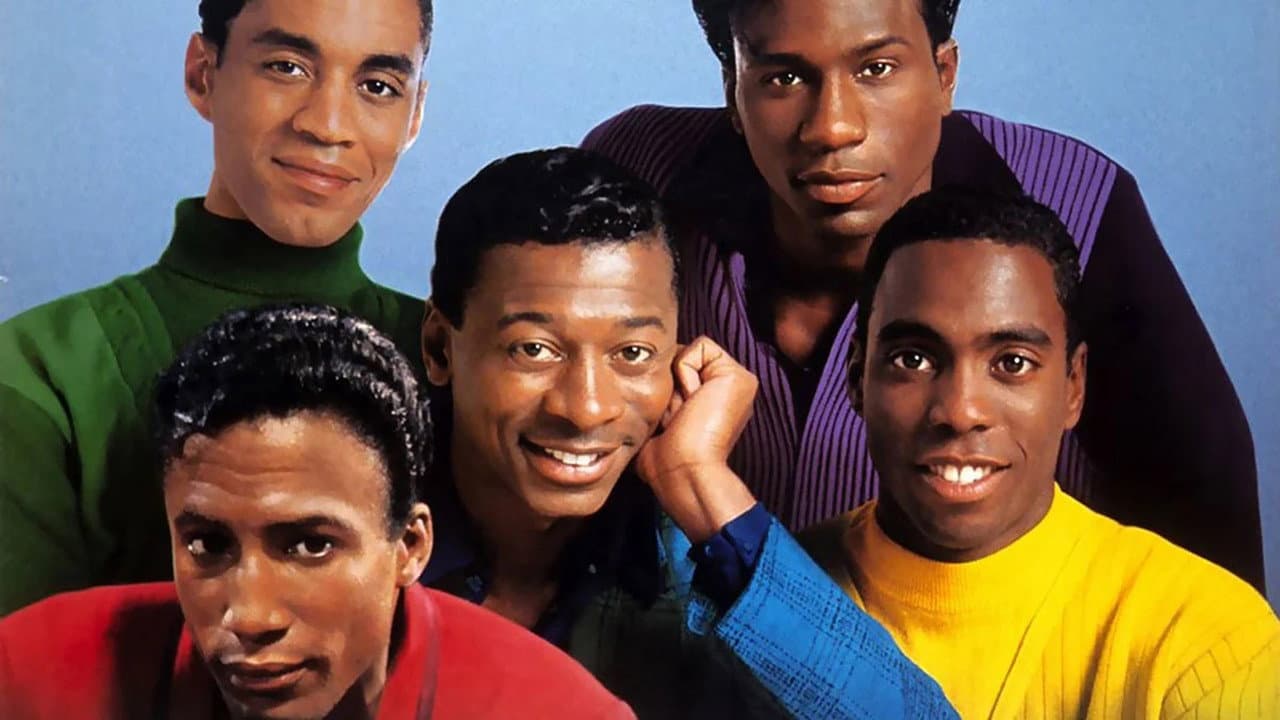
Michael Wright, the actor who brought quiet intensity and soulful complexity to the role of Eddie Kane Jr. in the beloved 1991 music drama The Five Heartbeats, has died. He was 70. The news of his passing was confirmed on Saturday, August 22, 2026, though the cause of death has not been immediately disclosed.
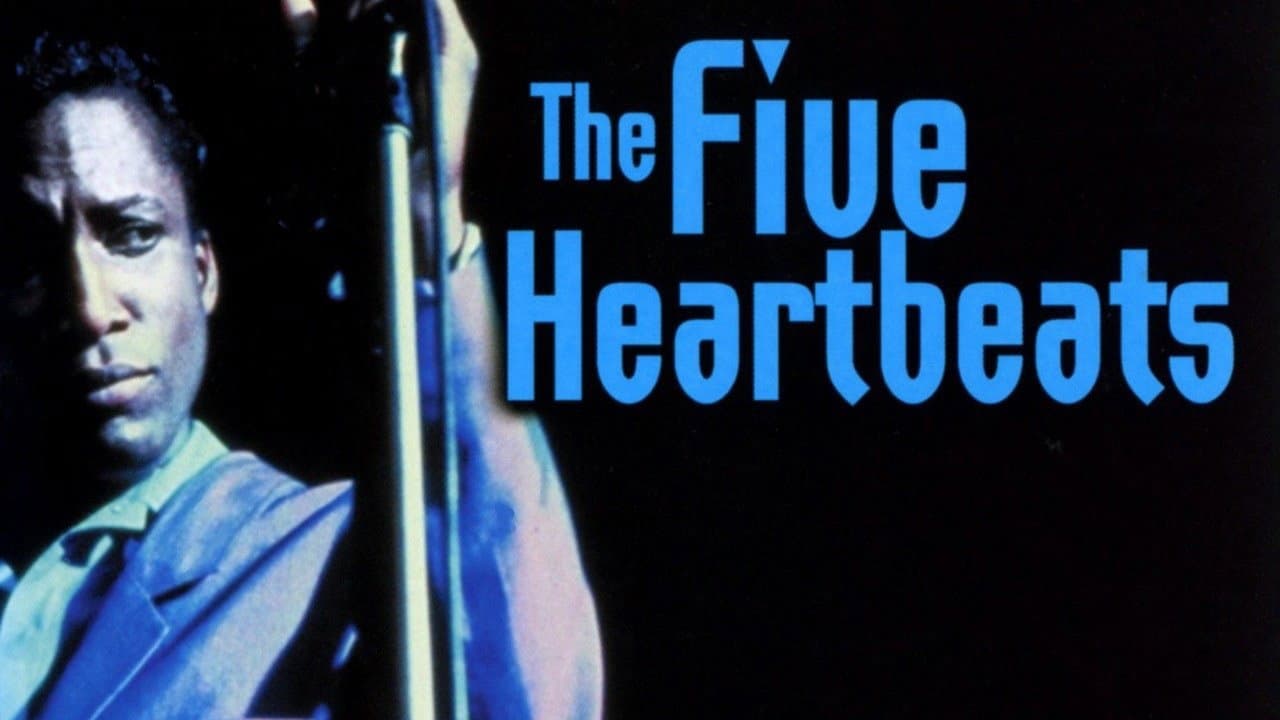
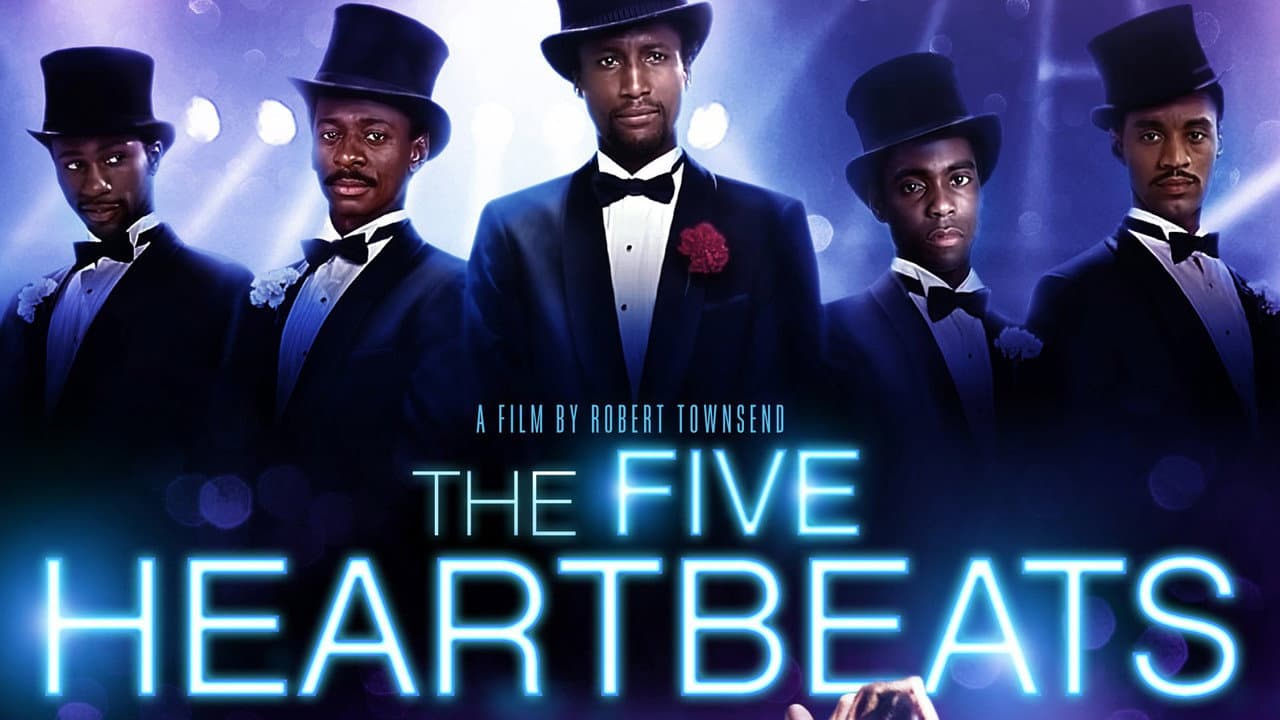
Wright’s portrayal of Eddie, the group’s brooding lead singer whose struggles with pride and personal demons threatened to tear the fictional vocal quintet apart, remains one of the most memorable performances in a film that has since become a cultural touchstone. His work in the movie, which was directed by and starred Robert Townsend, earned him generations of devoted fans who recognized the depth he brought to a story about friendship, sacrifice, and the high cost of ambition in the music industry.
While The Five Heartbeats would become his most defining screen role, Wright’s career spanned several decades and included a notable stint in the original 1980s science-fiction series V. In that landmark television show, he played a character whose presence added a layer of human grit to the alien-invasion allegory, showcasing his ability to handle genre material with a grounded, naturalistic approach that stood out against the show’s more theatrical performances. That early work helped establish him as a versatile actor capable of shifting between dramatic weight and more fantastical storytelling with ease.
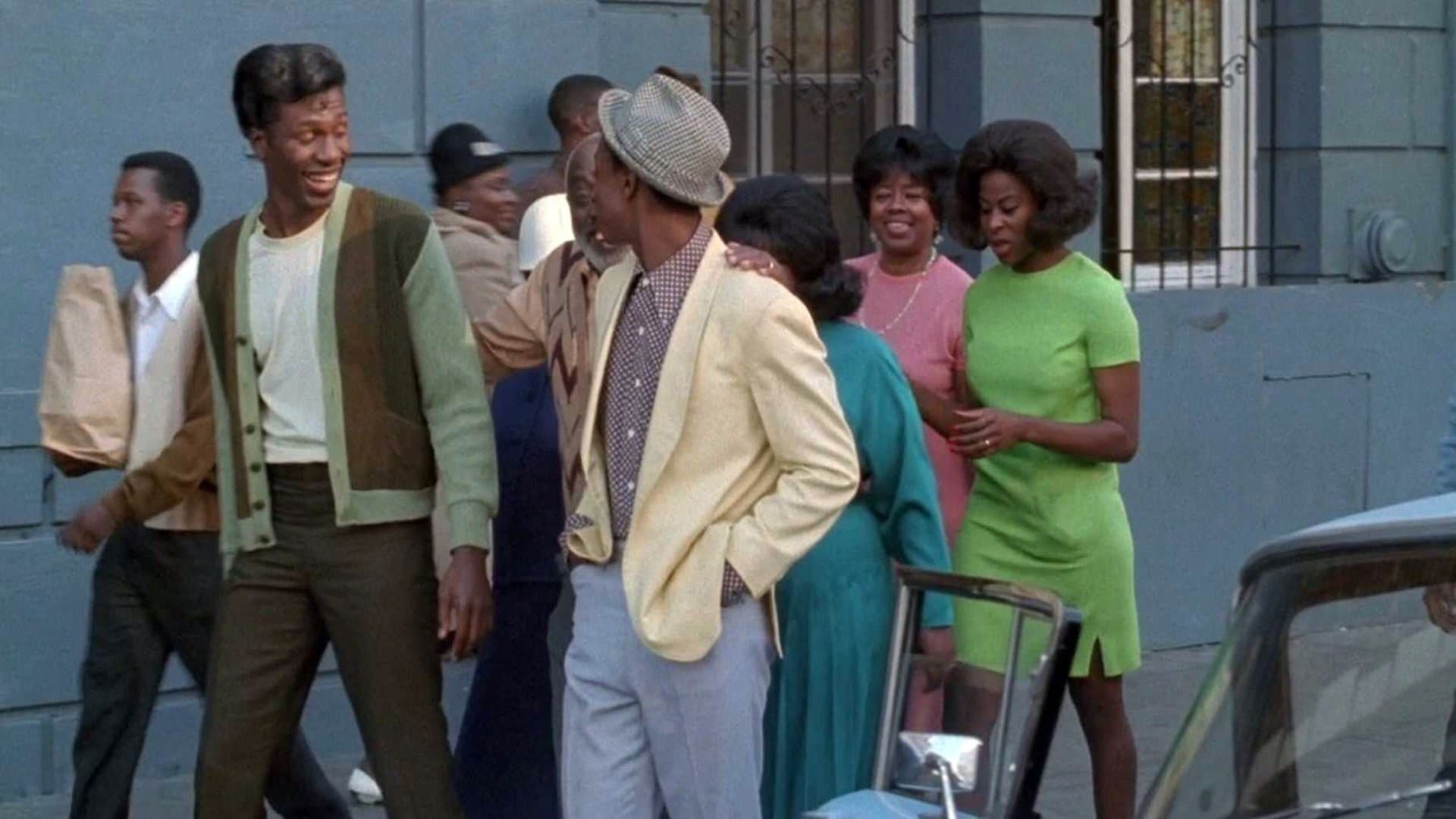
Born in New York City, Wright first made his mark on the stage before transitioning to film and television. His early appearances in the 1980s included roles in projects that highlighted his range, from gritty urban dramas to more experimental independent fare. It was Townsend who recognized the specific fire that Wright could bring to the role of Eddie, a character who was both the artistic heart of The Five Heartbeats and its most volatile element. The film follows the group’s journey from hopeful amateurs in the early 1960s to professional stardom, but it is Eddie’s tragic arc - his descent into addiction and his ultimate attempt at redemption - that gives the narrative its lasting emotional resonance.
The movie itself, which also starred the late Leon as J.T. and Harry Lennix as Dresser, did not achieve immediate blockbuster status upon its initial release on March 29, 1991. With a runtime of 121 minutes, the film was a dense, character-driven look at the music business, blending original songs with a sweeping narrative that covered over a decade in the lives of its protagonists. However, in the years since, it has gained a massive cult following, celebrated for its authenticity, its powerful soundtrack, and the ensemble performances that elevated it beyond a simple backstage musical drama. Wright’s work in the film is often cited as a primary reason for its enduring legacy, with his climactic scenes of vulnerability and regret resonating as deeply today as they did over three decades ago.
Wright’s performance earned significant critical praise, even as the film’s commercial performance was modest at first. He received an Independent Spirit Award nomination for his work, a recognition that underscored the film’s status as an indie production that punched far above its weight class. The picture holds a strong 7.264 out of 10 rating on TMDb, a numerical reflection of the sustained appreciation audiences have for the movie and its performances. In the years following The Five Heartbeats, Wright continued to work steadily in television and film, including a recurring role on the crime drama The Shield in the early 2000s, but he never quite escaped the shadow of Eddie - a fact he often seemed to embrace with a mixture of pride and resigned humor. In later interviews, he spoke affectionately about how the character’s flaws made him human, and how fans would approach him to share their own stories of struggle and recovery, often crediting his portrayal with helping them see their own lives in a new light.
Tributes have begun to pour in from colleagues and fans who remember Wright for his generosity on set and his fierce dedication to his craft. Townsend, who directed him in The Five Heartbeats, has not yet issued a public statement, but those who knew Wright remember a man who was as complex and compelling off-screen as he was on it - a serious artist who often felt underutilized by an industry that didn't always know what to do with his specific brand of raw talent.
Wright is survived by his family and a body of work that, though not vast, is remarkably distinguished. For many, his legacy will always be tied to the image of Eddie on a stage, microphone in hand, channeling a pain that felt both profoundly personal and universally felt. As news of his death spreads, fans are likely to revisit The Five Heartbeats this weekend, not just to mourn the loss of an actor, but to celebrate the singular power of a performance that defined an era and continues to speak to the heart of the American musical experience.
Source: Variety