There is a moment in James Anthony Usas’s new film, The Last Assassins, where the perpetual fog finally parts - not to reveal sunlight, but a frozen graveyard of a world. It’s a striking image in a movie that, for better and worse, is built on striking images. Since its release on August 11, this 84-minute science fiction chamber piece has drifted through theaters like the very mist that blankets its characters, earning a modest 5.2/10 rating on TMDb. It is a film that aspires to the mythic but often gets lost in its own atmosphere.
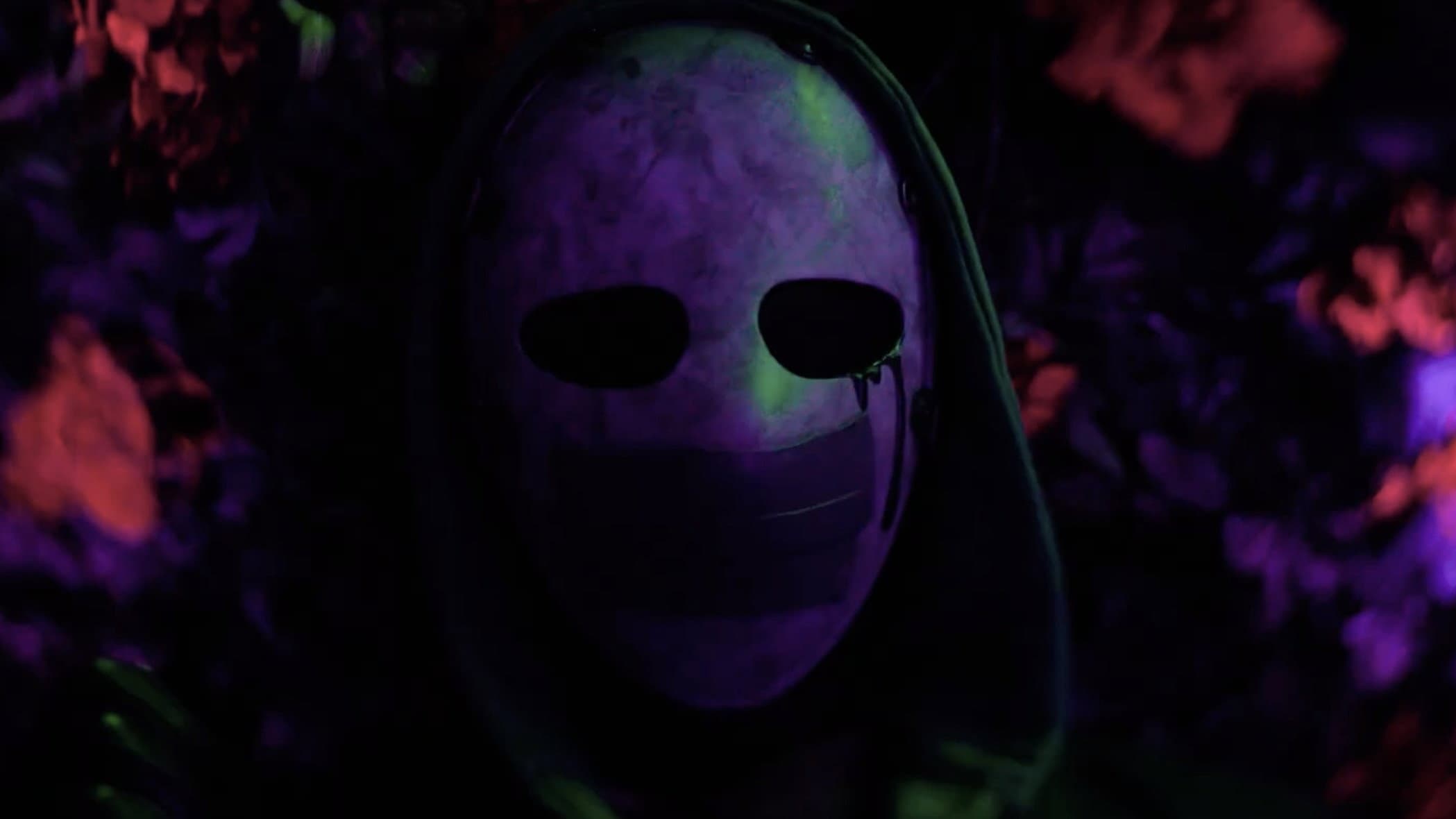
The premise is pure post-apocalyptic pulp, refined through a lens of quiet desperation. The Earth is locked in a permanent winter, the air thick with a deadly fog that forces survivors into masks and makeshift shelters. Enter Nobel, played with a weary, stoic gravitas by Josh Bainbridge. He is a man bound by an ancient oath to protect a family that has been all but erased. His final charge is a young girl, known only as The Kid, played by Athena Park, whom he must deliver to an aunt she has never met. It’s a classic courier narrative, a Children of Men for the frozen fringes, and Usas wisely keeps the focus on the two of them.
Bainbridge and Park carry the film’s emotional weight, and their scenes together are its strongest. Bainbridge’s Nobel is a man of few words, his dialogue often reduced to grunts and nods, but his eyes betray a profound exhaustion. He is not a hero; he is a duty-bound survivor. Park, as The Kid, is a revelation of stillness and observation. She doesn’t play the precocious child; she plays a witness, absorbing the dying world around her with a gaze that is both vacant and deeply knowing. Their chemistry is not warm, but it is real - a bond forged by necessity, not affection.
Their journey leads them to an abandoned laboratory, the film’s mid-point pivot and its most ambitious narrative gambit. Here, the story shifts from a physical trek to a ghost story of the digital age. Holograms flicker to life, recounting the family’s history, their triumphs, and their ultimate downfall. The patriarch, Donno Mitoma, appears as a spectral figure, his digital ghost offering exposition that is as eerie as it is necessary. It is here that the film’s central question is posed: “But can the digital world become physical?” The answer, the film suggests, may lie within The Kid.
It’s a fascinating concept, one that elevates The Last Assassins above a simple survival tale. Usas is asking questions about legacy, memory, and the nature of reality in an age where our lives are increasingly stored in fragile, virtual containers. However, the execution of this idea feels rushed. The transition from the harsh, physical reality of the fog to the sterile, digital unreality of the lab is jarring, and the philosophical implications are more stated than explored. The all-important answer to whether the digital can become real is left dangling, a frustrating ambiguity that feels less like artistic choice and more like a lack of narrative nerve.
The supporting cast is a mixed bag, featuring a rogues' gallery of post-apocalyptic archetypes. Lora Burke’s Metiseaya is a fleeting but memorable presence, a woman whose weary pragmatism suggests a thousand untold stories. In contrast, the various bandits and assassins, played by the likes of Morgan Bedard and Matt Lishman, feel like standard-issue obstacles. A scene involving a “Short Fat Bandit” and a male shop owner, Verlyn Plowman, is meant to inject tension but instead highlights the film’s uneven pacing, feeling like a detour from the more compelling central mystery.
At just 84 minutes, the film feels simultaneously overstuffed and underwritten. Usas, who also directed, has a clear eye for composition. The fog-drenched landscapes are genuinely haunting, and the design of the laboratory is a sleek, sterile counterpoint to the decay outside. But the script, also by Usas, often struggles to match the visual poetry. The dialogue can be stilted, and the film’s world-building is delivered in expository chunks rather than organic discovery.
The Last Assassins is a film of grand ideas and limited means, a noble failure that lingers in the mind more for what it attempts than for what it achieves. It’s a mood piece, a slow-burn meditation on duty and extinction that will likely find a more appreciative audience on streaming platforms than it did in theaters. It is not the next great sci-fi epic, but it is a compelling, if imperfect, calling card for its director and a showcase for the quiet talents of Athena Park and Josh Bainbridge. In a landscape of bloated, CGI-heavy blockbusters, there is something admirable about a film that tries to tell a small, strange story about the end of the world. It may not be a success, but it is, in its own way, unforgettable.