The upcoming drama The Lost Children of Tuam, produced by Liam Neeson and directed by Frank Berry, is set to confront one of Ireland’s most harrowing historical scandals when it arrives in theaters on September 25, 2026. The film, which runs 84 minutes, centers on amateur historian Catherine Corless and her real-life campaign to uncover the truth behind a mass burial site linked to a former Mother and Baby Home in Tuam, County Galway.
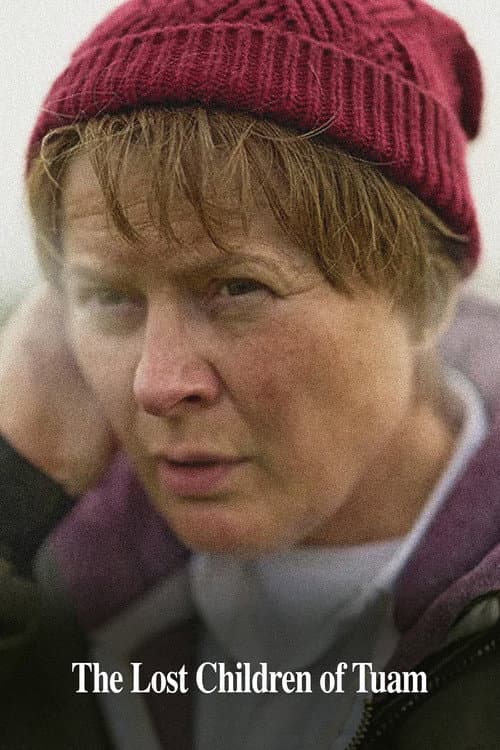
An exclusive trailer released this week offers the first extended look at the project, which stars Monica Dolan as Corless. The footage underscores the personal toll of Corless’s decade-long investigation, showing her poring over dusty ledgers, facing hostile local reactions, and standing firm against institutional pushback. The trailer frames the film as both a quiet character study and a broader reckoning with systemic failure, as Corless’s findings force a confrontation with church and state authorities who long resisted her efforts.
Per the official synopsis, the story begins when Corless starts examining records from the home and stumbles onto evidence pointing toward a deeply troubling past. Refusing to let the questions fade, she launches a painstaking investigation that places her in direct conflict with the Church, the State, and the town itself. As official resistance increases and unsettling discoveries emerge, her determination challenges powerful institutions, exposing a hidden chapter of Ireland’s history that many preferred to keep buried.
Dolan, a British actress known for her transformative roles, leads a cast that includes Andrew Bennett, Ian McElhinney, Ruth McCabe, and Thomas Hopkins. Elaine O’Dwyer appears as Alicia Corless, while Ian Dillon is credited as a funeral attendee and Jonathan Heed plays a reporter. Berry, an Irish filmmaker with a reputation for socially conscious work, directs from a screenplay rooted in Corless’s actual research and published findings.
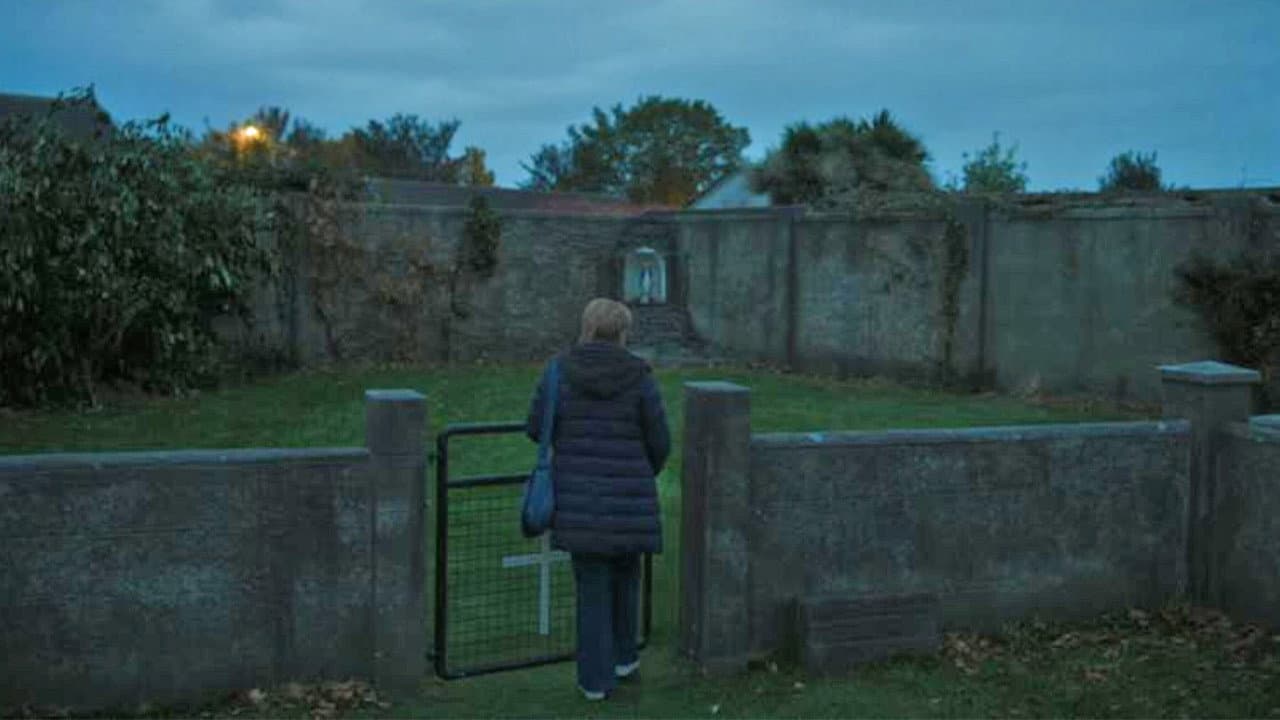
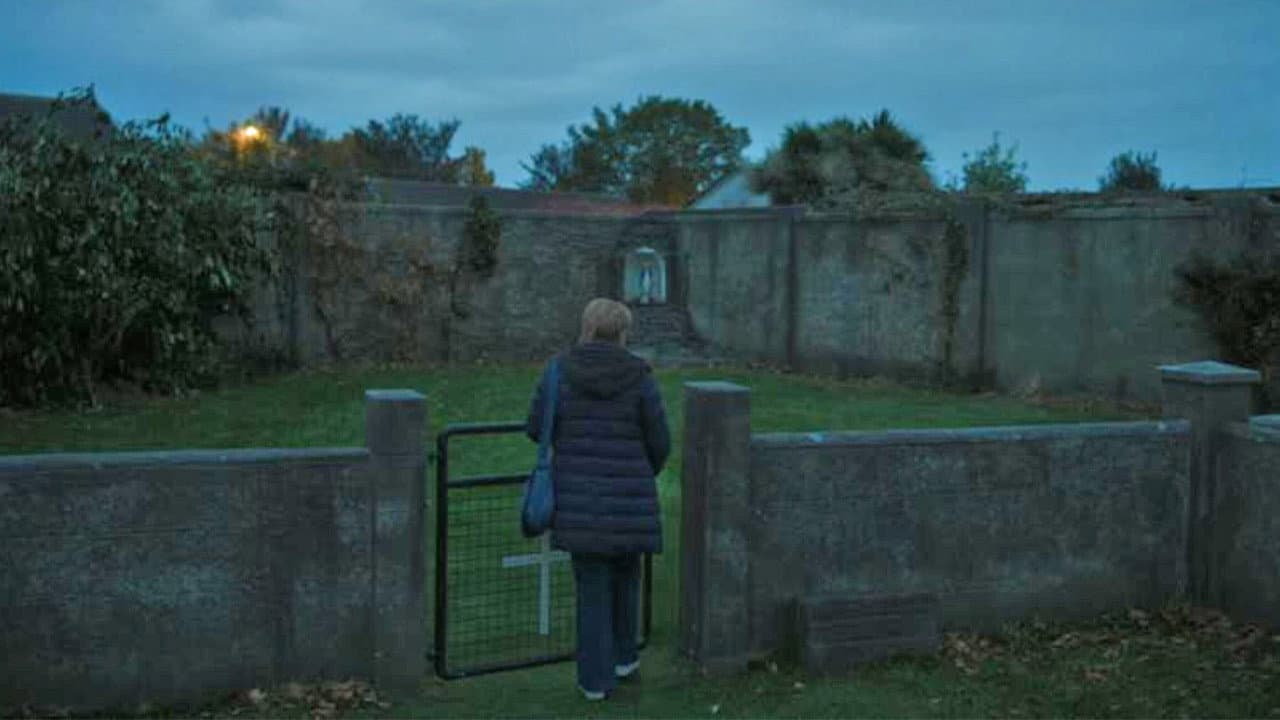
The real Catherine Corless first raised public awareness in 2014 when her archival work revealed that hundreds of children who died at the Tuam home - run by the Bon Secours religious order - had been buried in an unmarked site. Subsequent excavation efforts confirmed the presence of significant human remains, sparking national outrage and multiple state inquiries. The film does not shy away from the emotional weight of that revelation, instead positioning Corless’s persistence as the engine of a slow-burn procedural drama.
Neeson, who serves as a producer on the project, has deep personal ties to the subject matter. Born in Northern Ireland, the actor has long spoken about the importance of surfacing uncomfortable histories from the island of Ireland. His involvement brings considerable profile to a film that otherwise relies on intimate storytelling rather than spectacle. The trailer, however, focuses less on Neeson’s name and more on the stark realism of 1950s-era Ireland, with muted color palettes and restrained performances carrying the tension.
The production itself faced its own challenges, as filming required coordinating with Irish historical sites and navigating sensitivities around the subject. Berry has described the process as one of careful research and community consultation. The resulting film emphasizes procedural detail: Corless cross-references death certificates, visits overgrown fields, and interviews aging locals who recall the home’s operations with reluctance. Each discovery compounds the sense of institutional complicity, yet the narrative reportedly avoids melodrama in favor of measured outrage.
Given its 84-minute runtime, the film likely moves efficiently through Corless’s campaign, which spanned years and encountered legal obstacles at nearly every turn. Early reviews from festival screenings are not yet available, and the film’s TMDb rating stands at zero, suggesting it has yet to build a critical consensus. For audiences unfamiliar with the case, the trailer provides essential context while leaving room for the feature to deepen the investigation beyond what a two-minute preview can convey.
The release date lands late in September, a positioning that could signal awards-season intentions. Historical dramas with a social-justice bent often gain traction in the autumn, and The Lost Children of Tuam fits squarely within that tradition. Neeson’s star power as a producer, combined with Dolan’s demonstrated ability to portray real-life figures - she previously earned acclaim as a brutal murderer in another true-crime adaptation - gives the film a credible foundation.
Still, the success of the project will depend on how precisely it handles the facts. Tuam’s story is one of widespread public pain, and any dramatization risks oversimplification or exploitation. Berry’s track record suggests a preference for gritty realism over clean moral conclusions. His previous features have examined male violence and prison systems with unflinching clarity, indicating that The Lost Children of Tuam will treat its subject with similar gravity.
As the September 25 release approaches, expect additional trailers and likely interviews with Corless herself, who remains active in discussions about institutional abuse in Ireland. The film’s trailer already makes clear that her fight is not presented as a triumphant victory but as an ongoing struggle for acknowledgment. That nuance - the refusal to turn a decades-long bureaucratic battle into simple good-versus-evil storytelling - may be exactly what separates this production from lesser historical dramas.
For now, audiences can mark their calendars for a film that promises to be neither comfortable nor easy to watch. The Lost Children of Tuam arrives with a clear mission: to keep a painful history in public view, one record, one grave, and one question at a time.
Source: The Hollywood Reporter