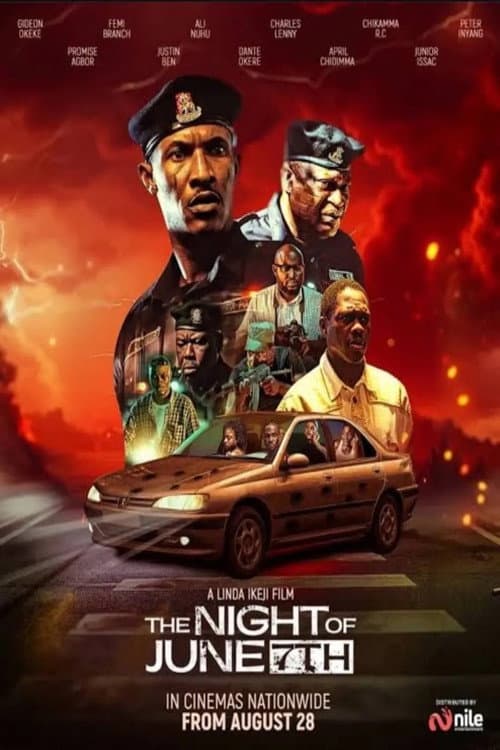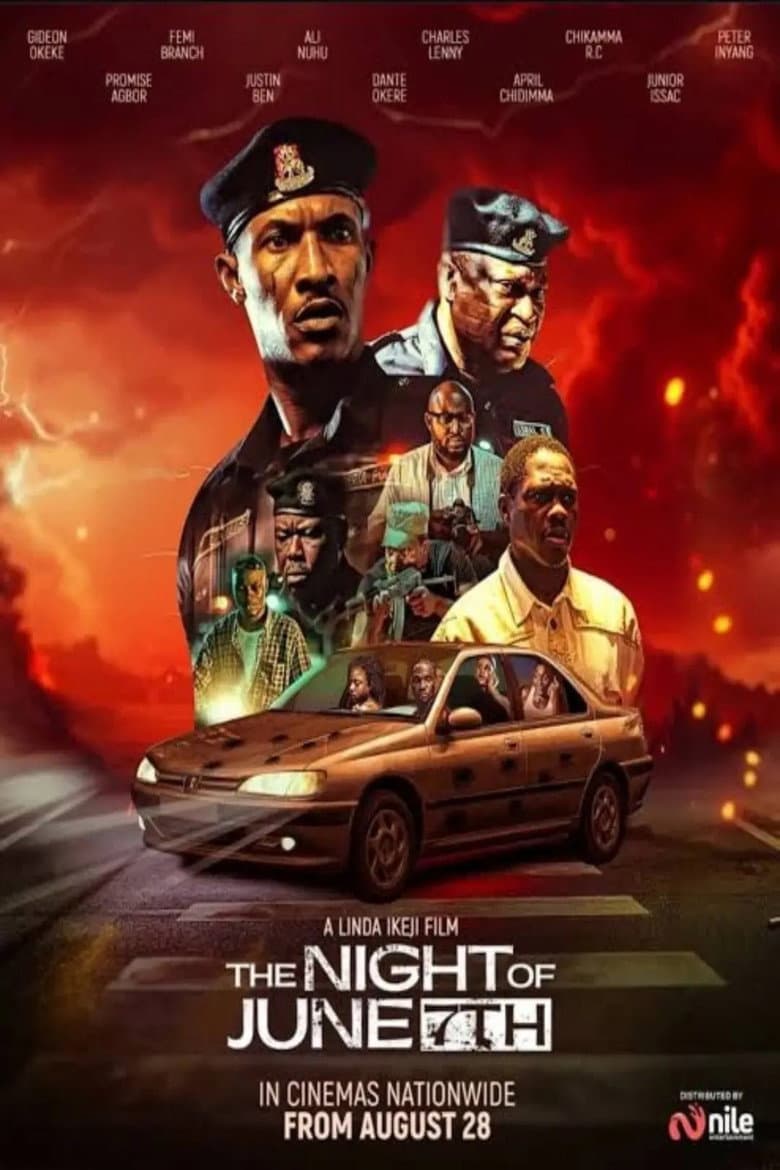
The release date for what is shaping up to be one of the most talked-about crime thrillers of the fall season is finally here. “The Night of June 7th” hits theaters today, Friday, August 28, 2026, and it is arriving with the kind of grim, urgent energy that feels less like entertainment and more like a reckoning. As of now, the film is slated for a wide theatrical rollout across major U.S. markets, with a streaming release expected to follow in the coming weeks on a yet-to-be-announced premium digital platform. For audiences who prefer the big-screen experience, this is a film that demands a dark room and undivided attention; for those waiting at home, the wait should be brief, though this is a picture that benefits from the immersion of a theater’s sound system and the lack of pause buttons. Given the subject matter, it’s best to go in prepared for a heavy watch, not a breezy matinee.
Release Date & Where to Watch
Today’s date, August 28, 2026, marks the official theatrical premiere of “The Night of June 7th” in the United States. The film, running a tight and efficient 105 minutes, is distributed through a major indie studio that has a history of pushing socially charged dramas into the mainstream conversation. It is playing primarily in metropolitan areas and select art-house theaters, with a wider expansion planned for the first two weeks of September. For those outside major cities, the digital release will be the more convenient option, though no exact date has been locked in just yet. Keep an eye on the film’s official social channels for a streaming announcement, as the producers have hinted at a simultaneous release on two major VOD services by mid-September. In the meantime, it’s a title that will be available for pre-order on most digital storefronts starting next Friday.
Cast & Crew
At the helm is director Toka Mcbaror, a filmmaker whose previous work has consistently explored the fault lines of institutional trust and individual morality. Mcbaror does not shy away from discomfort, and here he has assembled a formidable ensemble that carries the weight of the narrative with strict, controlled intensity. Leading the charge is Femi Branch, a veteran of the Nigerian film industry who brings a gravitas that anchors the film’s emotional core. Alongside him, Ali Nuhu delivers a performance that is quietly devastating, playing a man caught between loyalty and his own sense of duty. Gideon Okeke provides the thread of restless energy, while Charles Lenny and Justin Ben round out the young traders whose lives are upended in the film’s opening act. The chemistry among the six principals is palpable; they share a bond that makes the film’s central tragedy all the more visceral. Mcbaror’s direction is precise, favoring long, unbroken takes that place the viewer squarely in the middle of the chaos, rather than cutting away from it. The score, a minimalist pulse of low-end drones and sparse piano, does not manipulate emotion so much as it amplifies the dread that already hangs in the air.
Story & What to Expect
The narrative is as stark as the title suggests, rooted in a specific date and a very specific horror. The plot centers on six young financial traders in Abuja, men who are at the top of their professional game, living the high-stakes life of the city’s emerging market economy. Their world collapses in a single night when they are wrongfully identified as armed robbers by a squad of rogue police officers. What follows is not an arrest, but an extrajudicial execution - brutal, swift, and premeditated. The film does not flinch from depicting that violence, but it is not exploitative; the early scenes are shot with a queasy, handheld realism that leaves the audience feeling as shaken as the characters’ families must feel.
From there, the film pivots into a procedural thriller of a different kind. It is not about finding the killers, because we know who they are; it is about the cover-up. The second half of the runtime is dedicated to the meticulous, maddening work of the families as they attempt to peel back layers of systemic corruption, fake paperwork, and misplaced bullets. The families are not portrayed as saints - they are grieving, angry, and often helpless - but their persistence is the engine of the film. Expect a slow-burn middle section that relies on tense conversations in empty offices and muted confrontations at police stations, rather than car chases or gunfights. The pacing is deliberate, almost relentless in its refusal to offer easy catharsis. And do not expect a Hollywood-style victory lap; the film is more interested in the scars left behind than in the satisfaction of justice done. It is a story about the cost of truth, and the price is paid in sleepless nights.
Why It's Worth Watching
In a year filled with spectacle and sequels, “The Night of June 7th” stands apart as a work of genuine moral seriousness. It is not a comfortable watch, and that is precisely its strength. Toka Mcbaror has crafted a film that functions as both a gripping thriller and a damning indictment of extrajudicial violence, using the specific context of Abuja to speak to a universal problem of unchecked power. The acting is uniformly excellent, with Femi Branch delivering a monologue in the third act that deserves to be studied in acting schools - a raw, unpolished plea that cuts through the film’s bleakness with shards of human dignity.
What makes it worth your time, though, is the intelligence of its construction. It does not tell you what to think; it shows you what happened and forces you to sit with the discomfort. The screenplay refrains from melodrama, trusting the audience to connect the dots between the wiretap records and the falsified witness statements. For fans of true-crime dramas and political thrillers like Zodiac or The Secret in Their Eyes, this is familiar terrain, but Mcbaror’s voice is uniquely his own. It is a rare film that respects its audience enough to leave them with questions rather than answers, and that treats a real-world tragedy with the solemnity it deserves. You will likely leave the theater feeling troubled, perhaps even angry. That is the point. “The Night of June 7th” is not a date-night movie; it’s a conversation starter, a watermark for what serious cinema can do when it sets its sights on the truth.