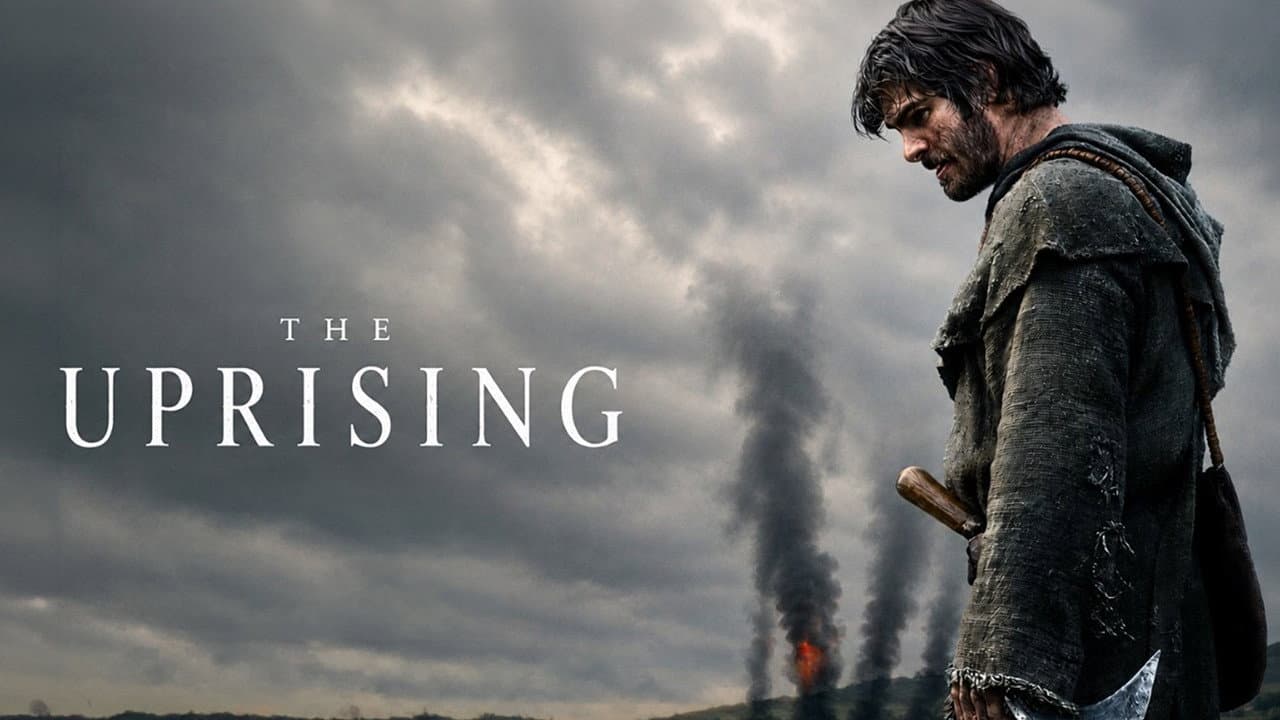
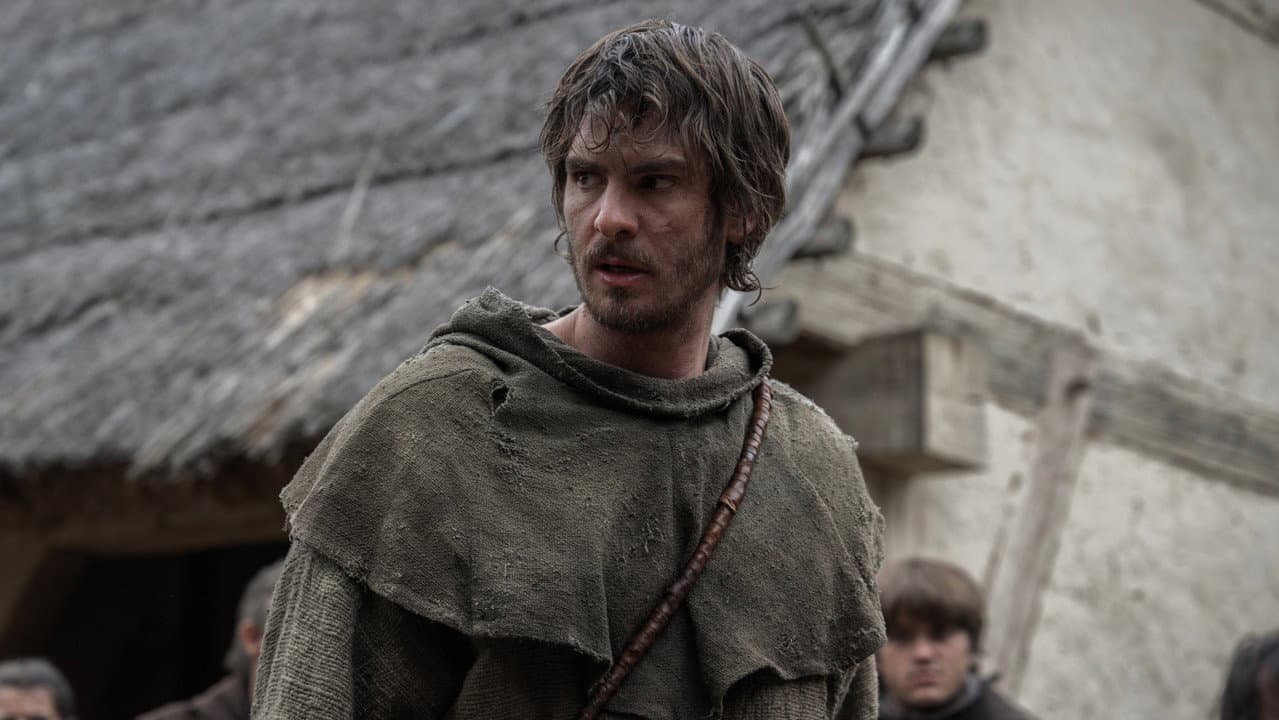
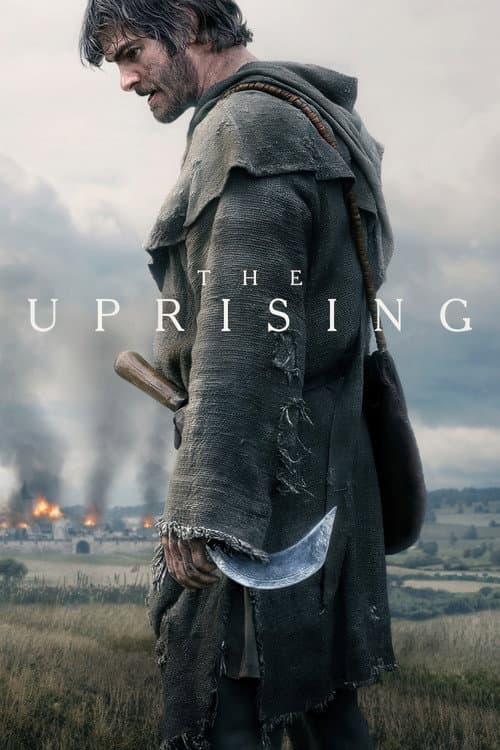
The carefully guarded secret behind Andrew Garfield’s upcoming period drama The Uprising has finally been shattered, and the revelation is leaving audiences both stunned and somewhat bewildered. What was widely presumed to be a gritty historical thriller about the 1381 Peasants' Revolt has been confirmed as a direct origin story for the legendary figure of Robin Hood, a narrative pivot that has sparked immediate debate across fan circles.
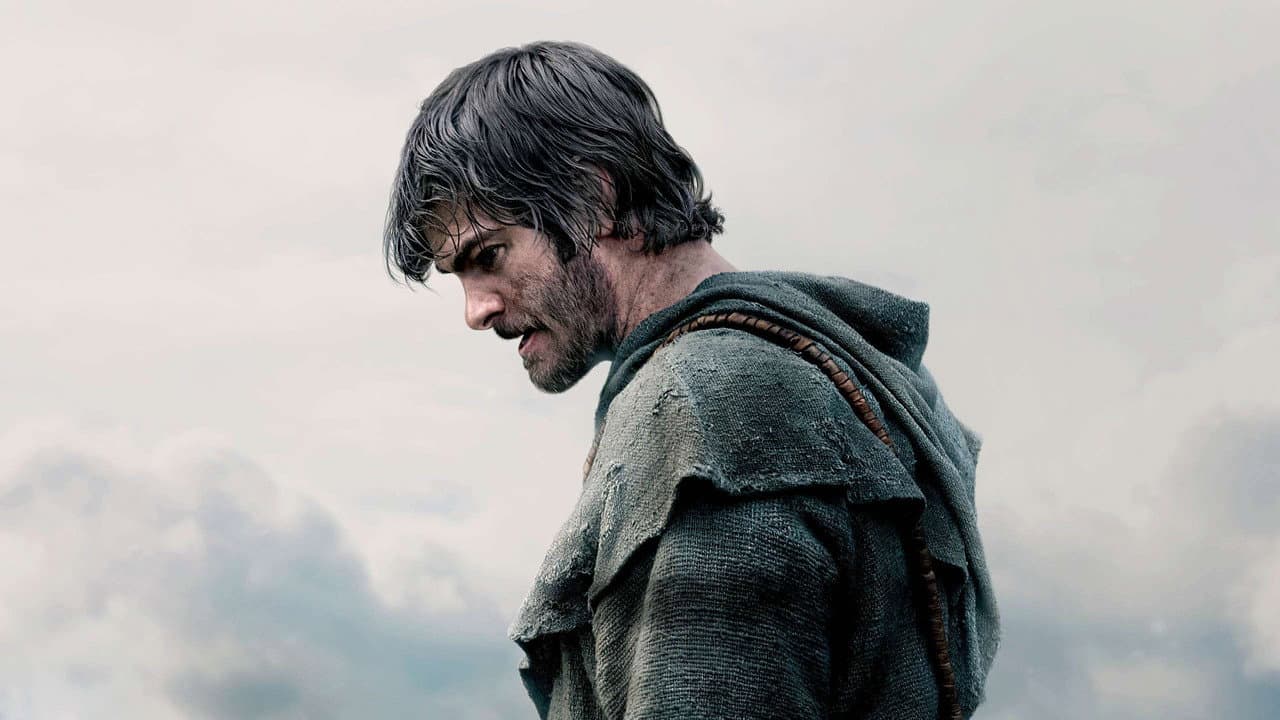
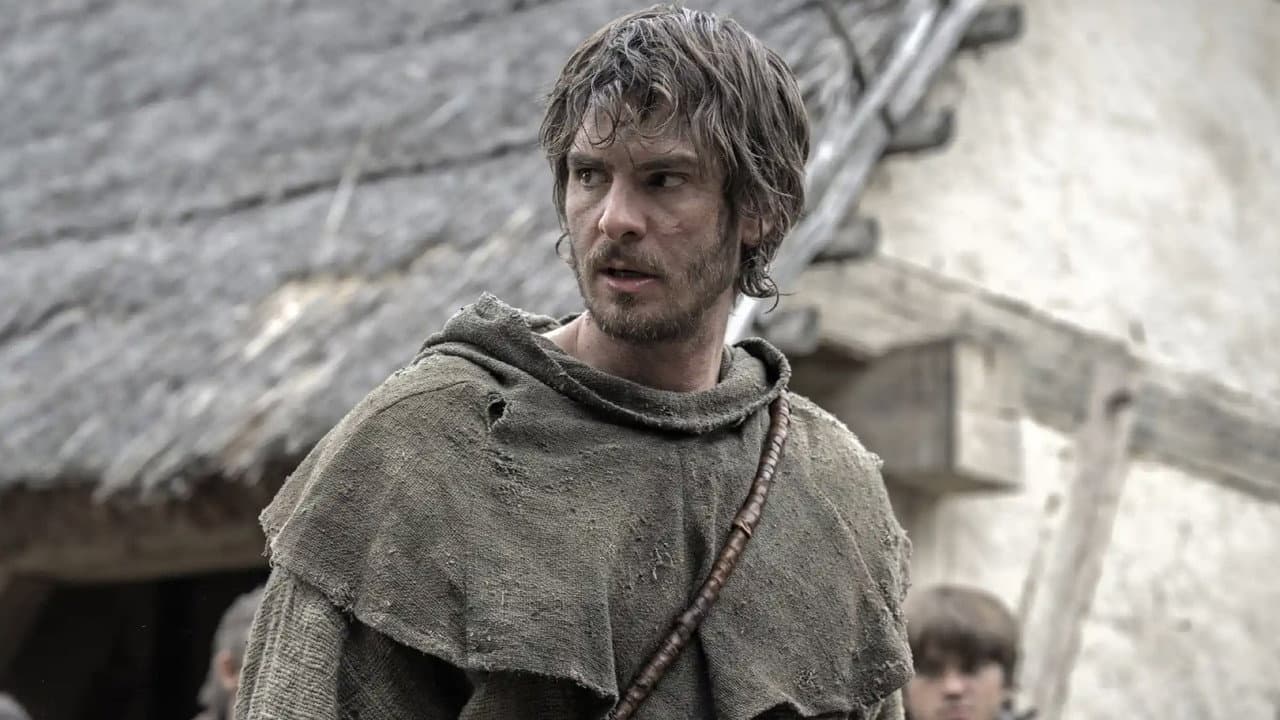
Directed by Paul Greengrass and set for release on September 10, 2026, the film’s official synopsis confirms the genre-bending approach. The plot centers on a humble peasant who, in the face of King Richard II’s oppressive might, manages to assemble a people’s army to fight for justice. While the historical record of the revolt is well-documented, the film explicitly frames these events as the inspiration for the Robin Hood mythos, with Garfield’s character credited simply as “Ploughman.”
The announcement comes as a surprise primarily because early marketing materials leaned heavily into the gritty realism of the era, a signature of Greengrass’s documentary-style filmmaking. Audiences expecting a straightforward retelling of John Ball and Wat Tyler’s rebellion are now grappling with a narrative that deliberately blends historical fact with folklore. The notion that the man who would become Robin Hood is rooted in the violent, chaotic reality of a 14th-century uprising is a bold creative choice, one that has left social media buzzing with a mixture of intrigue and confusion.
The film’s cast is anchored by Garfield, whose character is described as the archetypal outlaw-to-be. The synopsis cleverly avoids direct mention of Sherwood Forest, Lincoln green, or the Sheriff of Nottingham, choosing instead to leave those elements as subtext. This has led to considerable speculation about how closely the film will tie itself to the familiar legend. Will the Ploughman’s band of rebels evolve into the Merry Men? Does the narrative include the iconic robbery-from-the-rich motif, or is it a more somber, pre-myth examination of a man who simply becomes a symbol?
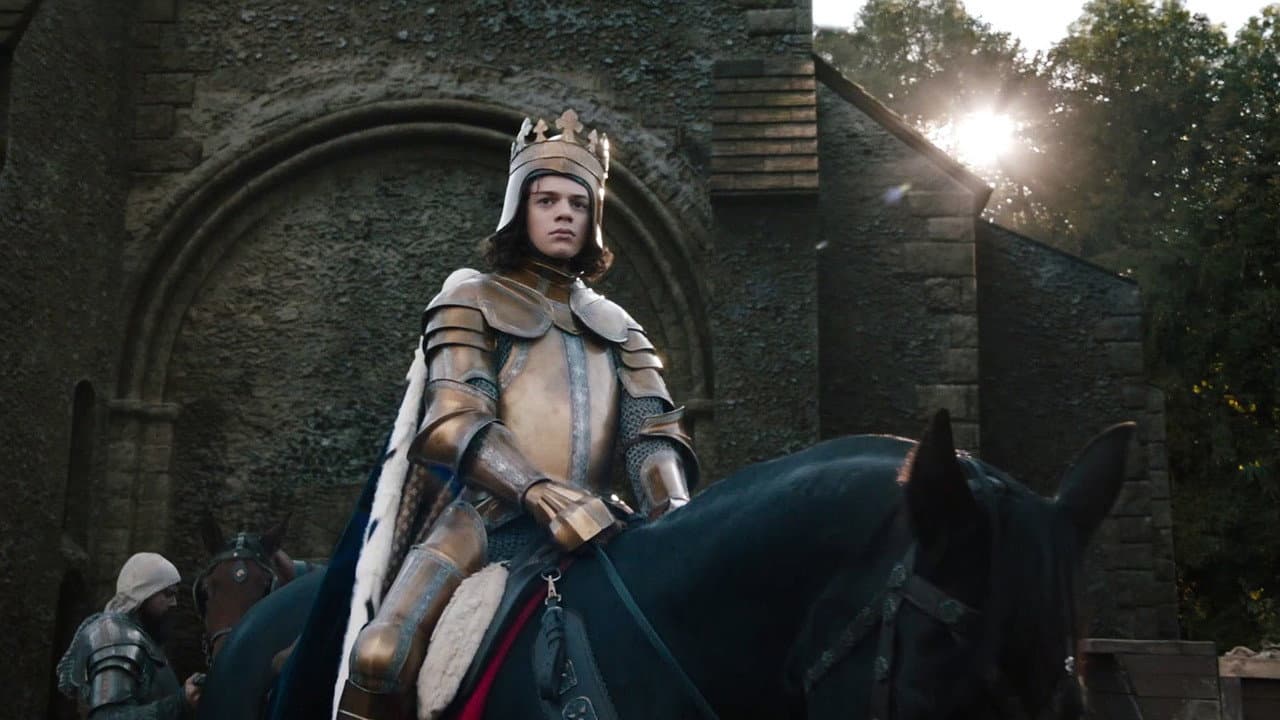
Complicating matters further is the film’s historical accuracy. The Peasants' Revolt, which took place in 1381, was a genuine and bloody insurrection led by figures like Wat Tyler, played here by Cosmo Jarvis. The revolt was indeed triggered by the imposition of a poll tax under the reign of the boy-king Richard II, portrayed by young actor Woody Norman. The film’s narrative, however, appears to repurpose these events into a springboard for the fictional outlaw’s genesis. This hybrid approach is unprecedented for a major studio release of this scale, and it raises questions about how purists will receive the blending of fact and fantasy.
Producer and crew have remained tight-lipped since the reveal, letting the synopsis speak for itself. Still, word from early test screenings suggests that the film leans heavily into the action genre, with Greengrass’s trademark shaky-cam intensity applied to medieval battles. The 128-minute runtime indicates a substantial epic, and the casting of Tom Hollander as Sir Robert Hales, the historical treasurer who was famously beheaded during the revolt, points to a grounded political core. Stephen Dillane and Jonny Lee Miller round out a formidable supporting cast, alongside Thomasin McKenzie in a role that remains undisclosed.
The confusion among fans is understandable. In an era of relentless franchise building and prequel saturation, the idea that a single standalone film would attempt to retroactively explain the origins of one of English literature’s most enduring heroes feels both ambitious and risky. It is not a sequel, not a remake, and not part of any established cinematic universe. Instead, The Uprising attempts to forge a new path, positioning itself as the definitive, grounded answer to a centuries-old legend.
Initial reaction to the news has been polarized. Some hail the concept as a stroke of genius, arguing that the historical revolt represents a far more compelling and plausible backdrop for the creation of the Robin Hood archetype than the traditional Crusades-era stories. Cynics, however, have dismissed the connection as a marketing gimmick, a way to add a familiar name to a historical drama that might otherwise struggle to find a broad audience. The film’s current zero rating on TMDb reflects that no reviews are available yet, but the discourse surrounding the plot reveal is already fierce.
As the release date draws near, the studio is likely banking on the sheer curiosity factor to drive audiences to theaters. Whether the film succeeds in reconciling its dual identity - as a serious exploration of a peasant revolt and a fanciful origin story for Robin Hood - remains to be seen. For now, the premiere on September 10 cannot come soon enough for those desperate to see how Greengrass and Garfield pull off this ambitious, and potentially polarizing, narrative high-wire act. The legend, it appears, has found a new, far more brutal cradle.
Source: The Hollywood Reporter