A newly published book about the making of "The Women" pulls back the curtain on one of Hollywood's most storied backstage rivalries, detailing the depth of the animosity between Joan Crawford and Norma Shearer during production of the 1939 MGM comedy-drama. An exclusive excerpt making the rounds this week paints a portrait of two stars whose professional competition curdled into something closer to open warfare, with the set of the George Cukor-directed film serving as the battleground.
The book draws on archival material and firsthand accounts to argue that the friction between the two actresses went well beyond the usual jockeying for camera time. According to the excerpt, the tension shaped everything from casting decisions to the daily mood on the soundstage, with other members of the ensemble - among them Rosalind Russell, Paulette Goddard and Joan Fontaine - forced to navigate the divide.
A Rivalry Rooted in Studio Politics
Much of the conflict, the book suggests, can be traced to the way MGM operated under Louis B. Mayer, where star status was treated as a finite resource and actresses were pitted against one another as a matter of corporate strategy. Shearer, then married to the studio's production chief Irving Thalberg, occupied a privileged position that Crawford reportedly resented, and the excerpt describes that resentment as a running undercurrent throughout the shoot.
The author argues that the film's famously catty dialogue about women trading barbs over husbands and reputations carried an extra charge because so much of it was being lived out behind the cameras. Cukor, known for his facility with actresses and for his sharp ear for gossip, is portrayed as both exasperated by and quietly amused at the dynamic, at times using the real hostility to sharpen performances.
The Original and Its Later Life
"The Women" centers on a circle of gossipy, high-society women who spend their days at the beauty salon and haunting fashion shows, and on the sweet, happily-wedded Mary Haines, whose marriage falls into trouble when a shop girl named Crystal Allen sets her sights on Mary's husband. The picture runs 114 minutes and was made in Hollywood in English.
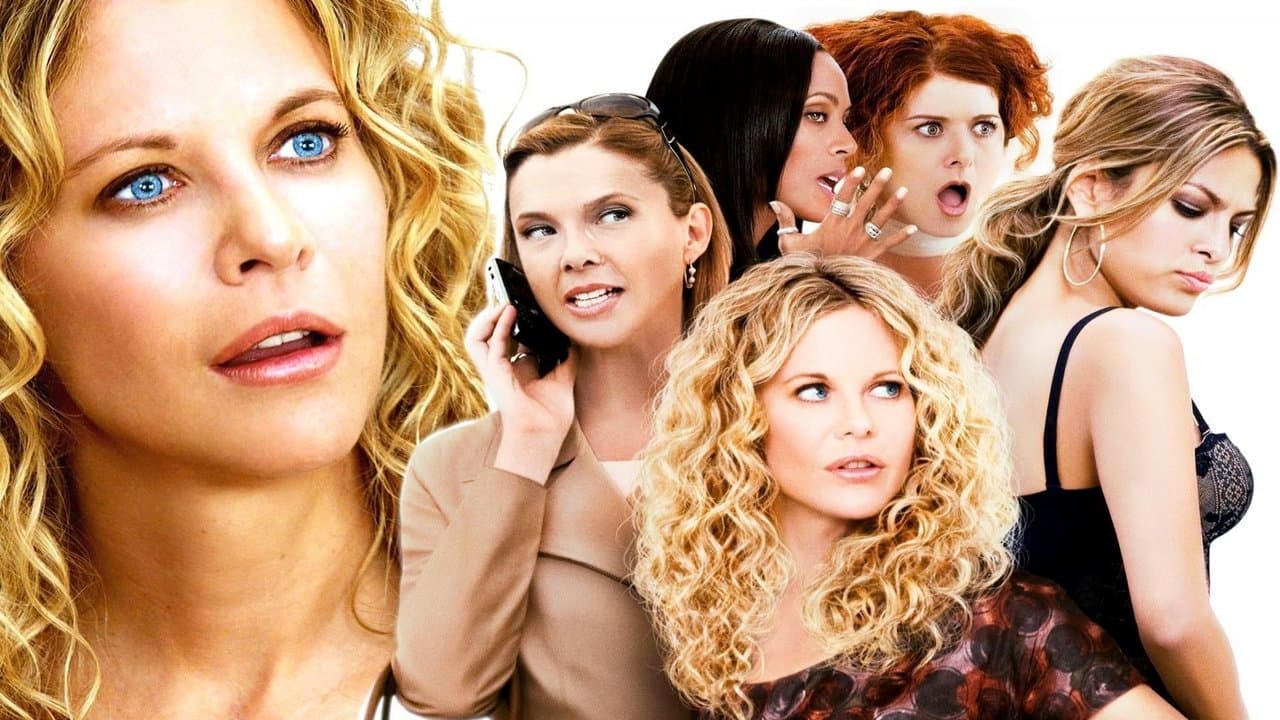
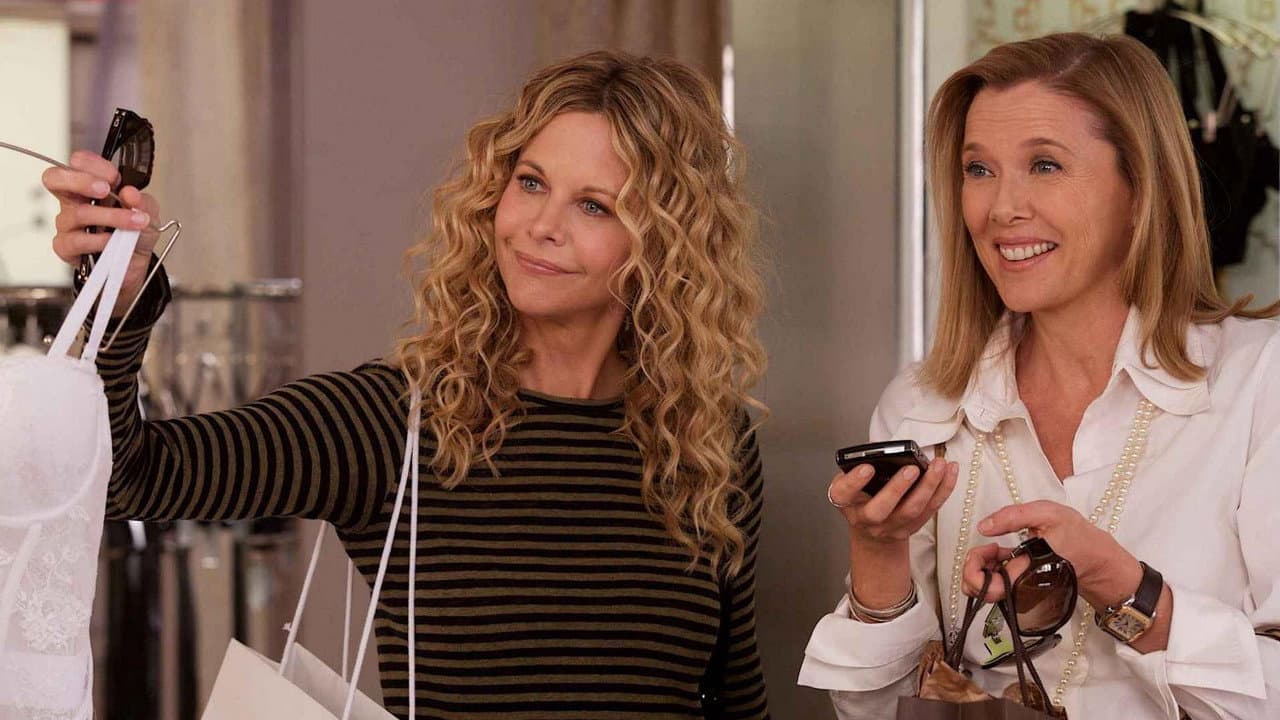
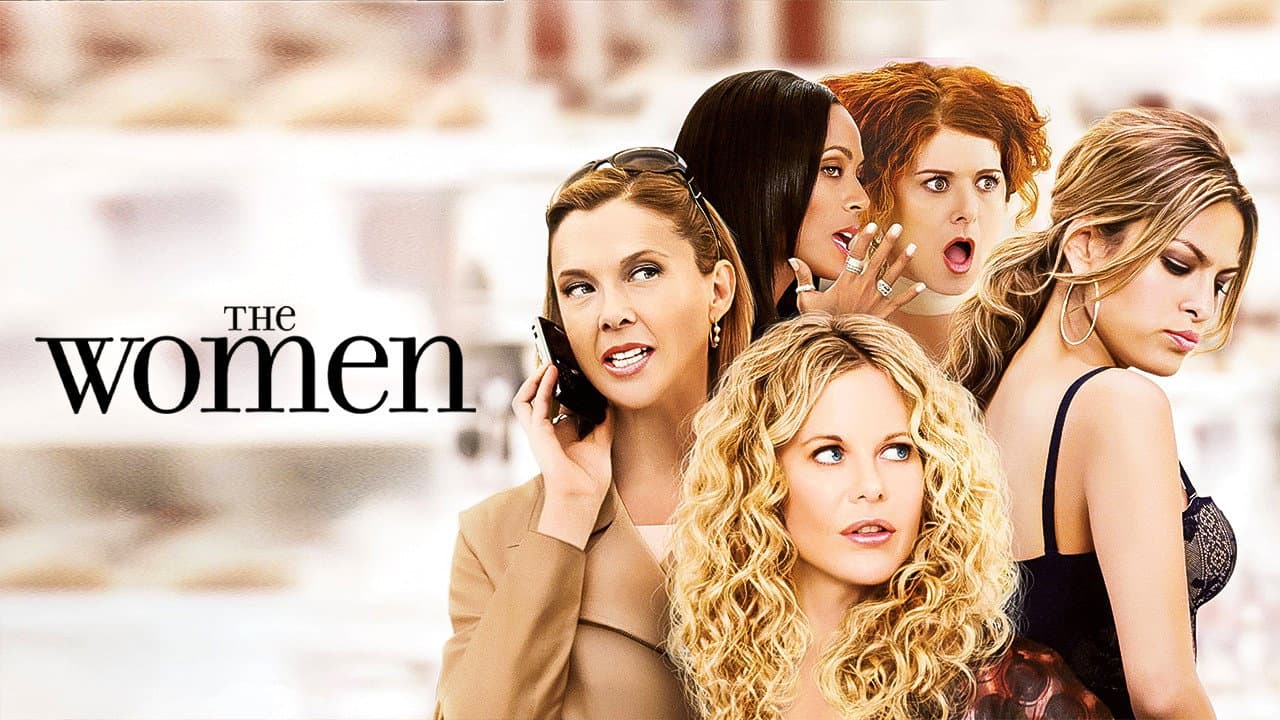
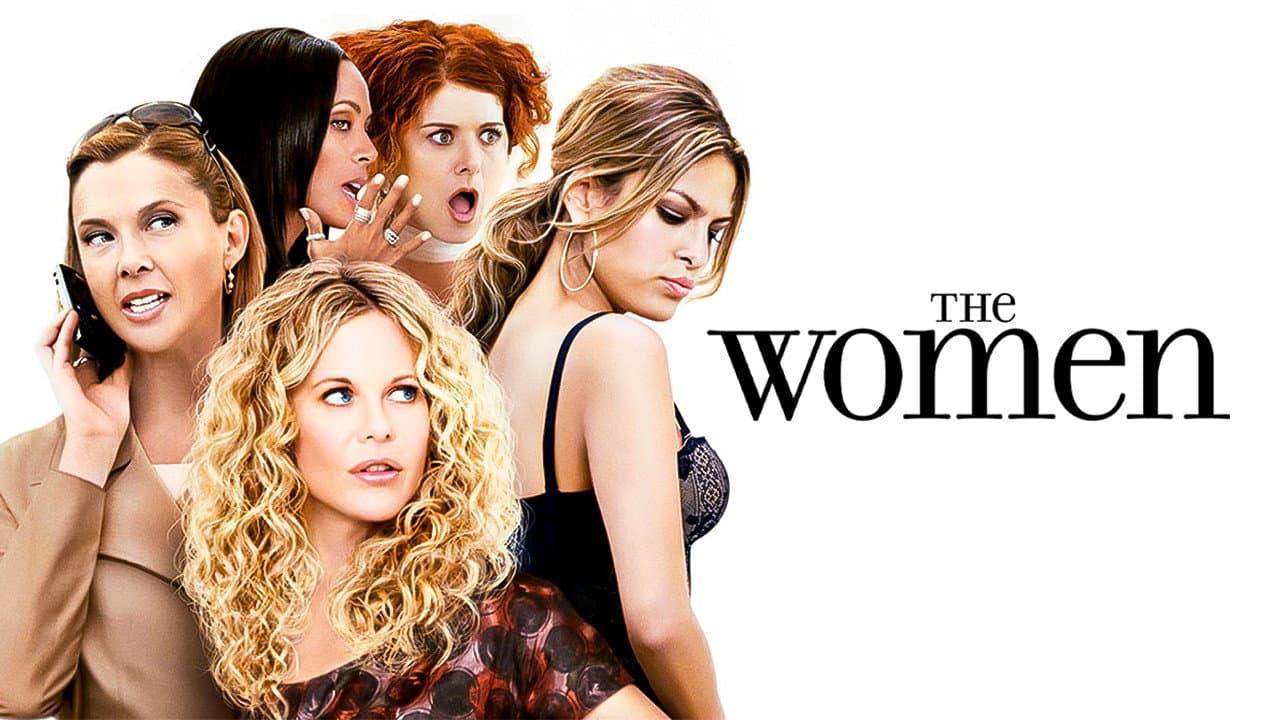
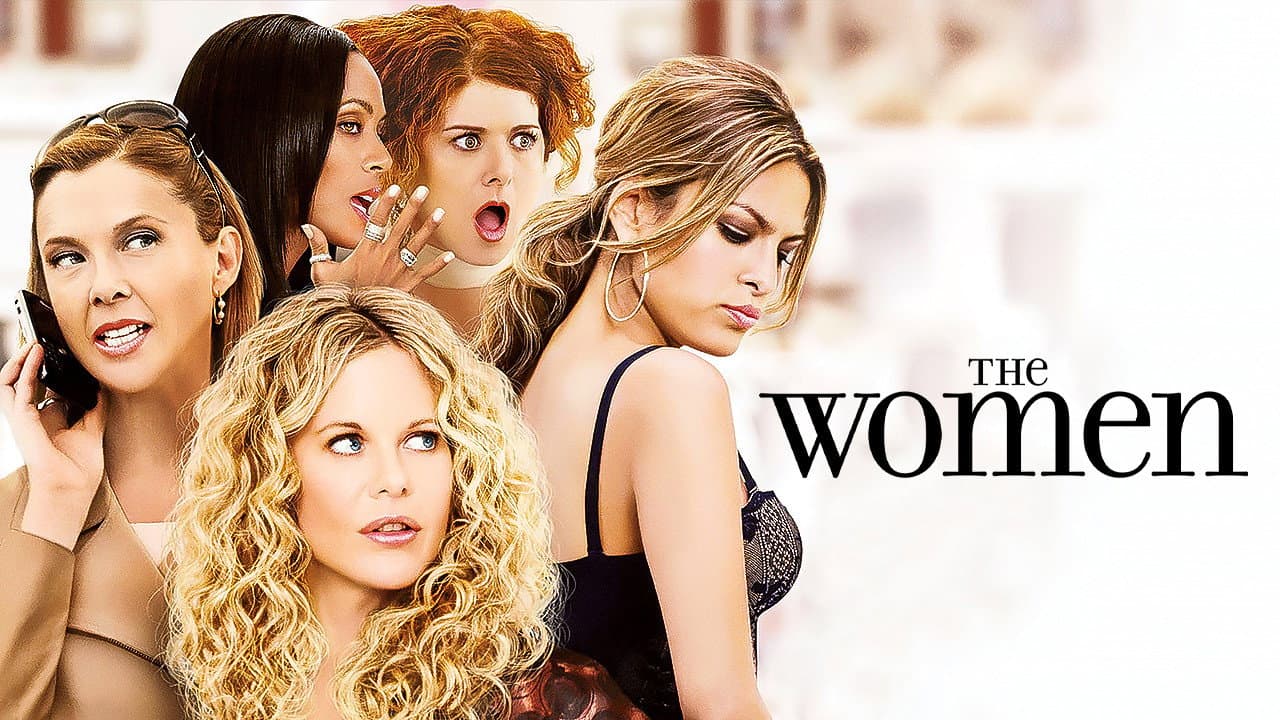
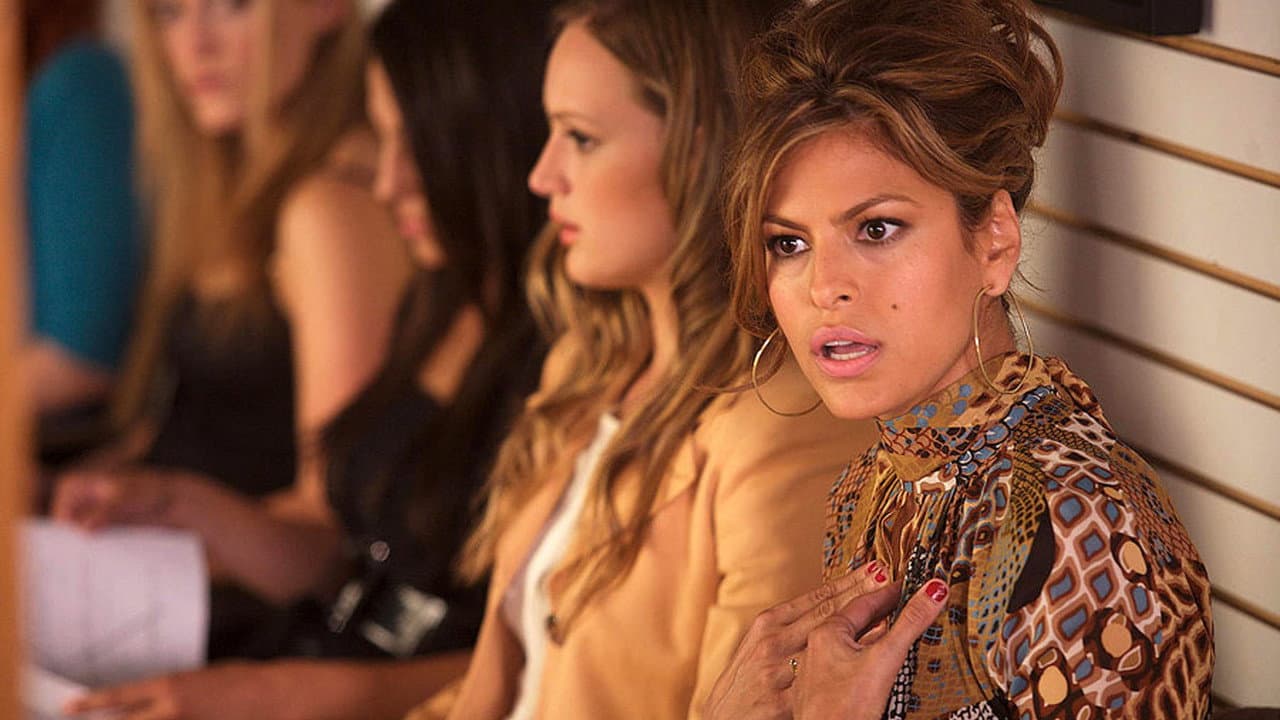
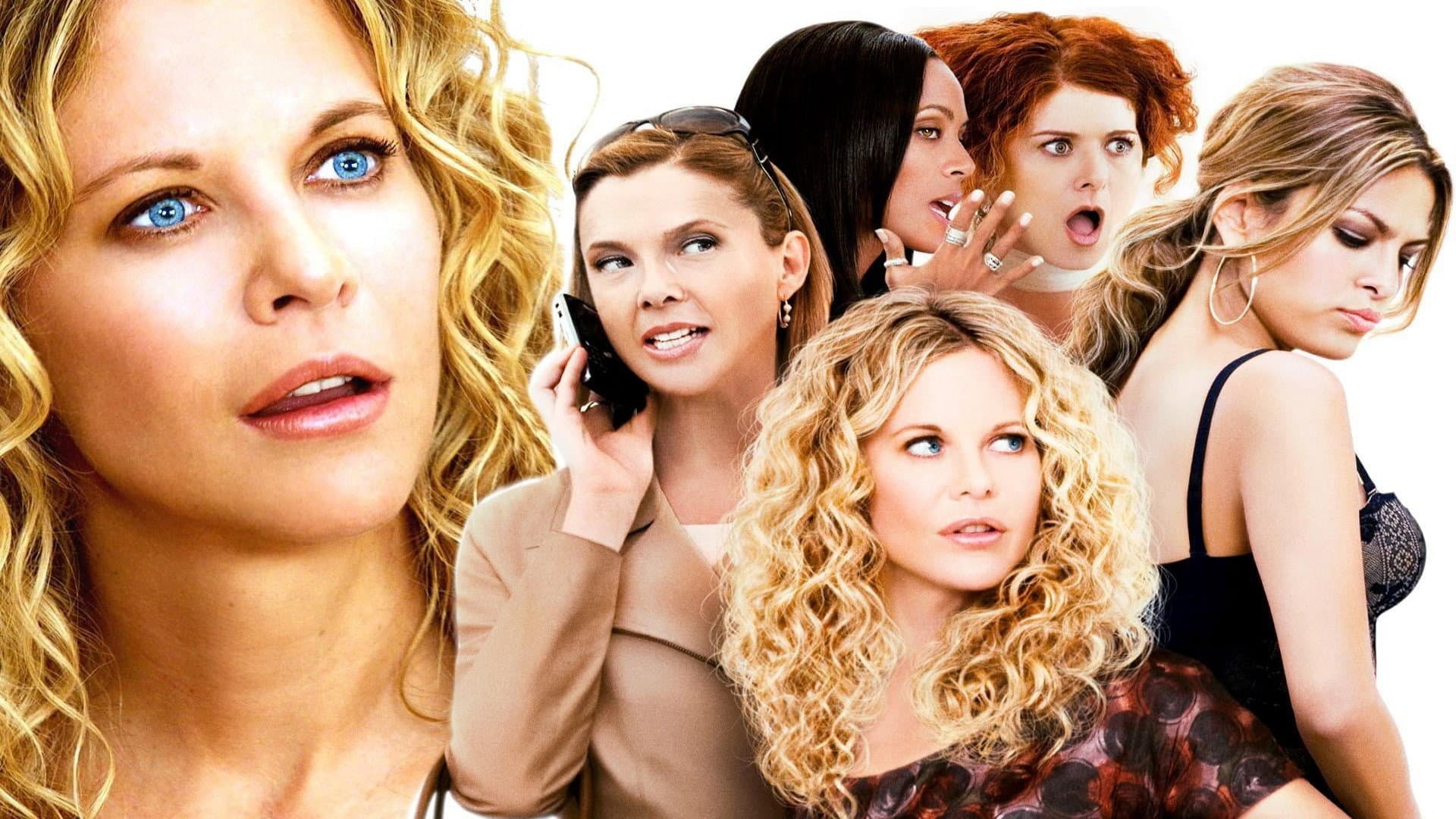
The property has proven durable. A 2008 remake directed by Diane English brought the story to a new generation, with Meg Ryan as Mary Haines, Annette Bening as Sylvie Fowler, Debra Messing as Edie Cohen, Jada Pinkett Smith as Alex Fisher, Eva Mendes as Crystal Allen, Candice Bergen as Catherine Frazier, Cloris Leachman as Maggie and India Ennenga as Molly Haines. That version, released on September 12, 2008, holds a 5.2 out of 10 rating on TMDb.
The new book lands at a moment of revived interest in the labor conditions and power structures that shaped studio-era Hollywood, particularly for women who rarely controlled their own material. The excerpt's most striking claim is not that Crawford and Shearer disliked each other - that has long been part of film lore - but the degree to which their feud structured the production itself, influencing scheduling, staging and the allocation of the film's most cutting lines.
What the Book Adds
Readers familiar with the standard accounts will find familiar beats: the rivalry over leading roles, the whispered alliances, the sense that every compliment carried a blade. What the book claims to add is granularity - specific incidents, dated exchanges and the recollections of crew members who watched the two women circle each other for the length of the shoot.
It also complicates the tidy narrative that has grown up around the film as a camp classic about female friendship and betrayal. The excerpt argues that the men running MGM were not passive observers of the Crawford-Shearer conflict but active participants in sustaining it, because rivalry sold tickets and kept contract players compliant.
For audiences, the practical effect is that "The Women" can now be watched as a document of its own making, with every arched eyebrow carrying a second meaning. The book positions the film as both a satire of its characters' social world and an accidental record of the industry that produced it. If the excerpt is any indication, the full volume will be catnip for devotees of studio-era Hollywood - and required reading for anyone who assumed the cattiest lines in "The Women" were strictly scripted.
Source: The Hollywood Reporter