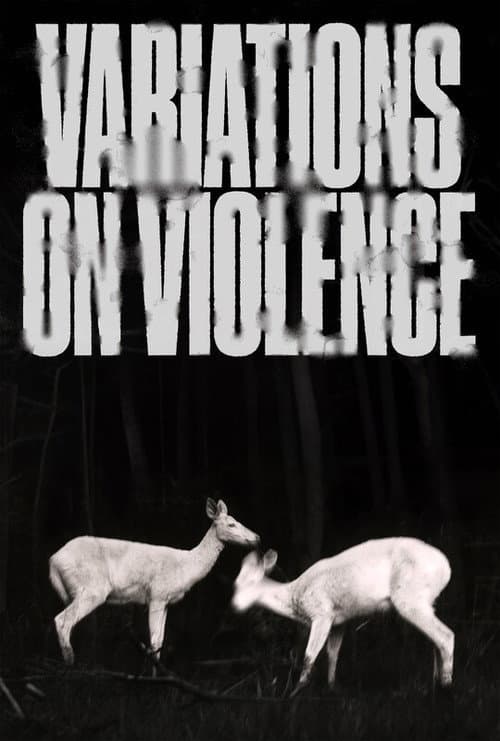
OLDENBURG, Germany - Zachary Nichols' claustrophobic war drama "Variations on Violence" took the top prize at the Oldenburg International Film Festival, capping a run that has positioned the 71-minute feature as one of the year's most unsettling festival discoveries.
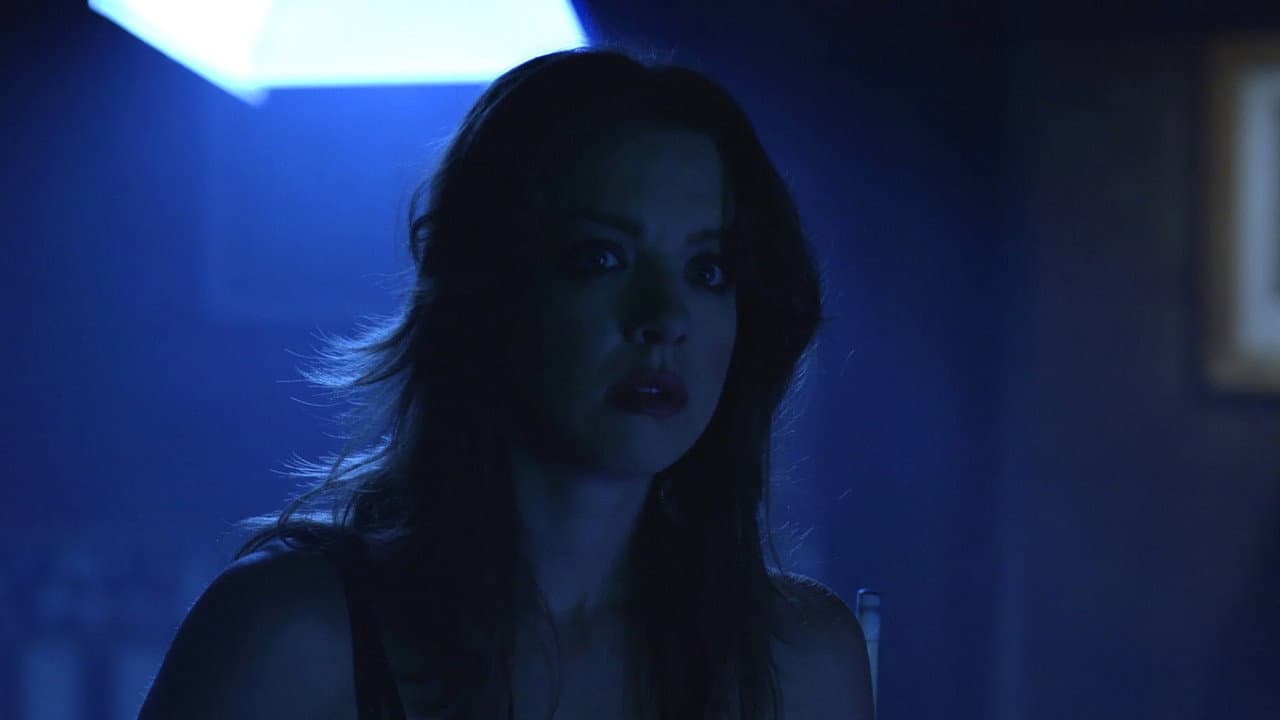
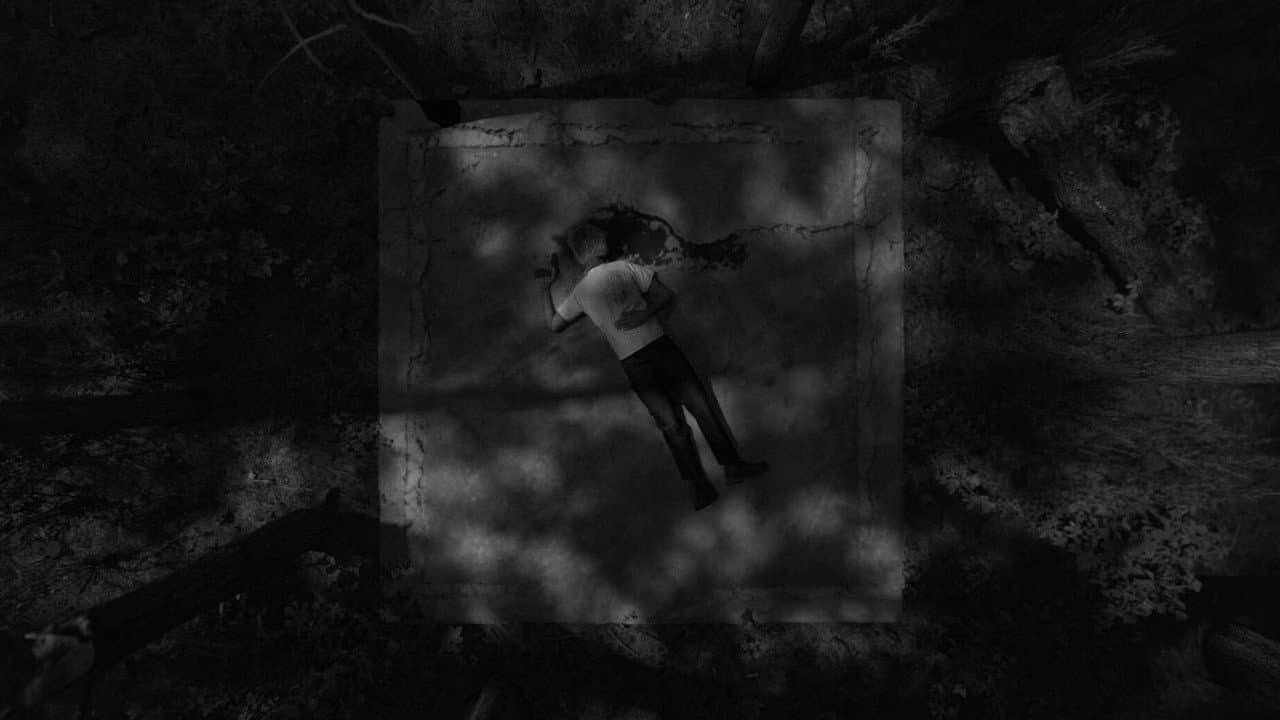
The film, which premiered in March, follows a military drone pilot who is gradually consumed by the distant violence he witnesses on a daily basis. As he drifts toward self-destruction, his sister is left to confront the intimate cost of a war being fought thousands of miles away. Though the premise sounds like familiar territory for the war-on-terror cycle, Nichols filters the material through horror and thriller conventions, turning the psychological toll of remote warfare into something closer to a haunting than a procedural.
The ensemble cast is led by Noelia Antweiler as Mary and Lars Drew as Johnny, with Krissy Garber, Zainab Sadia Saeed and Eric Wilson rounding out the principal players. The film runs just 71 minutes - a tight, pressurized runtime that festival audiences have noted leaves little room to breathe.
A Festival Circuit Built on Word of Mouth
"Variations on Violence" arrives at Oldenburg without the marketing machinery of a studio release behind it. Its momentum has been generated almost entirely through festival screenings and the kind of critical attention that a film this uncompromising tends to attract. The Best Film win gives the project a meaningful stamp of approval as it seeks distribution beyond the festival circuit.
The film's genre positioning is unusual. It is classified as a drama, horror and thriller simultaneously, a hybrid that reflects how Nichols treats the drone pilot's unraveling. The horror is not supernatural but structural - the horror of watching, from a safe distance, as violence unfolds elsewhere. That tension between proximity and distance sits at the center of the film, and it is the element that has most consistently drawn praise from festival audiences.
An American Story Told in English
Despite its European premiere setting, "Variations on Violence" is an English-language Hollywood production. The choice to root the story in an American military context is deliberate: the drone program, and the moral questions it raises about remote combat, remains a distinctly American subject, even as the film's festival life unfolds abroad.
With a current TMDb rating of 0/10 - reflecting its limited number of user votes rather than any critical assessment - the film remains largely unseen by general audiences. Its Oldenburg win is likely to change that, at least within the niche of distributors and programmers who track festival prizes. For a 71-minute feature with no major star power, the Best Film award is the kind of endorsement that can translate into art-house bookings and streaming interest.
What Comes Next
Nichols and his producers have not yet announced a distribution deal, and no theatrical or streaming date has been set. The Oldenburg prize gives them leverage in those conversations.
The film's themes - the psychological damage inflicted on those who wage war by remote control, and the collateral toll on the families left behind - remain stubbornly timely. Whether "Variations on Violence" can reach an audience beyond the festival circuit will depend on whether distributors believe that timeliness can overcome the challenges of a short, bleak, genre-blurring film with no recognizable names above the title.
For now, the film has what every independent project needs: a prize, a clear artistic identity, and a director willing to work in uncomfortable registers. Oldenburg has handed "Variations on Violence" its first major validation. The question is who will pick it up next.
Source: The Hollywood Reporter