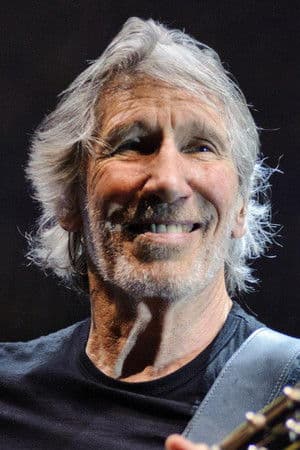
Roger Waters, Guy Pearce, and Nobel laureate Annie Ernaux are among a group of prominent cultural figures who have signed an open letter urging the Venice Film Festival to take "concrete action" in support of Palestine. The letter, addressed to festival organizers, calls on the prestigious Italian event to move beyond symbolic gestures and implement tangible measures in light of the ongoing conflict.
The appeal, which has circulated among artists and filmmakers ahead of this year’s festival, directly challenges the Venice Biennale’s leadership to reconsider its programming and partnerships. According to the signatories, the festival has a unique platform to influence global discourse, and they argue that neutrality is no longer sufficient. The letter specifically requests that Venice use its considerable institutional weight to amplify Palestinian voices in cinema, whether through dedicated screening slots, financial support for Palestinian filmmakers, or public statements that go beyond generic calls for peace.
Waters, the former Pink Floyd frontman known for his outspoken political activism, has been a particularly vocal critic of Israel’s military operations in Gaza. His involvement in the letter underscores a broader cultural movement among Western artists to pressure major arts institutions into taking a more definitive stance. Pearce, the Australian actor celebrated for his work in films like Memento and L.A. Confidential, has also been increasingly visible in pro-Palestinian advocacy, while Ernaux, the French author who won the Nobel Prize in Literature in 2022, brings considerable intellectual heft to the campaign.
The open letter arrives at a delicate moment for the Venice Film Festival, which is set to open its 83rd edition on September 2. As one of the “big three” European film festivals alongside Cannes and Berlin, Venice holds enormous sway over the international arthouse circuit. Organizers have historically navigated political controversies with care, seeking to maintain an apolitical veneer while occasionally making room for protest. This year, however, the pressure is mounting from multiple sides, with pro-Palestinian advocates demanding more than a passive acknowledgment of the humanitarian crisis.
The letter’s request for “concrete action” is deliberately vague in its specifics, but those familiar with its drafting suggest that it could include everything from a formal boycott of Israeli state-funded cultural institutions to the creation of a solidarity fund for Palestinian productions. It also calls on the festival to actively lobby the Italian government to recognize a Palestinian state, a step that would represent an unprecedented foray into diplomatic territory for a cultural event.
Venice’s response is not yet public, and festival director Alberto Barbera has not issued a statement regarding the letter. Historically, Barbera has shown a willingness to engage with political themes in programming, having previously selected films that tackle issues from migration to state surveillance. However, the festival has also faced criticism in recent years for what some perceive as a reluctance to take sides on the Israel-Palestine issue, with critics pointing to a lack of significant Palestinian representation in official selections.
The signatories include not only Waters, Pearce, and Ernaux but also a roster of lesser-known figures from across the global arts community, including independent directors, documentary makers, and visual artists who have worked in the region. Their collective weight may prove difficult for Venice to ignore entirely, though it remains unclear whether the festival will adopt any of the letter’s recommendations or choose to issue a carefully worded reply that preserves its institutional neutrality.
The timing of the letter is also notable given the broader context of cultural boycotts and divestment campaigns that have gained momentum in the past two years. Similar demands have been made at Cannes and the Berlinale, with mixed results. While some festivals have quietly supported Palestinian filmmakers through grants and residencies, none have formally endorsed a boycott of Israeli institutions. Venice, as the oldest film festival in the world, could set a precedent if it were to break that pattern.
For now, the open letter is largely a symbolic act, but its signatories have made clear that they intend to keep the pressure on in the weeks leading up to the festival’s opening. Whether Venice will respond with a public acknowledgment or attempt to stay above the fray remains to be seen. What is certain is that the conversation around Palestine in global cinema, long simmering in festival corridors, now has a public focal point and a list of names that carries real cultural capital. The festival’s next move will be closely watched by both supporters and detractors of the campaign, with the potential to reshape how major arts institutions engage with one of the most contested political issues of our time.
Source: The Hollywood Reporter