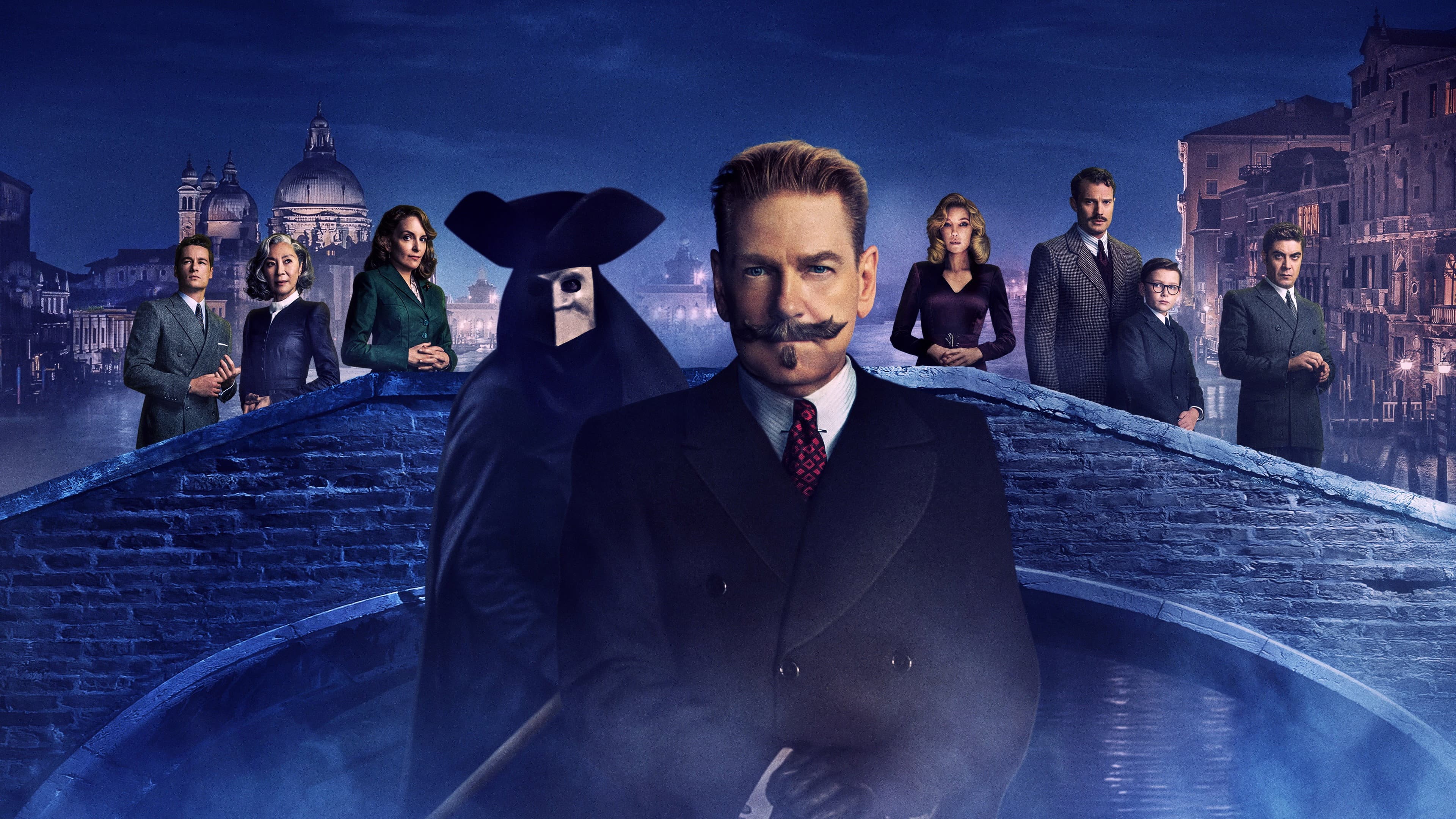
VENICE - On paper, the pairing made little sense. A studio tentpole built around a nine-figure budget, sharing a festival corridor with a quiet showcase for the next generation of smart home hardware. Yet that is precisely what unfolded along the Lido this week, as two very different exhibition strategies collided inside the same Venetian orbit.
The $300 million hitmaker - a film whose production scale has been the subject of months of industry chatter - anchored the more conventional half of the program. Its presence in Venice followed a familiar playbook: splashy photocall, a controlled press window, and a red-carpet moment calibrated to generate weeks of downstream coverage. Festival veterans noted that the title's budget alone made it an outlier in a year when most studios have trimmed spending on theatrical bets.
But the more curious story sat a few hundred meters away, where a cluster of consumer technology companies staged demonstrations of a new class of smart devices. The setting was not a trade show floor in Las Vegas or Berlin; it was a festival campus better known for auteur cinema and late-night espresso. That juxtaposition, several attendees said, was the point.
When Hardware Meets the Red Carpet
The smart-device presentations leaned heavily on the language of storytelling. Executives described their products as companions for how people watch, listen to, and live with filmed entertainment - not as replacements for the theatrical experience. Several demos focused on adaptive audio, personalized lighting, and interfaces designed to respond to a viewer's mood rather than a remote control.
That framing places the hardware companies in awkward territory. The film industry has spent much of the past decade debating whether living-room technology strengthens or undermines the movie theater. Venice, with its history of launching prestige titles that later become awards-season fixtures, tends to favor the theatrical side of that argument. So the decision to plant a tech showcase in the middle of it read as either bold or tone-deaf, depending on whom you asked.
"It feels like two different festivals happening at once," one European sales agent said outside a screening. "One is about the spectacle of the big film. The other is about the small screen in your house. They're not enemies, but they're not allies either."
The Economics Behind the Double Feature
Industry analysts see logic in the arrangement, even if the optics are muddled. Studios have grown dependent on premium formats and event-driven releases to justify their largest budgets, and those formats increasingly depend on hardware that can decode high dynamic range, spatial audio, and higher frame rates. In that sense, the gadget makers are not gatecrashers at a film festival; they are part of the supply chain.
The $300 million title, meanwhile, serves as a useful stress test. If a film of that scale can draw audiences back to theaters while also driving interest in home upgrades months later, both sides of the corridor benefit. That dual-revenue thesis has become a quiet obsession among studio finance executives, who have watched production costs climb while theatrical windows shrink.
Still, the festival's artistic faithful remain skeptical. Venice's identity rests on auteurs, not algorithms, and the presence of branded hardware demos risks diluting a brand that took decades to build. Organizers have not commented publicly on how the two programs were scheduled or whether they were coordinated at all.
What Venice Gains - and What It Risks
For the tech companies, the upside is obvious: association with prestige, access to press, and a patina of cultural seriousness that a convention center cannot provide. For the festival, the calculation is murkier. Sponsorship and partnership revenue are welcome in an era of tightening arts funding, but every commercial addition chips away at the purity that makes the event worth sponsoring in the first place.
What emerged this week was less a coherent double feature than a snapshot of an industry mid-transition. The blockbuster still commands the red carpet, but the living room is where the next battle over attention will be fought. Venice, ever the stage for strategic ambiguity, simply let both stories run in parallel.
Whether that experiment becomes a template or a one-off will depend on how the next few festival seasons unfold. For now, the Lido offered a rare sight: a $300 million bet and a table full of sensors, sharing the same salty air.
Source: The Hollywood Reporter