'Wandering Trees' Finds Director Salvatore Mereu in a Lyrical, Uneven New Mode
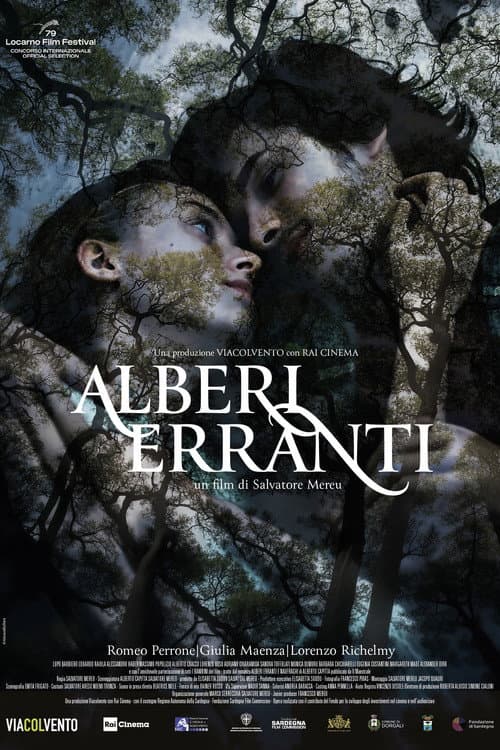
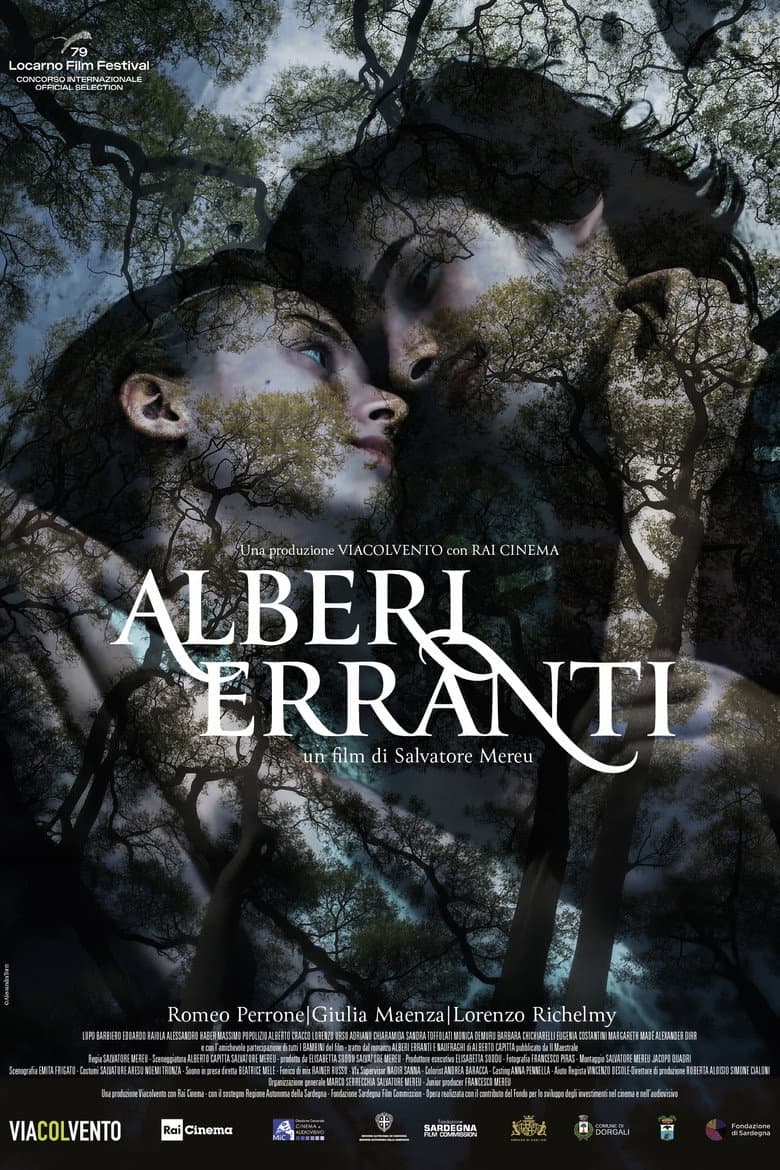
The latest feature from iconoclastic Italian filmmaker Salvatore Mereu, Wandering Trees, arrives in select theaters this week, and it represents a significant, if fitfully successful, departure for the director known for his gritty, naturalistic portraits of rural Sardinia. The film, which premiered on August 10 and runs a hefty 180 minutes, trades his usual austere realism for the trappings of a newly minted fairy tale. The result is a picture that is often visually arresting and emotionally ambitious, yet one that struggles to sustain its magical tenor across a sprawling runtime.
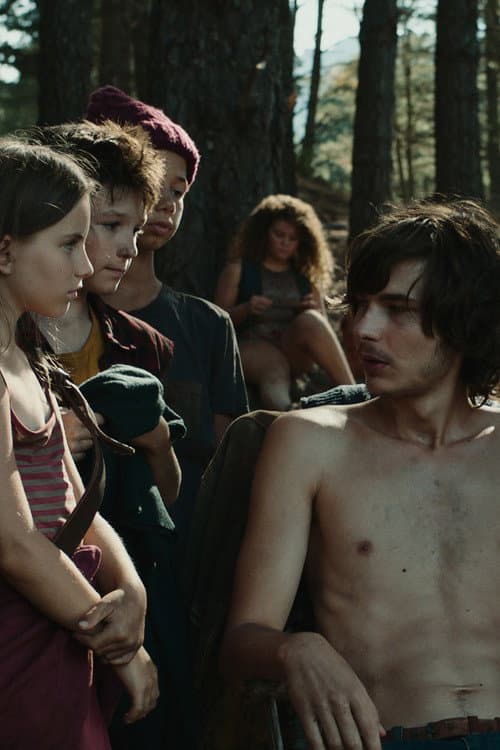
Mereu, whose previous works have been lauded for their unflinching look at marginalized communities, here constructs a modern fable centered on a father and son living on the periphery of a small town. Piero (Lorenzo Richelmy) and his young son Giuliano (Romeo Alexander Perrone) inhabit a dilapidated farmhouse that doubles as a makeshift sanctuary for a menagerie of injured animals. Their quiet, self-sufficient existence is marked by a gentle, wordless communion, a world unto itself that exists just beyond the town’s borders.
That fragile idyll is threatened by the Nonne, a group of local notables who view the pair’s unconventional lifestyle as a public nuisance. They are vagrants, the townsfolk insist, and their presence is an affront to order. The conflict is set against the backdrop of an impending snowfall, which lends the proceedings an air of wintry, almost otherworldly dread. When Piero mysteriously vanishes and the animals are brutally killed, the film pivots into a new, more perilous chapter. Young Giuliano, left utterly alone, is forced to embark on a quest to find his missing father.
The tonal shift is where Wandering Trees finds both its greatest strengths and its most pronounced weaknesses. Mereu and his cinematographer capture the snow-covered landscape with a painterly eye, crafting images that genuinely feel plucked from a storybook. Scenes of Giuliano navigating the frozen wilderness possess a hushed, mythic quality that is deeply affecting. The director’s commitment to a fable-like logic, where the boundaries between reality and dream blur, is a bold choice, and it occasionally yields moments of startling beauty.
However, the magical realism that Mereu attempts to conjure is not always consistent. The film oscillates between this elevated, ethereal mode and the more grounded, harrowing reality of a child in mortal peril. At times, the fairy-tale elements feel grafted onto the narrative rather than organically woven into it. The pacing, a common challenge in a three-hour film, here feels particularly uneven in the middle act, where the search for Piero is stretched to a point where the initial momentum flags. The supporting cast, including Giulia Maenza and Edoardo Raiola, are given limited material, their roles feeling more like archetypes - the benevolent spirit, the stern authority - than fully realized characters.
The performances from the leads help anchor the film when the narrative threatens to float away. Richelmy brings a quiet, weathered intensity to Piero, a man whose kindness toward animals seems to be a shield against the cruelties of the human world. But the film truly rests on the shoulders of young Perrone, who delivers a remarkably assured and expressive performance as Giuliano. He carries the emotional weight of the story with a naturalistic poise, conveying a profound sense of loss and determination without ever tipping into precocious melodrama. His journey is the film’s beating heart, and it is his presence that keeps the audience invested even when the plot meanders.
The film’s conclusion, which we will not spoil here, offers a resolution that is more thematically resonant than narratively tidy. It reinforces the film’s central concerns about innocence, loss, and the often-precarious relationship between human society and the natural world. Mereu seems to be asking whether a miraculous, redemptive grace is possible in a world that has been so thoroughly damaged.
Ultimately, Wandering Trees is a frustratingly ambitious work. It is a film that demands patience and rewards it only intermittently. For viewers willing to surrender to its languid rhythms and accept its patchwork of fable and realism, there are passages of powerful, haunting cinema to be found. Yet for those expecting the coherent, propulsive vision of Mereu’s earlier, more grounded work, this new fairy tale may feel like a promise only partially kept. It is a brave, uncompromising experiment from a director unafraid to reinvent himself, even if the magic he seeks proves elusive more often than it arrives. As it stands, Wandering Trees is a curious, occasionally spellbinding, but ultimately uneven chapter in a singular filmography.
Source: Variety