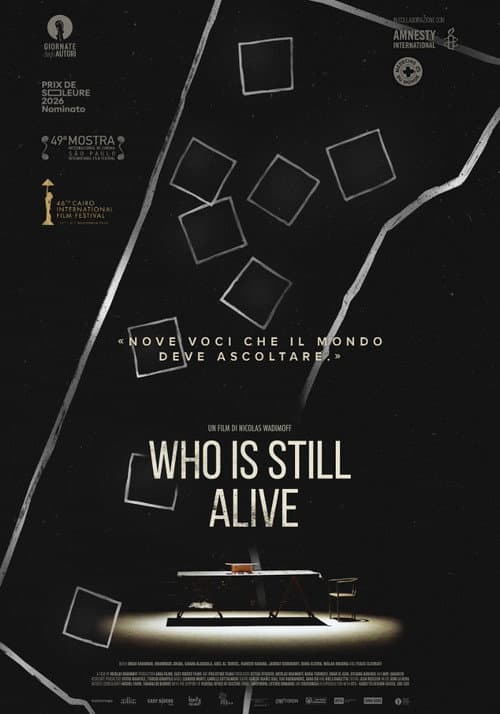
Switzerland has formally submitted Who is Still Alive, a documentary chronicling the experiences of nine Palestinians who fled the humanitarian crisis in Gaza, as its candidate for the Best International Feature Film category at the upcoming Academy Awards. The announcement solidifies the country's entry for the 2026 Oscar race, positioning a stark, personal account of displacement at the center of its campaign.
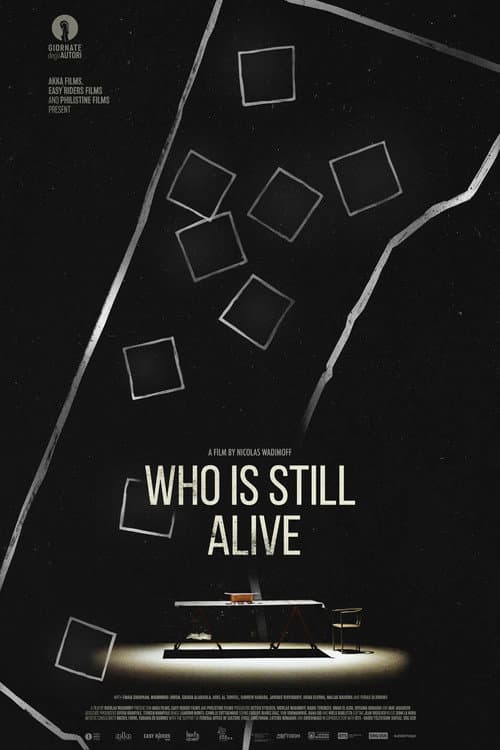
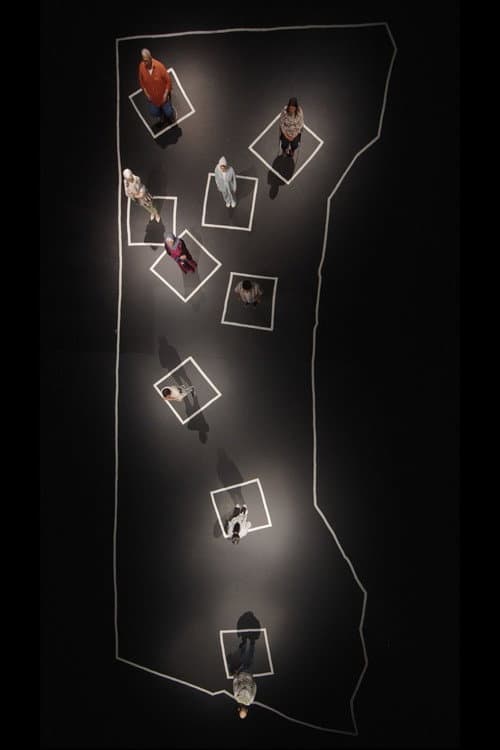
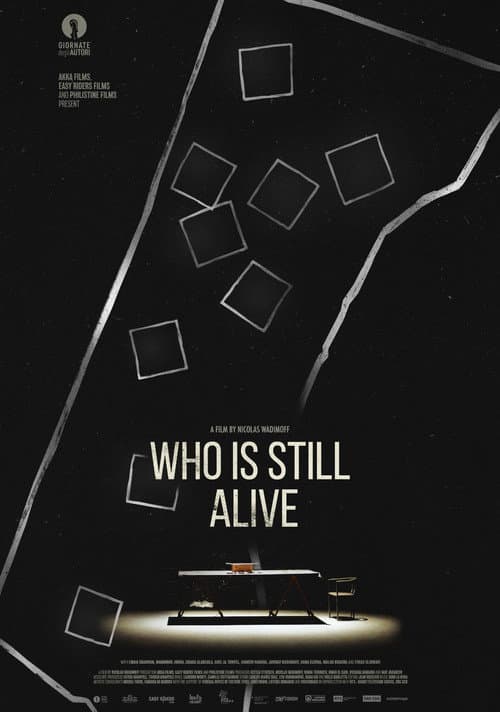
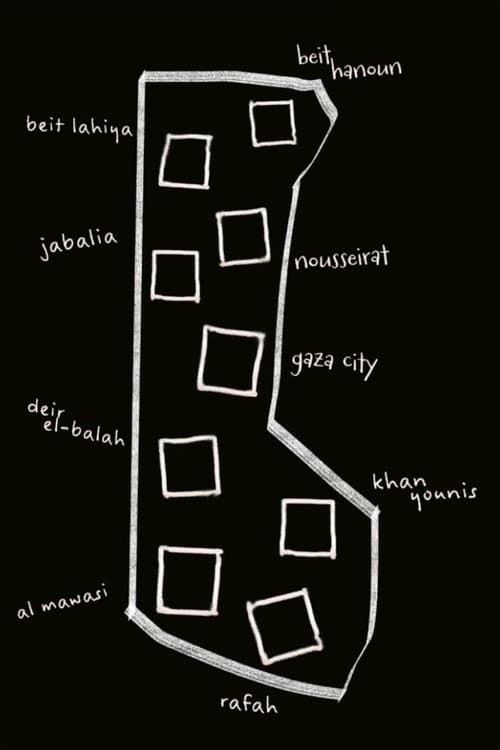
The film, directed by Nicolas Wadimoff, presents its subjects through a distinctive visual conceit: a map of Gaza - its towns, camps, and neighborhoods - drawn in crude white paint on a black background. Within those rough outlines, the nine refugees speak directly to the camera, recounting their escapes from what the film describes as "the inferno" of the ongoing conflict. The approach strips away traditional news footage or archival bombast, instead offering an almost schematic space where voices carry the weight of testimony.
Wadimoff, a Swiss filmmaker known for his documentary and narrative work, has built a career around political urgency and human-scale storytelling. Here, he turns the cartographic frame into a sort of holding space - less a geographic guide than an emotional ledger of loss. The film’s title functions as both a question and a grim tally, asking who among the displaced has survived, and what survival means when home has been reduced to a painted outline.
The documentary screened with a runtime of 113 minutes and had its release date set for February 5, 2026. Its cast is composed entirely of non-professional participants, all identified by their own names: Jawdat Khoudary, Mahmoud Jouda, Adel Altaweel, Haneen Harara, Malak Khadra, Hana Eleiwa, Feras Elshrafi, and Eman Shannan. Each appears as "Himself" or "Herself," reinforcing the film’s insistence on raw, unmediated testimony over dramatization. The TMDb rating currently sits at 0/10, which reflects the fact that the film has not yet received broad public or critical scoring rather than any negative reception.
Choosing Who is Still Alive marks a notable departure for Switzerland’s Oscar selection committee, which has historically favored more conventional dramas, coming-of-age stories, or lighter fare when submitting to the Academy. The documentary’s subject matter is unflinching, and its format is deliberately austere. It enters a crowded field: past Swiss submissions have ranged from intimate family sagas to historical epics, but rarely has the country thrown its weight behind a film so explicitly tied to an ongoing geopolitical crisis. The decision signals a willingness to engage with contemporary suffering rather than retreat into safer national narratives.
The timing of the submission is also significant. With the Academy’s international feature race increasingly globalized and competitive, documentaries have carved out a genuine foothold in recent years - films like Collective and Flee have earned nominations, and Navalny took the prize in 2023. Who is Still Alive may benefit from that momentum, especially if voters respond to its formal restraint and moral clarity. The film does not offer political analysis or policy prescriptions; it simply lets nine people describe what they fled, what they lost, and what they carried with them. That focus could resonate in a category where emotional immediacy often trumps narrative polish.
However, the road to a nomination is not straightforward. International Feature requires a country’s single selection to pass through a review committee, then survive a preliminary screening phase and a shortlist vote. Switzerland’s choice will face stiff competition from more established documentary powerhouses and narrative heavyweights from Europe, Asia, and Latin America. The film’s lack of a theatrical footprint - its release date is still recent, and its distribution beyond festival circuits remains unclear - could prove a hurdle. Voters need to see the film, and exposure often depends on strong festival runs or high-profile streaming placements.
Still, the selection itself carries weight beyond awards season. By submitting Who is Still Alive, Switzerland has placed a bold, uncomfortable question at the heart of its cultural diplomacy: what does the world owe to the living, not just the dead, of Gaza? The film’s nine narrators are not statistics; they are named, they are present, and they are telling their stories in their own words. Whatever the Academy decides, that act of witness is already the point.
As the Oscar race unfolds, all eyes will turn to how the film is received on the international festival circuit, where early screenings could generate buzz and shape the conversation around its eligibility. For now, Switzerland’s submission stands as a stark reminder that cinema, at its most essential, is a way of saying: these people were here, and they are still speaking.
Source: Variety