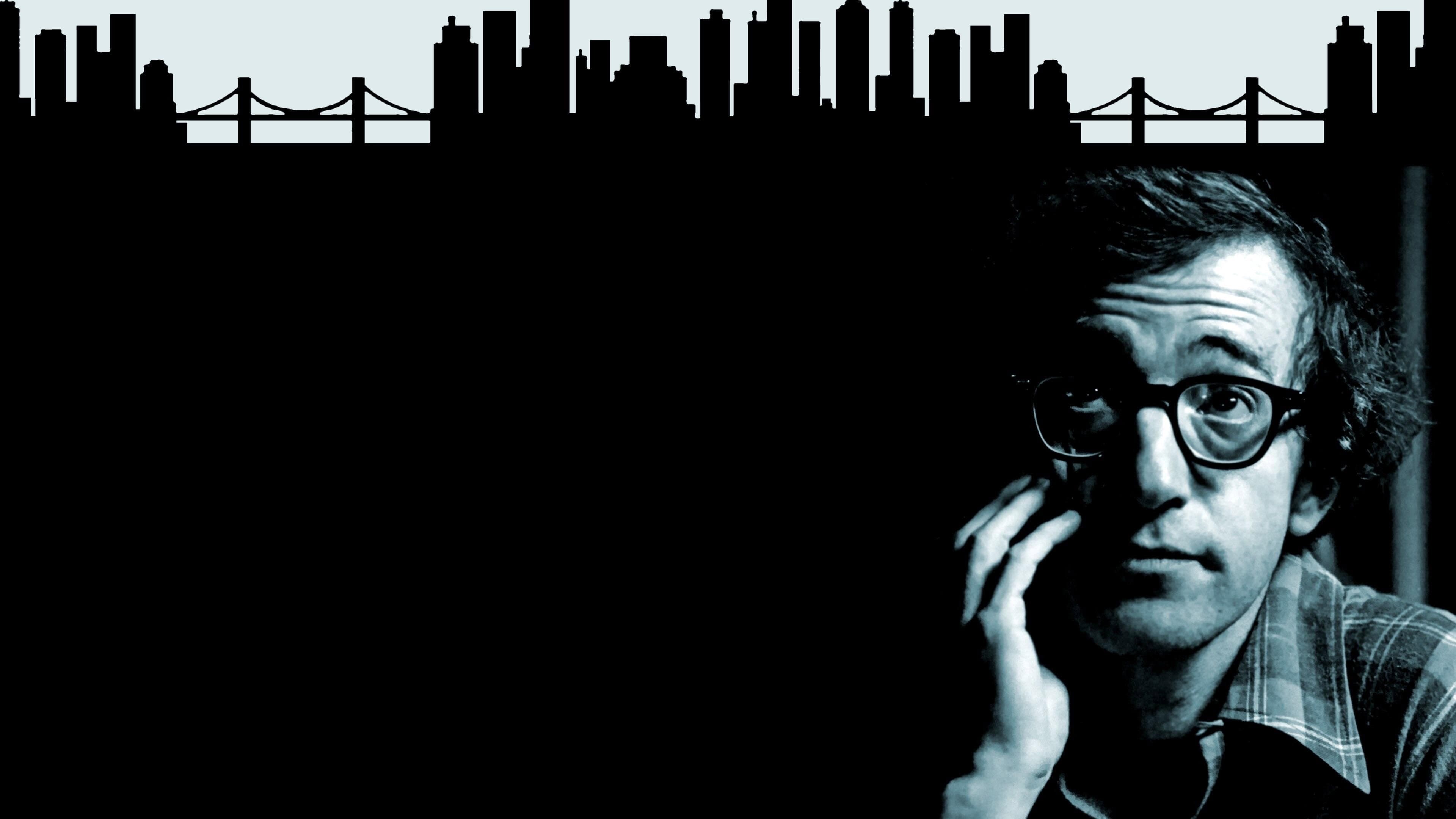
Woody Allen is back in the Spanish capital, and he is not alone. The director, whose long relationship with Madrid stretches back more than a decade, is among a growing roster of international filmmakers choosing the city as a production base rather than a brief location stop. That steady flow of shoots has helped Madrid post its strongest year yet for hosting film and television productions, according to the regional film commission, which tracks permits and spending tied to shoots in the city and its surrounding region.
Allen's history with Madrid is well documented. He shot "Vicky Cristina Barcelona" in Spain in 2008, largely in Catalonia, and returned to the country for "Midnight in Paris," though that film was set and shot in France. More recently, the Spanish media group Mediapro backed his 2023 Spanish-language feature "Coup de Chance," which was filmed in Paris. His latest project brings him back to Madrid, and the production has drawn attention less for its plot - details remain under wraps - than for what it says about the city's standing as a European shooting hub.
A Deep Bench of Local Crews and Facilities
Producers cite a familiar set of advantages. Madrid offers a dense concentration of experienced crews, soundstages and postproduction houses, which allows a production to move from exterior shooting to editing without leaving the region. The city also sits within a short flight of other European capitals, easing the logistical burden on casts and executives splitting time between projects.
Then there is the cost calculus. Spain's tax incentive system for audiovisual production has become one of the more competitive in Europe, offering foreign productions a rebate on eligible spending in the country. The Spanish government expanded the program in recent years, raising the ceiling on aid and making it easier for big-budget international shoots to qualify. For a director working with a modest budget, as Allen typically does, those numbers matter.
Language has also become less of an obstacle. Allen's recent work has moved freely between English and other languages, and he has said he enjoys the change of rhythm that comes with shooting abroad. Madrid's bilingual production infrastructure - crews comfortable working in English and Spanish - makes that transition smoother than it would be in many other cities.
A Record Year for the Region
The Madrid Film Office and the regional government have reported that the capital has set a record for production activity, measured by the number of shoots and the economic return they generate. The figures reflect a broader Spanish boom: the country has become a favored destination for streaming platforms and Hollywood studios seeking European locations, and Madrid has captured a significant share of that business.
The surge is not limited to film. Series produced for international platforms have taken over streets, plazas and industrial spaces across the city, sometimes for months at a time. Local vendors - caterers, equipment rental houses, drivers, location scouts - have felt the effects. So have residents, who occasionally find their neighborhoods transformed into backdrops and their commutes rerouted by filming notices.
Regional officials have leaned into the trend, promoting Madrid at international markets and streamlining the permit process for productions that meet certain criteria. The pitch is straightforward: a major European capital with a film-friendly bureaucracy, a deep talent pool and a climate that permits year-round exterior shooting.
What It Means for the Industry
For Spanish crews, the influx is a double-edged development. Steady work from foreign productions has raised rates and given technicians experience on larger sets. At the same time, the demand has strained the available workforce, and some local producers worry that domestic projects are being squeezed out by bigger-budget international shoots that can pay more for the same crews and stages.
For Madrid's identity on screen, the effect is more subtle. A city that once stood in for Paris, Buenos Aires or an unnamed European capital in international films is increasingly playing itself. Audiences have grown familiar with its landmarks - the Prado, the Retiro, the Gran Vía - and that familiarity has become part of the city's brand.
Allen's return fits neatly into that pattern. He is not the first major director to make Madrid a recurring stop, and he will not be the last. What has changed is the scale. A city that once hosted the occasional international shoot now competes for them year-round, and the record set this year suggests the competition is going Madrid's way.
Source: The Hollywood Reporter