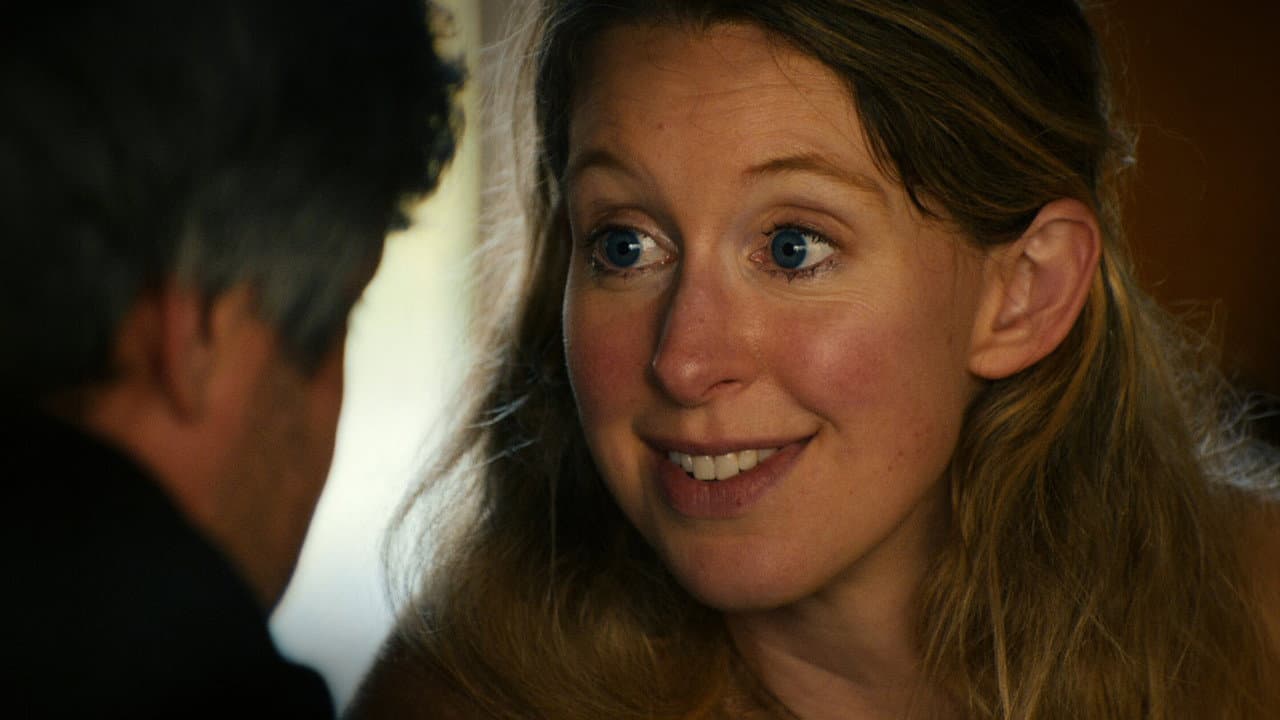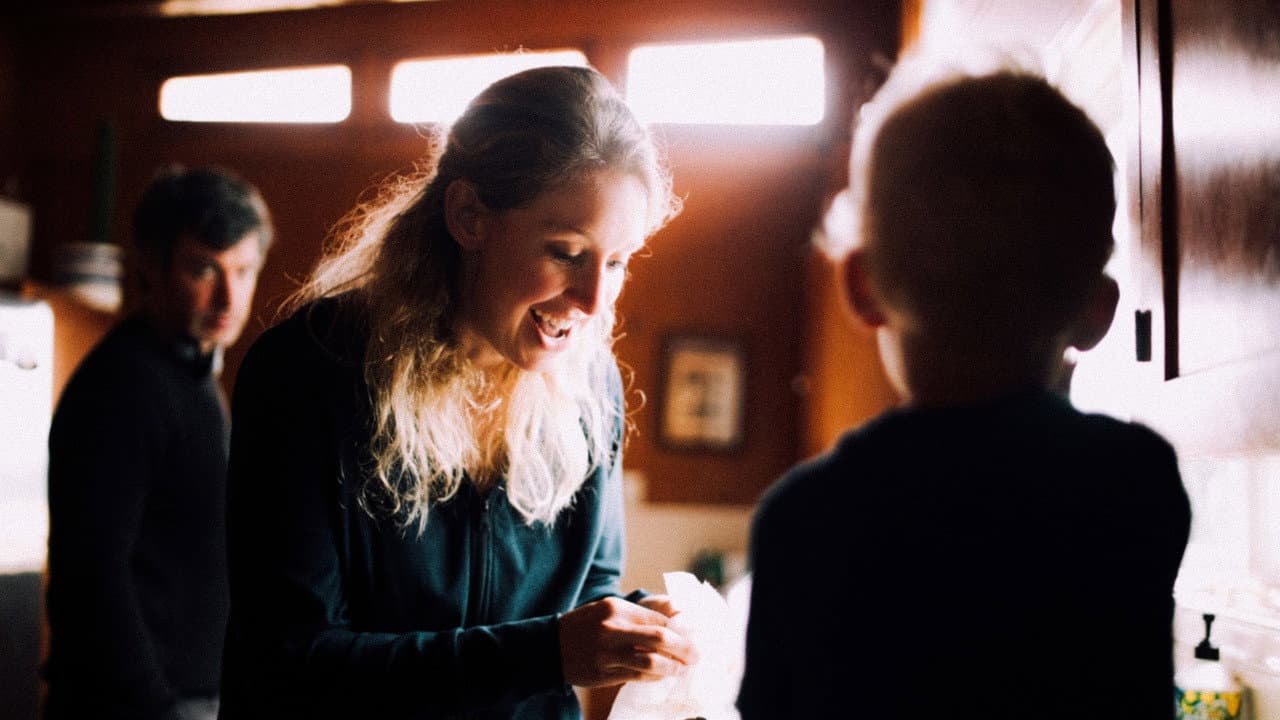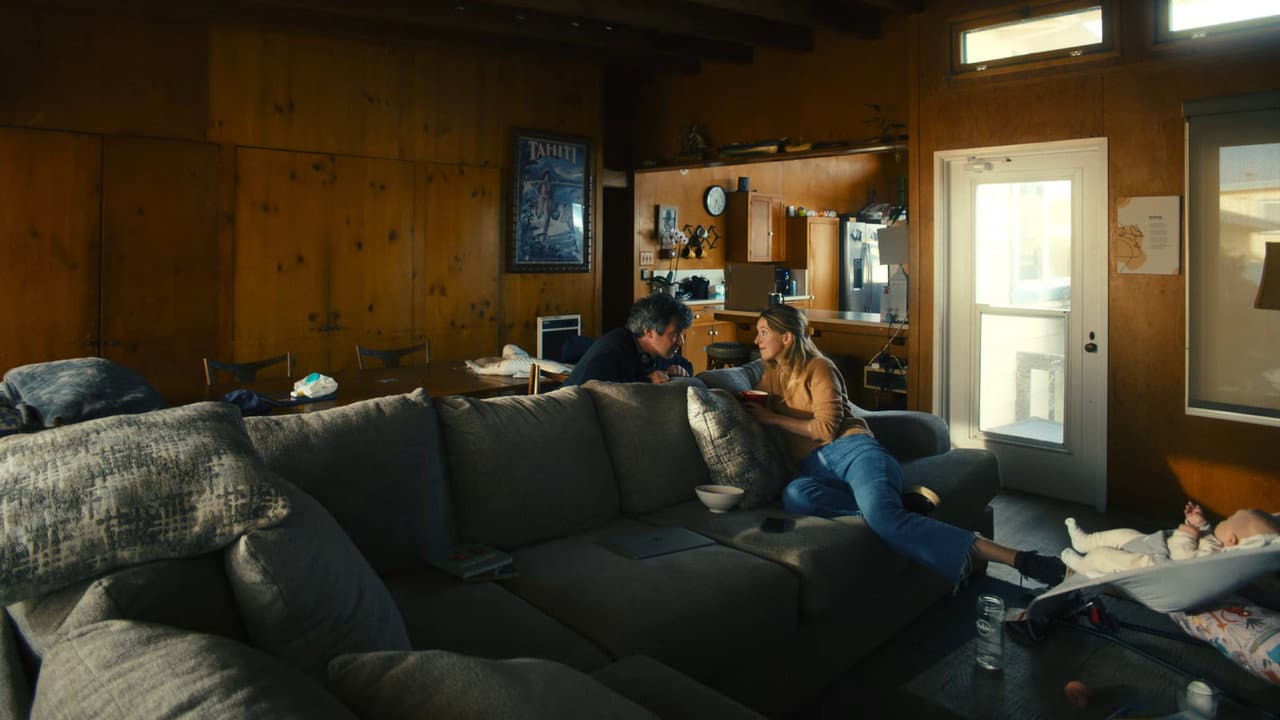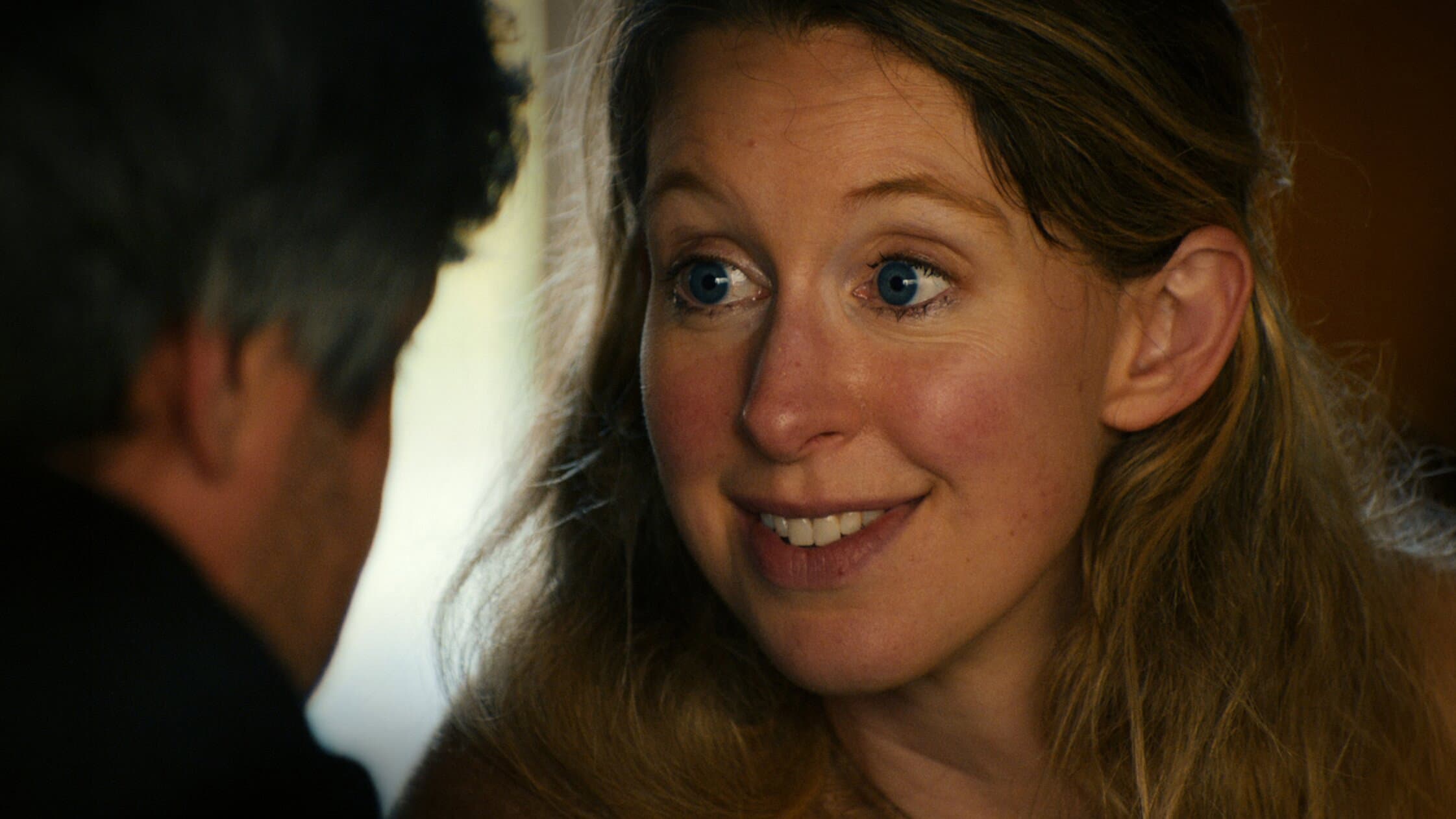
Elizabeth Holmes is speaking out - or at least that's the claim at the center of a new documentary arriving in theaters next month. In "You Can See Everything," the disgraced Theranos founder says she spent years being prevented from telling her own story, according to remarks featured in the film. The documentary, directed by Nathan Fielder, is set for an October 16, 2026 release through Hollywood, with a running time of 174 minutes.
The film's official logline frames its premise as a countdown: thirty-four days before Holmes is scheduled to report to prison, she invites a skeptical film crew to follow her every movement. What the filmmakers describe as an intimate profile of an enigmatic felon instead turns into what the logline calls a "mind-bending three-year journey into the abyss."
Holmes' assertion that she was "silenced for a long time" arrives as the documentary's promotional campaign ramps up, positioning the project less as a conventional true-crime recap than as a meta-commentary on image-making itself. For a figure whose public persona was built on carefully controlled messaging, the decision to hand over access to a filmmaker known for blurring the line between documentary and performance is itself the story.
A Director Known for Unsettling Formats
Fielder's involvement signals that "You Can See Everything" will not follow the template of a standard investigative documentary. Fielder built his reputation on projects that deliberately destabilize the relationship between subject, filmmaker and audience, and this film - a 174-minute documentary - appears designed to test how much of Holmes' account viewers are willing to accept.
The cast list reinforces that unconventional approach. Holmes appears as herself, alongside Fielder. Also credited as themselves are Billy Evans, Amanda Seyfried, Christopher Abbott, William Holmes Evans, Invicta Holmes Evans and Lance Oppenheim. Seyfried's presence is particularly notable - she is credited as "Self / Elizabeth Holmes," suggesting some form of on-screen doubling or reenactment woven into the documentary's structure.
That casting choice hints at one of the film's central tensions: the gap between the real Holmes and the many mediated versions of her that have circulated since Theranos collapsed. Whether the documentary interrogates that gap or luxuriates in it will likely determine how audiences and critics receive it.
From Silicon Valley Rise to Legal Fall
Holmes founded Theranos as a blood-testing company promising revolutionary diagnostics from a single finger prick. The company's claims eventually unraveled under journalistic scrutiny, and Holmes was convicted on fraud charges. Her case became a cultural touchstone for debates about startup culture, venture capital hype and the mythology surrounding charismatic founders.
Her story has already spawned extensive coverage in podcasts, books and television, including a high-profile dramatization starring Seyfried. "You Can See Everything" arrives into a crowded field, which raises the question of what new territory remains. The answer, based on the film's premise, appears to be access: Holmes herself, on camera, in the final weeks before incarceration, granting a crew the run of her life.
The title carries a double edge. It could refer to the surveillance-like intimacy of the documentary process, or to a broader claim about visibility and truth. Given the subject, neither reading is neutral.
Release Details and Open Questions
"You Can See Everything" is an English-language documentary produced within the Hollywood industry. It opens on October 16, 2026, roughly two weeks after the date of this report. The film carries a runtime of 174 minutes, an unusually long duration for a documentary and one that suggests the project aims for immersion rather than summary.
As of now, the documentary holds a 0/10 rating on TMDb - a figure that reflects the absence of audience votes rather than critical reception, and should not be read as a verdict on the film itself. No box-office projections have been released.
What remains unclear is how much of Holmes' "silenced" claim is contextualized within the film. The line, as promoted, invites sympathy while sidestepping the specifics of her conviction. A documentary built around a subject's self-narration always risks becoming a platform, and Fielder's track record suggests he is aware of that hazard - possibly to the point of making it the subject.
For audiences, the appeal may lie less in learning new facts about Theranos than in watching the machinery of reputation management operate in real time, with Holmes as both operator and exhibit. Whether that makes for revelation or another layer of performance is a question the film itself appears determined to leave unresolved.
"You Can See Everything" opens October 16, 2026.
Source: The Hollywood Reporter