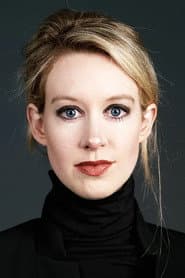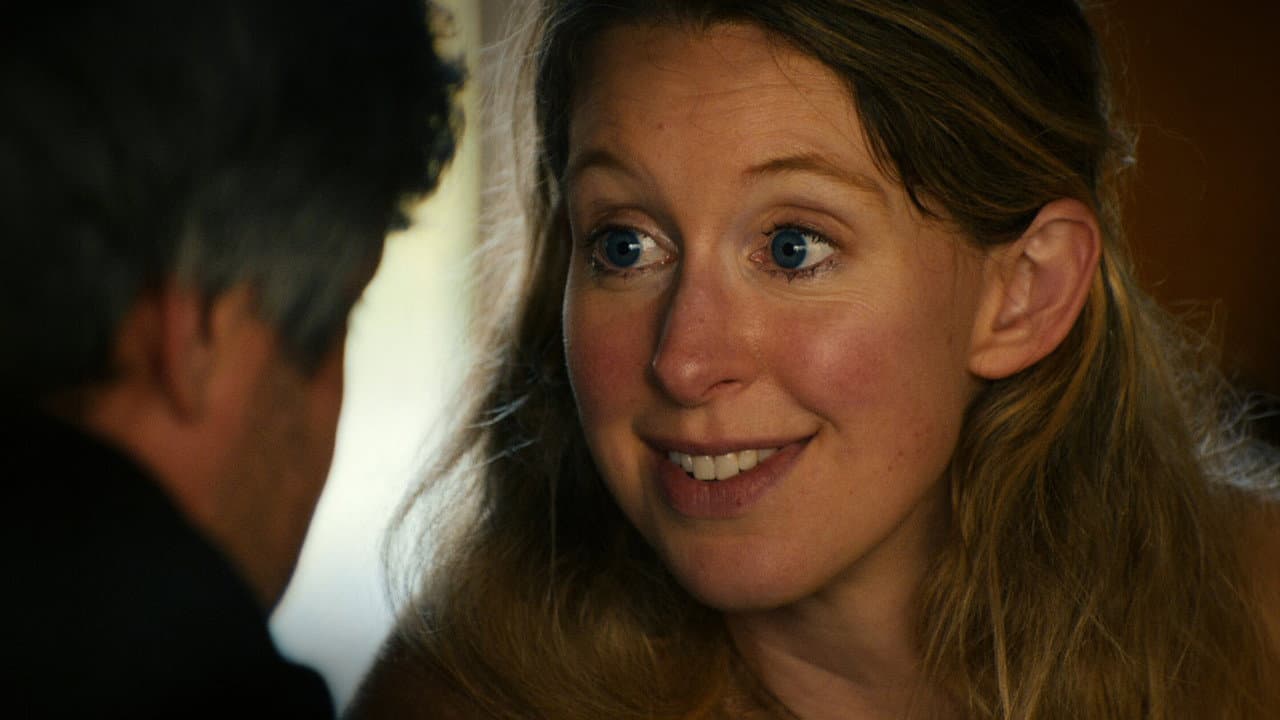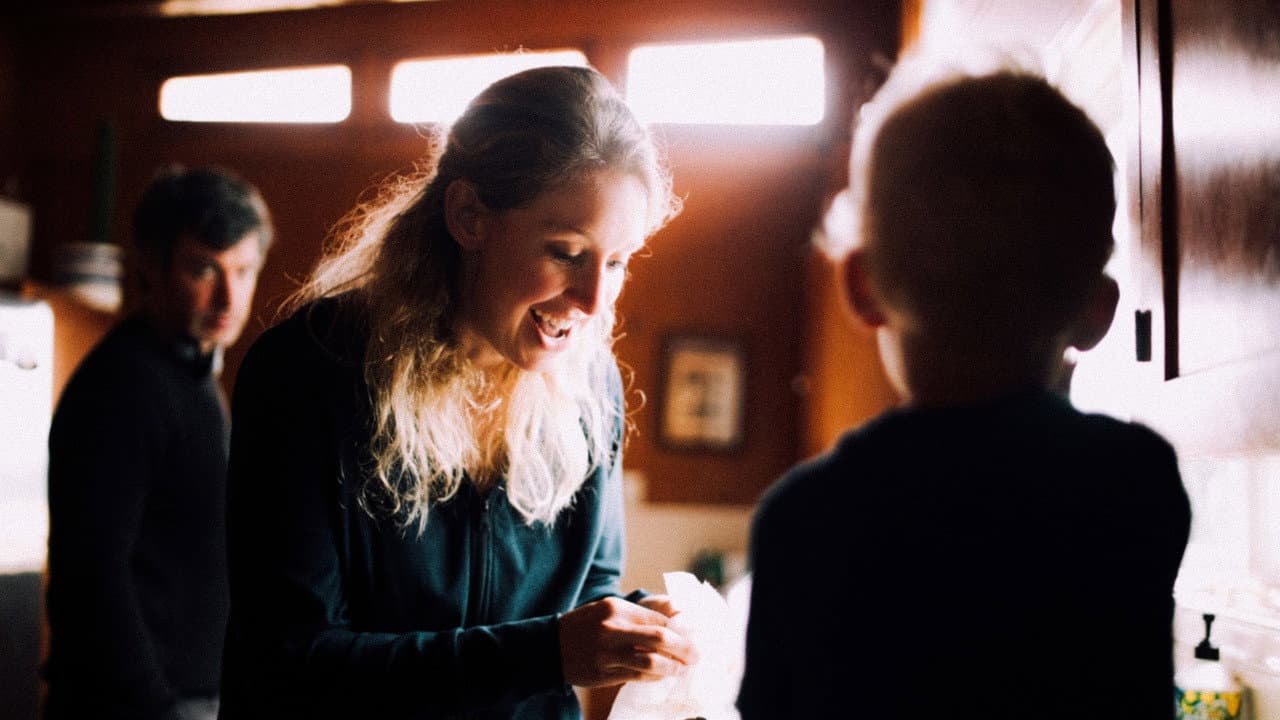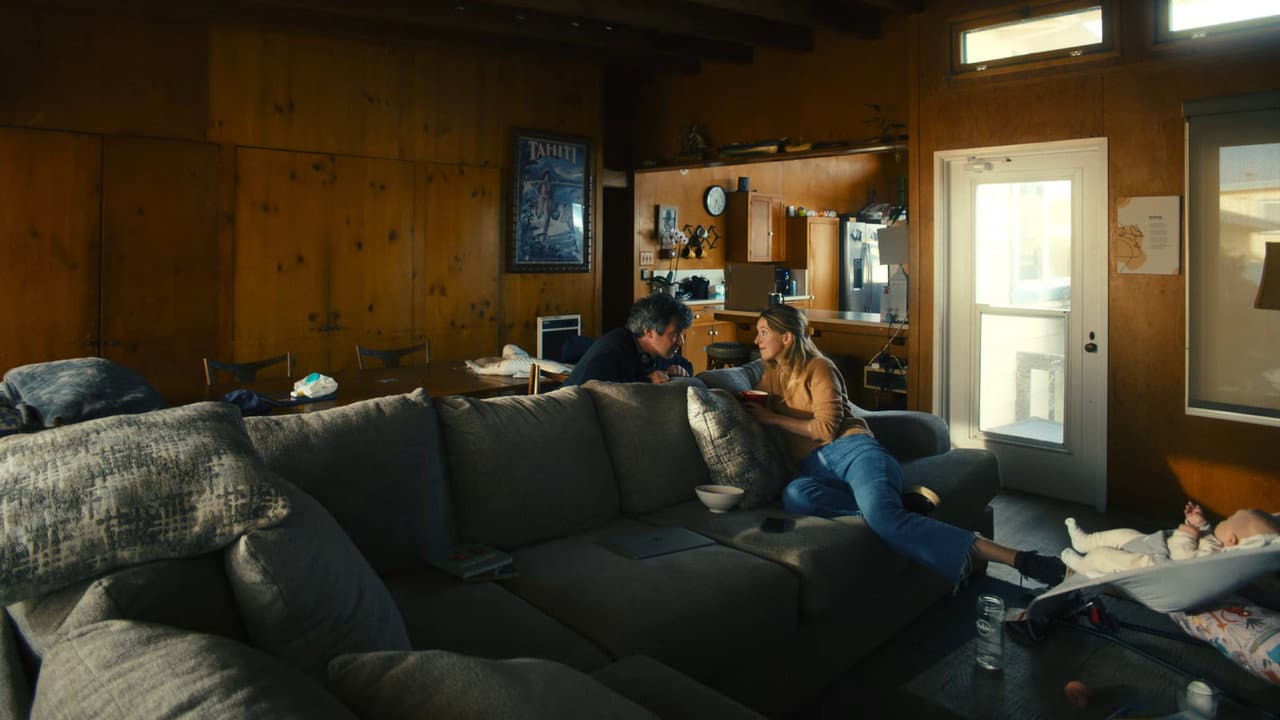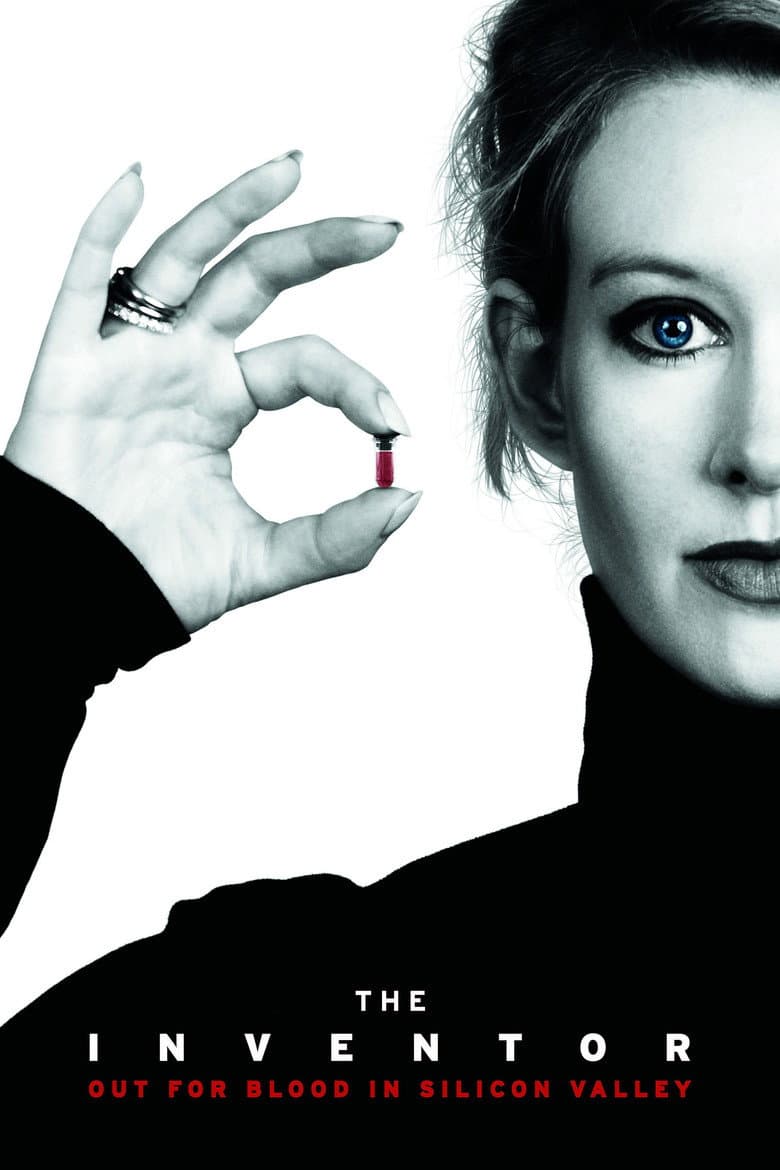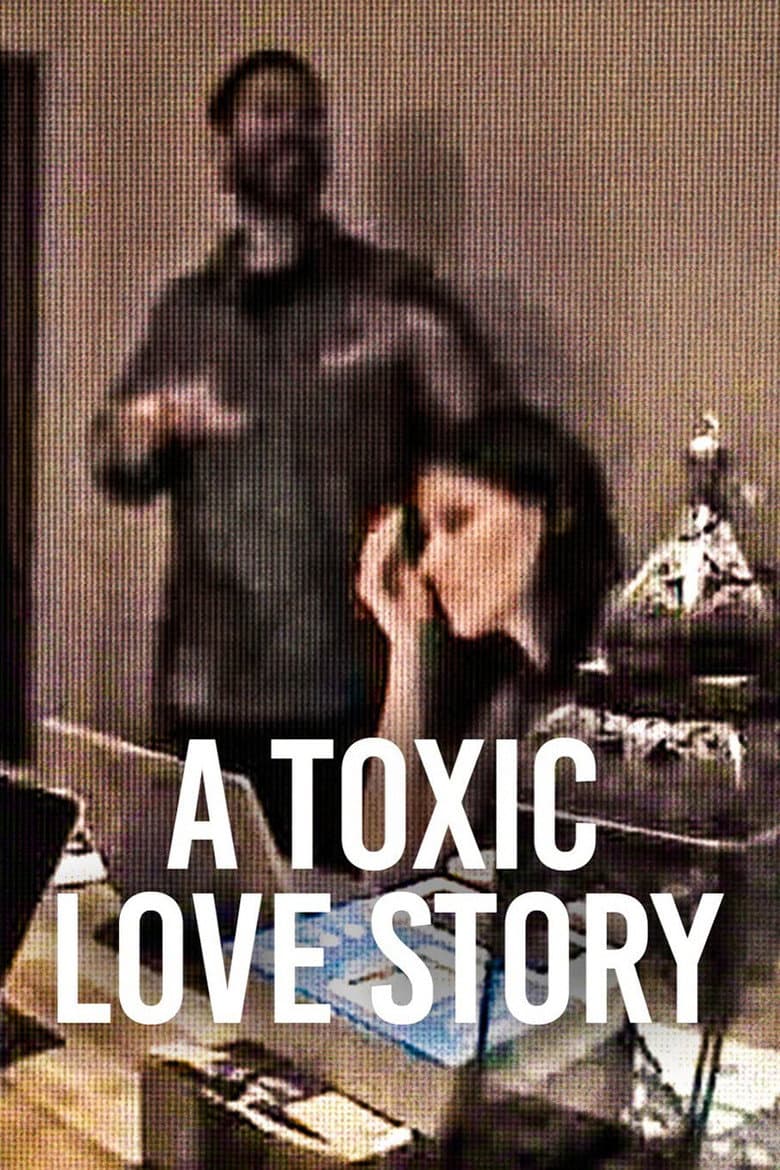
The setup is deceptively simple. Thirty-four days before Elizabeth Holmes is due to report to prison, she invites a skeptical film crew into her life, promising total access. Fielder, playing a version of himself as director, clearly expects a controlled redemption narrative. What he gets instead is a subject who treats the camera as another room to be managed, another audience to be charmed.
But the film refuses to stay in that lane. Over the course of three years - well past the prison gates, well past any conventional ending - the project mutates. Holmes remains a presence even when she is absent, and the documentary begins to interrogate its own machinery: who is performing for whom, what the crew is complicit in, and whether a portrait of a subject can ever be separated from the ego of the person holding the lens. Amanda Seyfried appears as a version of Holmes, and the film's willingness to blur that line tells you everything about its intentions. Billy Evans, the Holmes children, and producer Lance Oppenheim drift through the frame as both participants and evidence. By the final act, the abyss the overview promises is no longer metaphorical.