A senior YouTube executive predicted Tuesday that a wave of internet-native films - the kind that thrive on the platform before ever touching a theater - will increasingly cross over into mainstream theatrical success and, eventually, awards contention. The remark, delivered during a wide-ranging industry conversation, points to a growing belief inside the online video giant that its creative ecosystem is no longer just a farm team for Hollywood but a launching pad in its own right.
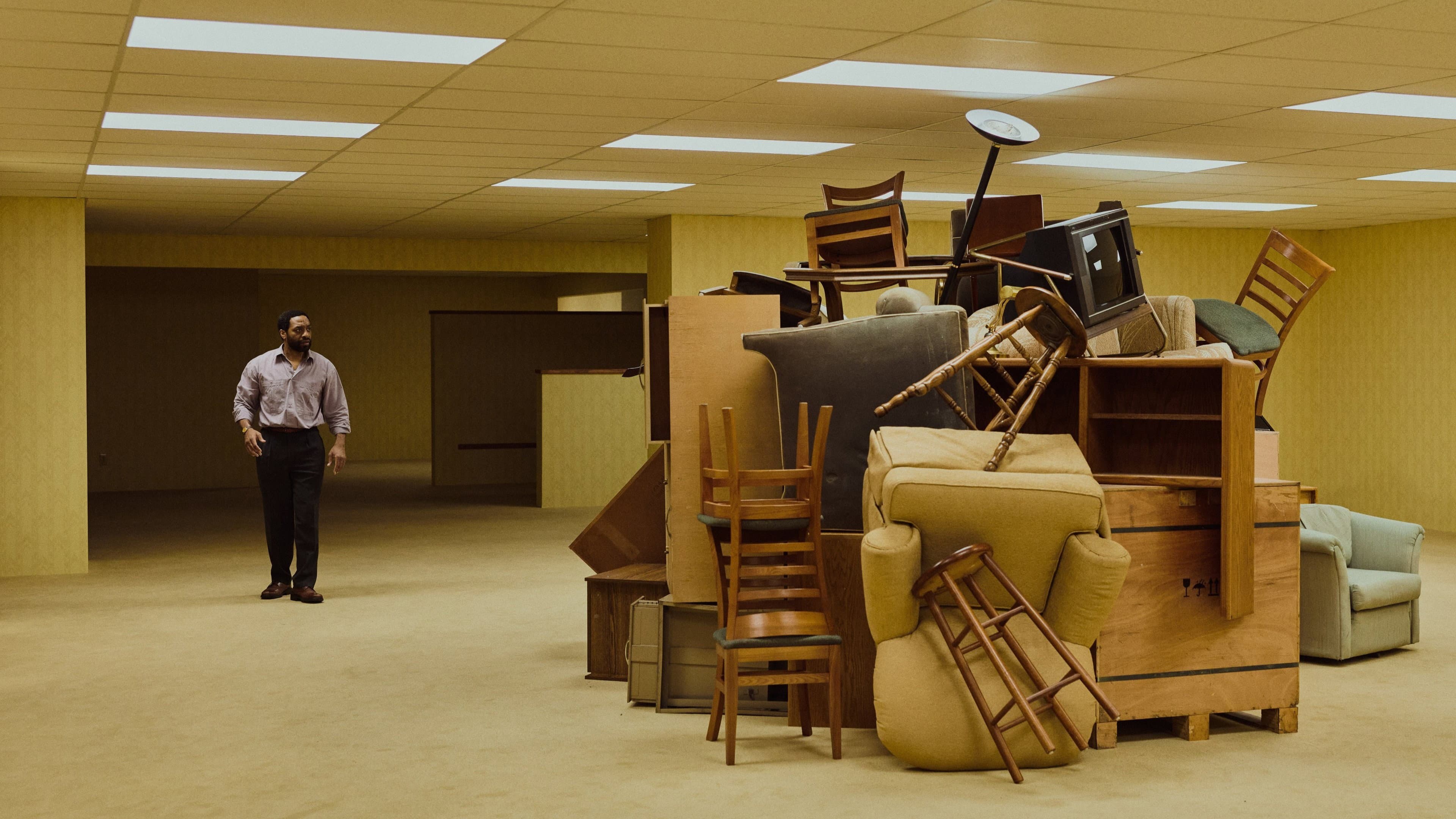
The executive singled out two titles as evidence of the trend: "Obsession" and "Backrooms," both of which began as online phenomena before expanding into the broader entertainment conversation. Neither was a traditional studio bet, and that, according to the executive's argument, is precisely the point. Audiences are finding stories on their own terms, and the industry is beginning to follow rather than lead.
An Unlikely Pipeline From Watch Time to Box Office
For years, the relationship between YouTube creators and the film business has been lopsided. Viral stars got meetings, occasionally got development deals, and rarely got theatrical releases. The executive's comments suggest that calculus is changing. When a project builds a devoted audience on the platform, it arrives in the marketplace with something studios spend nine figures trying to manufacture: a pre-existing fan base that feels genuine ownership over the property.
That dynamic has already reshaped parts of the industry. Horror, in particular, has proven hospitable to filmmakers who cut their teeth online, because the genre rewards atmosphere and invention over budget. The "Backrooms" concept - a liminal-space mythology that spread organically through user-generated videos - fits that mold almost perfectly. It is the sort of property that once would have been dismissed as internet ephemera and is now treated as a potential franchise.
"Obsession," meanwhile, illustrates a different path: a title that gains traction through clips, commentary, and word of mouth until the audience itself becomes the marketing engine. The executive's point is less about any single film than about the mechanism. The platform can now incubate an idea, validate demand in real time, and hand the results to distributors with data to back it up.
The Oscars Question
The more provocative half of the prediction concerns awards. Campaigning for Academy recognition has traditionally required a well-funded apparatus, a release calendar slot, and a narrative about artistic seriousness. Internet-born films have historically been shut out of that conversation, viewed by awards voters as curiosities rather than cinema.
The executive's suggestion is that this gatekeeping is eroding. As the generation that grew up watching creators on YouTube ages into the Academy's membership, the definition of a "real movie" is broadening. A film that originates online no longer carries the stigma it did a decade ago; if anything, a demonstrable connection with audiences is becoming a selling point in a season where many studio contenders struggle to prove anyone saw them at all.
That does not mean the Academy is about to hand best picture to a viral video. Voters still reward craft, and the campaign calendar remains brutal. But the pathway is no longer hypothetical. Independent distributors have shown they will pick up a buzzy online property, and awards strategists have shown they can build a narrative around almost anything if the film is good enough and the audience is loud enough.
What It Means for Studios and Creators
The implication for traditional studios is uncomfortable but clear. If YouTube can reliably identify the next "Backrooms" before a rival does, the platform becomes not just a distributor but a talent scout with an unrivaled dataset. Studios may find themselves competing for projects that already have a proven audience - and paying accordingly.
For creators, the message is more encouraging. The wall between "content" and "cinema" is thinner than it has ever been. A short film, a series of unsettling clips, or a single unnerving idea can now be the first step toward a feature deal, a theatrical release, and, if the executive is right, a spot in the awards race.
Whether that prediction fully materializes remains to be seen. But the executive's framing reflects a real shift in how Hollywood talks about the internet. It is no longer a place where careers go to stall. Increasingly, it is where they begin.
Source: The Hollywood Reporter