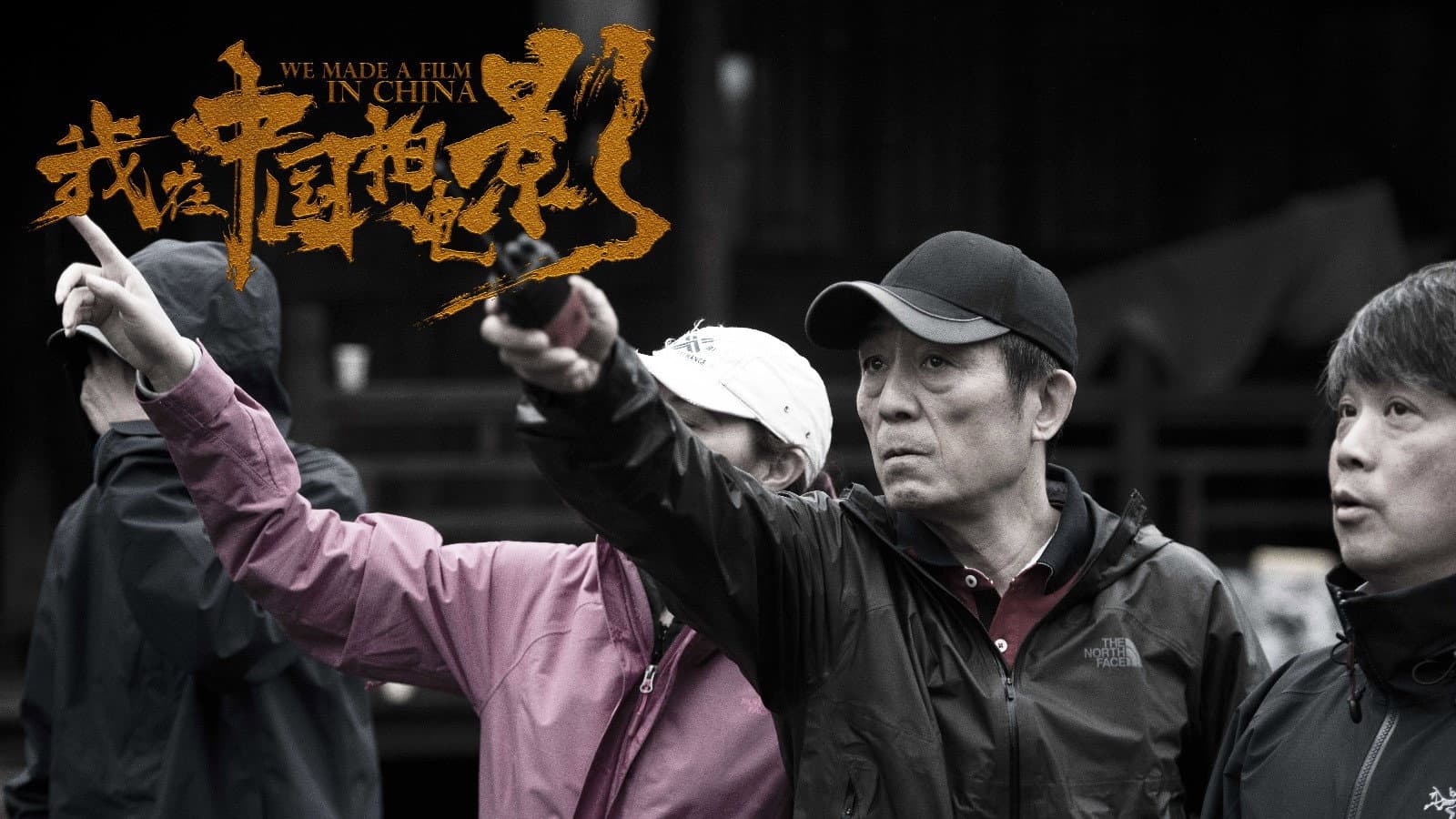
Veteran Chinese filmmaker Zhang Yimou will preside over the competition jury at this year's Busan International Film Festival, the event's organizers confirmed, placing one of world cinema's most recognizable directors at the helm of Asia's largest film gathering.
The appointment marks a notable homecoming of sorts for Zhang, whose career has been closely intertwined with the festival circuit that Busan has come to anchor. He becomes the latest in a line of distinguished filmmakers to take the jury president role, a position that carries weight not only for the prizes awarded but for the signal it sends about the festival's curatorial ambitions.
Zhang is no stranger to the pressures and pleasures of judging. He has served on juries before, including at major European festivals, and his dual career as a director and a festival figure has given him an unusually broad view of how films travel across borders. His presence in Busan is likely to draw additional international attention to the competition slate, particularly from critics and programmers who track Asian cinema closely.
A Career That Spans Decades and Genres
Few directors working today can match the range of Zhang's filmography. He first came to global prominence with a run of visually arresting dramas in the late 1980s and 1990s that helped introduce Chinese art cinema to Western audiences. Those early works were marked by bold use of color, meticulous composition, and a willingness to grapple with historical and social themes.
What followed was a remarkable pivot. Zhang moved into large-scale martial arts epics, then into historical spectacles, and later into more intimate character studies. He has also directed a high-profile fantasy franchise and taken on ambitious event projects, including staging major international ceremonies. That willingness to operate at wildly different scales - from chamber piece to stadium-sized spectacle - sets him apart from peers who tend to settle into a single mode.
For Busan, that versatility is part of the appeal. A jury president sets the tone for deliberations, and Zhang's background suggests a judge who can move comfortably between formally adventurous work and more mainstream storytelling. He has spoken in the past about the importance of craft and emotional clarity, and about the need for filmmakers to connect with audiences rather than retreat into obscurity.
Busan's Growing Role on the World Stage
The festival has spent years building its reputation as the preeminent showcase for new Asian cinema. Its competition section has launched the careers of numerous directors and brought attention to films that might otherwise have struggled to find international distribution. Landing a figure of Zhang's stature as jury president is both a symbolic and a practical win.
Busan has also weathered its share of challenges in recent years, from funding pressures to leadership changes, and a high-profile jury appointment helps reinforce its standing. Zhang's involvement is likely to increase press coverage and to encourage submissions from filmmakers eager to have their work seen by him and his fellow jurors.
The competition itself will feature a mix of established names and emerging talents, though the full lineup is expected to be announced closer to the event. Festival organizers typically unveil the competition titles in stages, with the jury revealed alongside or slightly ahead of the slate.
What the Role Entails
As jury president, Zhang will lead a panel of filmmakers, critics, and industry professionals in selecting the competition's top prizes. The job requires balancing strong personal convictions with the need to build consensus, and it often involves serving as the public face of the awards ceremony. Past jury presidents at Busan and similar festivals have used the platform to champion underrepresented voices and to push back against commercial pressures.
Zhang has not yet commented publicly on his plans for the jury, and organizers have not disclosed the full roster of jurors who will serve alongside him. Additional announcements are expected in the coming weeks.
For now, the news is being read as a statement of intent: Busan wants to be taken seriously as a forum where art and industry meet, and it has chosen a president whose own career embodies that intersection. Whether the resulting prizes reflect that ambition will become clear only when the lights go down and the envelopes are opened.
Source: The Hollywood Reporter