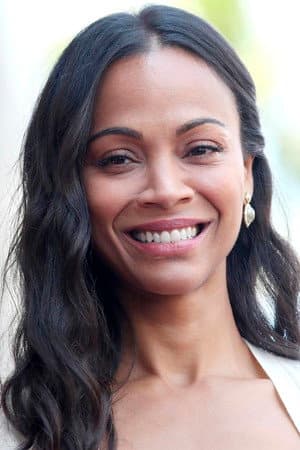
Zoe Saldaña: Political Questions Only for Actors of
Advertisement
In a new film interview, Zoe Saldaña calls it 'frustrating' and 'limiting' when political questions are only directed at actors of color and women.
Zoe Saldaña has pushed back against a pattern she sees in Hollywood press circuits, where actors of color and women are disproportionately expected to weigh in on political matters during interviews. In a recent conversation, the Avatar star described the dynamic as “frustrating” and argued that it unfairly narrows the scope of her work and identity.
“That’s incredibly limiting,” Saldaña said, expressing exasperation with the assumption that she should serve as a spokesperson for sociopolitical issues simply because of her background or gender. She noted that her male counterparts, particularly white actors, are rarely placed in the same position, and she questioned why the burden of political commentary so often falls on the shoulders of those already marginalized in the industry.
The actress, who has built a career spanning franchises like Guardians of the Galaxy and the record-breaking Avatar series, made her remarks while discussing the broader challenges of navigating fame and artistic expression. Saldaña emphasized that she does not shy away from meaningful topics, but she objected to the reductive nature of such questioning, which she feels can overshadow the craft and the many layers of a performer’s work.
Her comments arrive amid a larger, ongoing conversation within Hollywood about the expectations placed on minority talent. In recent years, numerous publicists, journalists, and actors themselves have acknowledged that press junkets often steer minority performers toward questions about representation, discrimination, or current events, even when the project at hand has little to do with those subjects. Meanwhile, their white peers are more frequently asked about creative choices, character development, or production logistics.
Saldaña’s frustration is shared by many in the industry. Critics of the practice argue that it pigeonholes artists and reduces their complex identities to a single talking point. Others contend that it places an unfair emotional labor on individuals who may not feel equipped or willing to speak on behalf of entire communities. The actress’s stance echoes a growing insistence among celebrities to control their own narratives and to be judged on their professional output rather than as stand-ins for broader social movements.
The timing of her statement is notable, as the entertainment industry continues to grapple with questions of diversity, both in front of and behind the camera. While progress has been made in terms of representation on screen, the press environment has lagged behind, with many stars of color still reporting that their interviews are dominated by identity-based queries. Saldaña’s critique suggests that inclusion must extend beyond casting choices to encompass the very way artists are treated during promotional campaigns.
Known for her versatility, Saldaña has often played roles that transcend a single cultural label. From her breakout part in Pirates of the Caribbean: The Curse of the Black Pearl to her portrayal of the fierce Neytiri in James Cameron’s sci-fi epics, she has consistently taken on characters that exist in fantastical or futuristic settings. That, she implied, is part of the disconnect - her work is frequently about otherworldly themes or universal conflicts, yet the questions she fields often drag her back to very terrestrial, very personal politics.
She is not alone in this sentiment. Several high-profile actresses and actors have recently made similar observations, calling for interviewers to evaluate performers on a case-by-case basis rather than applying a broad, identity-based template. The conversation has also sparked debate among journalists, some of whom defend the practice as necessary for addressing real-world issues, while others acknowledge the need for greater nuance and balance in lineup questioning.
Despite the frustration, Saldaña made clear that she remains committed to using her platform in ways she chooses. She hinted that she is selective about which topics she engages with publicly, preferring to focus on causes she genuinely cares about rather than those thrust upon her by circumstance. This measured approach, she suggested, is part of her broader strategy for a long and sustainable career in an unforgiving industry.
As the press tour cycle continues for her upcoming projects - though no specific film tied to these remarks was identified - Saldaña is likely to face more questions about her perspectives both on and off screen. Whether her comments will prompt a shift in how journalists approach interviews with women and actors of color remains to be seen, but her willingness to speak out adds another voice to a growing chorus demanding change.
For now, the actress’s primary ask seems simple: let the work speak first. She wants audiences and interviewers alike to see the breadth of her performances, not just the demographic boxes she occupies. It’s a plea for artistic respect - and one that resonates far beyond the confines of a single press junket.
Source: Variety
Advertisement
Advertisement