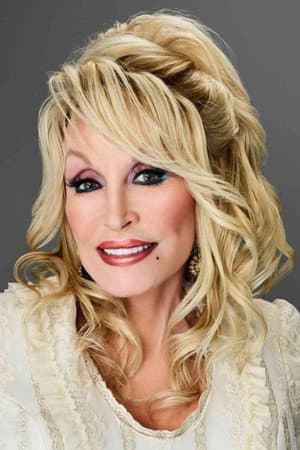
The workplace comedy that turned a typewriter into a weapon of mass laughter is headed back to the big screen, and this time the box office is being asked to do more than sell tickets. "9 to 5," the 1980 film starring Dolly Parton, Jane Fonda and Lily Tomlin, will return to theaters for a limited engagement, with proceeds directed to the foundation established in Parton's name. The announcement lands as a dual tribute - to a movie that gave a generation of office workers a cathartic revenge fantasy, and to the singer, songwriter and actress whose philanthropic reach eventually eclipsed even her chart success.
The re-release is positioned as a celebration rather than a memorial, though the timing gives it an unmistakable elegiac weight. Parton, who died in 2025, spent the final decades of her life as one of American entertainment's most prolific benefactors, channeling book sales, concert revenue and licensing income into literacy programs, medical research and disaster relief. Her foundation has continued that work since her death, and the theatrical run of "9 to 5" is intended to add to its coffers while reintroducing the film to audiences who may know Parton primarily as a cultural monument rather than a comedic performer.
That would be a shame, because "9 to 5" remains one of the sharpest studio comedies of its era. Directed by Colin Higgins, the film follows three secretaries who conspire against their loathsome boss, and it works because the anger underneath the slapstick is real. Parton, in her feature acting debut, plays Doralee Rhodes, a secretary whose competence is invisible to everyone too busy staring at her wardrobe. The role could have been a punchline. Parton made it a person.
She also wrote and performed the title song, which became an anthem, a Grammy winner and an Oscar nominee. The track's staying power is its own kind of evidence: few movie themes outlive their films, and fewer still become shorthand for an entire era of workplace frustration. When Parton sang about pouring yourself a cup of ambition, she was translating a specific complaint into a durable pop lyric.
Repertory screenings of studio comedies from that period have become a reliable draw in recent years, particularly when the film in question carries a recognizable star or a soundtrack that audiences already know by heart. "9 to 5" benefits from both. It also arrives at a moment when the gap between corporate power and worker leverage is once again a live cultural conversation, which makes its central premise feel less like nostalgia and more like a recurring dream.
The foundation angle adds a second layer. Parton's giving was never incidental to her public identity; it was central to it. She funded a Tennessee hospital, backed vaccine research, and built an imagination library that mailed books to children long before celebrity philanthropy became a standard press release bullet point. Directing ticket revenue to that machinery is a logical extension of how she operated - turn a hit into a resource, then point the resource at a problem.
For exhibitors, the booking offers a rare combination: a known title with built-in affection, a clear charitable hook, and an audience that spans generations. Parents who wore out the soundtrack can bring children who know Parton from her later appearances, her memoir, or the Broadway musical adaptation that kept the story alive on stage. The film itself has aged unevenly in places - its office politics are period-specific, its comic rhythms broader than what contemporary audiences expect - but its central joke about who actually keeps an institution running has not dated at all.
No casting additions, remaster details or expansion plans have been announced, and the limited run is expected to be exactly that. What is clear is the intent. This is not a victory lap for a movie that needs one; it is a way of converting a beloved comedy into something useful, which is roughly what Parton did with every other asset she controlled.
Whether the re-release becomes an annual tradition or a one-time event will depend on turnout. But the proposition is straightforward enough: buy a ticket, watch three women take down a bad boss, and let the proceeds go somewhere they can do some good. It is a hard offer to improve on.
Source: The Hollywood Reporter