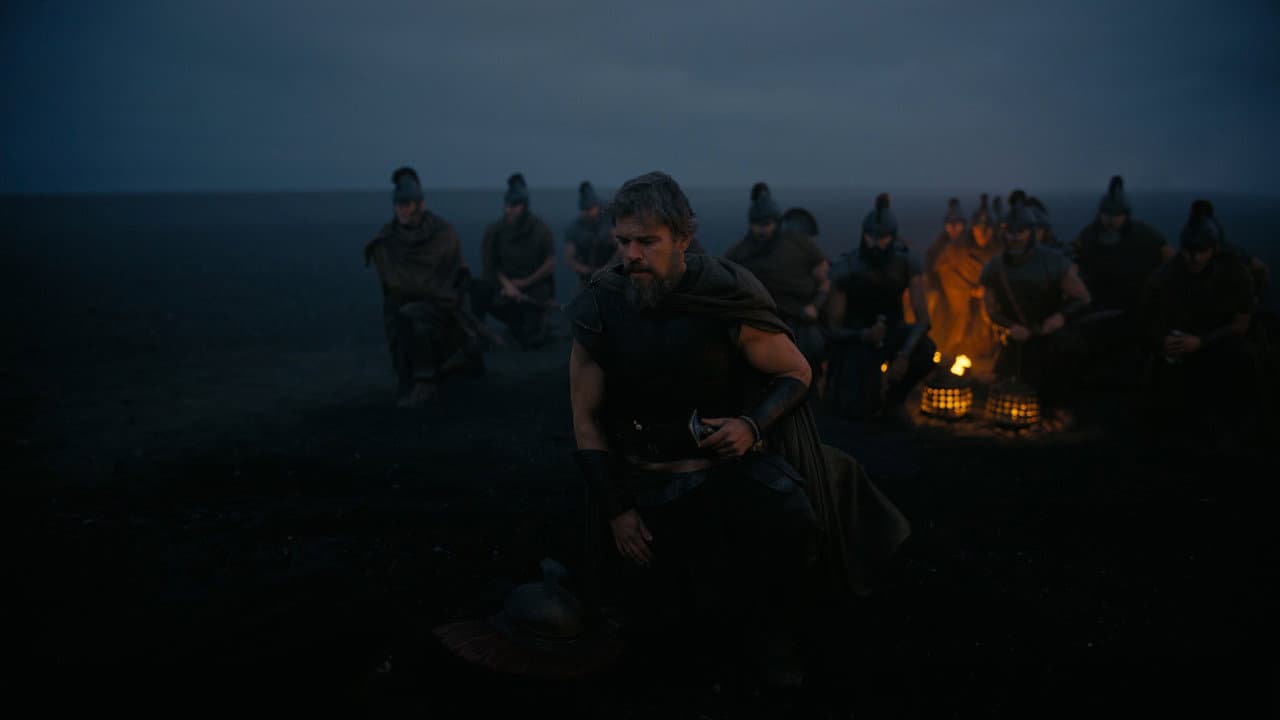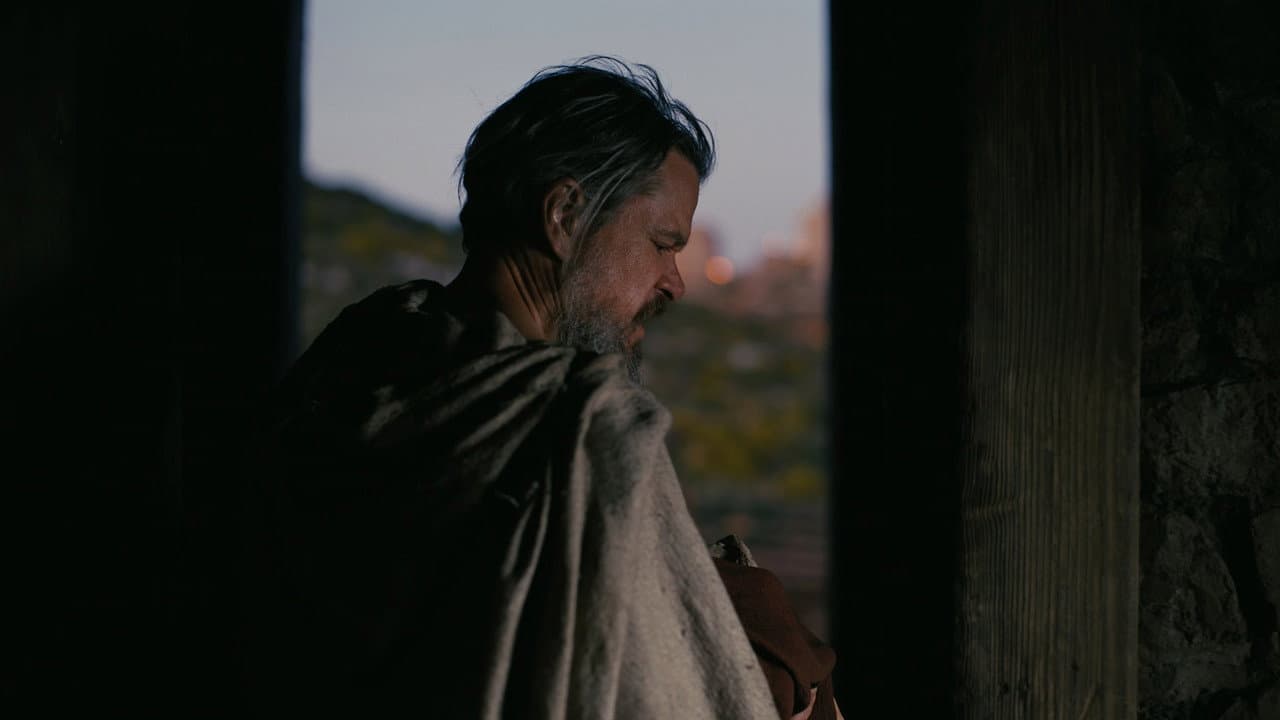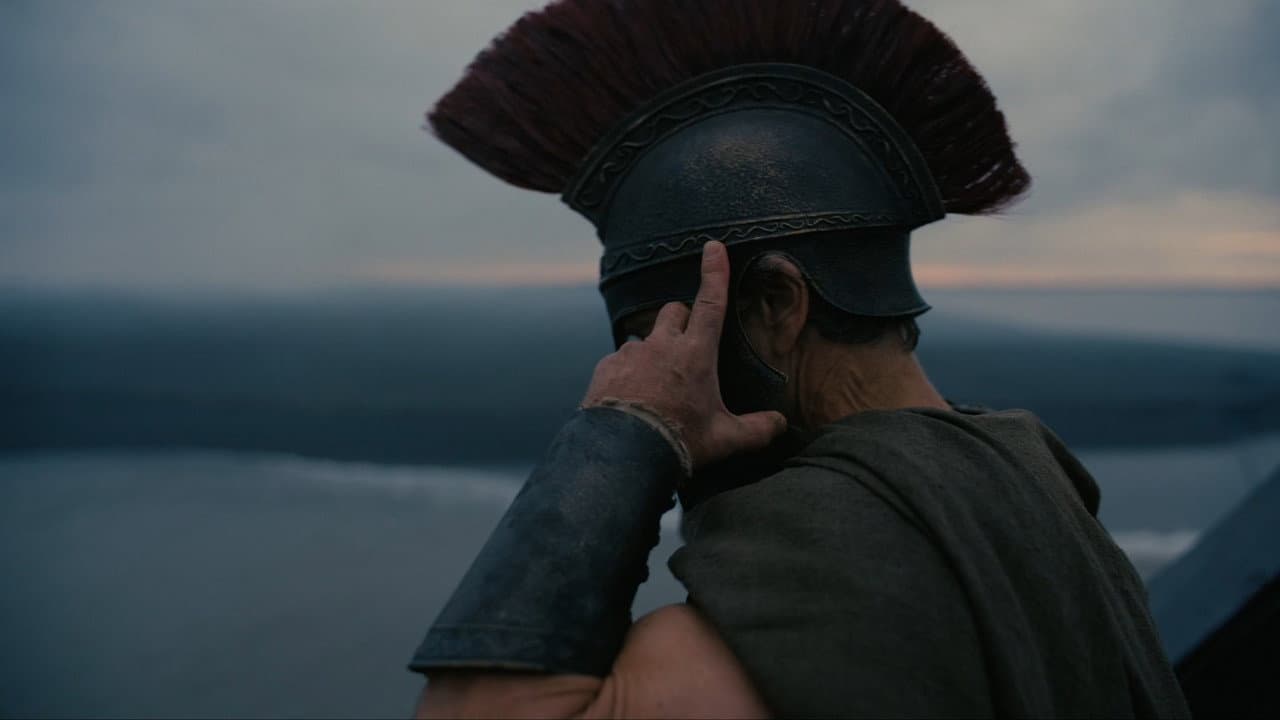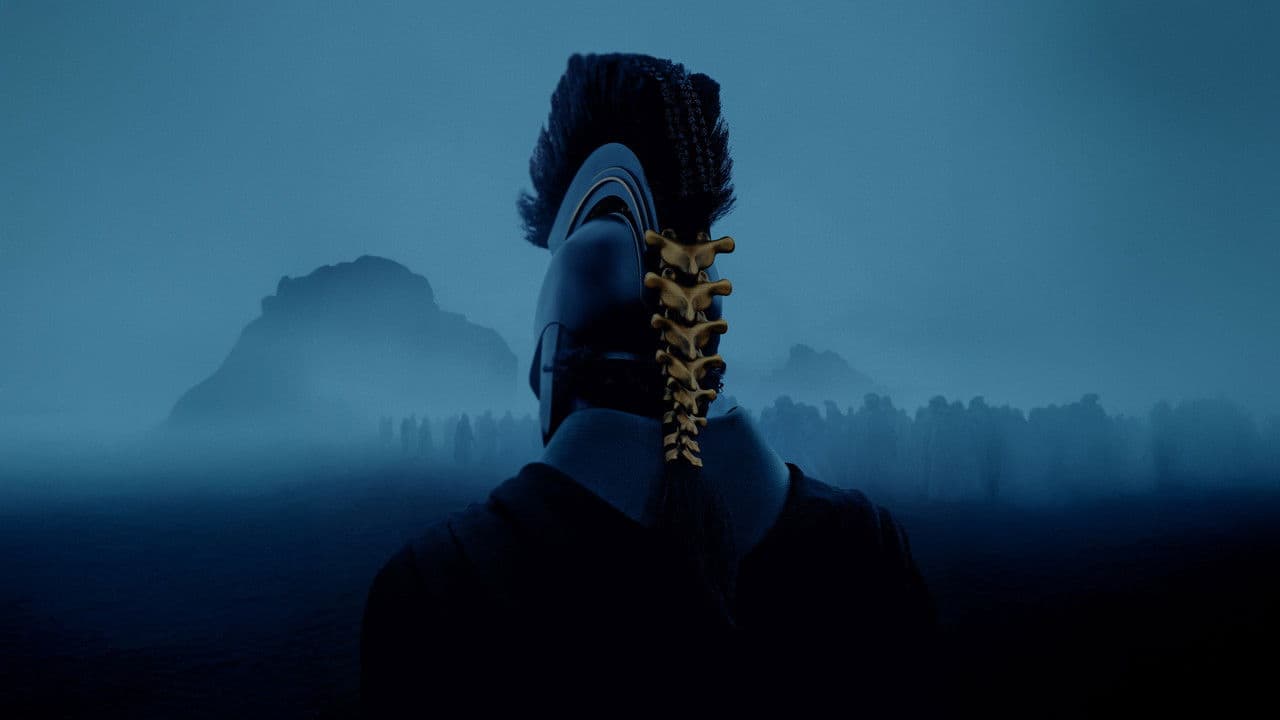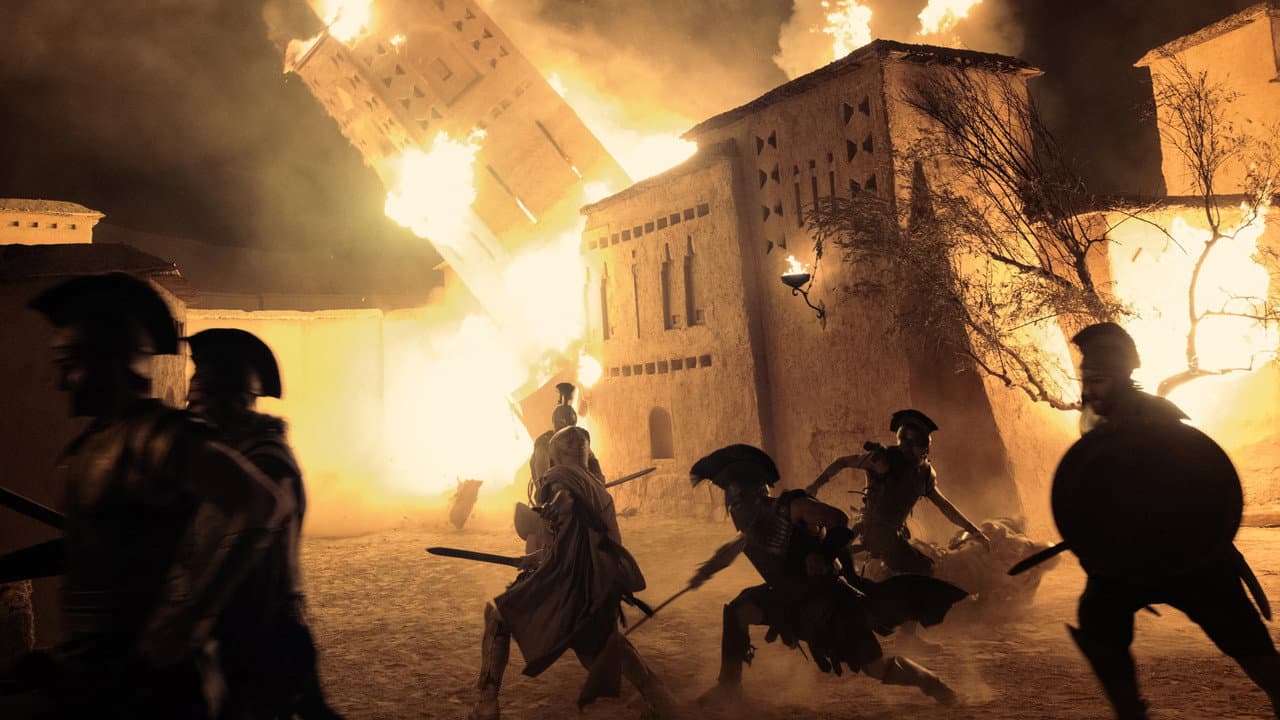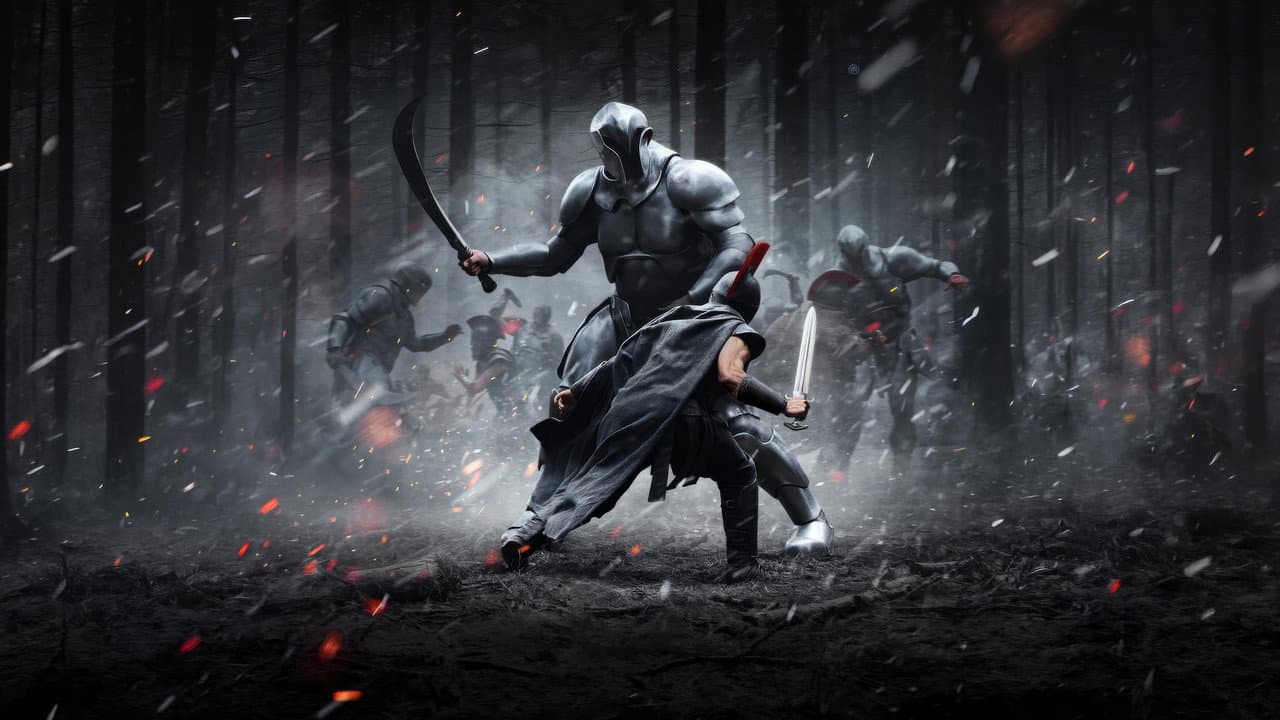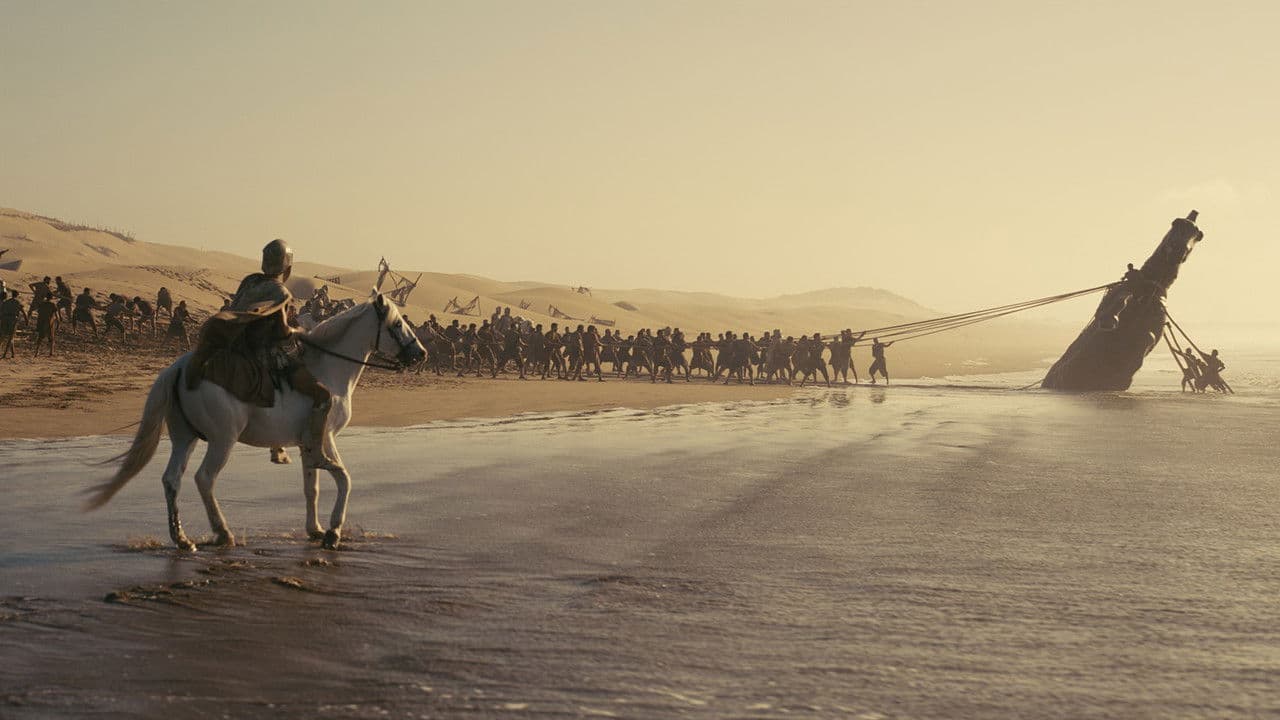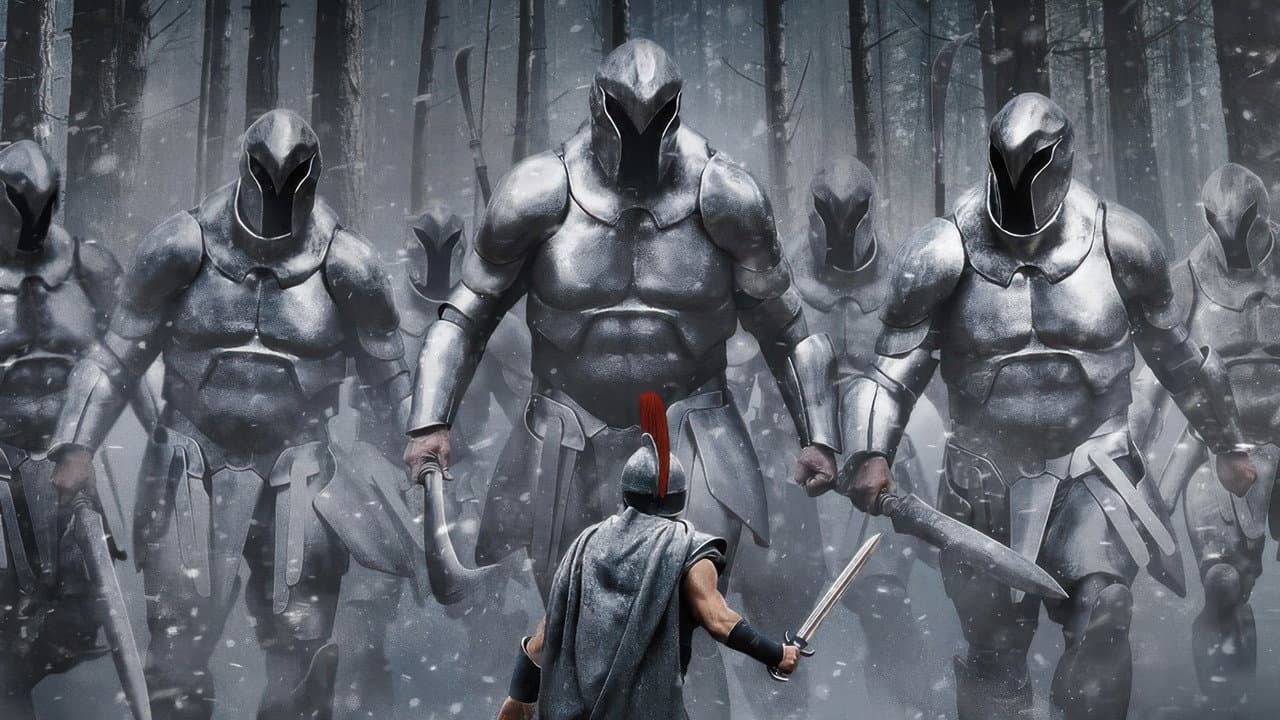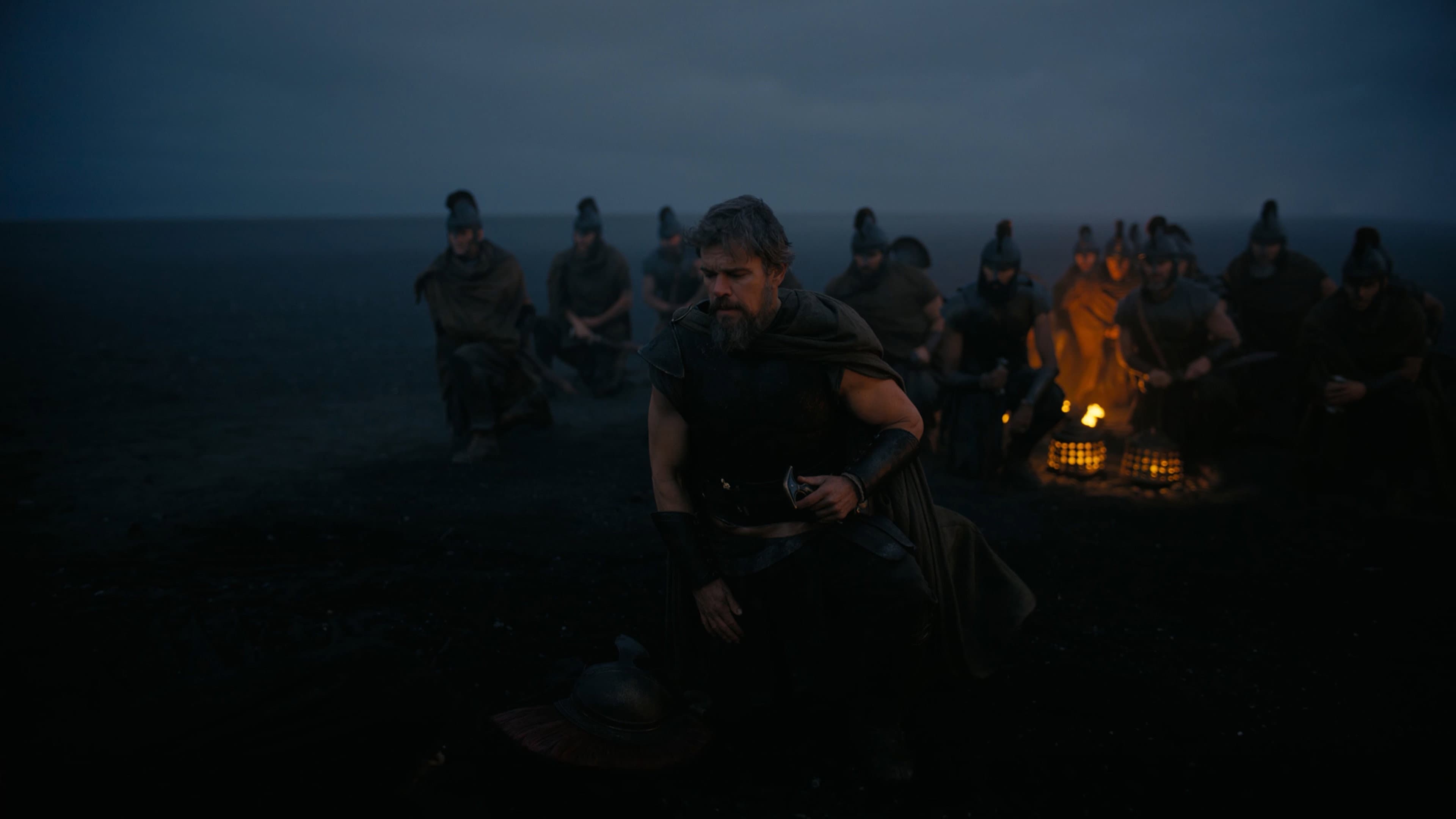
A promotional campaign for a purported artificial-intelligence-generated Odyssey film took an unexpected detour this week when its backers aimed criticism at Christopher Nolan, only to see the project branded "soulless slop" across social media in response. The controversy centers on a marketing push tied to Elon Musk that framed the AI project as a rival to Nolan's forthcoming Hollywood adaptation of Homer's epic, a comparison that drew swift and largely negative reactions from film fans and industry observers.
The AI project's promotional materials reportedly attacked Nolan's version in an apparent bid to position the Musk-backed effort as the true heir to the ancient poem. Instead, the gambit backfired. Critics and social media users seized on the contrast, arguing that the AI effort's attack on a filmmaker of Nolan's stature revealed more about the limitations of the technology than about the director's work. The phrase "soulless slop" spread quickly as a shorthand dismissal, though the AI project has yet to screen publicly in any widely reviewed form.
Nolan's The Odyssey, by contrast, is a fully mounted Hollywood production with a substantial cast and a finished runtime, and its credentials have circulated since the project was announced. Directed by Christopher Nolan, the adventure, action and fantasy film runs 173 minutes and is set for release on July 15, 2026. Its ensemble includes Matt Damon as Odysseus, Tom Holland as Telemachus, Anne Hathaway as Penelope, Robert Pattinson as Antinous, Himesh Patel as Eurylochus, Charlize Theron as Calypso, John Leguizamo as Eumaeus and Travis Scott as Bard.
The film's official overview describes Odysseus, the legendary King of Ithaca, embarking on a long and perilous journey home following the Trojan War. Along the way, he confronts the whims of gods, mythological monsters, and trials that push both his cunning and his humanity to their limits. The premise offers Nolan a sprawling canvas, and the casting has already generated considerable discussion among moviegoers.
On the audience aggregation front, The Odyssey holds a TMDb rating of 8 out of 10, a figure that reflects early audience sentiment rather than a formal critical consensus. The film was produced within the Hollywood system and is in English, placing it squarely in the mainstream studio tradition that the AI project's backers appeared to be challenging.
For the AI campaign, the timing could hardly be worse. Attacking a filmmaker known for technically ambitious, large-scale productions invites direct comparison, and the comparison has so far favored the traditional studio film. Commentators noted that the AI project's promotional strategy leaned on provocation rather than demonstration, offering rhetoric about Nolan's work while releasing little that could be evaluated on its own merits. The result was a public relations cycle in which the AI effort's own messaging became the story.
The episode also highlights a broader tension as generative AI tools become more capable of producing feature-length content. Studios and filmmakers have watched the technology's advance with a mixture of curiosity and wariness, and the prospect of AI-generated films competing directly with major releases raises questions about craft, authorship and the labor behind moviemaking. A campaign that positions an AI product as a rival to a major director invites scrutiny of exactly those questions, and the initial response suggests audiences are not yet persuaded.
Whether the backlash will have any lasting effect on the AI project's plans remains unclear, and no release details for that effort have been confirmed. What is evident is that the "soulless slop" label has attached itself to the campaign in its early going, and that the negative attention arrived well before the AI film could be judged as a finished work.
For Nolan's film, the dust-up may prove little more than background noise. The director's adaptation arrives in theaters on July 15, 2026, with a runtime of 173 minutes and a cast that spans established stars and newer names. Its blend of adventure, action and fantasy, drawn from one of Western literature's foundational texts, gives it a built-in audience and a clear marketing identity that does not depend on feuding with a promotional stunt.
The next several months will determine whether the AI project can move past the controversy and let its output speak for itself. For now, the loudest voices belong to those who found the attack on Nolan easier to condemn than the AI effort was to defend, and the episode stands as a cautionary example of a marketing strategy that drew attention for all the wrong reasons.
Source: The Hollywood Reporter