Alfonso Cuarón has spent the past quarter-century building one of the most eclectic filmographies in modern cinema, from the gritty realism of "Y Tu Mamá También" to the zero-gravity terror of "Gravity" and the deeply personal black-and-white memoir "Roma." But ask him to name the happiest stretch of his professional life, and the Mexican filmmaker points to a franchise he inherited rather than created: the "Harry Potter" series.
Cuarón directed 2004's "Harry Potter and the Prisoner of Azkaban," the third installment in the Warner Bros. saga, and in a new reflective interview he recalled the experience as "two of the most beautiful years of my life." The comment arrives as the original Potter films continue to be rediscovered by new generations of viewers, and as the franchise's enduring cultural footprint shows no sign of fading.
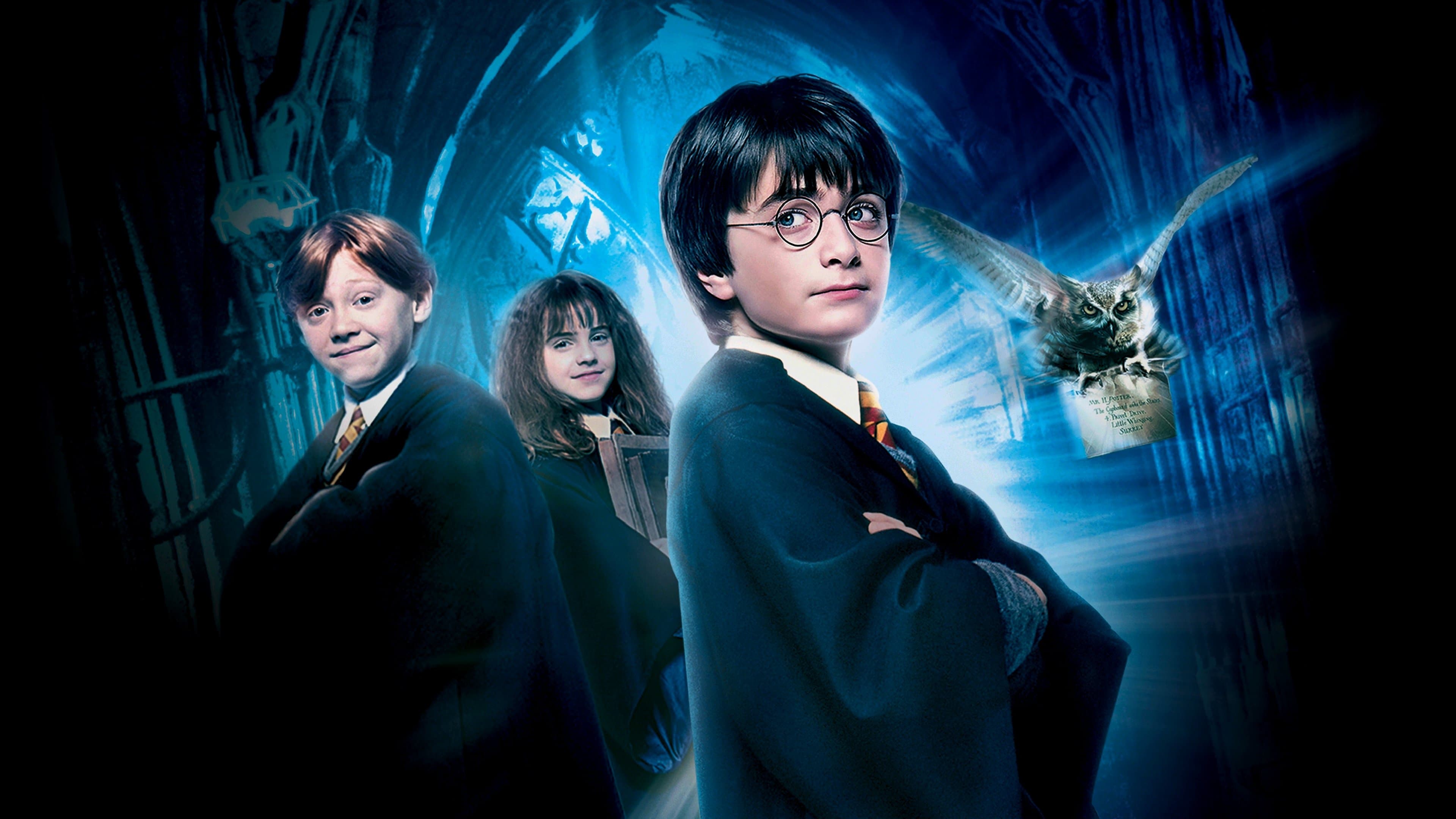
The director's affection for that period is notable given how unusual his hiring once seemed. When he took over the series from Chris Columbus, who had directed the 2001 original "Harry Potter and the Sorcerer's Stone" and its 2002 follow-up "Chamber of Secrets," Cuarón was known for intimate Spanish-language dramas rather than big-budget fantasy. The 2001 film, which introduced Daniel Radcliffe as Harry, Rupert Grint as Ron Weasley and Emma Watson as Hermione Granger, had already established the visual and tonal template for the franchise, running 152 minutes and earning strong ratings across platforms, including a 7.904/10 average on TMDb and a 7.7 on IMDb.
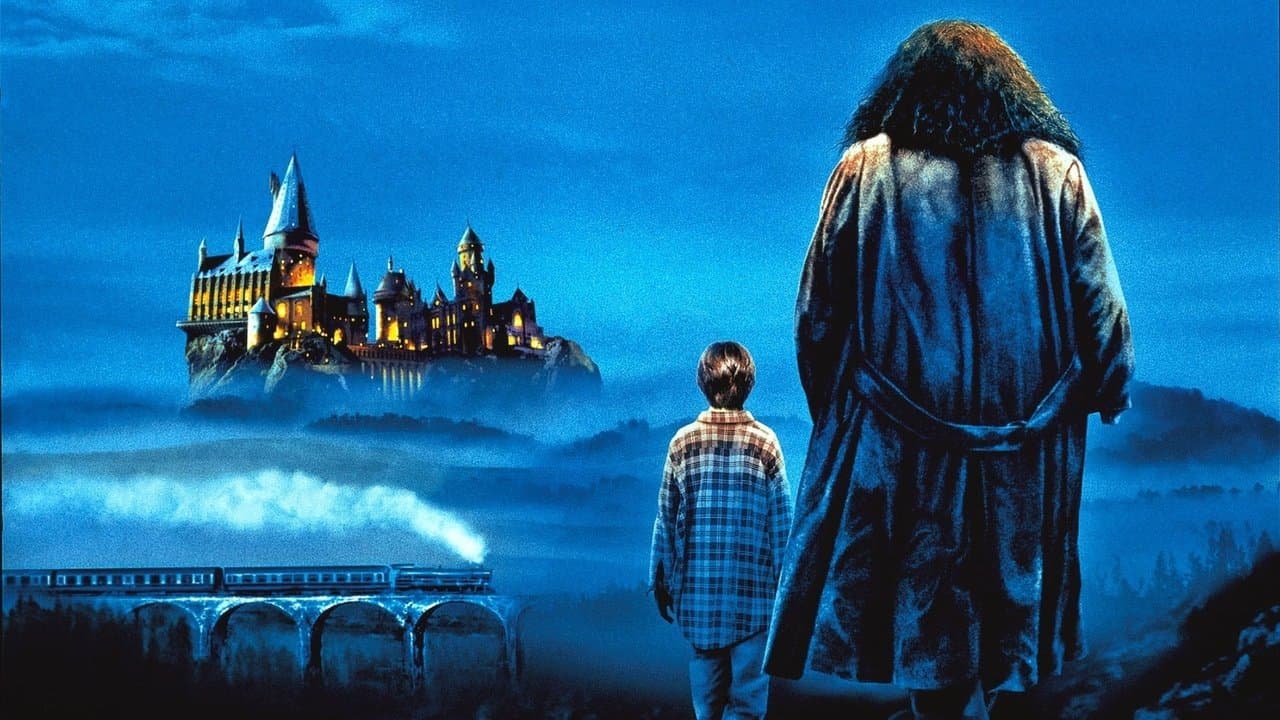
That first film remains the anchor of the series: it follows Harry, who has lived under the stairs at his aunt and uncle's house his entire life, until his eleventh birthday reveals that he is a powerful wizard with a place waiting for him at Hogwarts School of Witchcraft and Wizardry. As he learns to harness his newfound powers with the help of the school's kindly headmaster, Albus Dumbledore, Harry uncovers the truth about his parents' deaths and about the villain responsible.
Cuarón's sequel took that foundation and darkened it, introducing a more expressionistic visual style and a moodier palette that many critics and fans credit with shaping the direction of the films that followed. Richard Harris appeared as Dumbledore in the first two entries, while Alan Rickman's Severus Snape, Robbie Coltrane's Hagrid and Maggie Smith's Professor McGonagall became fixtures of the ensemble across multiple installments.
The franchise's blend of adventure and fantasy made it a global phenomenon, and the original film's release date of Nov. 16, 2001, places it firmly at the start of a boom in literary adaptations that dominated the following decade. Its cast has remained closely associated with their roles ever since, with Tom Felton's Draco Malfoy among the characters introduced in that first outing.
Cuarón's remarks add to a long history of collaborators speaking warmly about the Potter productions, which were famously anchored by a young cast growing up on camera. His two-year tenure on the series came at a transitional moment in his own career, sandwiched between smaller, more personal projects and the larger-scale work that would later earn him Academy Awards.
For USA Film News readers, the takeaway is less about nostalgia than about perspective: even a director celebrated for auteur-driven work can look back on a studio tentpole as a creative high point. That sentiment may resonate with a fandom that has spent years debating which Potter film best captured the books' spirit. Cuarón's answer, at least in personal terms, appears to be the one he made.
The original "Harry Potter" remains available on major streaming platforms, and its 152-minute runtime still stands as one of the longer entries in the series. As anniversary retrospectives and franchise re-evaluations continue, Cuarón's comments serve as a reminder that the films were not merely products of a studio machine but, for at least one director, a genuinely joyful chapter.
Whether that chapter will be revisited in any official capacity remains unclear, but the director's willingness to speak about it so fondly suggests the experience left a mark that goes beyond box office. For a filmmaker whose work often grapples with loss and memory, it may be fitting that his warmest recollections belong to a story about a boy discovering who he truly is.
Source: The Hollywood Reporter