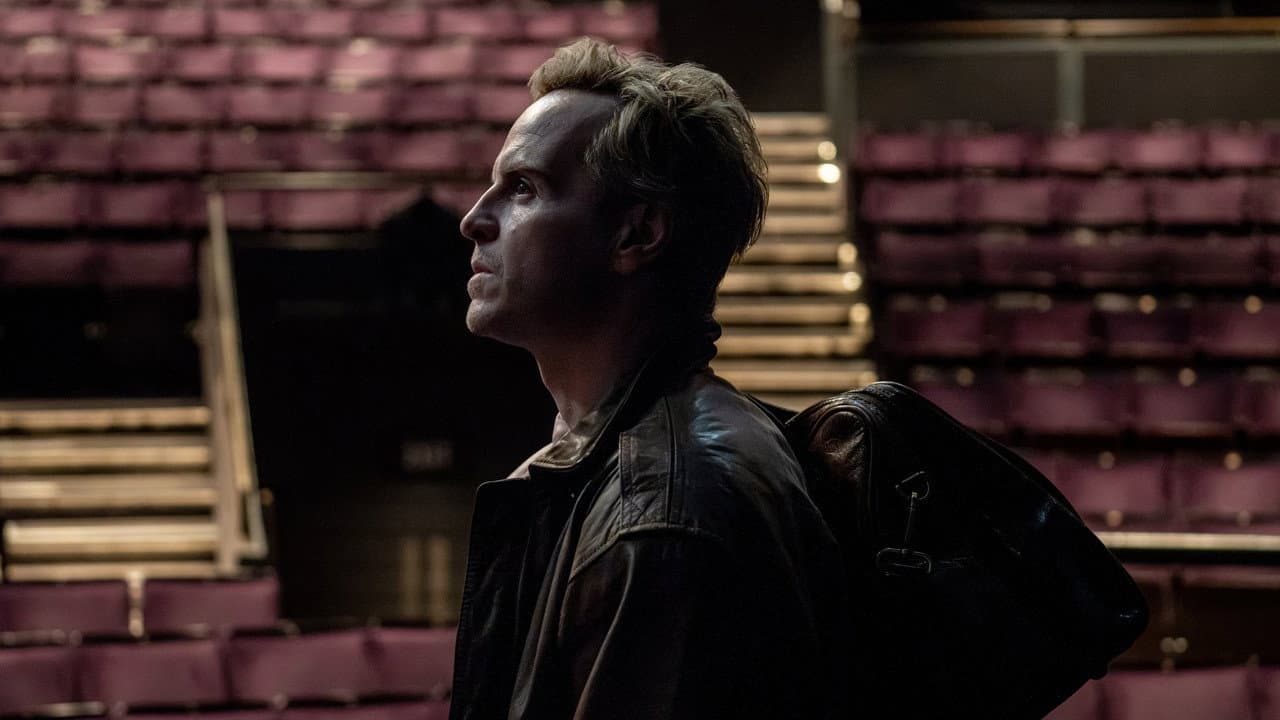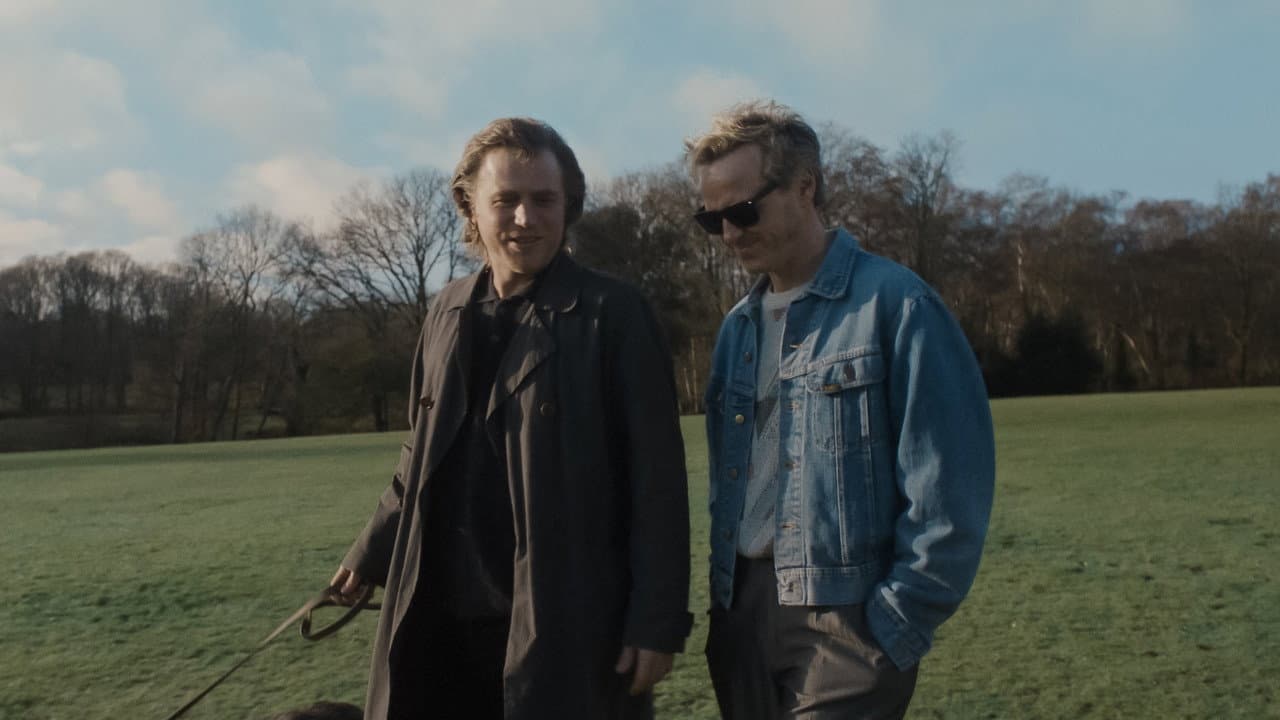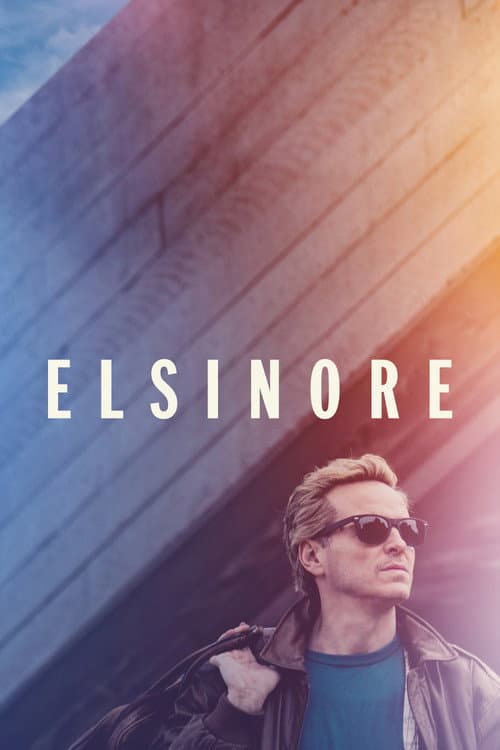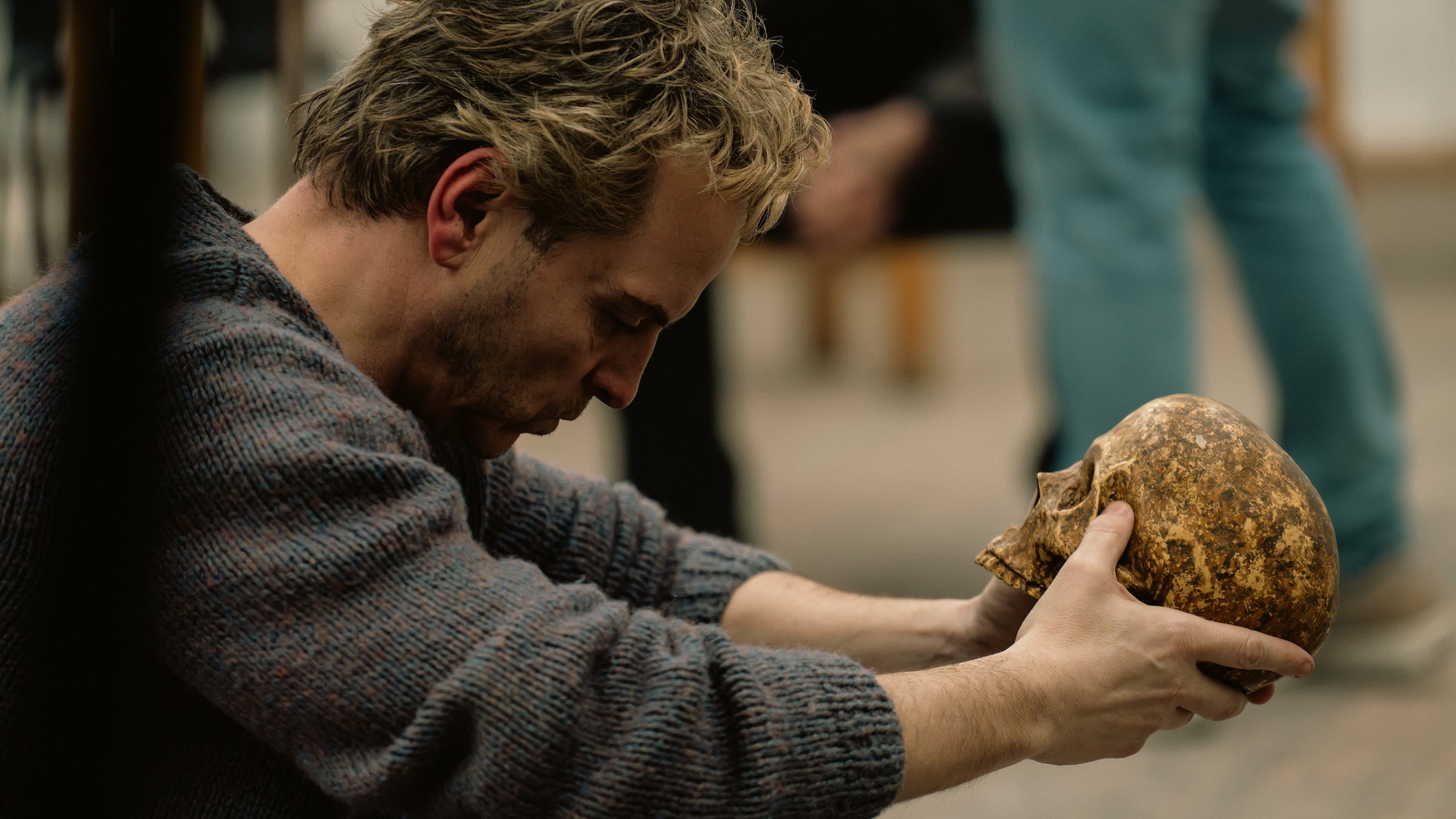
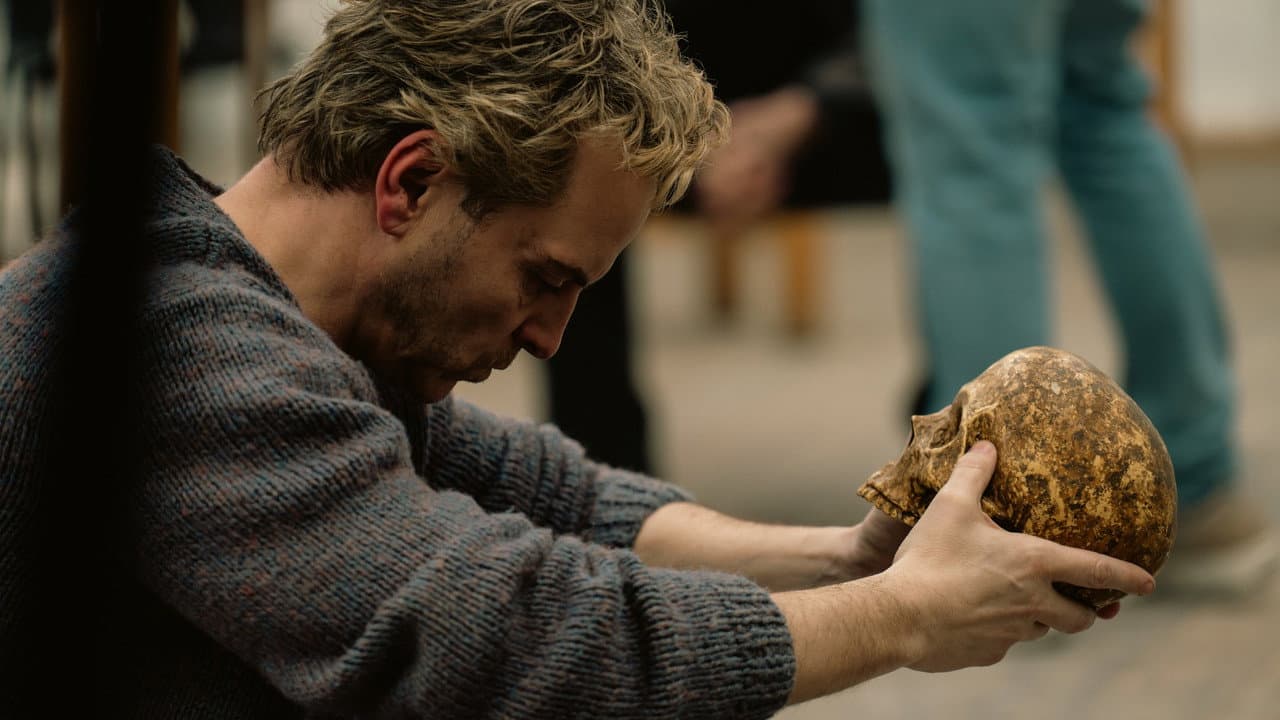
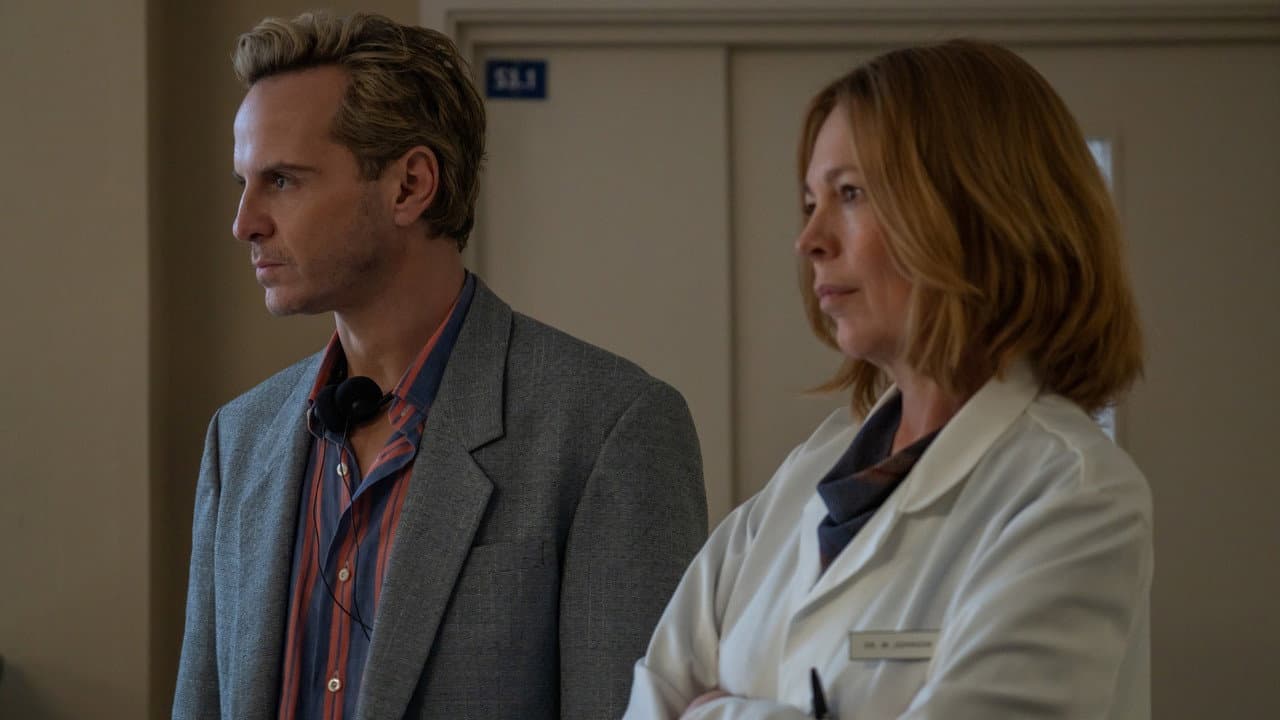
Andrew Scott has said he feels “very grateful” to be an out gay actor, and that the experience of making “Elsinore” reminded him how much that visibility still matters, as the drama opened in US theaters on November 20. In Simon Stone’s film, Scott plays Ian Charleson, the gifted British performer whose final stage performance, delivered while he was dying of AIDS-related illness, became an act of generosity toward everyone watching. The movie, which runs 111 minutes, has been positioned as a portrait of courage rather than a tragedy, and its lead actor has been careful to describe the part in those terms.
Scott said the role gave him a chance to sit with questions about what an artist owes an audience when his own time is running short. Charleson, he noted, never framed his decision to perform as heroism. “He saw it as the job,” Scott said. That refusal to make a spectacle of suffering is, in Scott’s view, precisely what makes the story inspirational nearly four decades later.
The film follows Charleson as he prepares a demanding stage role while his health declines, and it treats his wit and honesty as central to the drama rather than as decoration around a death sentence. Stone has said he wanted the movie to feel like a rehearsal room: busy, funny, occasionally brutal, and full of people trying to get something right.
A cast of familiar faces
Scott is surrounded by a deep ensemble. Olivia Colman plays Margaret Johnson, Billie Piper is Patsy, and Johnny Flynn appears as Richard Eyre. Luke Thompson plays Georgie Randall, with David Dawson as Derek Jarman, Matthew Beard as Sean, and Joe Locke as Nicholas. The presence of so many well-known performers in supporting parts reflects how central Charleson’s world of colleagues and friends is to the film’s emotional architecture; the story is less a solo showcase than a study of a community under strain.
“Elsinore” is classified as a drama, with English as its original language, and was produced within the Hollywood industry. Its release arrives at a moment when stories about the early years of the AIDS epidemic have taken on renewed urgency, though the film’s promotional materials have stressed triumph over grief rather than historical recrimination.
An actor’s perspective on visibility
For Scott, the personal and the professional have converged in ways he did not fully anticipate. He has spoken about the difference between being a gay actor and being an out gay actor, and said he does not take the latter for granted. “I know what it cost people of Ian’s generation to live openly, and many of them never got the chance,” he said. “So gratitude is the least I can feel.”
He added that playing Charleson required him to resist the temptation to smooth over the character’s sharp edges. “Ian could be impatient, he could be difficult, and he was enormously funny,” Scott said. “If you sand that down, you’re not playing a person anymore, you’re playing a monument.”
Stone, whose previous work has often centered on intense interpersonal pressure, said he was drawn to the project because it refuses to separate professional discipline from personal courage. The director described rehearsals as a process of finding the ordinary rhythm of a working actor’s life, then letting the audience feel the weight of what that routine is costing.
What the movie is asking
The film’s overview describes Charleson facing his mortality with “unflinching honesty, wit, and grace,” and the performance becoming a source of healing and inspiration for those around him. That framing places “Elsinore” in a tradition of backstage dramas that treat theater as a moral laboratory, but it also gives the movie a contemporary charge: it is, at heart, a story about what it means to keep working when the body will not cooperate.
Early audience metrics for the film remain limited, with the TMDb rating currently listed at 0 out of 10, a figure that reflects a lack of aggregated votes rather than a verdict from moviegoers. No verified box-office figures have been released. What is clear is that the film arrives with a lead performance that its star describes as one of the most demanding of his career.
Scott said he hopes viewers leave with a sense of possibility rather than despair. “Ian didn’t perform to prove anything to anyone,” he said. “He performed because it was the thing that made him most himself. That’s not a sad ending. That’s a life.”
“Elsinore,” directed by Simon Stone and starring Andrew Scott, Olivia Colman, Billie Piper, Johnny Flynn, Luke Thompson, David Dawson, Matthew Beard and Joe Locke, is now playing in US theaters.
Source: Variety