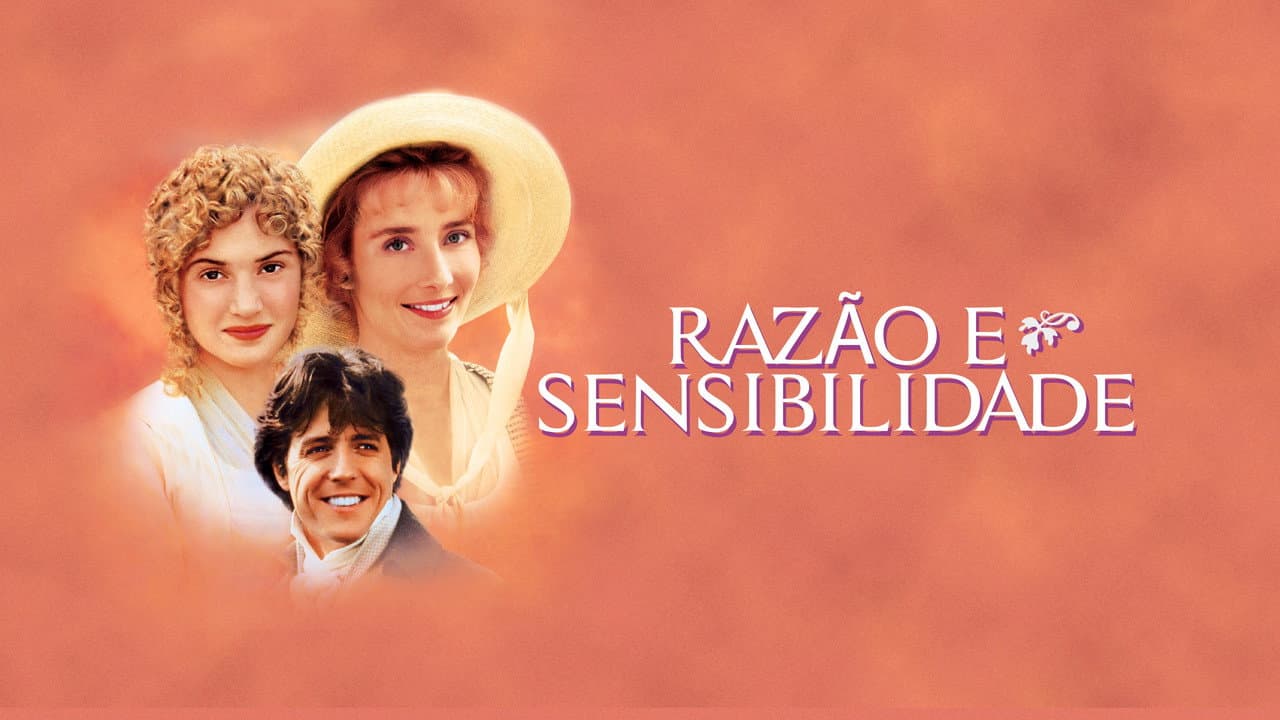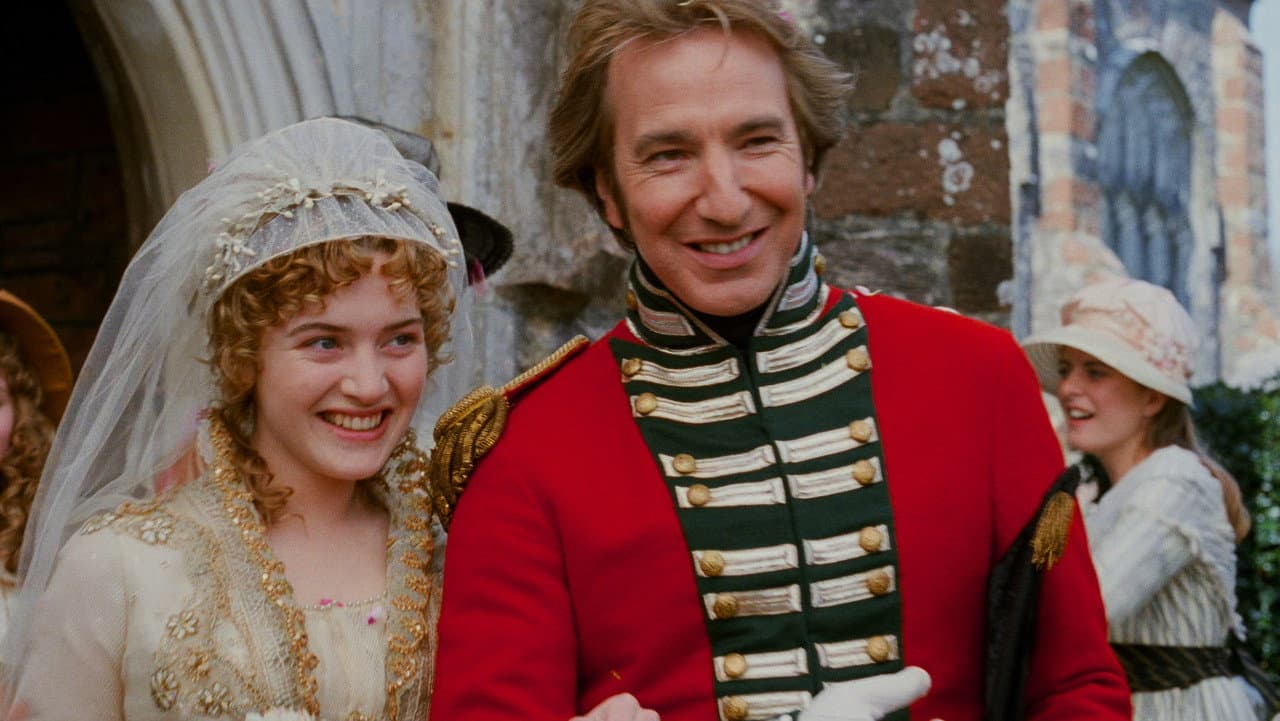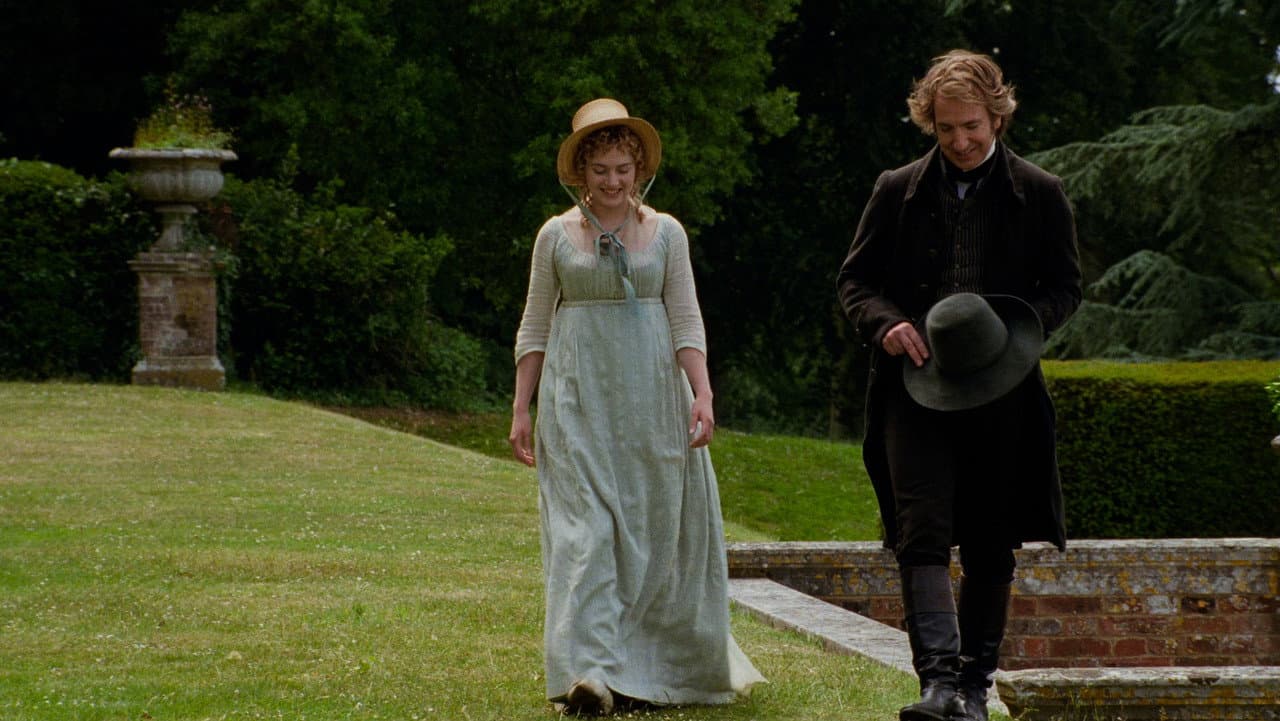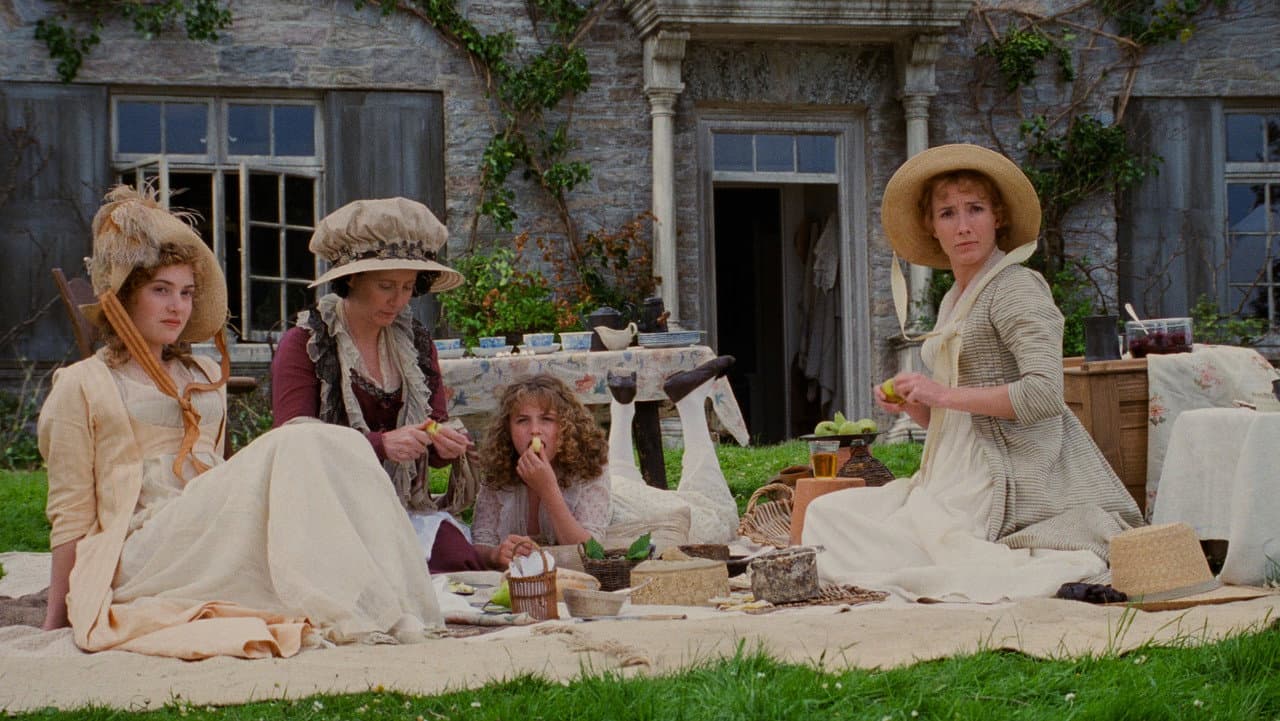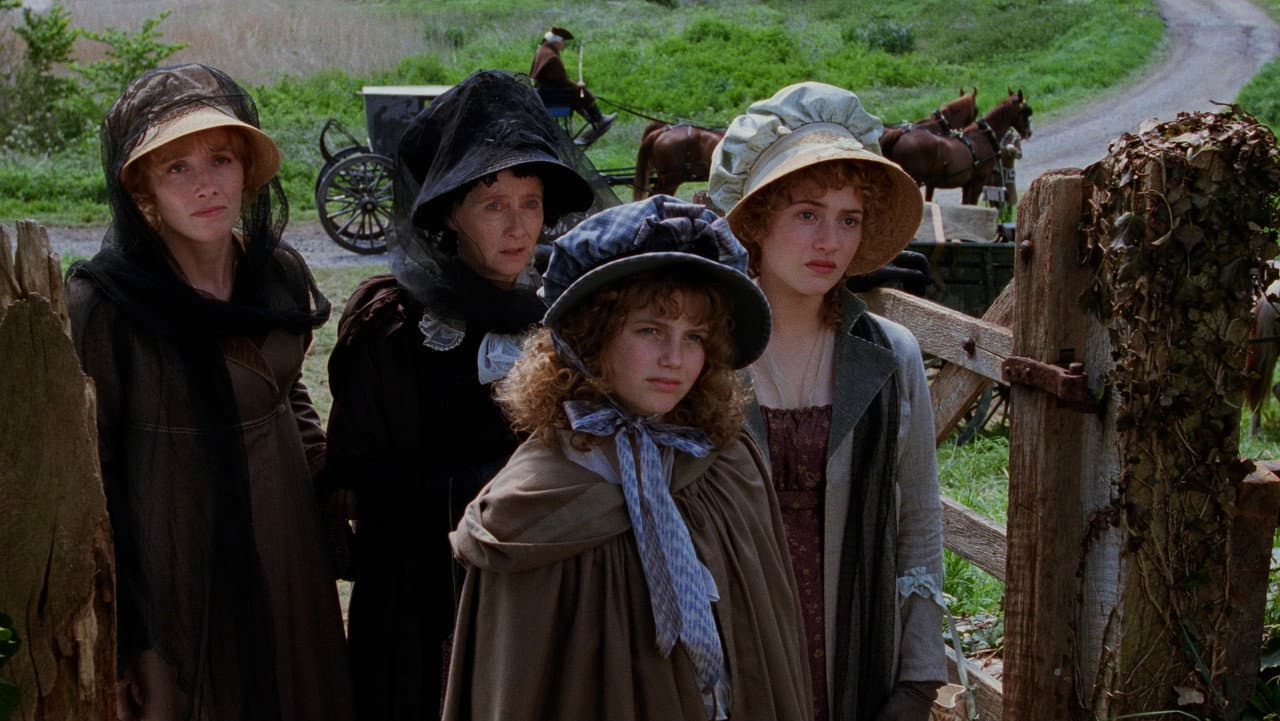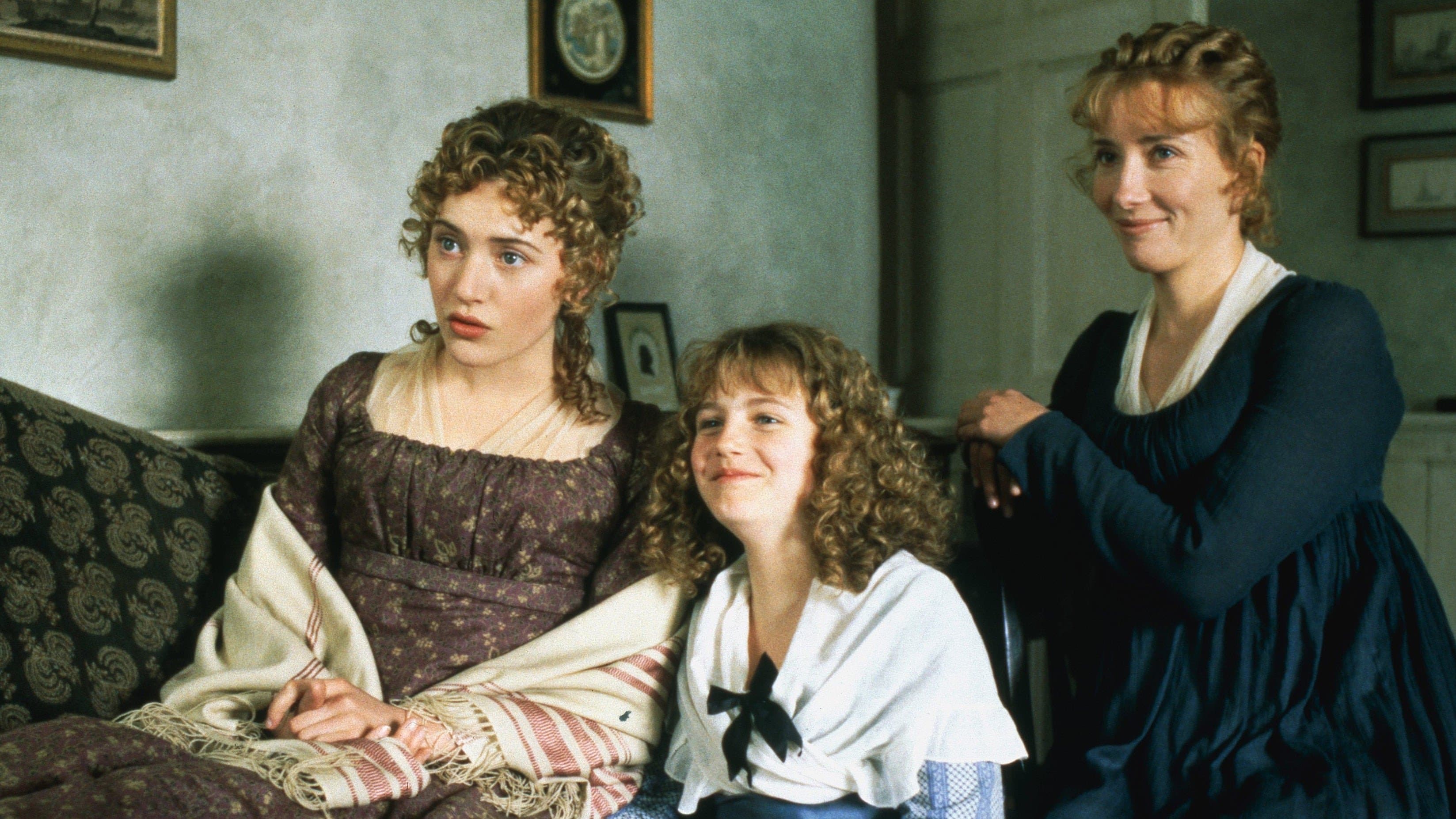
The enduring power of Ang Lee's 1995 adaptation of Sense and Sensibility has loomed over every subsequent attempt to bring Jane Austen's first published novel back to the screen. But the cast of an upcoming new take on the Dashwood sisters' story insists their film is not entering the arena as a challenger to that Oscar-winning classic.
"This is not a competition, and anyone who frames it that way has already missed the point," said one of the film's leads, speaking about the pressure of following in the footsteps of Lee's version, which starred Emma Thompson as Elinor, Kate Winslet as Marianne and Alan Rickman as Colonel Brandon. The new production, also titled Sense and Sensibility, returns to Austen's 1811 novel about two sisters whose marriage prospects collapse after their father's death leaves them without a home or adequate income.
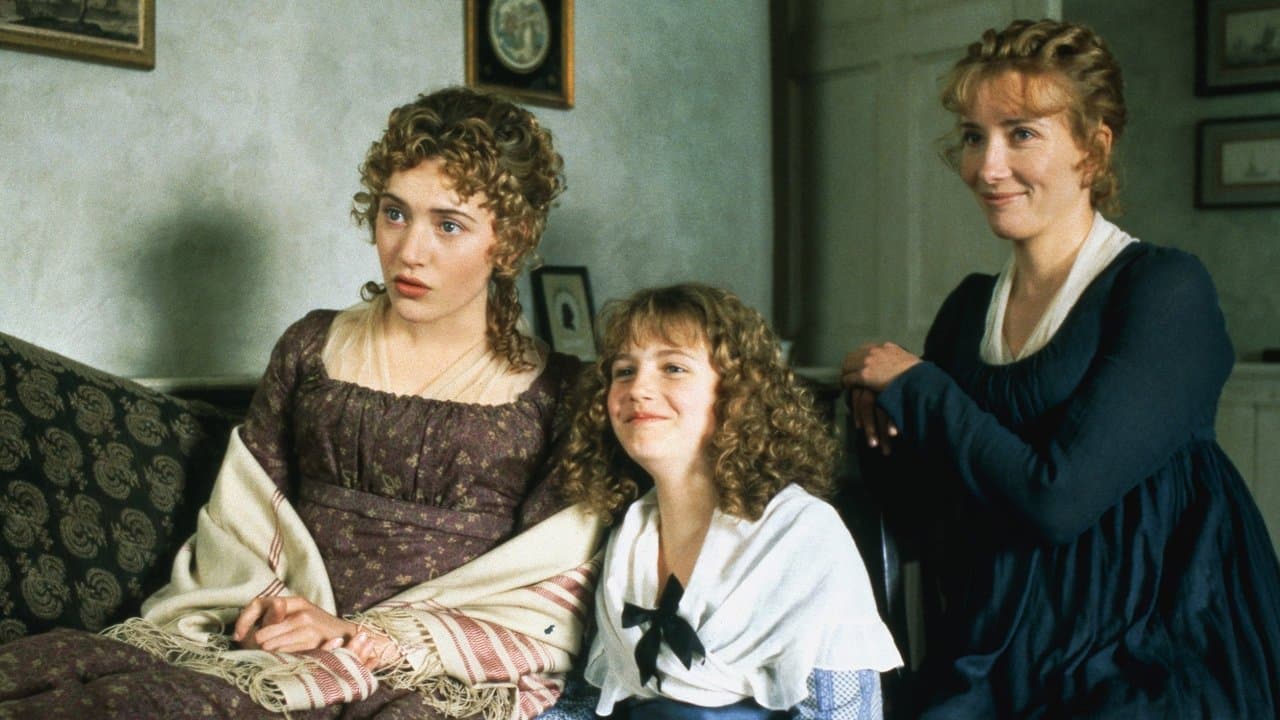
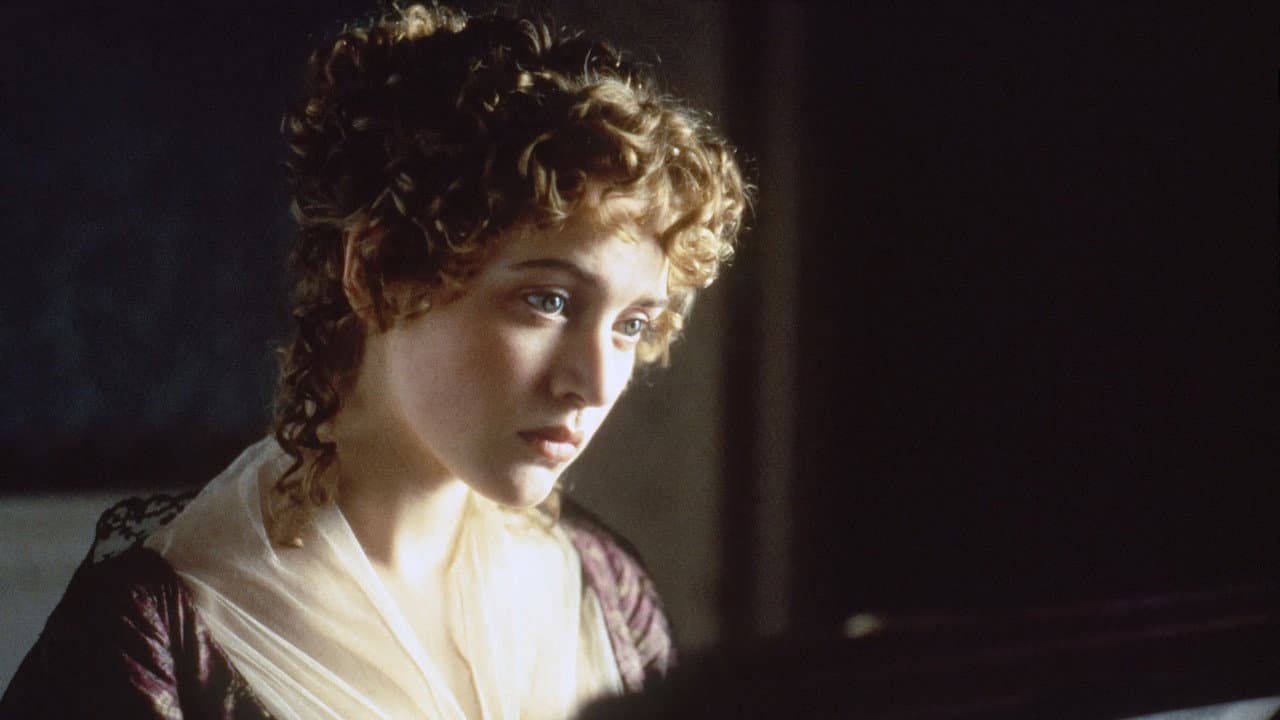
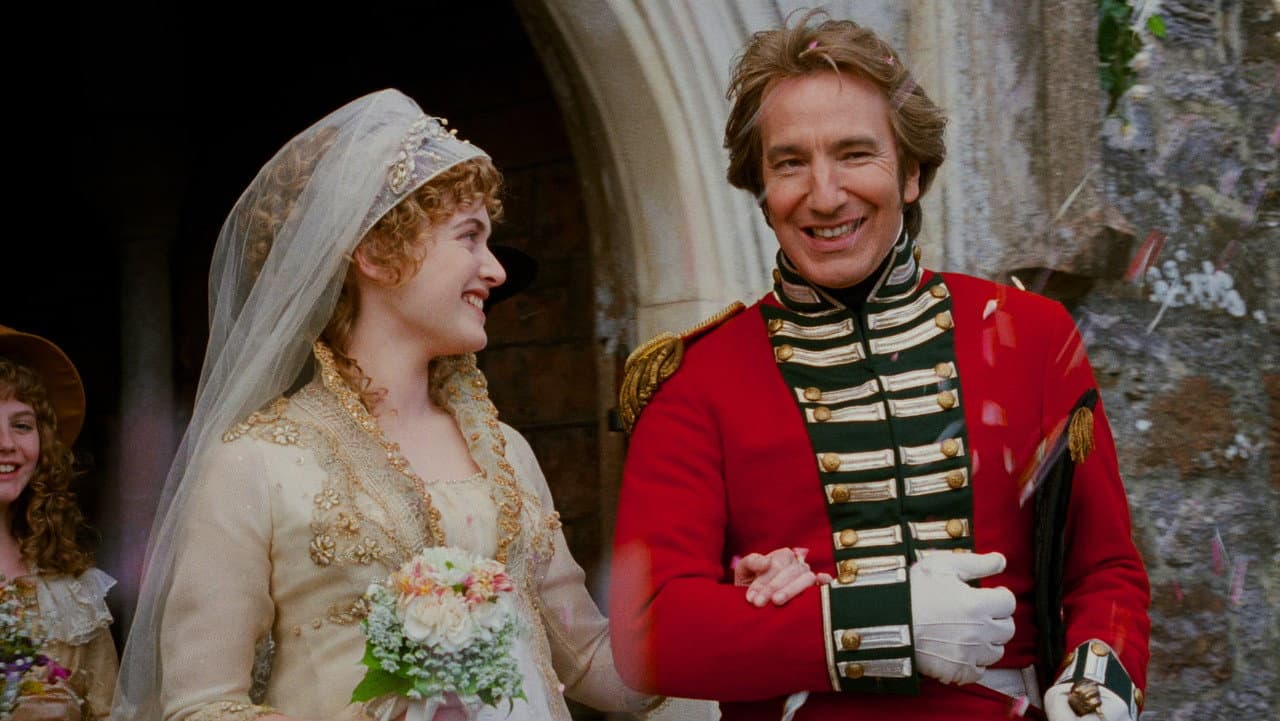
The earlier film, released on December 13, 1995, runs 136 minutes and holds a 7.4/10 rating on TMDb. It won widespread acclaim for Thompson's screenplay as much as for Lee's direction, and its ensemble - which also included Hugh Grant as Edward Ferrars, Gemma Jones as Mrs. Dashwood, Greg Wise as John Willoughby, Elizabeth Spriggs as Mrs. Jennings and Imogen Stubbs as Lucy Steele - became the definitive screen incarnation of the characters for a generation of viewers.
A Return to Austen's Text, Not a Remake
According to the filmmakers, the new project began not with the 1995 movie but with a fresh reading of the source material. The novel follows Elinor, whose good sense governs her conduct, and Marianne, whose romantic sensibility threatens her happiness, as they navigate a society preoccupied with money and social standing. When Henry Dashwood dies unexpectedly, law dictates that his estate pass to his son, leaving his widow and daughters dependent on the kindness of relatives and with barely enough to live on.
"Every generation deserves its own Elinor and Marianne, because the questions Austen asks about money and marriage have not gone away," a cast member explained. "What has changed is what we notice in the book. The parts of the novel that were background in 1995 feel central now."
The production is described as a drama and romance in English, made within the Hollywood industry. Those involved stress that its visual language and pacing differ deliberately from Lee's restrained, lush approach, though they decline to characterize the differences as improvements.
The Weight of Comparison
Ask anyone involved, and the same word surfaces: comparison. The 1995 film is so firmly lodged in the canon that any new adaptation faces immediate scrutiny, particularly over its casting of Elinor and Marianne, roles that helped define Thompson's and Winslet's careers.
"You cannot control what people bring into the theater," another cast member said. "Some of them will have grown up with the earlier film. Our job is not to erase that memory but to give them a reason to sit with these characters again."
The team also acknowledged the challenge of depicting the novel's social economy, in which inheritance law and income determine who may marry whom. That machinery drives the plot: the Dashwood women's reduced circumstances shape every courtship in the story, from Elinor's cautious attachment to Edward to Marianne's headlong passion for Willoughby and her eventual reckoning with the steady Colonel Brandon.
Preserving What Matters
For all the talk of differentiation, the new film's makers return repeatedly to fidelity - not to the 1995 movie, but to Austen's emotional register. The novel's central lesson, that sense and sensibility must be mixed rather than set against each other, remains the spine of the adaptation.
"If we have done our job, audiences will leave arguing about whether Elinor feels too much or Marianne too little," a cast member said. "That argument is the novel. It has been running for two centuries, and it does not need our film to settle it."
Further details about the release plan have not been announced. For now, the film's cast seems content to let the earlier adaptation keep its place in movie history while making room for another visit to Barton Cottage and the world of the Dashwoods.
Source: The Hollywood Reporter