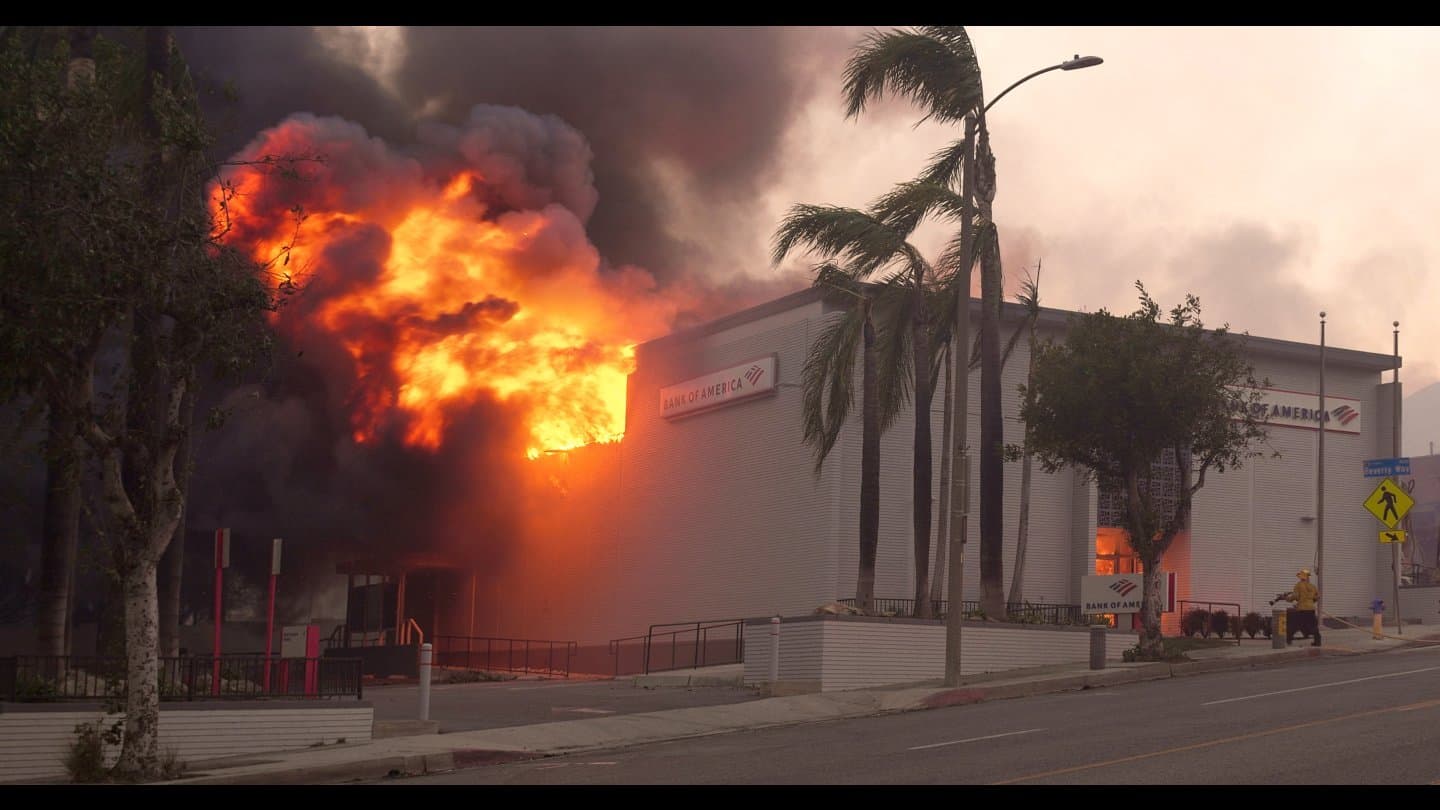
An Austrian filmmaker who turned her camera on the Los Angeles wildfires has said she wants her documentary to spark conversations that go beyond the headlines. The director, who was in Los Angeles when fires broke out across the region, said she felt compelled to keep filming as the disaster unfolded around her. Her film, which she has described as a personal record of the days when the fires spread, is now being shepherded toward audiences with the stated hope that it will prompt discussion about how communities live with fire.
The filmmaker's project joins a growing body of documentary work about the L.A. fires, but she has framed her approach as deliberately intimate rather than panoramic. She said she did not set out to make an authoritative account of the disaster. Instead, she recorded what she witnessed and what people told her, and she now wants viewers to treat the film as a starting point for their own conversations. The director has stressed that she sees the film's value in the questions it raises, not in any claim to have the answers.
A Filmmaker Caught Up in the Story
The director's decision to keep shooting was not, by her account, a calculated professional choice. She has said she was in the city when the fires took hold and found herself documenting what was happening because she did not know what else to do. That impulse, she has suggested, shaped the film's perspective: it is the work of someone living through the event rather than observing it from a distance. For a filmmaker normally based in Austria, the experience of watching a city she knows face an unfolding emergency left a lasting impression, and she has said the footage became a way of processing what she saw.
Her account places the film in a tradition of firsthand disaster documentaries, in which the filmmaker's own presence becomes part of the story. She has been candid that this was not the film she expected to make, and she has described the project as something that grew out of circumstance rather than a pre-planned commission.
Hopes for Conversation, Not Conclusions
Central to the director's message is her wish that the film be used as a prompt for discussion. She has said she hopes audiences will talk about what they see and compare it with their own experiences of emergencies and community response. Rather than presenting the film as a definitive statement, she has positioned it as an invitation, one that asks viewers to consider how people prepare for, respond to and recover from fires.
That emphasis on conversation also reflects what she has described as the limits of her own perspective. The director has been careful not to present her account as the only one, and she has spoken of the importance of listening to people directly affected by the fires. Her hope, as she has put it, is that the film opens a door to those conversations instead of closing the subject down.
What Comes Next for the Film
The filmmaker has not announced a release plan, and details about distribution and screenings have not been settled. What she has made clear is her intention that the film reach audiences who might not otherwise engage with the subject. She has spoken of wanting the project to travel beyond Los Angeles and beyond Austria, so that viewers in different places can draw their own connections between the fires she documented and the risks their own communities face.
For the director, the finished film appears to be less an ending than the beginning of an argument she wants others to carry forward. She has said she hopes the conversations it starts will extend well past any single screening, and that viewers will leave with questions rather than a tidy summary. Whether the film achieves that aim will depend on how audiences receive it, but her stated purpose is unambiguous: to turn what she witnessed into a shared subject for discussion.
Source: The Hollywood Reporter