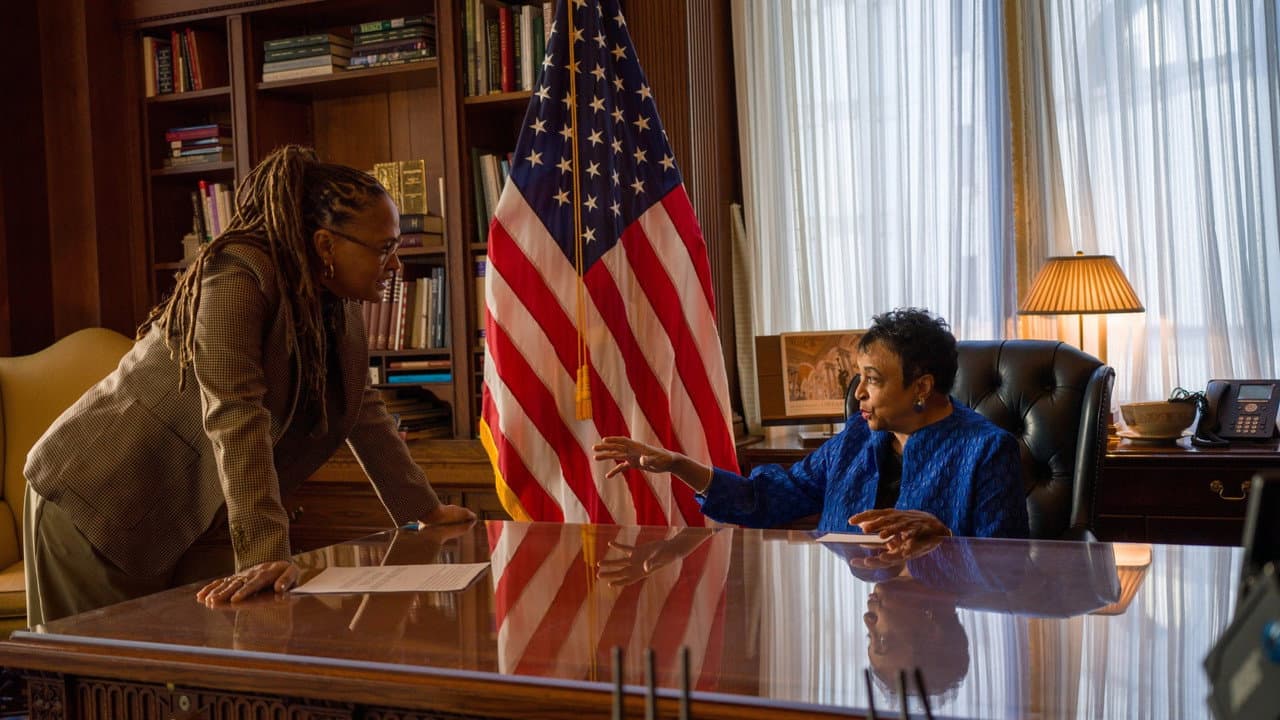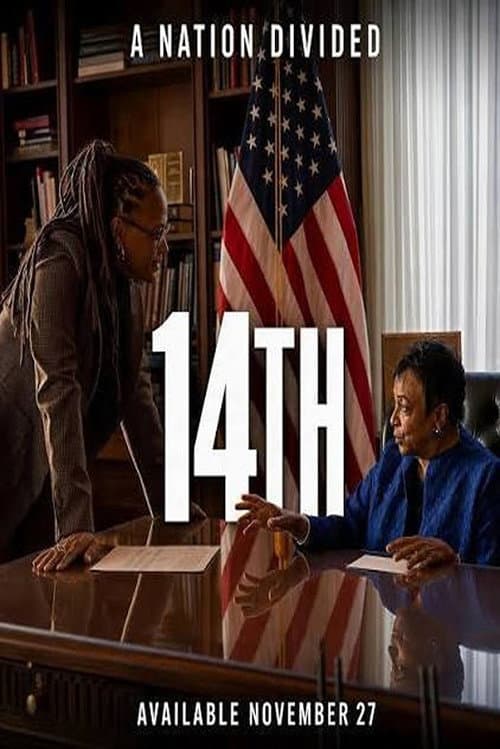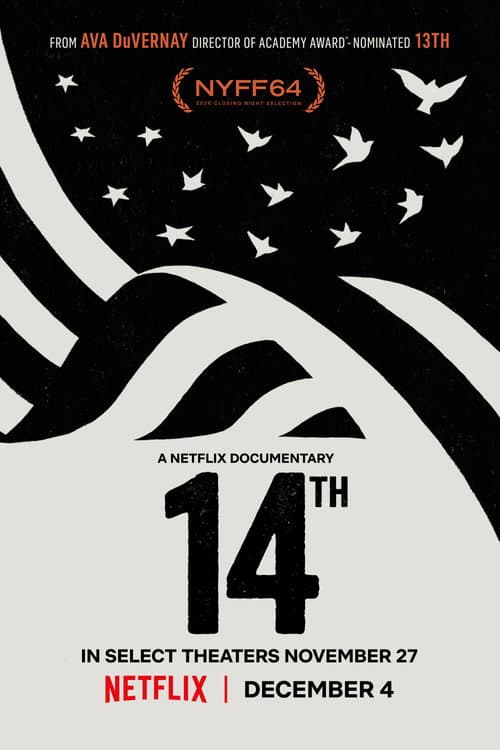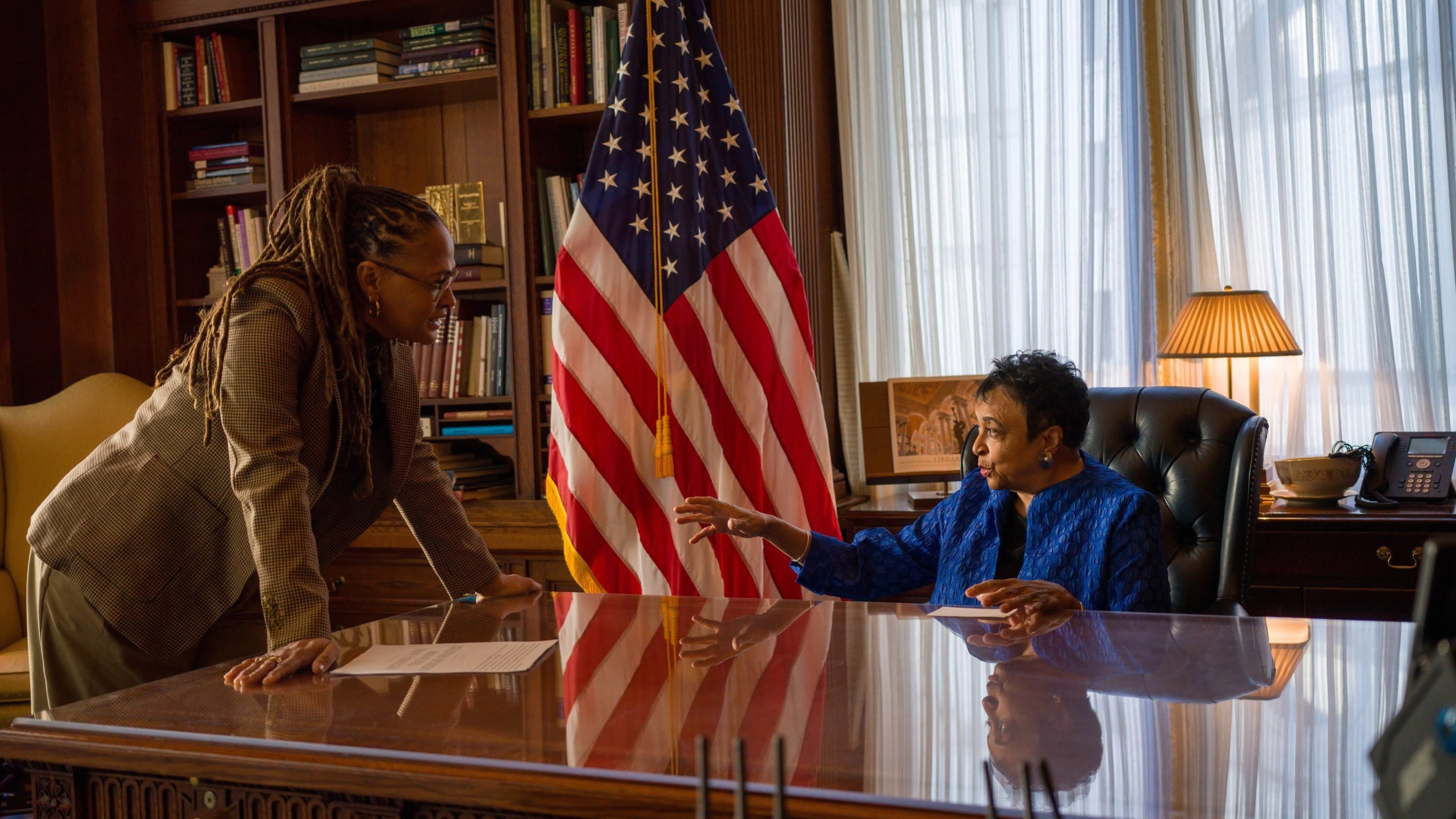
Ava DuVernay is pushing back against critics of her decision to use generative artificial intelligence in her forthcoming documentary "14th," arguing that the technology served as a research and production aid rather than a substitute for human authorship. The director's defense, which surfaced this week ahead of the film's November 27 release, has turned a historical documentary about constitutional law into the latest front in Hollywood's running argument over AI's place in filmmaking.
"14th," which runs 100 minutes, examines the Fourteenth Amendment - the Reconstruction-era provision ratified in 1868 that established citizenship and equal protection guarantees and has remained a flashpoint in American politics ever since. DuVernay directs a cast of interviewees that mixes civil rights figures, lawmakers from both parties, and cultural commentators: Sherrilyn Ifill, Stacey Abrams, Representative Alexandria Ocasio-Cortez, former Senator Jeff Flake, cultural critic Hasan Piker, Senator Alex Padilla, Representative Anna Paulina Luna, and historian David Blight all appear as themselves.
DuVernay's remarks come as studios and filmmakers grapple with how to disclose AI use, and as unions that spent much of the past several years negotiating AI guardrails watch how prominent directors deploy the tools. Her stance places her among filmmakers who treat AI as an ordinary production instrument - a position that draws swift scrutiny whenever the project in question concerns history and law, where accuracy carries particular weight.
The controversy also lands in a crowded documentary marketplace, where archival material is often scarce, rights are expensive, and post-production schedules are tight. Directors have increasingly turned to AI-assisted tools for tasks such as transcription, footage search, and cleanup of old recordings, though few projects of this profile have prompted a public accounting of that use.
According to the verified production information, "14th" is an English-language documentary in the history genre, produced within the Hollywood industry. It arrives in theaters on November 27, 2026. As of this week, the film carries a TMDb rating of 0 out of 10, a figure that reflects the absence of user votes rather than any measure of critical reception, since the movie has not yet opened.
The film's subject matter guarantees it will be read politically. The Fourteenth Amendment has been invoked in disputes over birthright citizenship, voting access, and the scope of federal protections, and DuVernay has assembled a panel designed to span that divide, pairing progressive elected officials and activists with conservative lawmakers and a historian known for his work on Reconstruction. Whether that range translates into a balanced film is a question audiences will settle after release; for now, the argument is about the machinery behind the movie rather than its content.
DuVernay's comments did not arrive with a formal studio statement, and the specifics of how AI was used in "14th" have not been detailed beyond her general characterization of it as a supporting tool. That gap has fed the debate: without a scene-by-scene disclosure, skeptics say, audiences cannot judge whether the technology touched material that should remain untouched, while defenders counter that demanding disclosure for routine software invites a standard no other editing tool faces.
The timing is notable. "14th" opens roughly a year after AI disclosure became a bargaining issue in contract talks across the industry, and its release will test whether audiences distinguish between AI used to organize research and AI used to generate images or words presented as fact. For a documentary whose central subject is the meaning of citizenship and equal protection, the question of who - or what - assembles the evidence is unlikely to fade quietly.
DuVernay, whose previous work has moved between narrative features and documentaries, has not indicated any change to the film's release plan. "14th" remains scheduled for November 27.
Source: The Hollywood Reporter