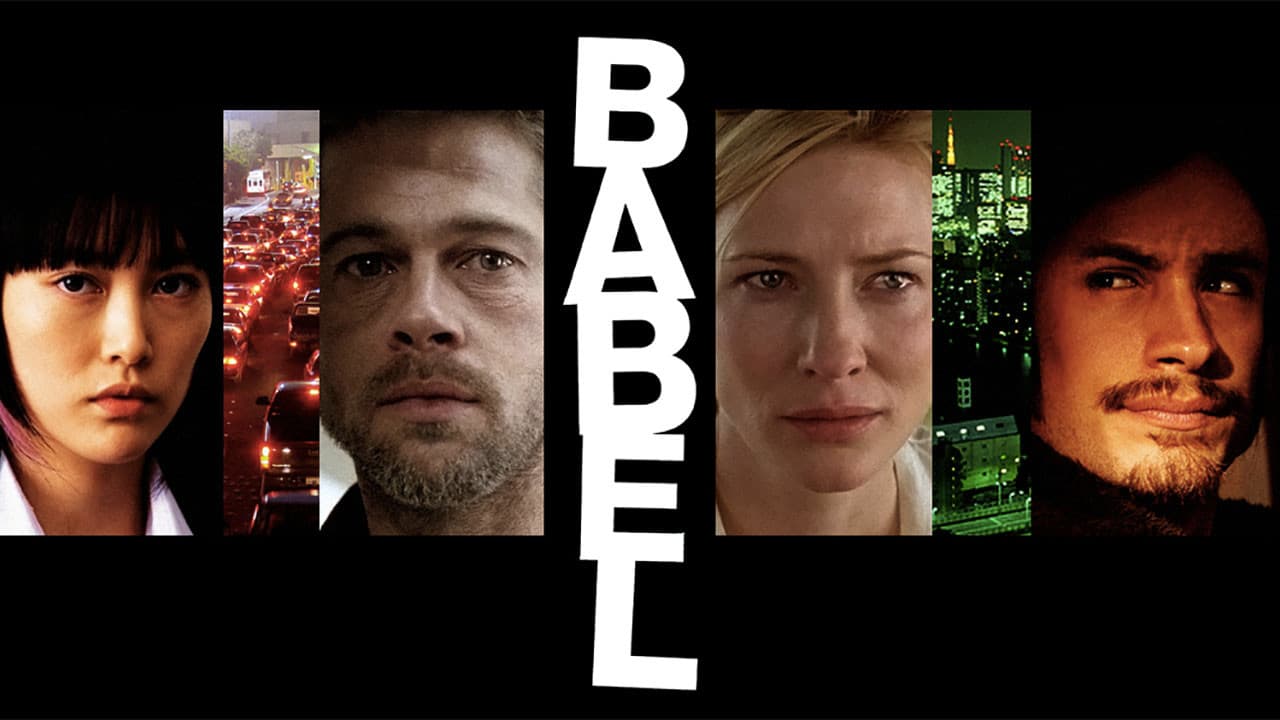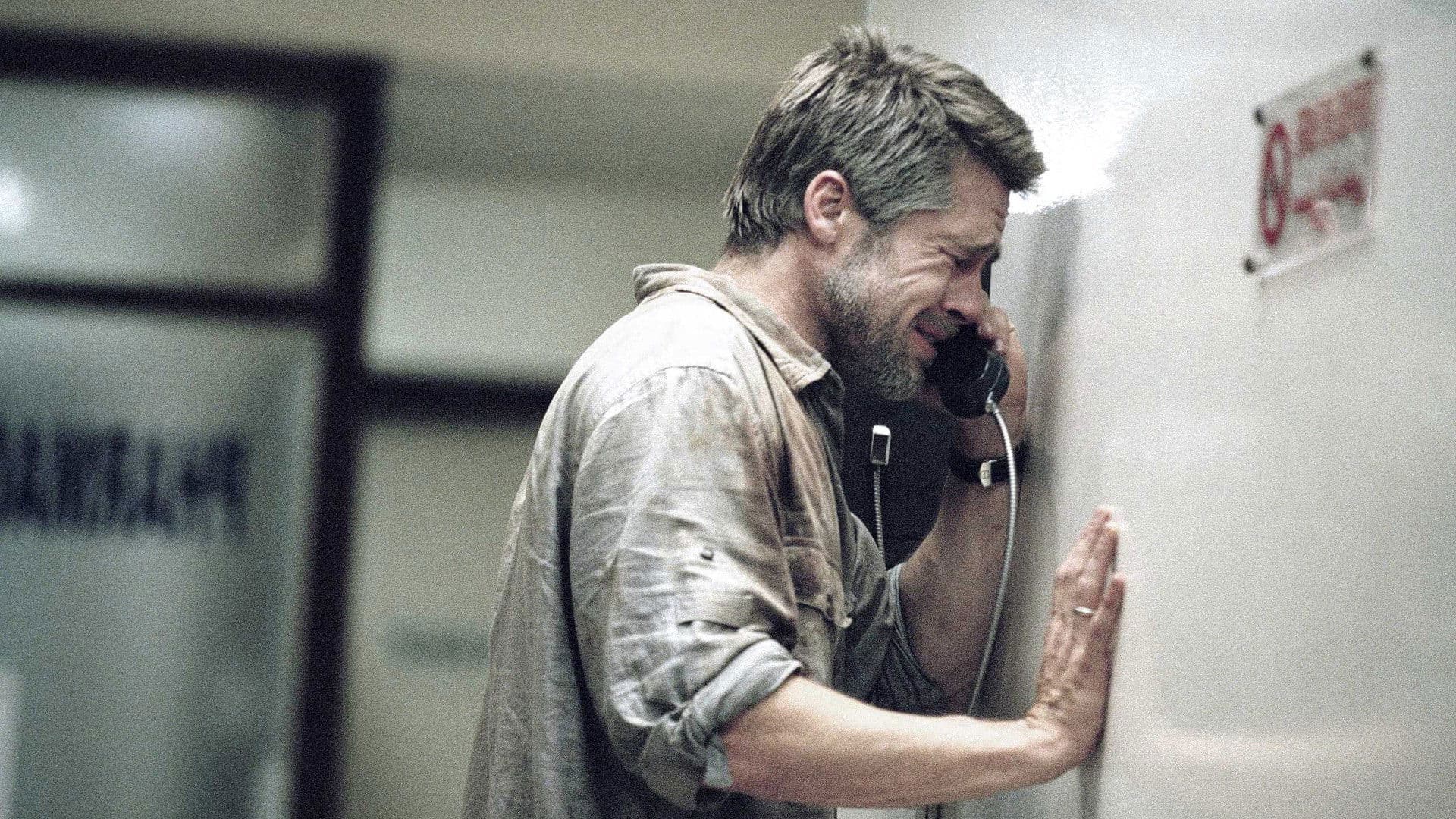
Twenty years ago this week, Alejandro G. Iñárritu's "Babel" arrived in theaters, sending audiences across three continents in a single sitting. The drama, released on October 26, 2006, opens with a gunshot in the Moroccan desert that shatters the vacation of an American couple, then fans outward into four interlocking stories bound by a single act of violence. Its 143-minute runtime weaves those threads together with a structural ambition that was rare for a Hollywood release at the time.
With a TMDb rating of 7.17 out of 10, the film holds up as one of the more divisive prestige dramas of its era. Some viewers found its globe-trotting design emotionally overwhelming; others found the overlapping timelines too pat. Either way, the film remains a defining entry in the mid-2000s wave of ensemble dramas that asked audiences to hold several stories in their heads at once.
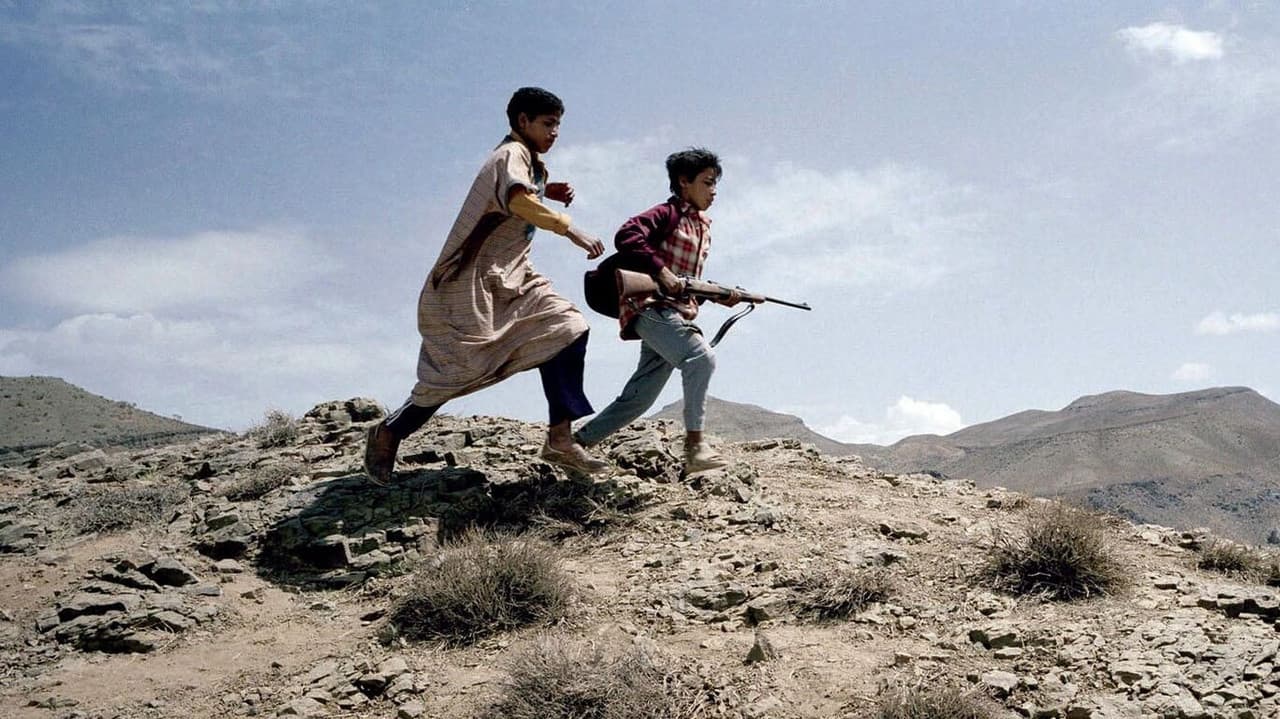
A Shot in the Desert Sets Everything in Motion
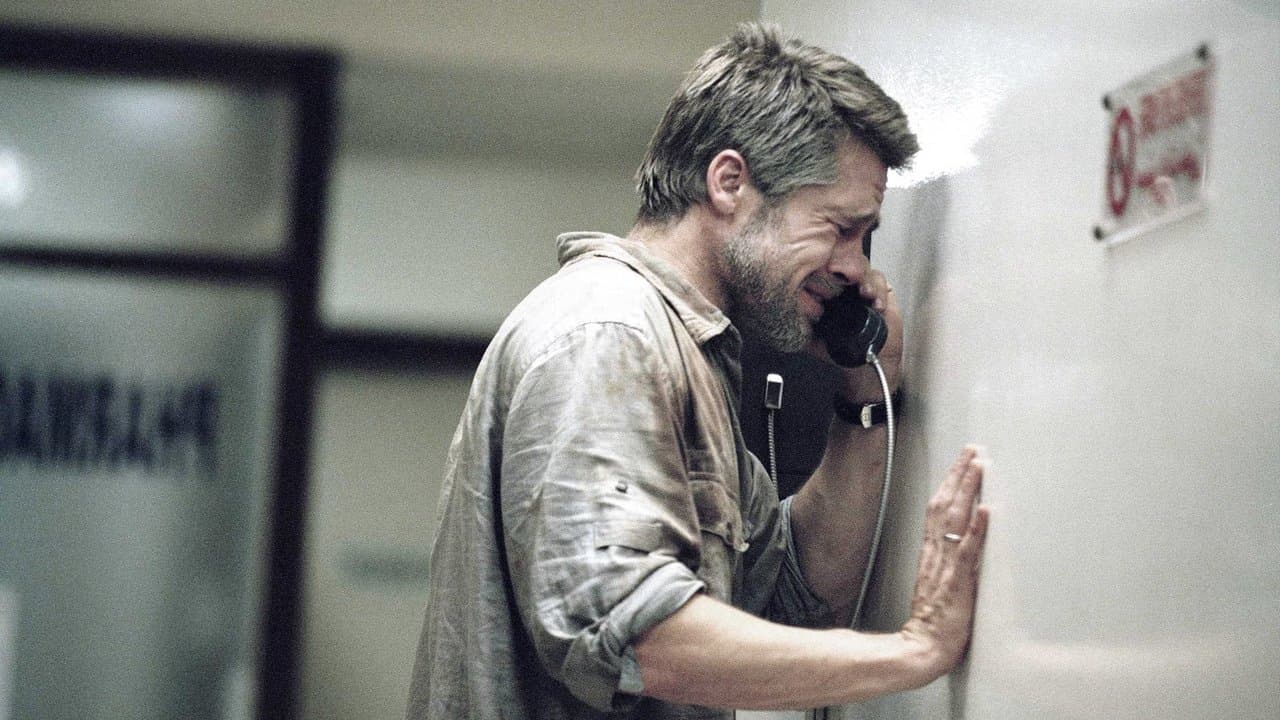
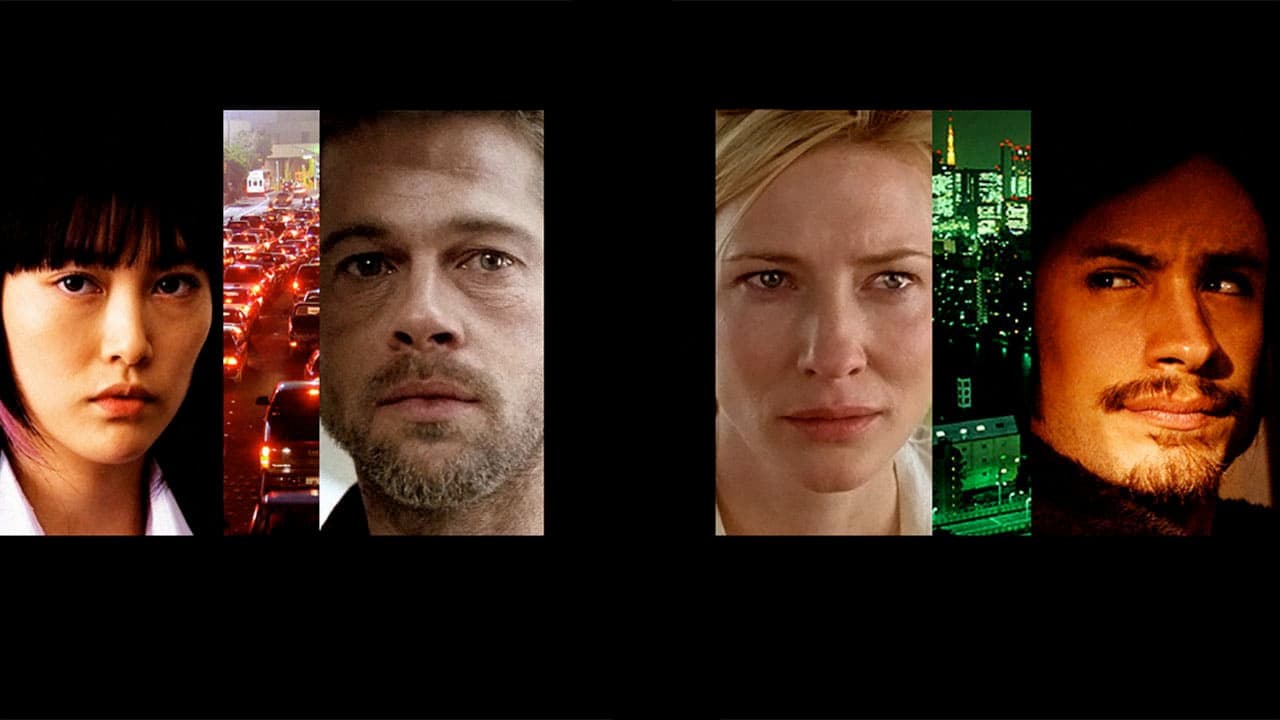
The premise is deceptively simple. Richard and Susan Jones, played by Brad Pitt and Cate Blanchett, are vacationing in the Moroccan desert when tragedy strikes, leaving Susan wounded and the couple stranded far from help. That incident is the hinge on which the rest of the film turns.
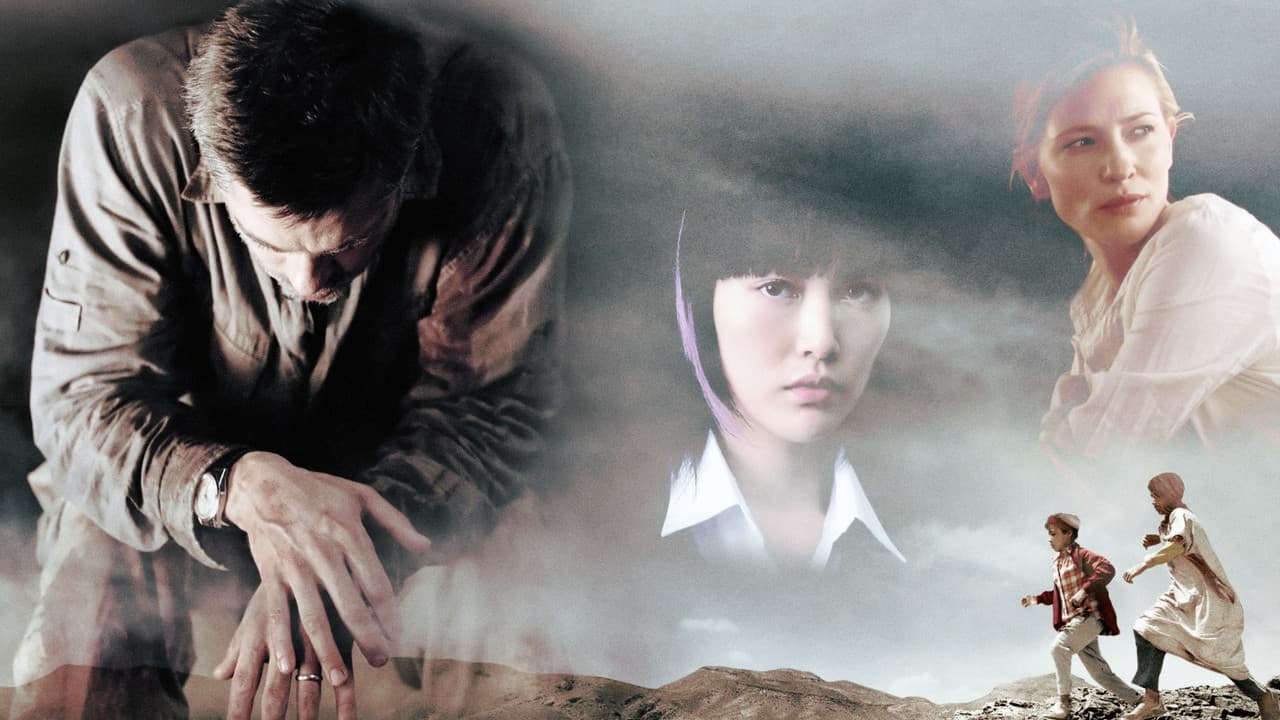
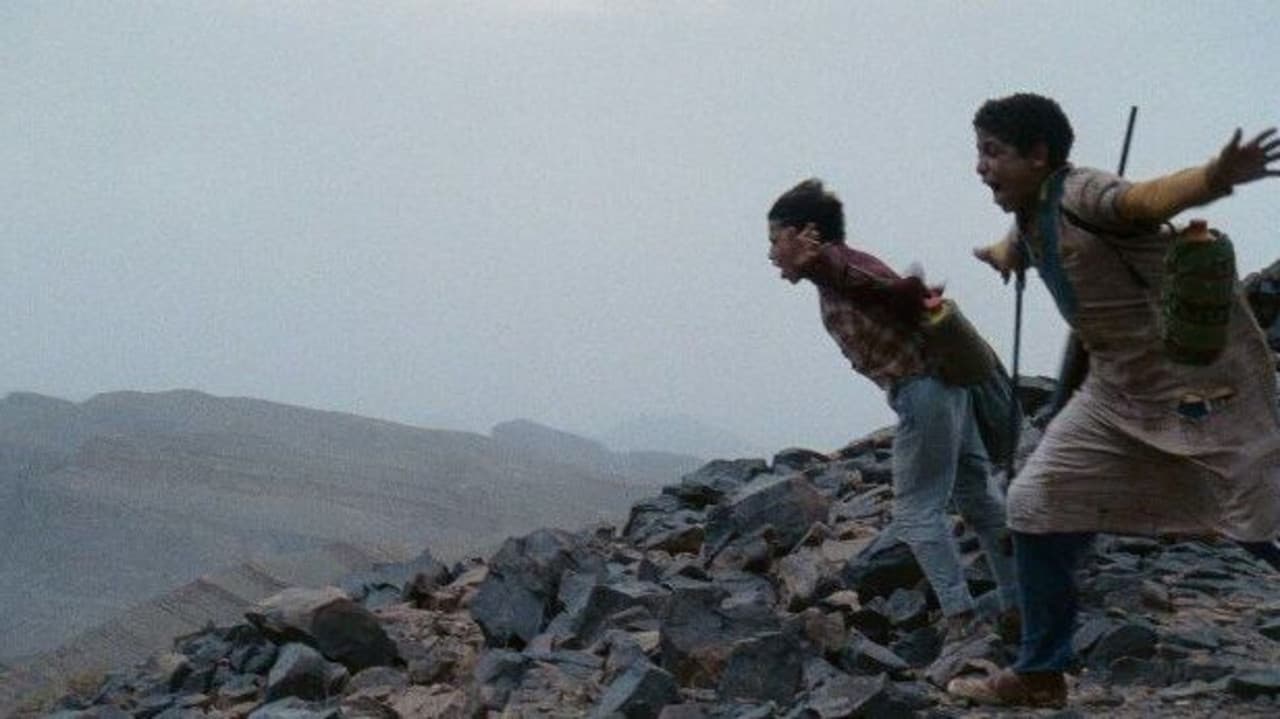
From there, the narrative travels to a rural Moroccan family whose children are caught up in the shooting; to Tokyo, where a deaf teenager named Chieko, played by Rinko Kikuchi, navigates isolation and grief; and to the U.S.-Mexico border, where Amelia, played by Adriana Barraza, cares for the couple's children and makes a fateful decision. Gael García Bernal appears as Santiago, while Said Tarchani and Boubker Ait El Caid play the Moroccan father and son at the story's origin. Satoshi Nikaido rounds out the cast as Kenji Mamiya.
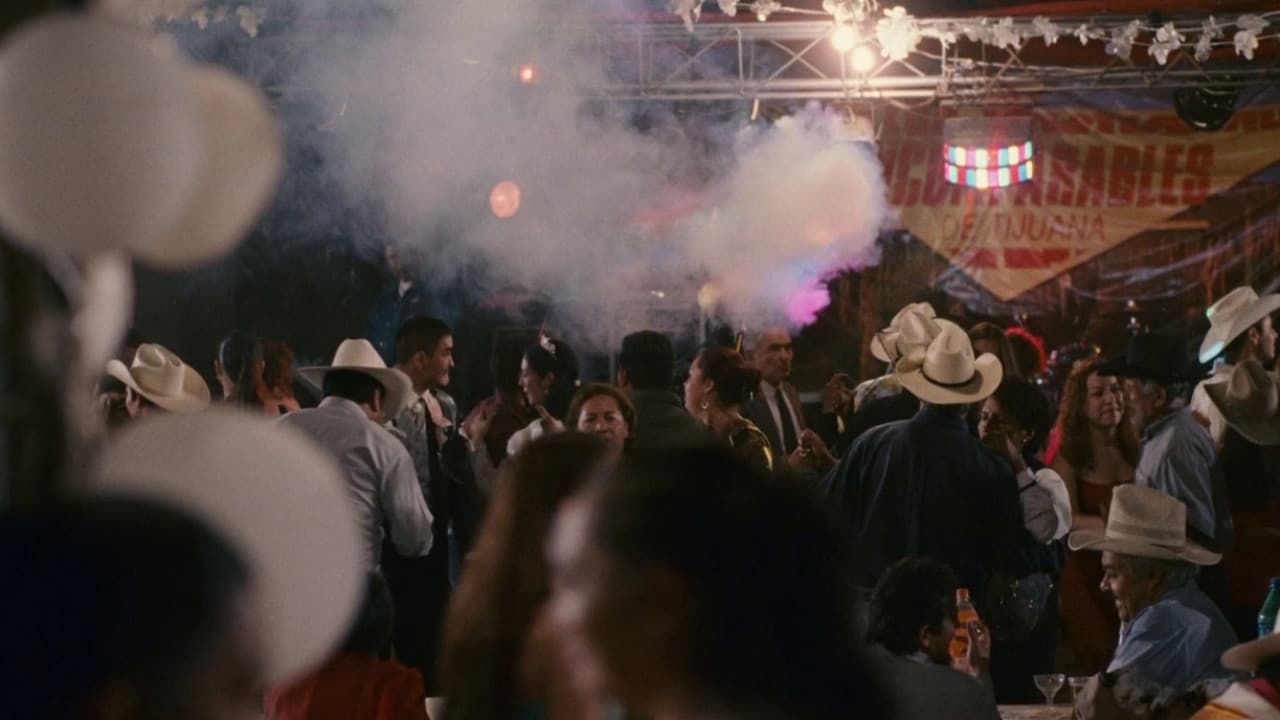
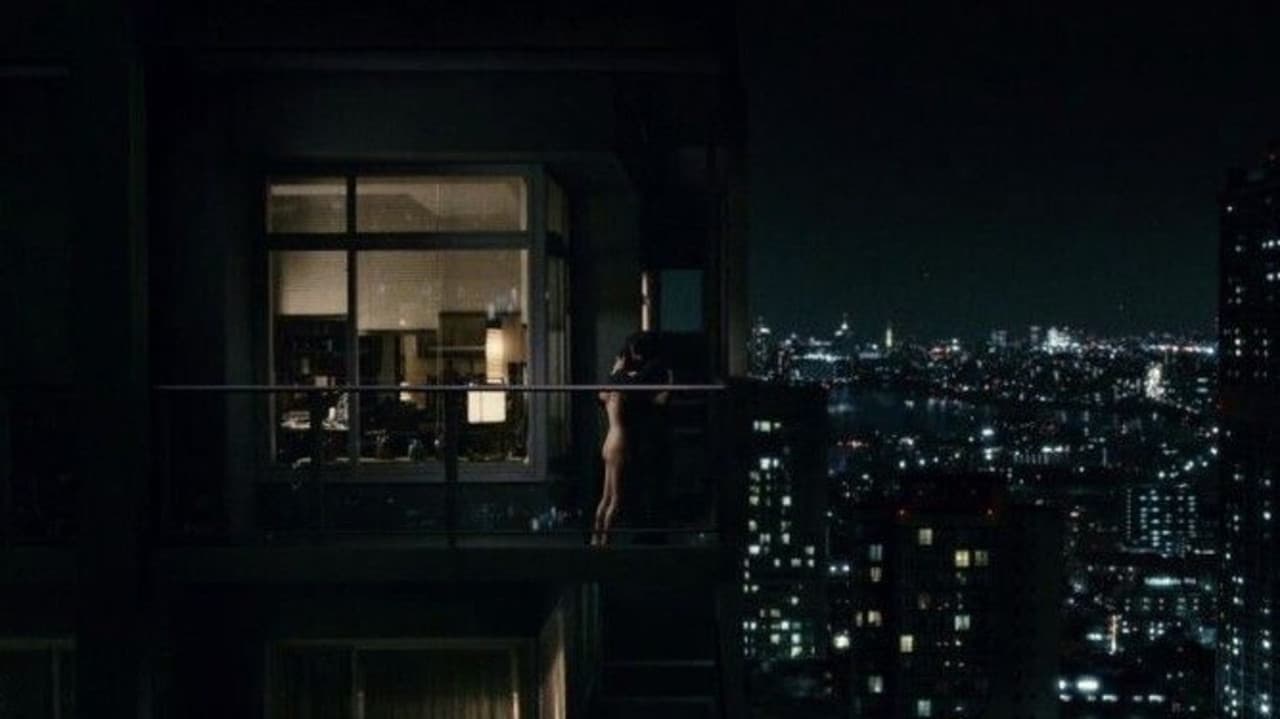
Iñárritu shoots each strand with its own texture, and the film's power comes from how those textures collide. The desert sequences carry a raw, sun-bleached immediacy; the Tokyo passages are sleek and neon-lit; the border crossing unfolds with mounting dread. The director's insistence on disorientation is deliberate, and it is what separates "Babel" from a conventional multi-strand drama.
An Ensemble Built on Disconnection
The title itself announces the film's preoccupation: the failure of people to understand one another, whether across languages, generations, or the invisible distances inside a marriage. Pitt and Blanchett anchor the film's emotional center, but the movie's most discussed performance belongs to Kikuchi, whose Chieko communicates through sign language and raw physicality. Barraza's Amelia gives the film its moral weight, particularly in the final act.
Iñárritu assembled a cast that spans four countries and several languages, though the film's original language is English. That choice has always been part of the conversation around "Babel": it is a Hollywood production, made within the studio system, that pushes against the system's usual boundaries. The film's globe-spanning structure was unusual for a major release, and it required a level of trust from its financiers that few directors could command at the time.
The film's critical reception in 2006 was largely admiring, with praise directed at its ambition and its performances. Detractors argued that the overlapping-story template had become a fixture of independent cinema by then, and that "Babel" leaned on coincidence more than it needed to. Twenty years on, the debate has not fully settled, which is arguably a sign that the film still has something to argue with.
A Snapshot of a Restless Era
"Babel" arrived at a moment when Hollywood was willing to gamble on sprawling, serious-minded dramas. Its release date, just ahead of the awards season, signaled that the studio saw it as a contender rather than a curiosity. The film's structure, jumping between Morocco, Japan, Mexico, and the United States, made it a logistical marvel as much as a narrative one.
For contemporary viewers revisiting it, the film plays differently than it did in 2006. Its themes of miscommunication and mutual suspicion feel less like abstractions now and more like a description of ordinary life. That shift may be the strongest argument for the film's durability. It was made as a provocation, and it has aged into a mirror.
The movie remains a drama in the classic sense: patient, sprawling, and unwilling to resolve its tensions neatly. Its 143 minutes demand attention, and its four-family structure rewards that attention with echoes that only become clear near the end. Whether "Babel" is a masterpiece or an overreach is a question each viewer answers alone, which is fitting for a film about the impossibility of fully understanding anyone else.
Two decades after its release, the gunshot in the desert still echoes, and the people on the other end of it are still trying to be heard.
Source: The Hollywood Reporter