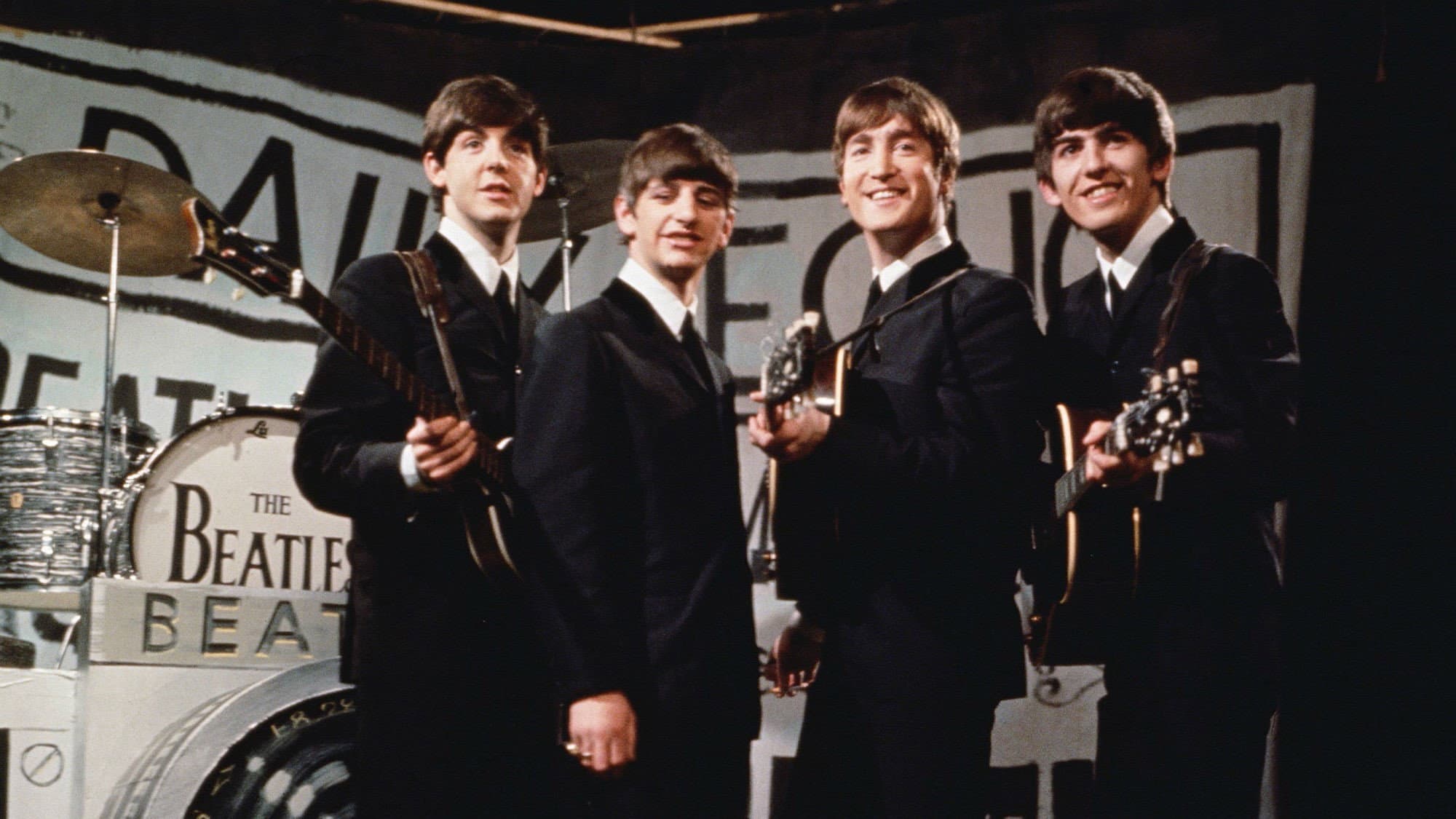
The producers behind a planned four-film event built around The Beatles are betting that audiences will turn up to the multiplex four times in a single stretch, turning what is normally a scattered awards-season rollout into something closer to a communal ritual. The project, which has been assembling at a major studio with an all-star cast attached across the various chapters, is being positioned less as a conventional biopic than as a month-long cinematic occasion, with each installment designed to stand on its own while feeding into a larger arc. According to the producers, the goal is to give moviegoers a reason to return to theaters week after week rather than waiting for a streaming debut.
The word from the production camp is that the films will roll out in close succession, effectively creating a self-contained season of movie-going. That approach runs against the grain of how most modern tentpoles are released, where a single title dominates a weekend and then fades. Instead, the Beatles project is being modeled on the idea of an ongoing event - one that rewards the audience for showing up repeatedly and treats each film as an episode in a bigger story.
A Four-Part Structure Built for Theatrical Runs
Splitting a sprawling story across multiple films is not new, but doing so with a subject as culturally ubiquitous as The Beatles raises the stakes. The producers have spoken about wanting each film to have its own identity, tone and emotional center, rather than functioning as a chopped-up version of one long movie. That means separate casts, separate directors or creative teams, and distinct visual languages tied to different phases of the band's story.
The casting strategy has drawn its own attention. Rather than relying on unknowns, the production has reportedly assembled a roster of established and rising actors to portray the band members and the figures around them. The producers have framed this as a way to signal to audiences that these are not cheap imitations but full-scale dramatic works. The hope is that star power plus a recognizable subject creates a double draw - fans of the actors and fans of the music.
There is also a practical dimension. By releasing the films in a tight window, the studio can keep marketing costs concentrated and maintain cultural momentum. A single press cycle, one wave of trailers, and a continuous conversation online can sustain interest across all four releases in a way that a staggered, year-apart schedule could not. The producers have been candid that the economics depend on people treating the films as a package.
Producers Pitch a Shared Cultural Moment
What the producers seem to be selling is not just a movie but a shared experience. In an era when theatrical attendance has become more selective, the pitch is that these films offer something streaming cannot: the feeling of being in a room with strangers, hearing the same songs, reacting together. The Beatles' music is uniquely suited to that, given how deeply it is woven into collective memory across generations.
The producers have also hinted at a repertory element, with the idea that audiences might see one film and then revisit earlier ones. That kind of circular viewing behavior is more common in franchise fandom than in music biopics, and it suggests the team is thinking about the project as a piece of event programming rather than a standard release slate.
Whether the strategy works will depend on execution. Four films in a short span is a logistical and creative gamble. If the first installment lands, the others benefit. If it stumbles, the whole month could collapse. The producers are aware of that risk, and their public comments have emphasized quality control and a commitment to not treating any chapter as filler.
A Test of Whether Audiences Still Want a Month at the Movies
The broader question the project raises is whether the theatrical experience can still support this kind of sustained commitment. Streaming has trained viewers to binge at home, on their own schedule. The Beatles films are essentially asking them to binge in public, on the studio's schedule. That is a significant ask, and it makes the project as much an experiment in distribution as in filmmaking.
For now, the producers are projecting confidence. They have described the rollout as a chance to make movie-going feel like an event again, and they have tied the project's identity to the idea of a mega-month - a stretch where the cultural conversation is dominated by one subject across multiple weekends. If it works, it could influence how other large-scale music and history projects are released. If it does not, it will serve as a cautionary tale about the limits of audience appetite.
Either way, the coming months will reveal whether the Beatles can still fill theaters - not once, but four times over, in a single concentrated burst. The producers are betting they can.
Source: The Hollywood Reporter