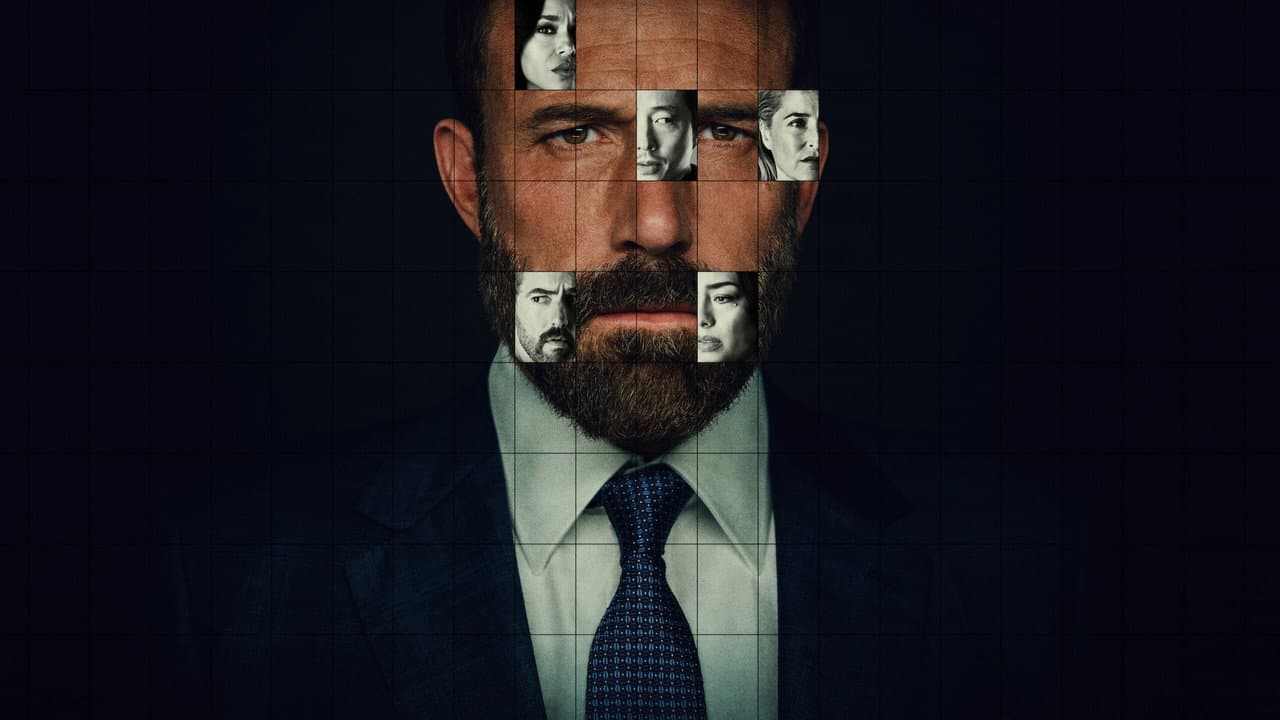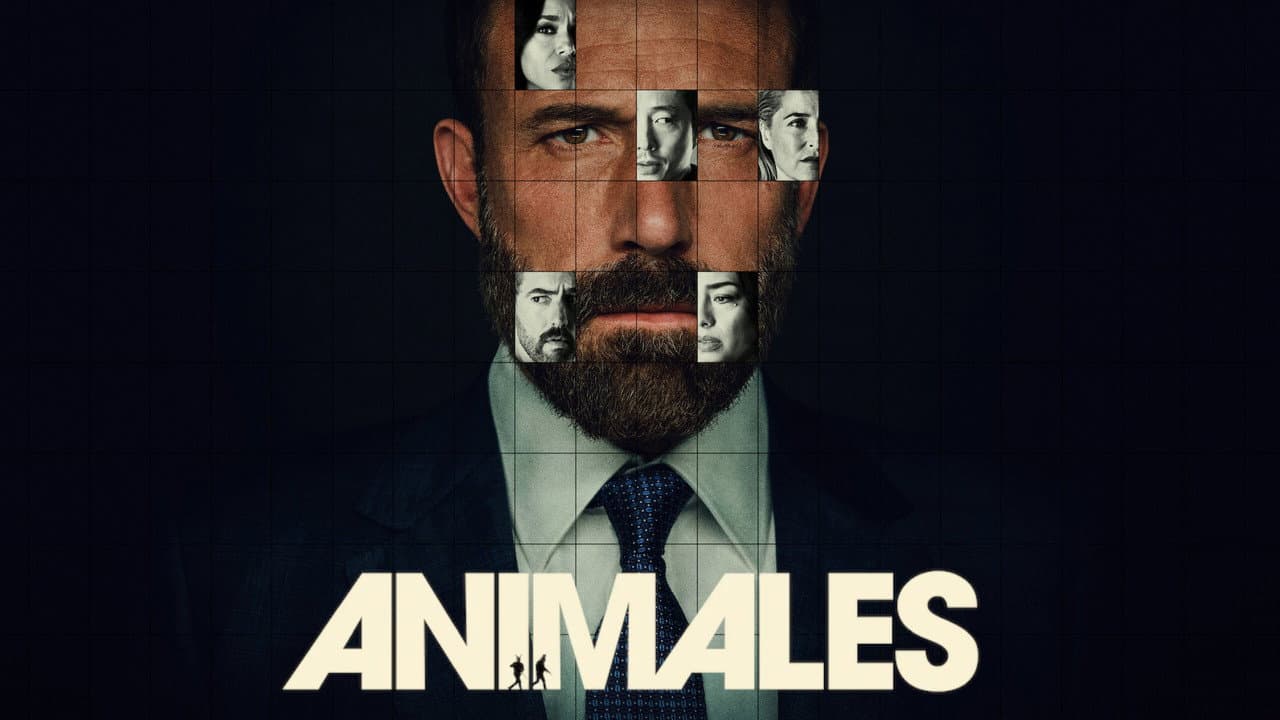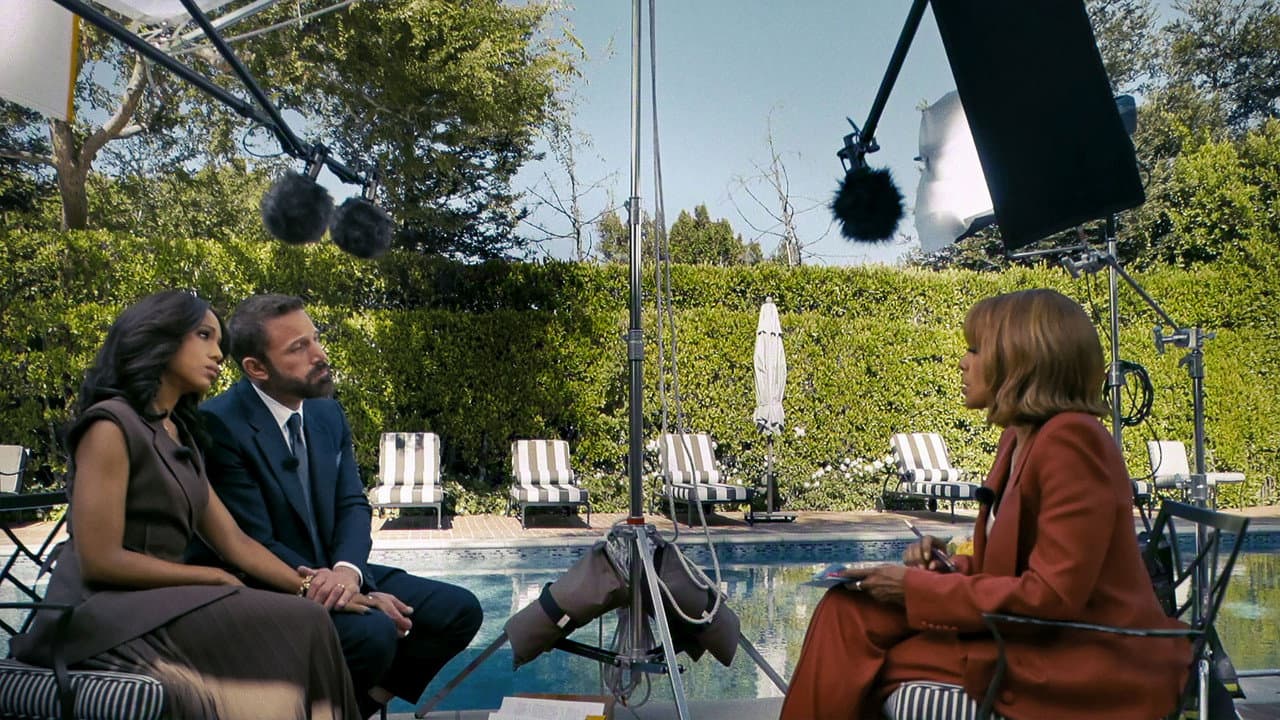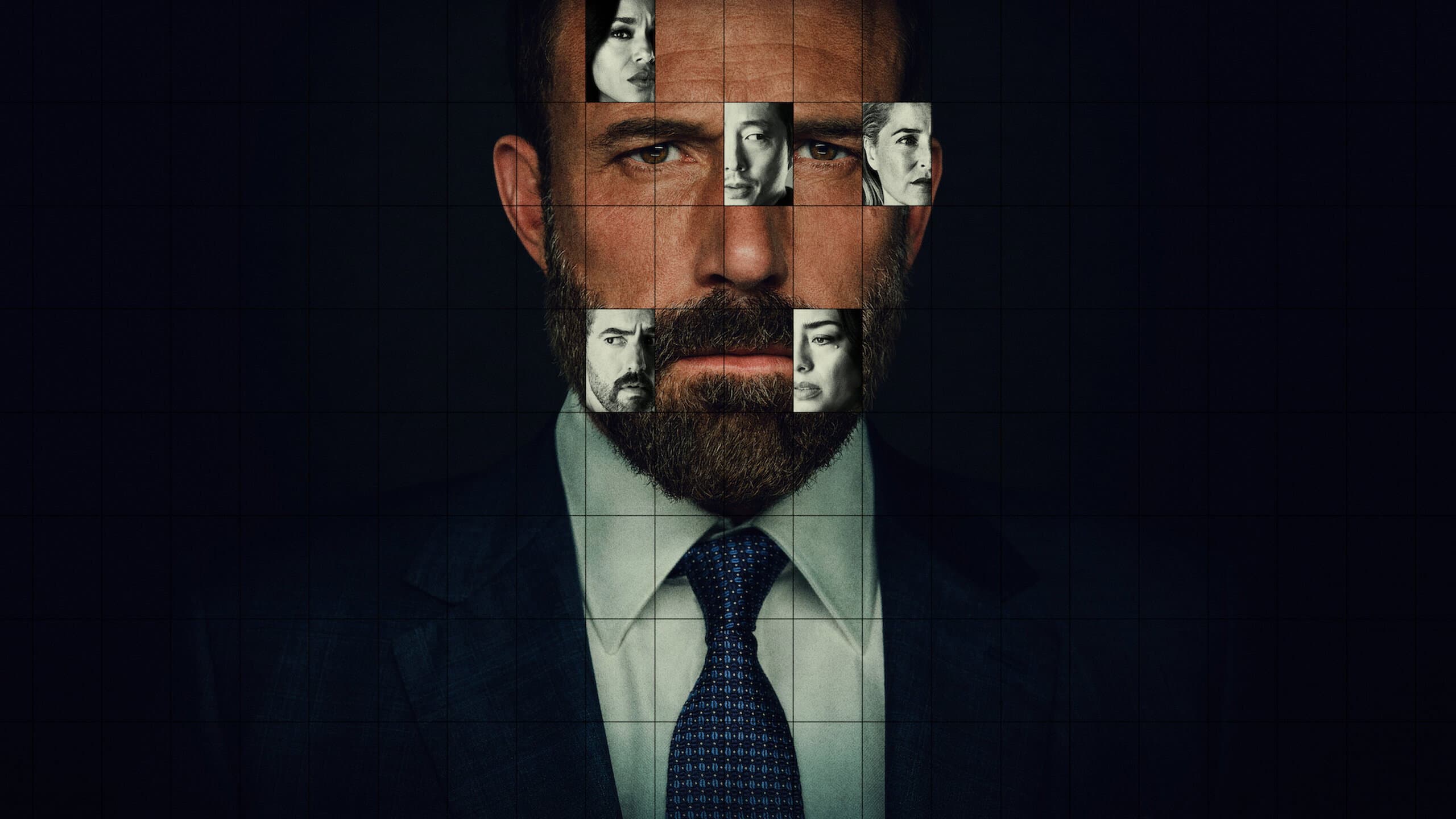
Ben Affleck is pushing back against the idea that artificial intelligence has to be a disruptive force in filmmaking. With his latest directorial effort, Animals, set to arrive in theaters on October 9, the filmmaker and star has been candid about how he chose to incorporate AI tools into his workflow - and where he drew the line.
"It's not about making fake people or replacing anybody, ever," Affleck said, describing a philosophy he frames as augmentation rather than substitution. His remarks arrive at a moment when Hollywood remains deeply divided over generative technology, with guilds, studios and creatives still negotiating the boundaries of its use.
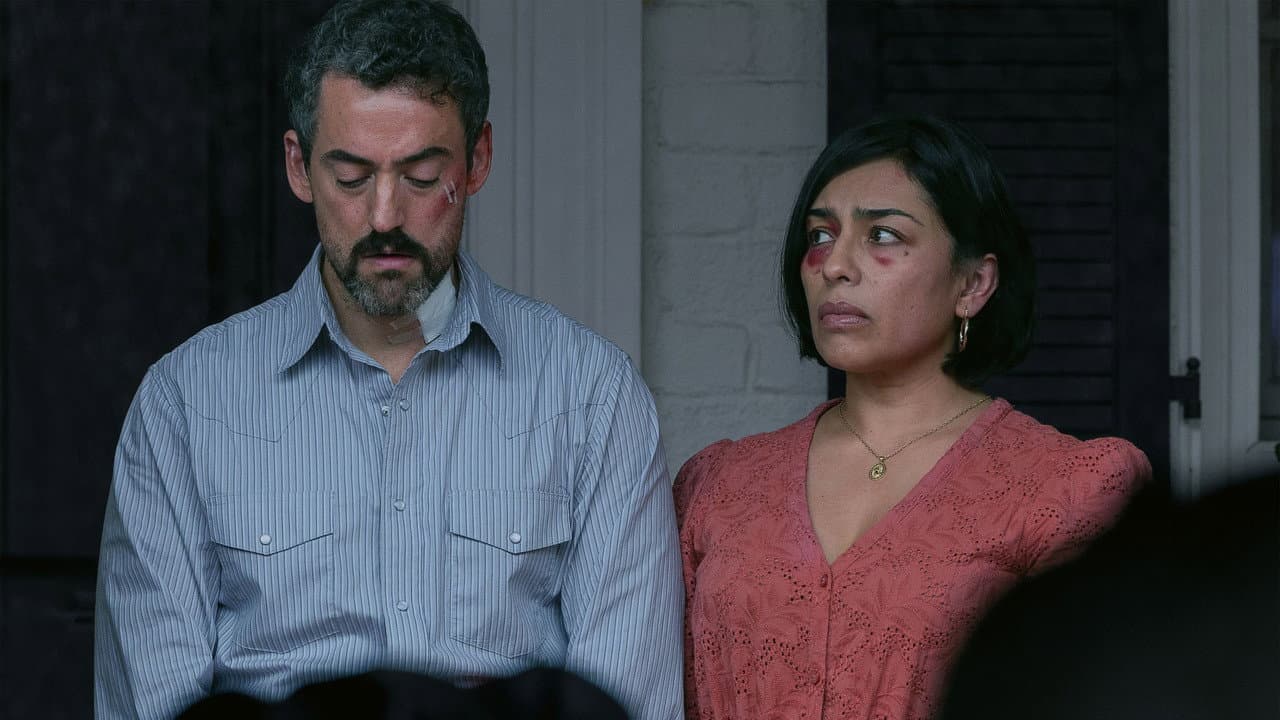
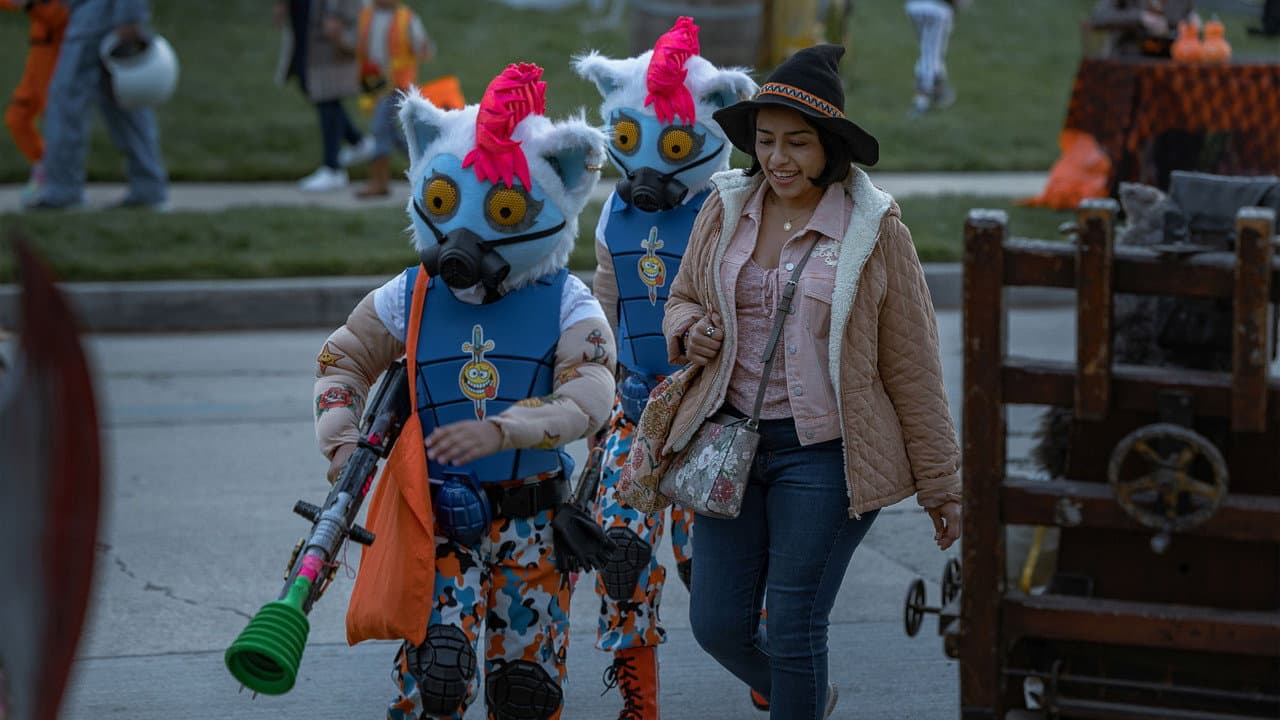
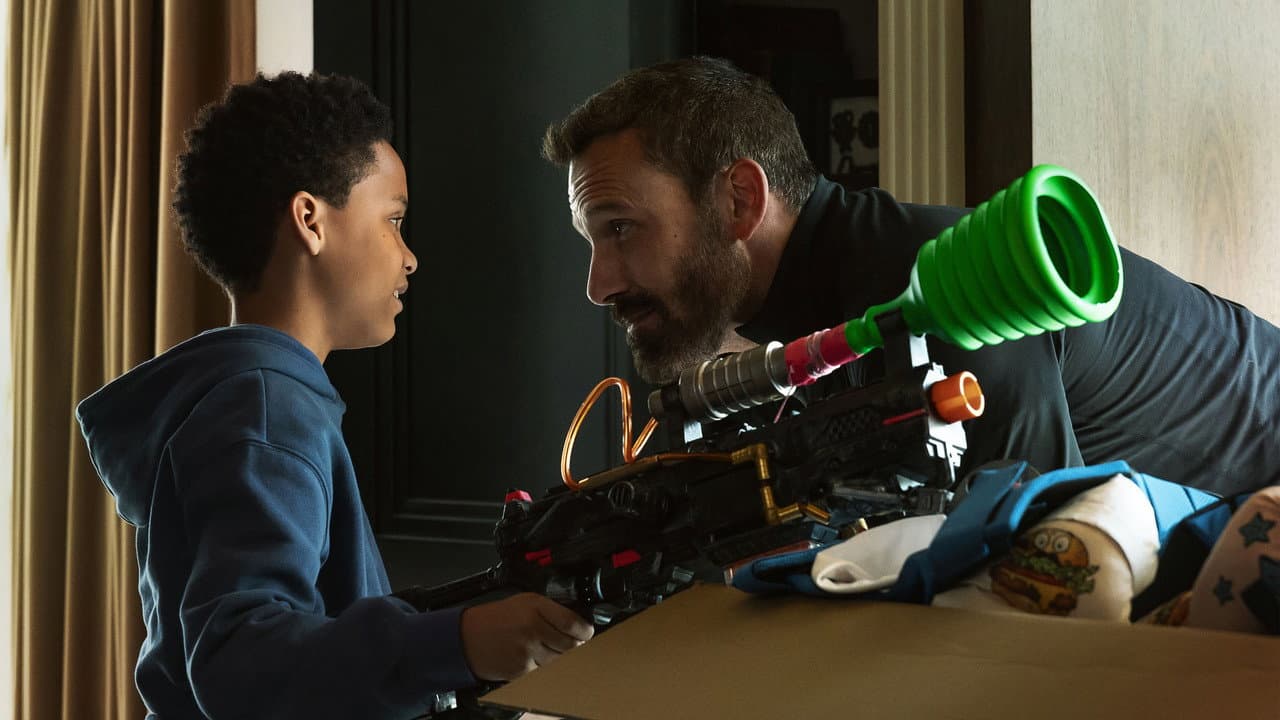
Animals is a crime thriller centered on Mark Kimball, the son of an Los Angeles mayoral candidate, who finds himself racing the clock after his own child is abducted. With the campaign having drained the family's finances, he and his wife, Abigail, have only hours to assemble a ransom - a scramble that forces them to confront parts of their lives they had kept hidden. Affleck directs and leads the cast as Mark Kimball, with Kerry Washington playing Abigail.
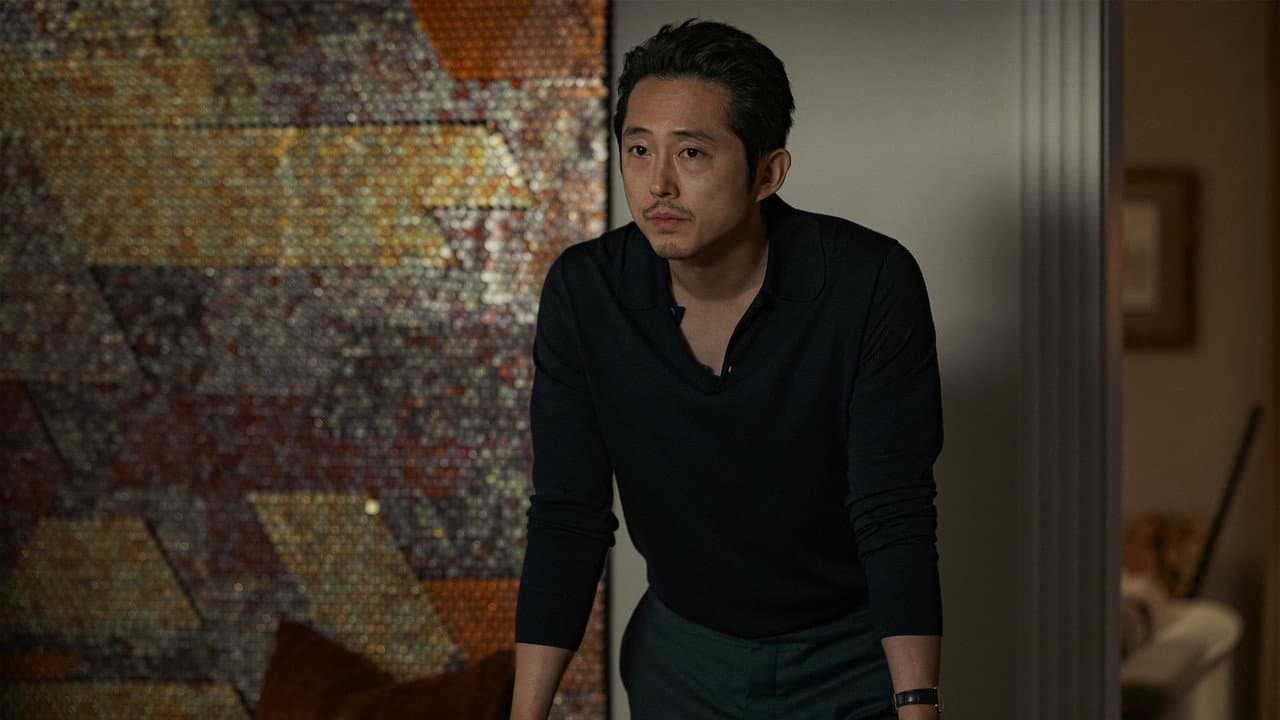
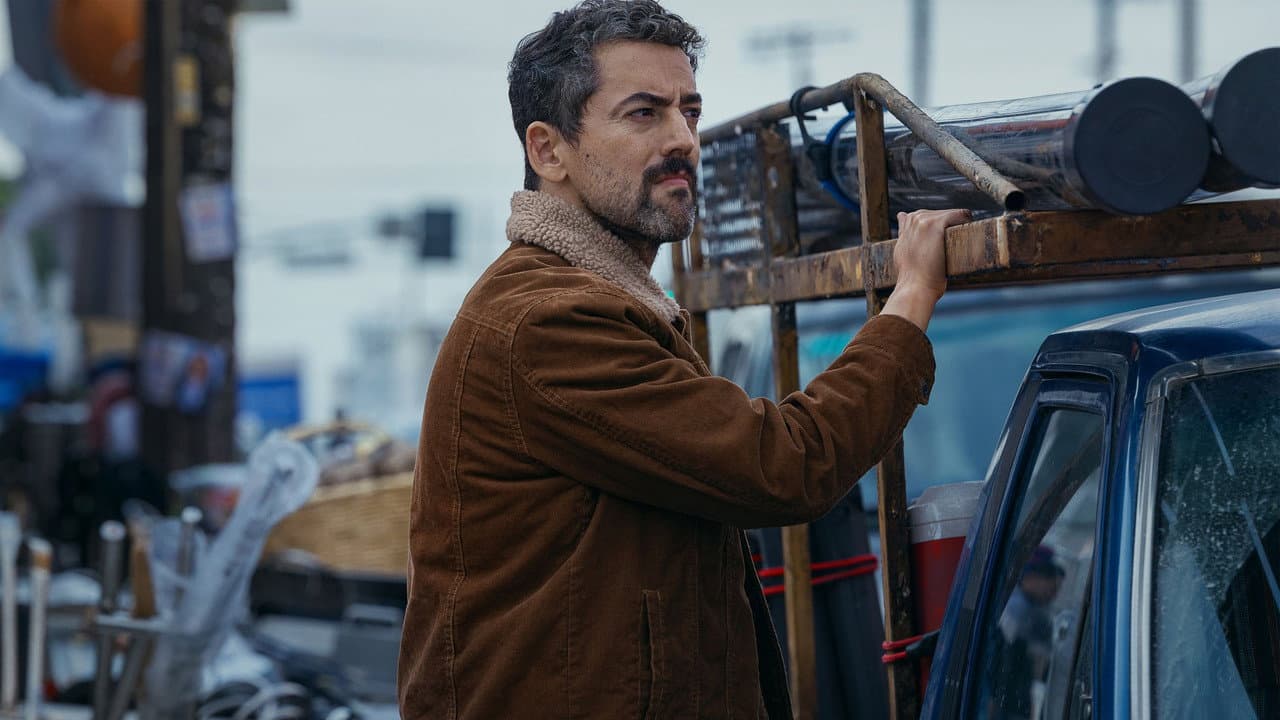
The ensemble also features Steven Yeun, Gillian Anderson, Adriana Paz, Luis Gerardo Méndez, Ray Fisher and Matt Gerald. The film runs 106 minutes and arrives in English-language Hollywood release through a wide theatrical window.
[[H2: A Practical, Not Philosophical, Use of the Technology]]
Affleck's stance appears rooted less in abstract debate than in the mundane realities of post-production and visual effects. He has spoken about AI in terms of tasks that once consumed enormous amounts of time and money - cleanup work, de-aging, digital environments - rather than as a tool for manufacturing performances. That distinction has become a central fault line in the industry's ongoing argument: studios tout efficiency gains, while actors and writers worry about consent, compensation and job displacement.
For Affleck, the ethical test seems to be whether a tool serves the story and the people who made it, or whether it erodes their contribution. His phrasing - "not about making fake people" - cuts directly at one of the most sensitive anxieties in the business, the fear that performers could be scanned, licensed and then rendered indefinitely without meaningful involvement.
That anxiety has fueled strikes, contract fights and proposed legislation in recent years. Against that backdrop, a director of Affleck's profile articulating limits rather than possibilities carries weight, even if the specifics of his implementation remain deliberately general.
[[H2: A Career Move That Tracks With the Moment]]
The timing is notable. Affleck has spent the past several years moving between blockbuster spectacle and character-driven dramas, and Animals lands squarely in gritty, pressure-cooker territory - the kind of mid-budget adult thriller that has become scarcer as franchise economics dominate. A kidnapping plot compressed into a single desperate window gives the film a ticking-clock structure, and the campaign-finance angle lends it a topical edge about money, ambition and public image.
Pairing Affleck with Washington at the center of that story gives the film two seasoned leads capable of carrying long stretches of tension. The supporting roster, which includes Yeun and Anderson, suggests a production that prioritized acting depth over spectacle.
Whether audiences embrace the film is an open question - early ratings data offers no signal, with the title sitting at 0/10 on TMDb, a figure that reflects an absence of aggregated votes rather than a verdict. What is clear is that Animals will serve as a test case for how a mainstream Hollywood director talks about AI without letting the conversation swallow the movie itself.
[[H2: The Larger Conversation Won't Wait]]
Hollywood's AI reckoning is far from settled. Studios continue to experiment; unions continue to bargain; audiences remain split on whether they care how a shot was made so long as it works. Affleck's framing - ethical use, human primacy, no replacement - is a position designed to satisfy both the craft community and a moviegoing public that has grown suspicious of anything that smells like a shortcut.
It is also, deliberately, a narrow claim. Saying AI will not replace anyone is not the same as saying it will not change how work is distributed, who gets hired, or what a below-the-line crew looks like in five years. Affleck's comments do not resolve those questions, and he does not appear to be trying to.
Animals opens October 9. For now, its director is betting that the best argument for the technology is a film that still feels unmistakably handmade - and that the conversation about AI can happen alongside the movie rather than on top of it.
Source: The Hollywood Reporter