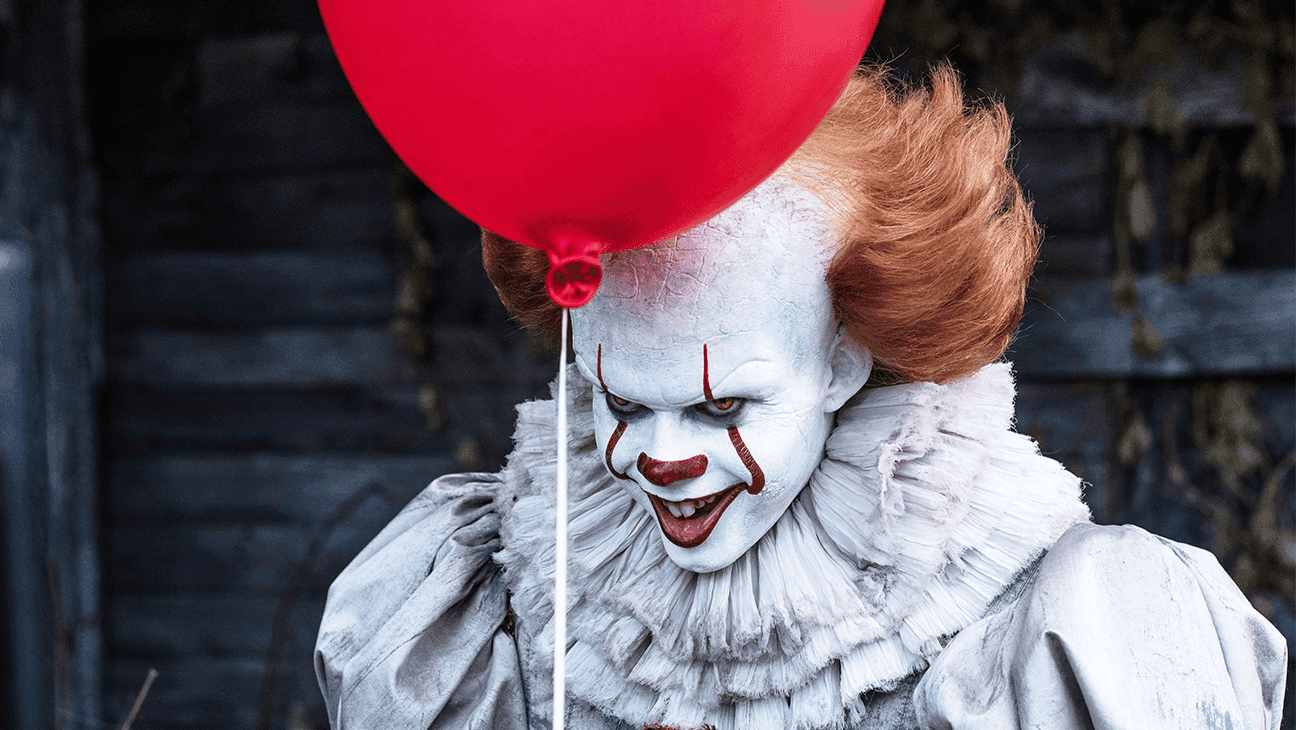
Bill Skarsgard has found an unexpected practical application for the voice that made him one of modern horror's most recognizable faces: parenting. The actor, who became a pop culture fixture as Pennywise the Dancing Clown in the two-part adaptation of Stephen King's "It," recently joked that he sometimes summons the character's sinister rasp when his children act up, a bit he summed up with the self-deprecating label "schizophrenic daddy."
The remark, which has circulated widely among fans online, plays on the contrast between the demonic entity Skarsgard portrays on screen and the decidedly ordinary challenges of raising young kids. According to the account of his comments, the Swedish performer described slipping into the Pennywise register as a playful disciplinary tactic at home, framing the habit as just one of the many personas a parent cycles through in a single day. The joke lands because it inverts the usual show-business story: rather than a star struggling to shed a frightening role, Skarsgard is cheerfully weaponizing it against bedtime procrastination and spilled juice.
Skarsgard's association with the killer clown dates back to 2017, when director Andy Muschietti's first "It" film turned the performer into a breakout name and helped propel the movie to enormous commercial success. He returned for the 2019 sequel, "It Chapter Two," sharing the screen with an adult ensemble led by Jessica Chastain and James McAvoy. The role required him to spend hours in prosthetics and to develop the character's unsettling cadence and physical mannerisms, work that critics and audiences singled out as the centerpiece of both films.
Off screen, Skarsgard has built a varied career that stretches well beyond horror. He has appeared in the "John Wick" franchise, played a memorable antagonist in "Deadpool 2," and taken on prestige projects including "The Devil All the Time" and the historical drama "The Northman." He also led the supernatural thriller "Barbarian" and starred in the 2024 reboot of "The Crow." That range is part of why the parenting anecdote resonates: the same actor who can make grown adults flinch on cue is, by his own joking account, simply another father negotiating with small children.
The comic framing also reflects a broader truth about performers known for dark material. Actors who specialize in menace frequently describe a stark separation between their professional and domestic lives, and many lean on humor to defuse the oddity of being recognized for terrifying people. For Skarsgard, the joke serves a dual purpose, puncturing the mystique of the clown while offering a glimpse of family life that is relatable rather than glamorous. The phrase he used to describe himself suggests he is well aware of how absurd the image must seem from the outside.
[A Character That Refuses to Stay on Set]
Pennywise has followed Skarsgard in other ways, too. The character remains a fixture at Halloween, in fan art, and in the collective imagination of moviegoers, and the actor has spoken in past interviews about the strange experience of being both celebrated and feared for a performance built on exaggerated malice. Bringing the voice home, even in jest, extends that dynamic into the most mundane moments of parenting, where a growl from the bathroom doorframe carries a very different weight than it does on a cinema screen.
The lighthearted disclosure arrives as Skarsgard continues to weigh his next projects, and it is unlikely to blunt his appetite for darker material. If anything, the anecdote reinforces the appealing contradiction at the heart of his public image: a performer who can be genuinely unnerving in fiction and disarmingly wry about it in real life. Audiences who first met him through a red balloon and a storm drain now have a new image to file away, that of a father borrowing a monster's voice to restore order at home, and laughing about it afterward.
Source: The Hollywood Reporter