Billy Evans, the husband of disgraced Theranos founder Elizabeth Holmes, says he never agreed to appear nude in "You Can See Everything," the documentary that has become one of the fall's most talked-about releases. In a statement provided to USA Film News, Evans claims the shower sequence at the center of the dispute was filmed and included without his consent, and he is now weighing his options as the film continues to draw audiences in its third week.
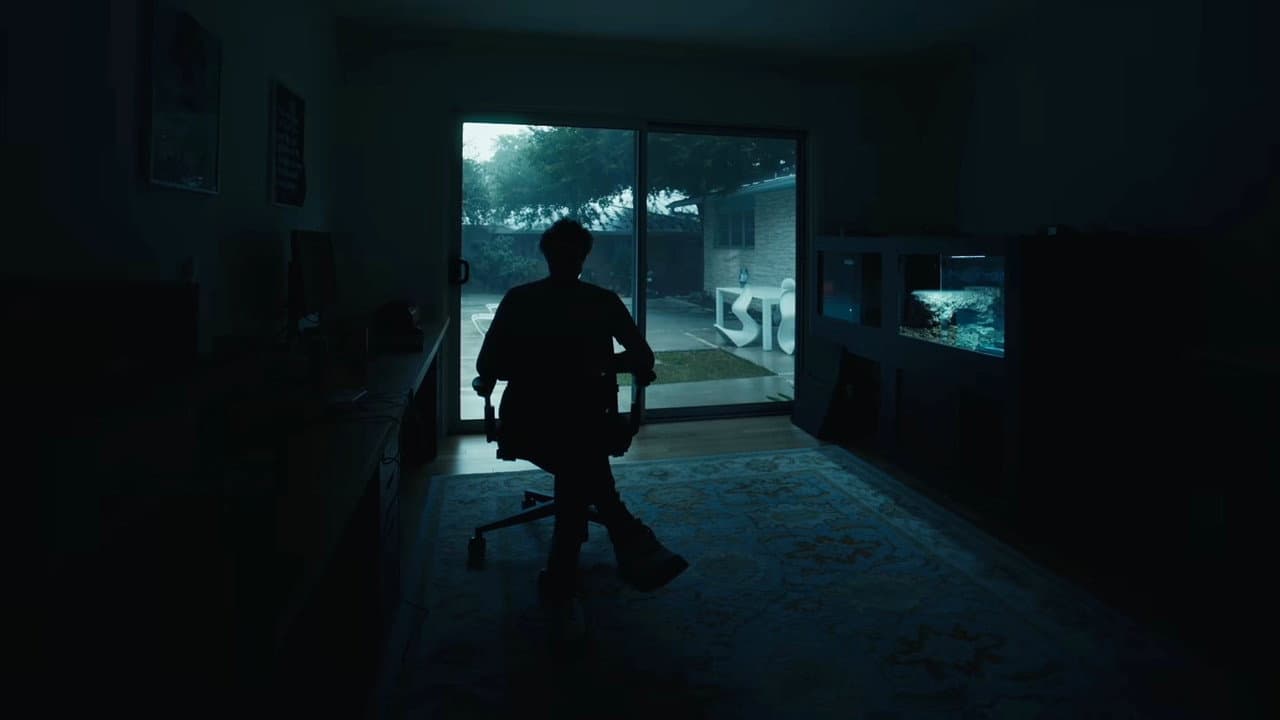
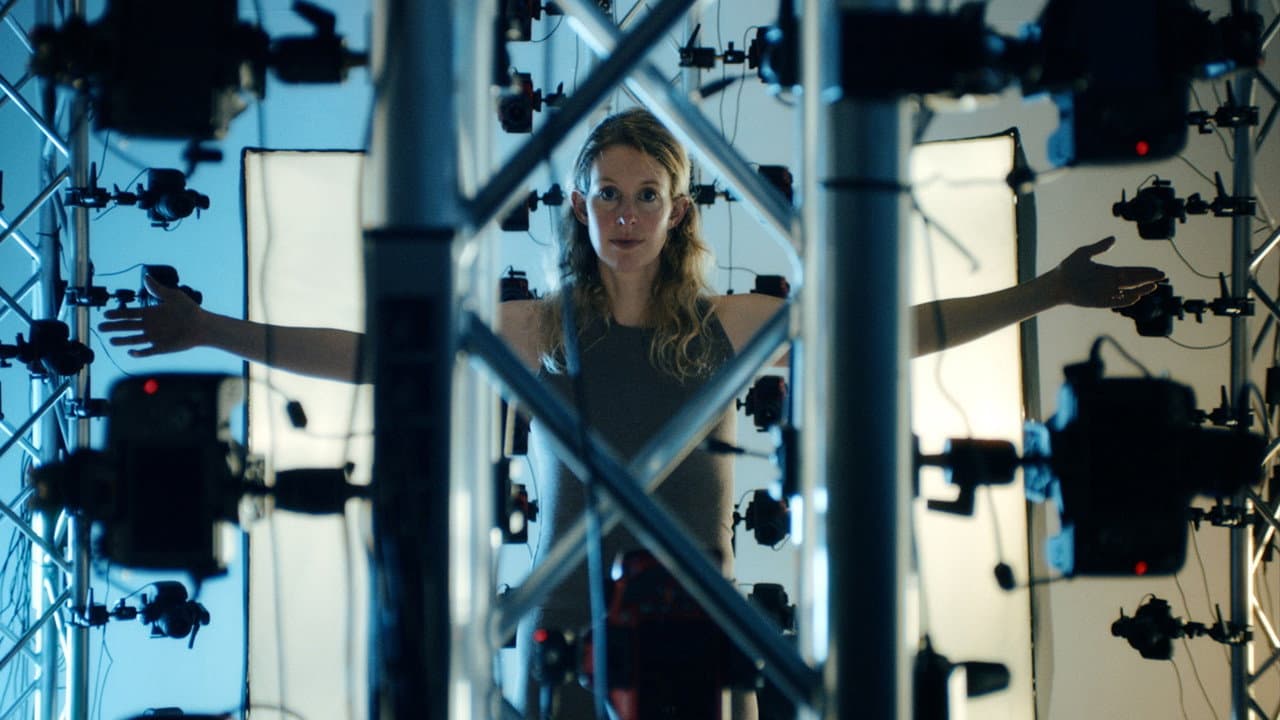
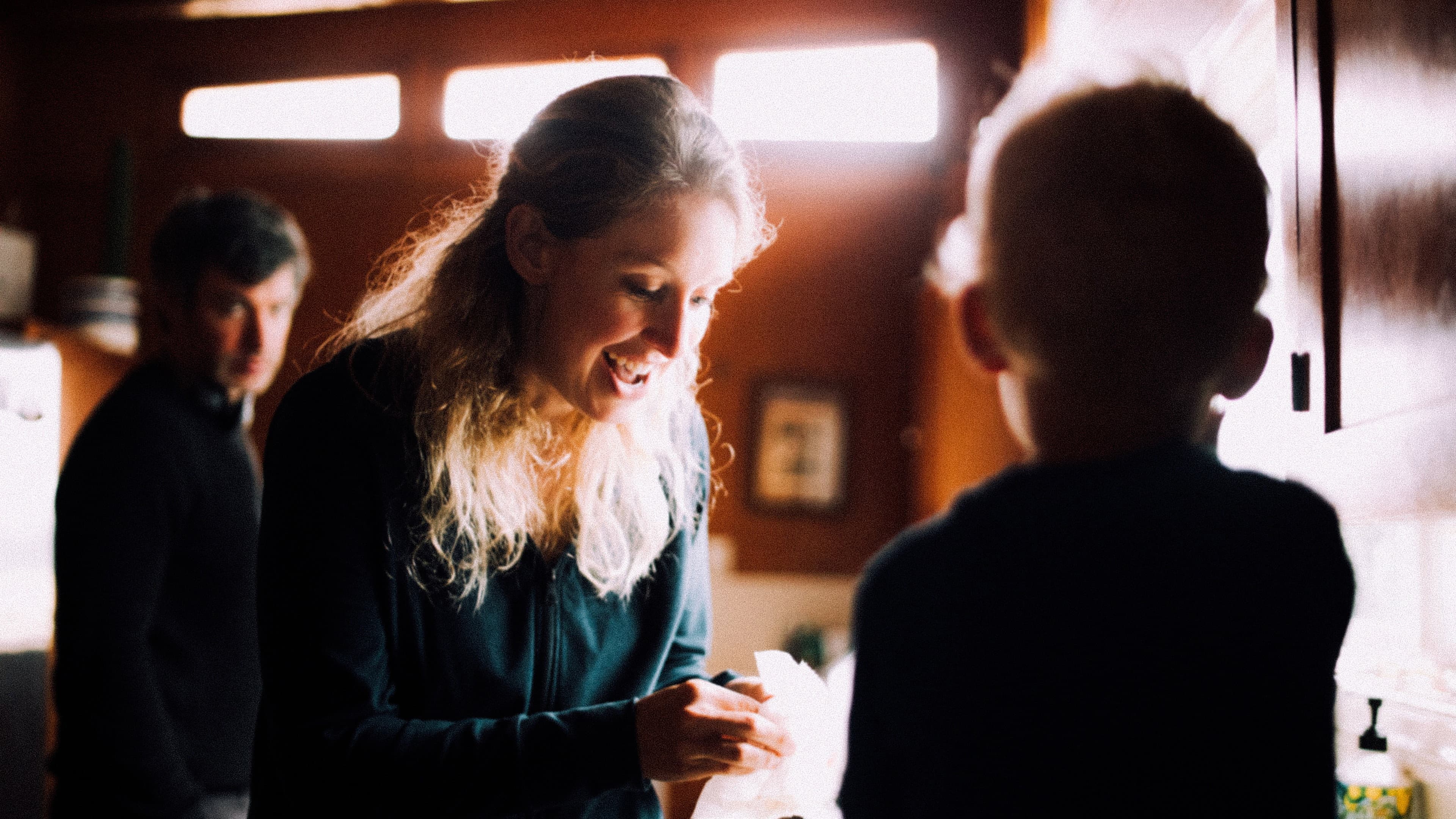
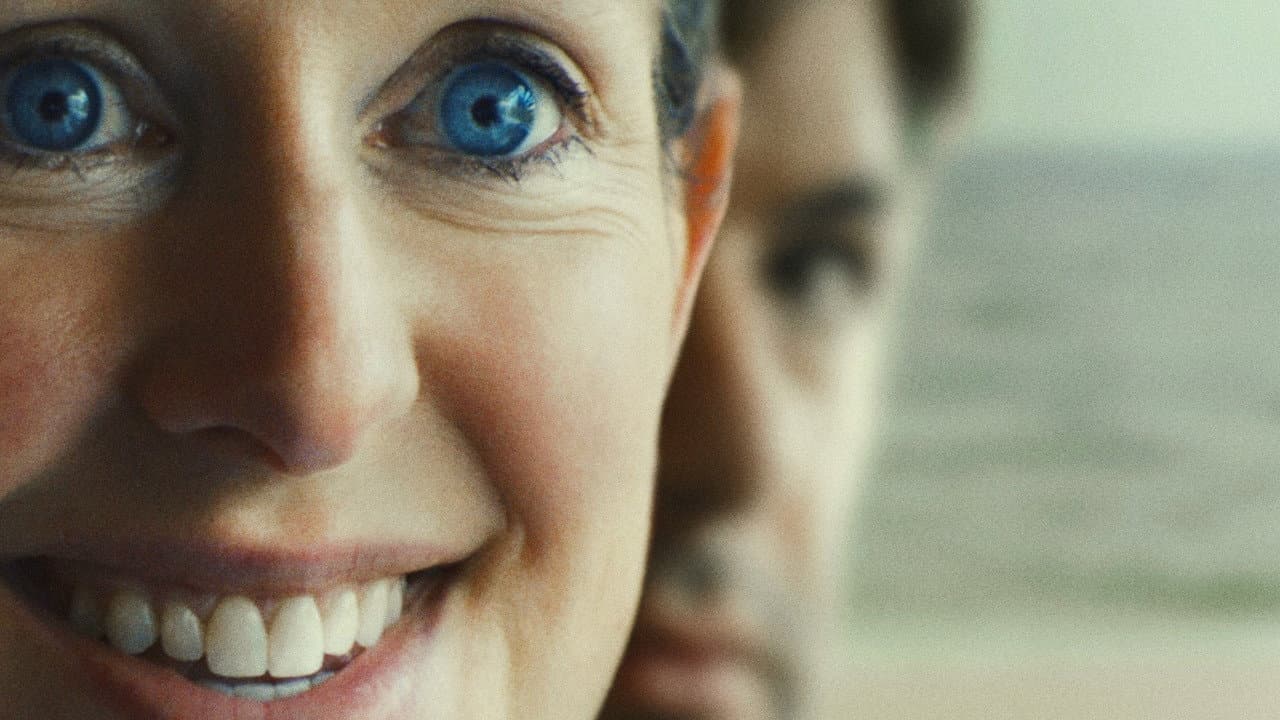
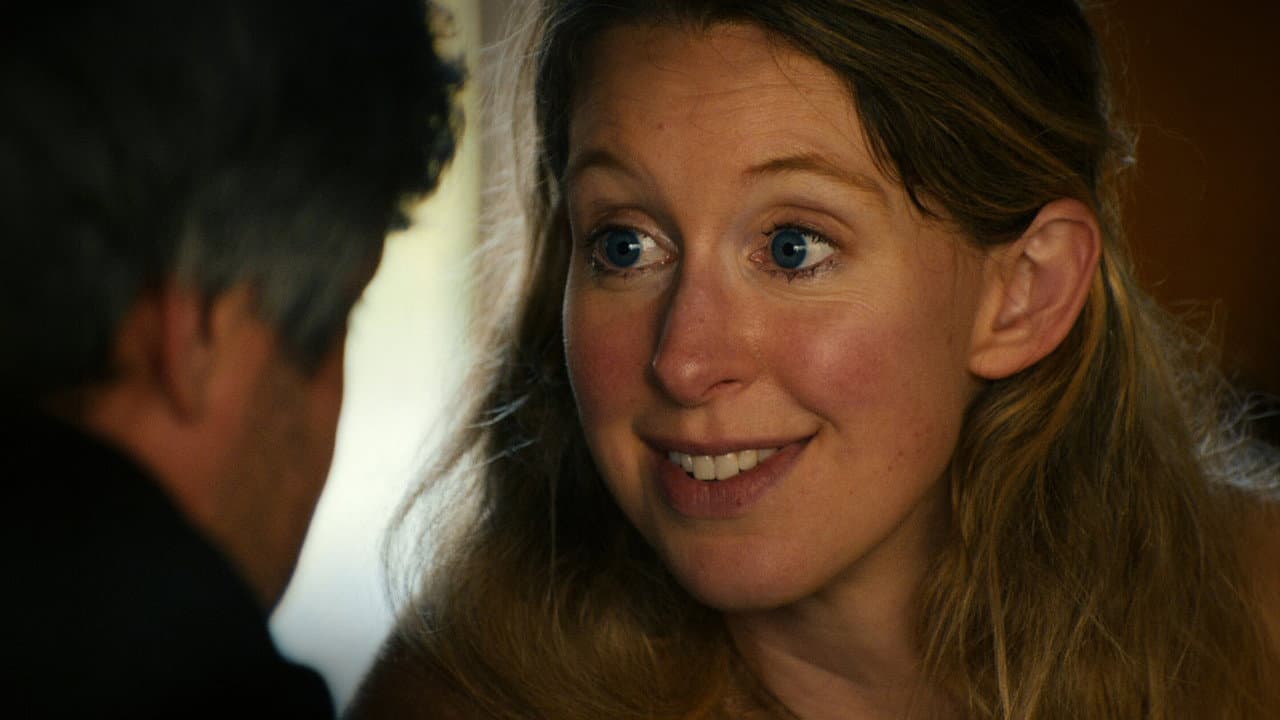
The documentary, directed by Nathan Fielder, opened on October 16 to strong reviews and an unusual level of public fascination. It follows Holmes in the thirty-four days before she reported to prison, with a skeptical crew shadowing her every move. What was pitched as an intimate portrait of an enigmatic felon instead unfolds over three years, veering into territory few nonfiction films attempt. The shower scene in question has become the film's most discussed moment and the subject of the dispute now spilling into public view.
Evans, who appears in the film as himself alongside Holmes and Fielder, did not specify in his statement what legal steps he may take. He said he was unaware of how the footage would be used, and that he was not asked to approve the scene as it appears in the finished film. Representatives for Fielder and the film's producers did not respond to requests for comment by publication time.
A Scene at the Center of the Storm
The sequence arrives late in the film's 175-minute runtime, and its placement has struck some viewers as deliberately provocative. The documentary's genre billing as nonfiction has not insulated it from questions about where documentation ends and invention begins. Neither Fielder nor the producers have publicly addressed Evans's claims, and it remains unclear whether the footage was captured with the understanding that it would be included.
What complicates matters is the film's own framing. It presents itself as an unvarnished record of Holmes's final weeks of freedom, yet its three-year production suggests a more tangled relationship between subject and filmmaker than a straightforward observational project would imply. Evans's objection sits awkwardly against that backdrop: the film invites audiences to trust what they are seeing, even as one of its credited subjects says he did not consent to a key moment.
Casting Choices Add Another Layer
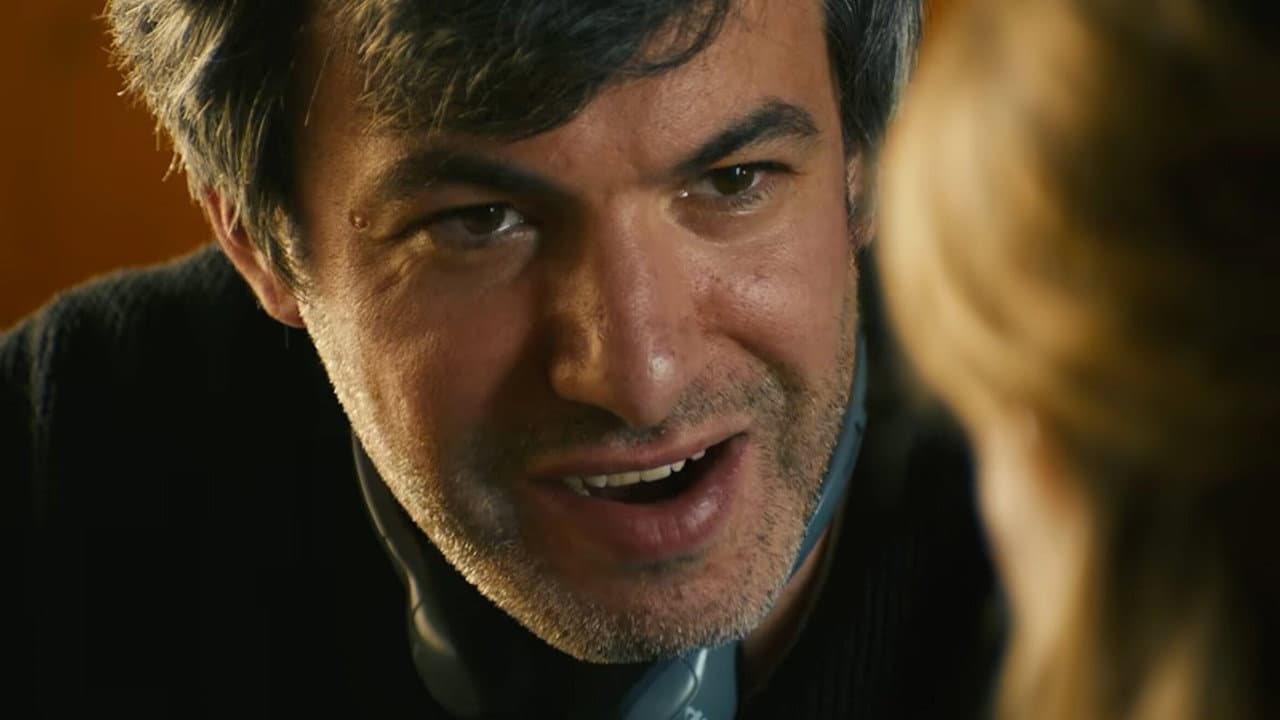
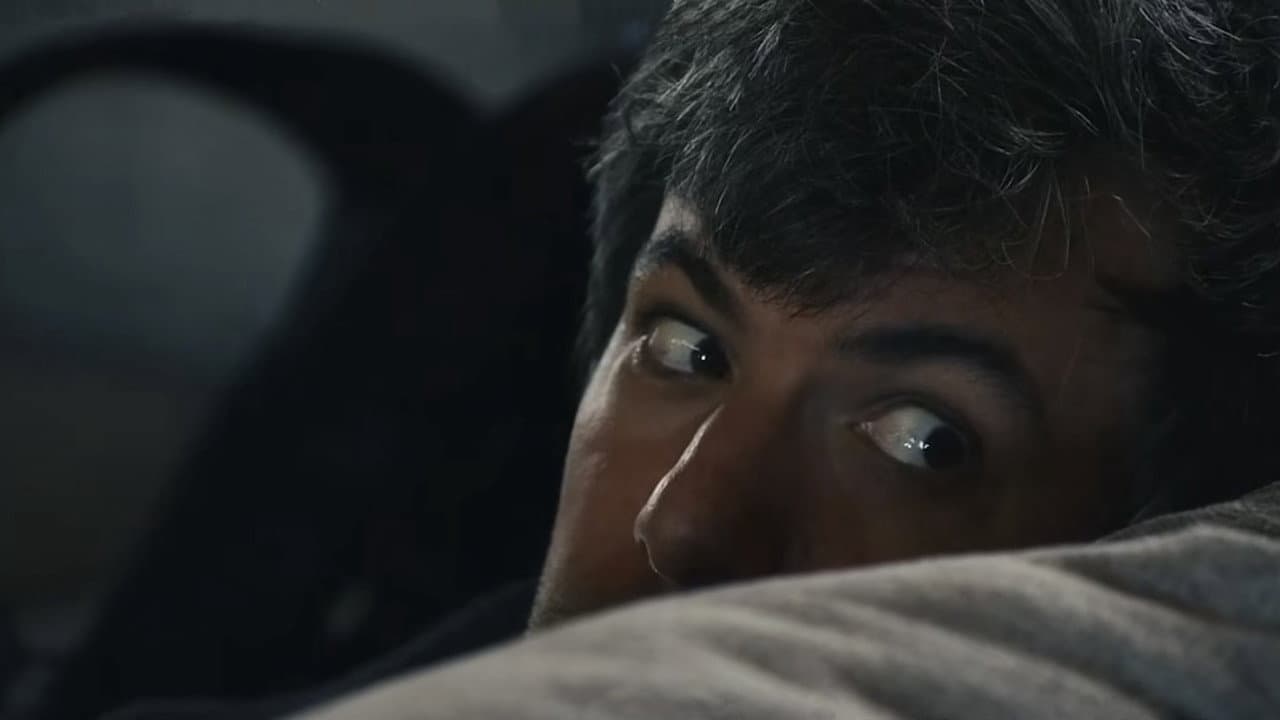
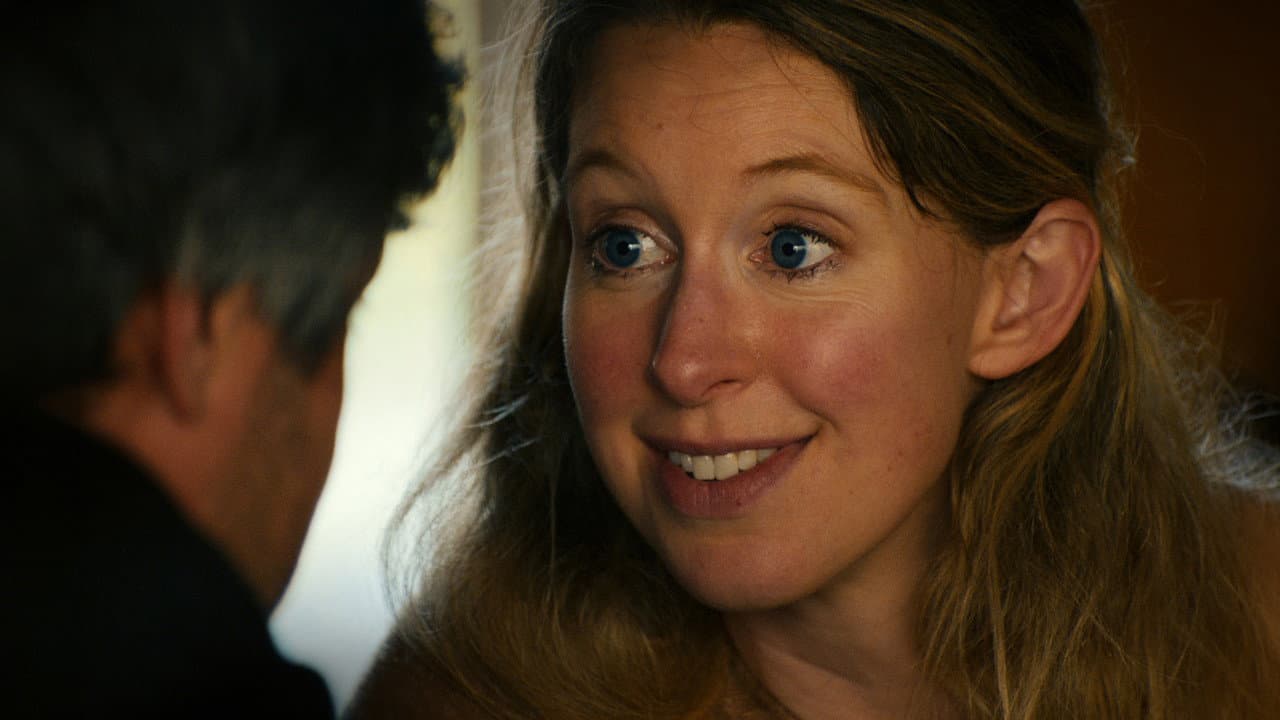
The documentary's cast list blurs the line between participant and performer in ways that have fueled its reputation. Alongside Holmes, Fielder, Evans and journalist Lance Oppenheim, the film credits Amanda Seyfried as "Self / Elizabeth Holmes" and Christopher Abbott as "Billy Evans." Those dual roles have been read as a stylistic device rather than a conventional reenactment, though the filmmakers have not explained the choice in detail. Holmes's parents, Christian Rasmus Holmes IV and Noel Anne Holmes, also appear as themselves.
That structural ambiguity gives Evans's complaint an unusual texture. In a film that already asks viewers to question what is real, his assertion that a scene was made without his agreement adds a concrete dispute to a project built on slippery ground. It is also a reminder that the people surrounding Holmes remain part of the story, whether or not they signed on for the version the film presents.
Ratings and Reception
Audiences and critics have responded warmly overall. The film holds an 8.861 out of 10 on TMDb and a 7.9 on IMDb, numbers that place it among the better-reviewed documentaries of the year. Its extended runtime has not deterred viewers, and the controversy surrounding the shower scene appears, at least so far, to have added to rather than subtracted from its profile.
"You Can See Everything" remains in theaters. Whether Evans's statement leads to any formal action, and whether the filmmakers offer a response, will determine how long the dispute stays in the headlines. For now, the film's central question - how much of a person's life a camera is entitled to capture - has acquired a sharper edge than its director may have anticipated.
Source: The Hollywood Reporter