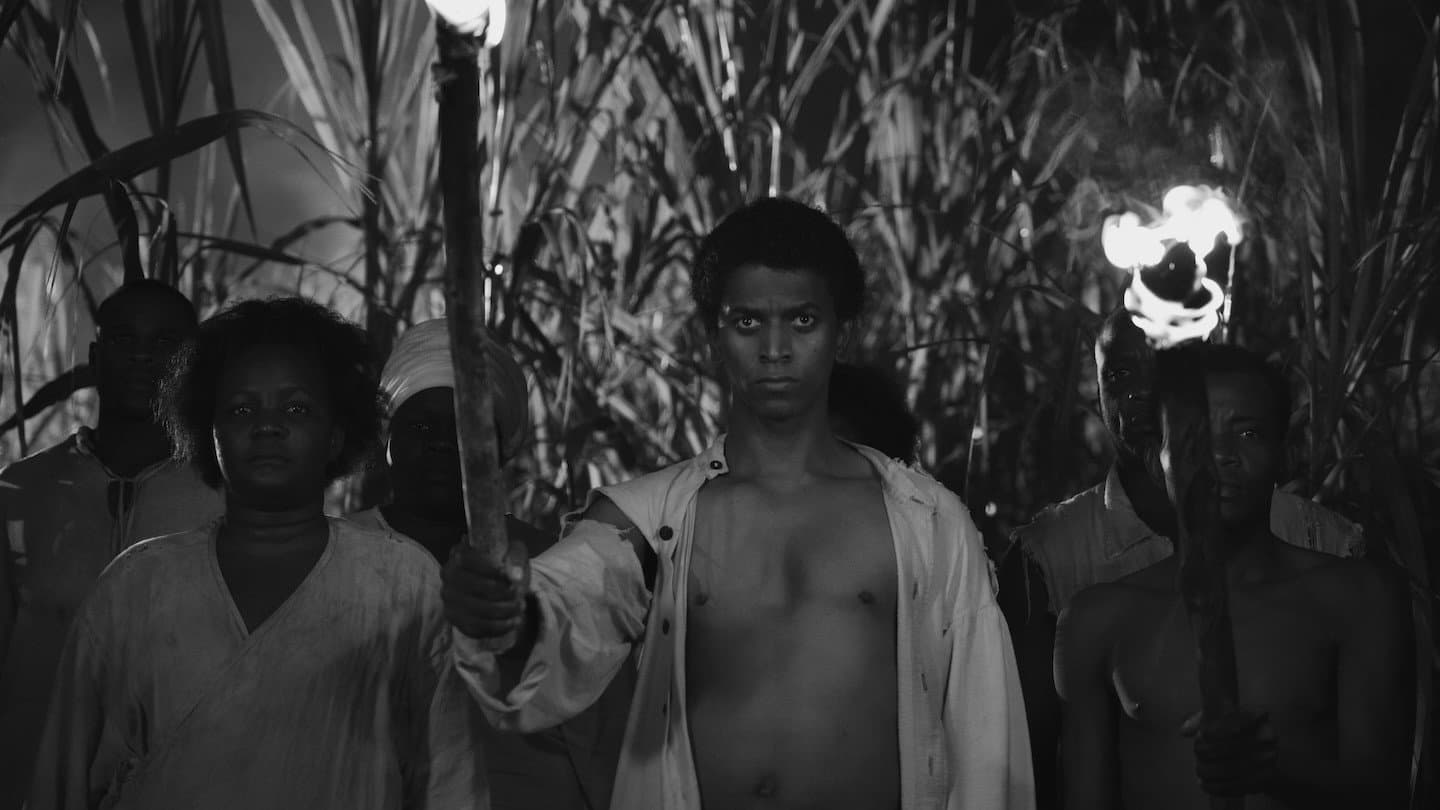
Black Zombie Review: Doc Unearths Painful Real History
Advertisement
A documentary explores how Hollywood's flesh-eating zombies overshadowed the tragic real-life history behind the myth.
The documentary Black Zombie is generating significant conversation this festival season, not for its gore, but for its sharp examination of a cinematic trope. The film argues that the popular image of the flesh-eating undead has, for decades, overshadowed the brutal real-world history that shaped its creation. Rather than simply celebrating the genre, director and writers use the zombie as a lens to explore the painful legacy of slavery and colonialism that remains buried beneath Hollywood’s entertainment value.
The documentary’s core thesis is that the modern zombie - the shambling, mindless consumer - is a direct descendant of a much darker figure: the enslaved person of the Caribbean. The film traces this lineage back to Haitian folklore, where the zombie was not a monster but a tragedy, a person whose will was stripped by a sorcerer, often as a metaphor for the dehumanizing experience of plantation slavery. Screen fame, the doc contends, transformed this figure of immense suffering into a blank canvas for fright and spectacle, erasing the complicity of the American film industry in that process.
One of the most compelling arguments presented in Black Zombie is how the genre’s evolution mirrors a broader cultural amnesia. Early Hollywood films, particularly during the American occupation of Haiti, leaned into the exotic and terrifying "voodoo" angle. These narratives were built on racist stereotypes, presenting Black culture as primitive and dangerous. The documentary uses archival footage and expert interviews to show how these early portrayals were not just entertainment, but a form of propaganda that justified imperialist interventions and reinforced white supremacy. The shambling, mindless horde on screen was a safe, fictionalized version of a very real and violent history that the country did not want to confront.
As the genre progressed, the documentary shows how the zombie was further divorced from its roots. The 1968 film Night of the Living Dead is often credited with creating the modern flesh-eater, but Black Zombie points out that even this landmark work, while containing subtext about social collapse, separated the creature from its specific racial and cultural origin. From there, the path leads to global franchises where the zombie becomes an almost universal symbol of pandemic panic or consumerist critique, a versatile metaphor for everything except its own historical anchor. The film argues that this versatility, while artistically productive, is also a form of erasure, allowing audiences to enjoy the horror without acknowledging the uncomfortable truths at its foundation.
The documentary’s strength lies in its refusal to offer easy answers. It does not simply vilify the films that used the trope, but rather contextualizes them within the power structures of their time. It interviews contemporary creators and critics who struggle with the same dilemma: how do you engage with a genre built on such a painful foundation without disrespecting the victims of that history? Some argue that reclaiming the zombie can be a form of resistance, giving voice to the silenced. Others in the film contend that the imagery is too tainted, that any use of the zombie inevitably reinforces the original dehumanization. The film leaves this debate open, acknowledging the complexity rather than forcing a single conclusion.
What makes Black Zombie so engaging is its accessibility. It is not a dry academic lecture. The editing is brisk, the archival footage is fascinating, and the talking heads are genuinely passionate. The film cleverly uses clips from classic zombie movies to illustrate its points, reminding the audience of exactly how these images have been seared into our collective consciousness. It invites the viewer to watch these horror classics with new eyes. After seeing this documentary, it is difficult to watch a zombie lurch across the screen without thinking of the human being underneath - the one whose identity was stolen, not by a virus, but by a system.
For those who love horror films, Black Zombie offers a rewarding and challenging re-education in the genre’s history. For those who are less familiar with the films, it works as a powerful and moving history lesson about how pop culture can obscure and distort reality. It is a reminder that the monsters we fear on screen are often just reflections of the monsters we have created in the real world. The documentary serves as a crucial corrective, pulling the zombie out of the realm of pure fantasy and grounding it in a history that is far more terrifying and far more real than any apocalypse imagined on film. It is a must-see for anyone interested in the intersections of race, cinema, and collective memory.
Source: Variety
Advertisement
Advertisement